Kim Deok Yun, Lim Byeonghwi, Kim Jun-Mo, Kil Dong Yong
Department of Animal Science and Technology, Chung-Ang University, Anseong-si, Gyeonggi-do, 17546, Republic of Korea.
J Anim Sci Biotechnol. 2022 Jul 18;13(1):79. doi: 10.1186/s40104-022-00734-y.
Heat stress (HS) is one of the most important threats for the current poultry industry. Therefore, many efforts have been made to ameliorate the adverse effect of HS on poultry production; however, physiological and molecular mechanisms pertaining to HS are still limited in poultry. Therefore, the objective of the current study was to investigate functional alterations based on individual and integrated transcriptomes in the liver and jejunal mucosa tissues of broiler chickens exposed to HS conditions.
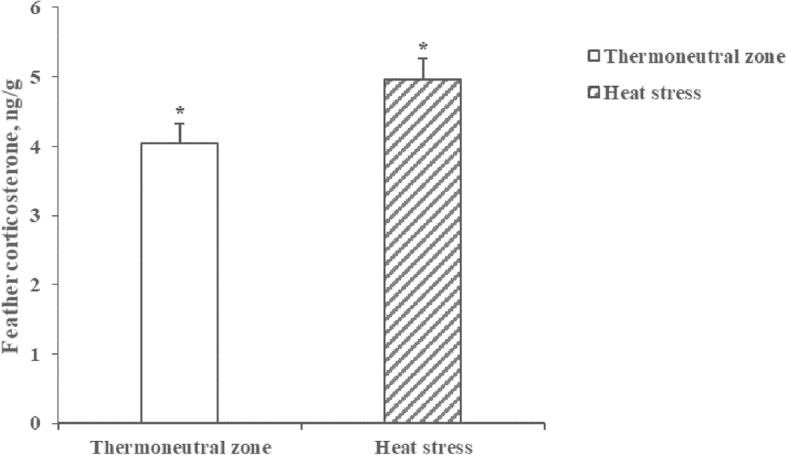
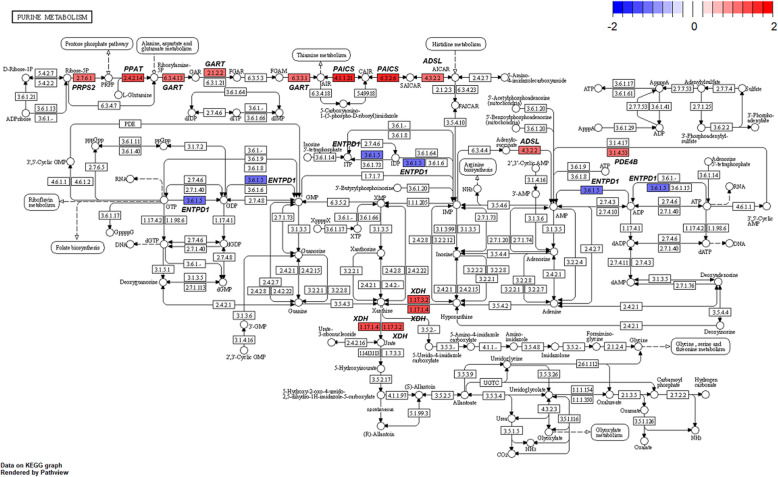
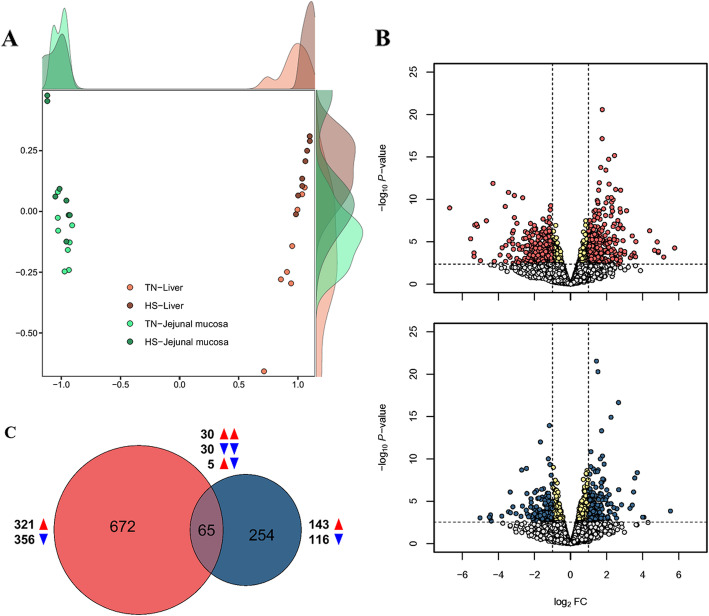
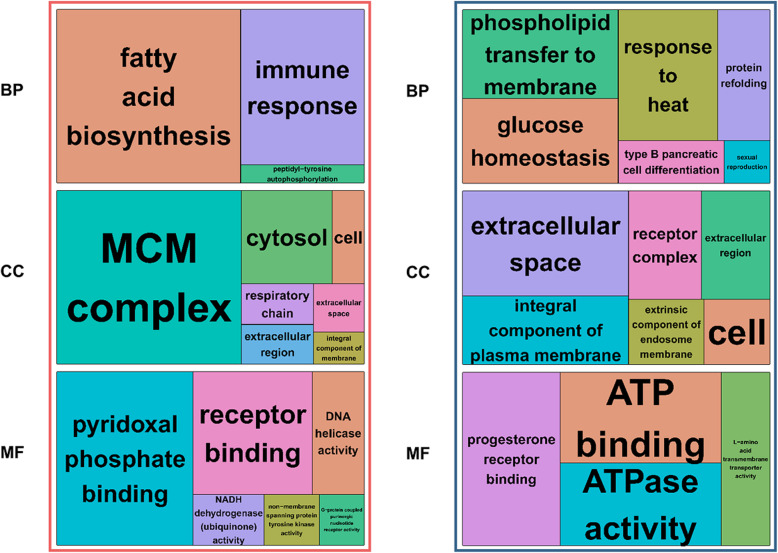
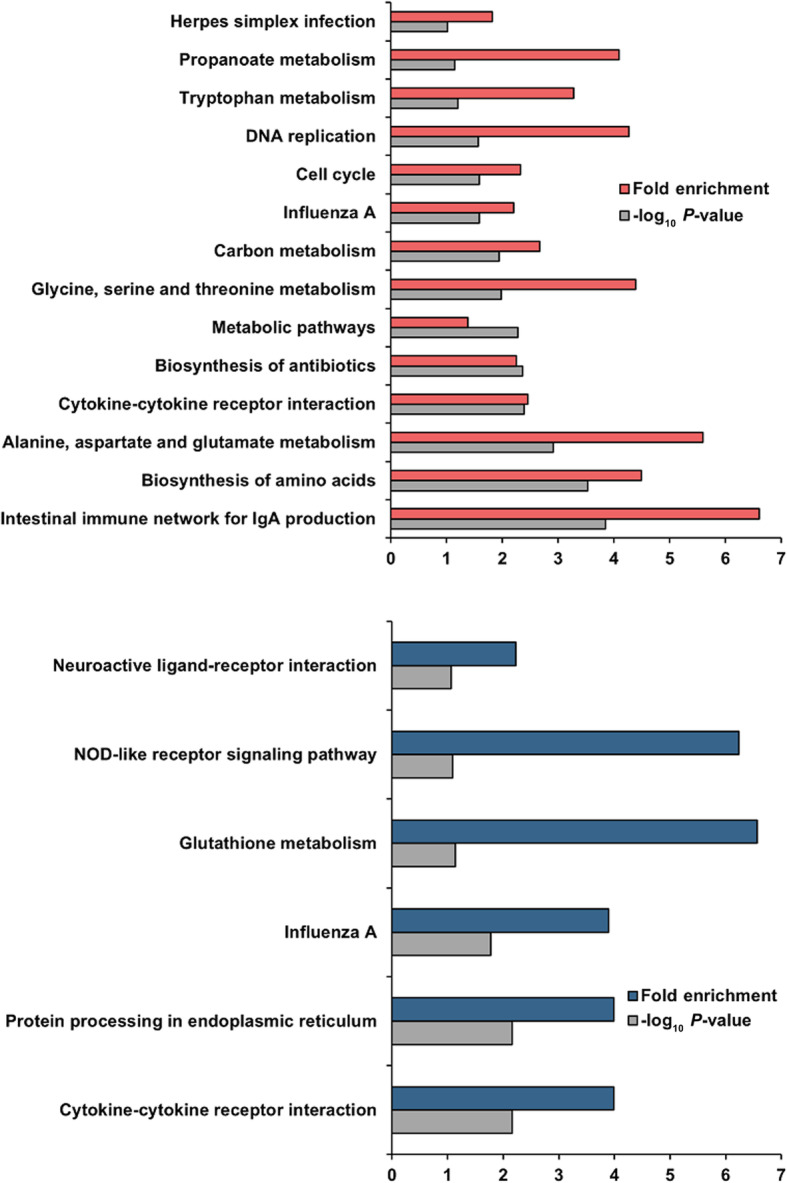
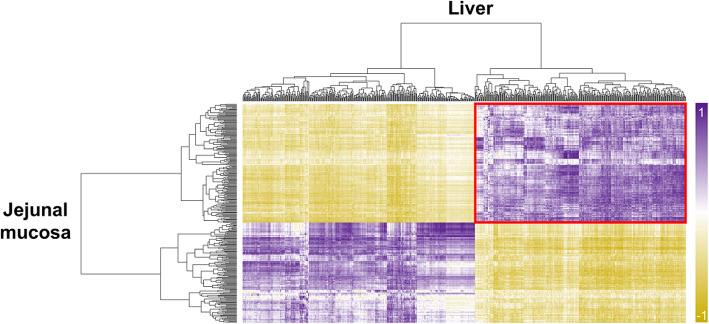
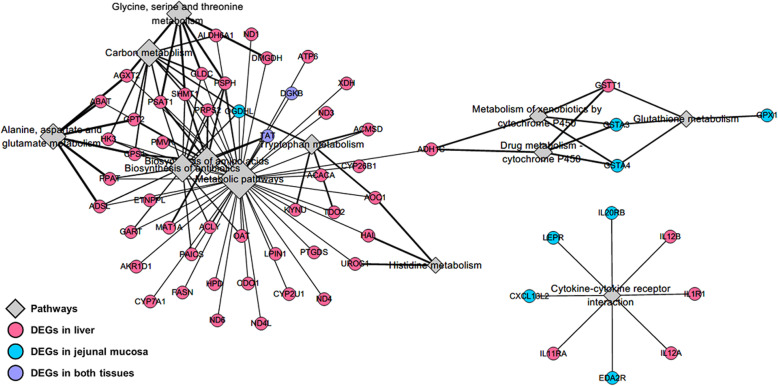
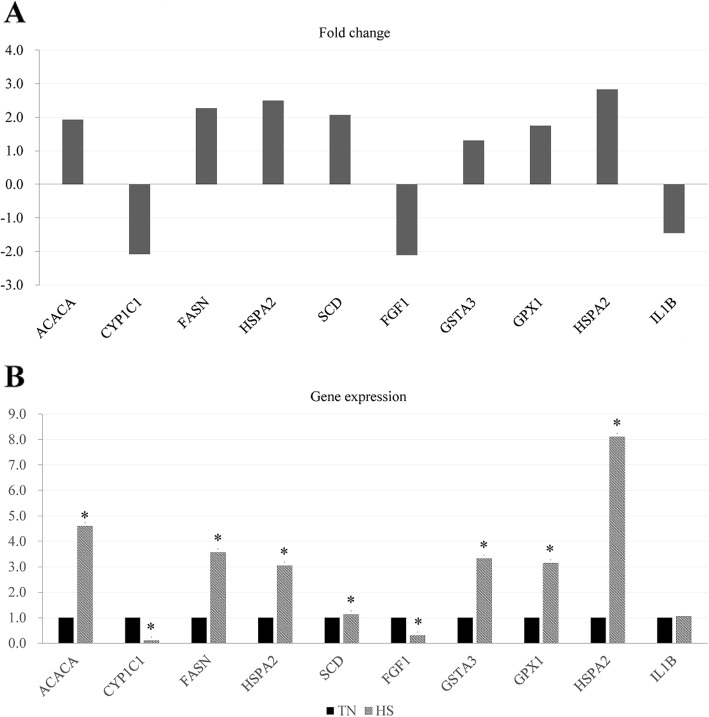
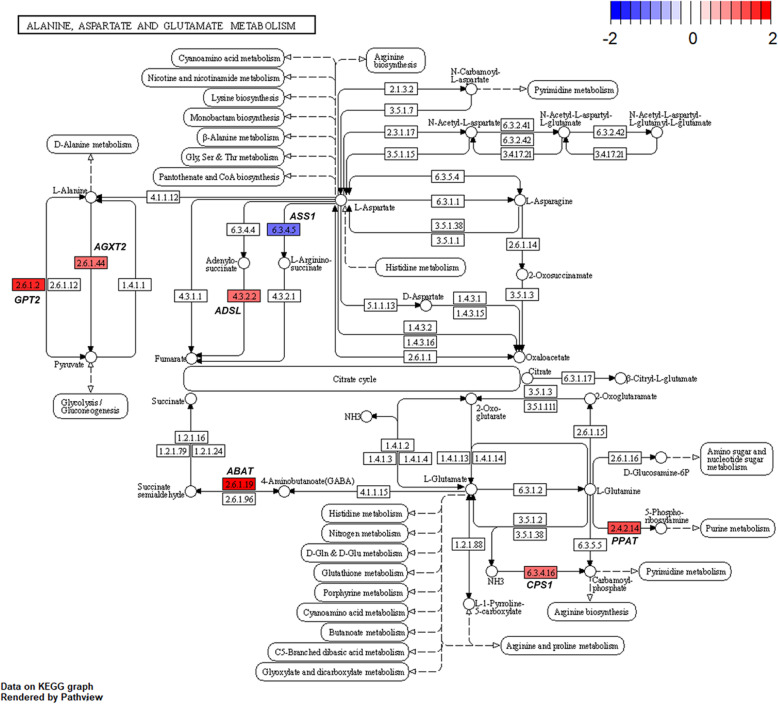
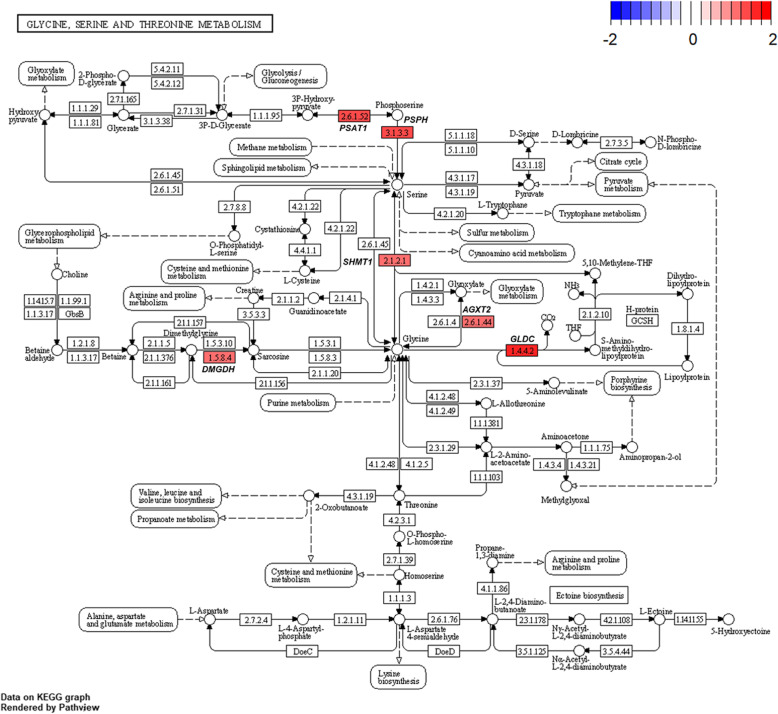
Broiler chickens exposed to HS showed decreased growth performance and increased corticosterone concentrations in the feather. In the transcriptome analysis, the number of differentially expressed genes (DEGs) were identified in the liver and jejunal mucosa by HS conditions. In the liver, genes related to amino acid oxidation, tryptophan metabolism, lipid metabolism, oxidative phosphorylation, and immune responses were altered by HS, which support the reason why heat-stressed poultry had decreased productive performance. In the jejunal mucosa, genes related to defense systems, glutathione metabolism, detoxification of xenobiotics, and immune responses were differently expressed by HS conditions. The integrated transcriptome analysis with DEGs found in the liver and jejunal mucosa showed a considerable connectivity between the core nodes in the constructed networks, which includes glutathione metabolism, xenobiotic metabolism, carbon metabolism, and several amino acid metabolisms.
The core network analysis may indicate that increased requirement of energy and amino acids in the jejunal mucosa of broiler chickens exposed to HS conditions is likely compromised by increased oxidation and synthesis of amino acids in the liver. Therefore, our results may provide comprehensive insights for molecular and metabolic alterations of broiler chickens raised under HS conditions, which can aid in the development of the novel strategies to ameliorate the negative effect of HS on poultry productivity and health.
热应激(HS)是当前家禽业面临的最重要威胁之一。因此,人们已做出诸多努力来减轻热应激对家禽生产的不利影响;然而,家禽中与热应激相关的生理和分子机制仍然有限。因此,本研究的目的是基于暴露于热应激条件下的肉鸡肝脏和空肠黏膜组织的个体转录组和整合转录组来研究功能变化。
暴露于热应激的肉鸡生长性能下降,羽毛中皮质酮浓度升高。在转录组分析中,通过热应激条件鉴定出肝脏和空肠黏膜中差异表达基因(DEG)的数量。在肝脏中,与氨基酸氧化、色氨酸代谢、脂质代谢、氧化磷酸化和免疫反应相关的基因因热应激而发生改变,这支持了热应激家禽生产性能下降的原因。在空肠黏膜中,与防御系统、谷胱甘肽代谢、外源性物质解毒和免疫反应相关的基因在热应激条件下表达不同。对在肝脏和空肠黏膜中发现的差异表达基因进行的整合转录组分析表明,构建网络中的核心节点之间存在相当大的连通性,其中包括谷胱甘肽代谢、外源性物质代谢、碳代谢和几种氨基酸代谢。
核心网络分析可能表明,暴露于热应激条件下的肉鸡空肠黏膜中能量和氨基酸需求的增加可能因肝脏中氨基酸氧化和合成的增加而受到损害。因此,我们的结果可能为热应激条件下饲养的肉鸡的分子和代谢变化提供全面的见解,这有助于开发新策略来减轻热应激对家禽生产力和健康的负面影响。