Weber Daniela D, Aminzadeh-Gohari Sepideh, Thapa Maheshwor, Redtenbacher Anna-Sophia, Catalano Luca, Capelôa Tânia, Vazeille Thibaut, Emberger Michael, Felder Thomas K, Feichtinger René G, Koelblinger Peter, Dallmann Guido, Sonveaux Pierre, Lang Roland, Kofler Barbara
Research Program for Receptor Biochemistry and Tumor Metabolism, Department of Pediatrics, University Hospital of the Paracelsus Medical University, 5020, Salzburg, Austria.
Biocrates Life Sciences AG, 6020, Innsbruck, Austria.
Cancer Metab. 2022 Jul 18;10(1):12. doi: 10.1186/s40170-022-00288-7.
Growing evidence supports the use of low-carbohydrate/high-fat ketogenic diets as an adjunctive cancer therapy. However, it is unclear which genetic, metabolic, or immunological factors contribute to the beneficial effect of ketogenic diets. Therefore, we investigated the effect of ketogenic diets on the progression and metabolism of genetically and metabolically heterogeneous melanoma xenografts, as well as on the development of melanoma metastases in mice with a functional immune system.
Mice bearing BRAF mutant, NRAS mutant, and wild-type melanoma xenografts as well as mice bearing highly metastatic melanoma allografts were fed with a control diet or ketogenic diets, differing in their triglyceride composition, to evaluate the effect of ketogenic diets on tumor growth and metastasis. We performed an in-depth targeted metabolomics analysis in plasma and xenografts to elucidate potential antitumor mechanisms in vivo.
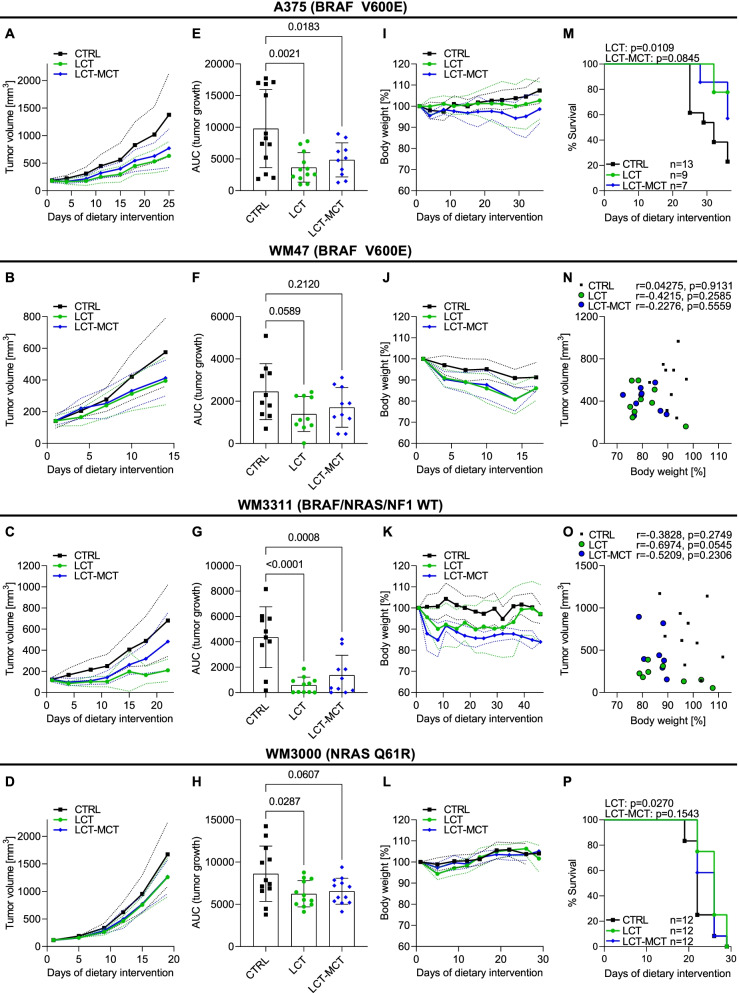
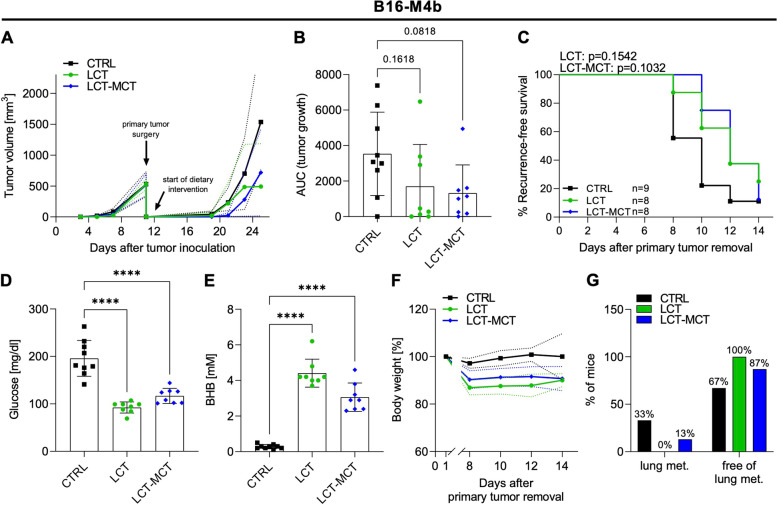
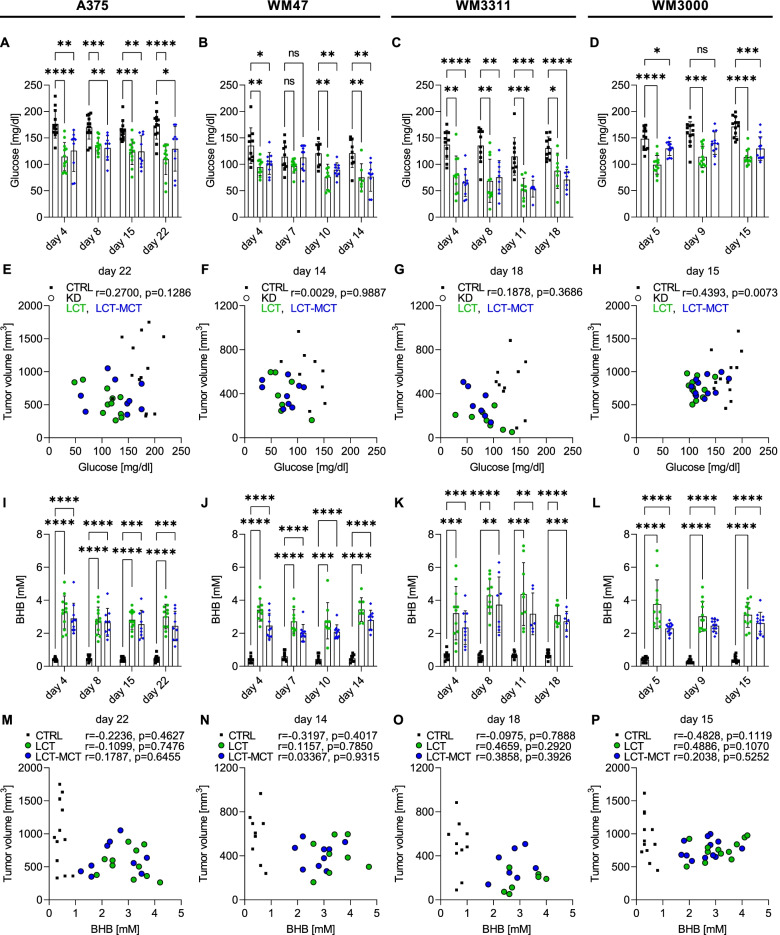
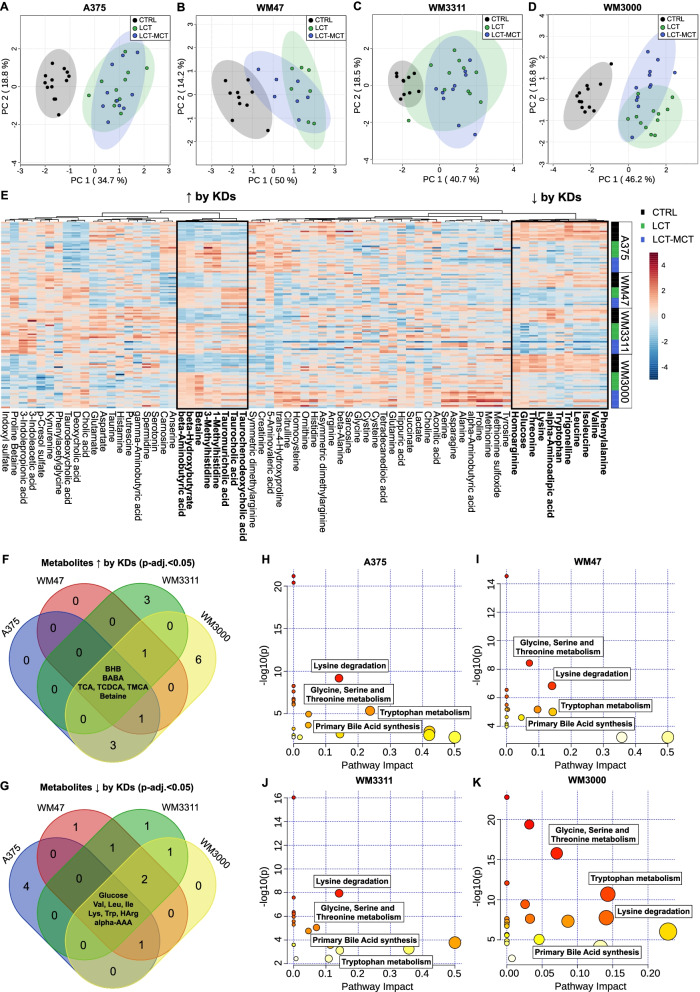
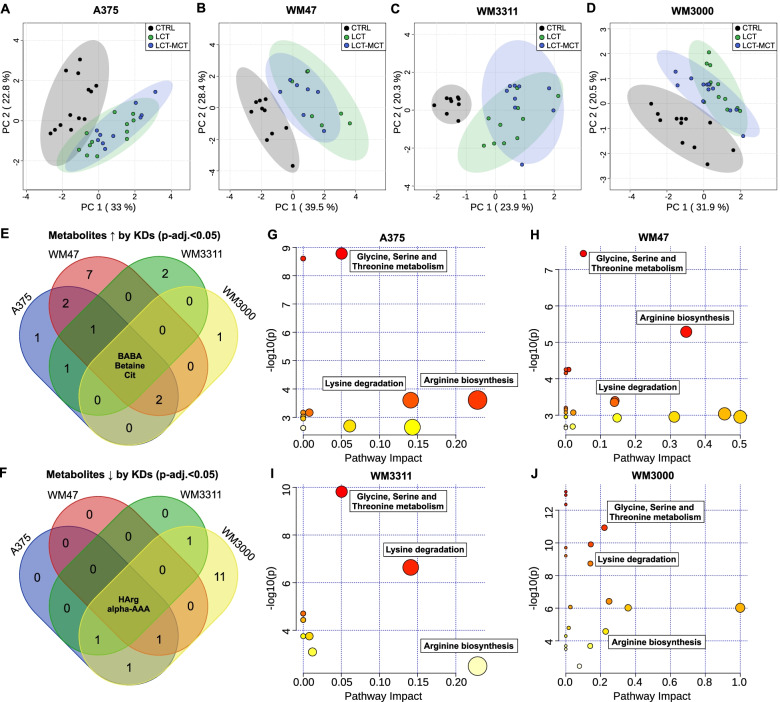
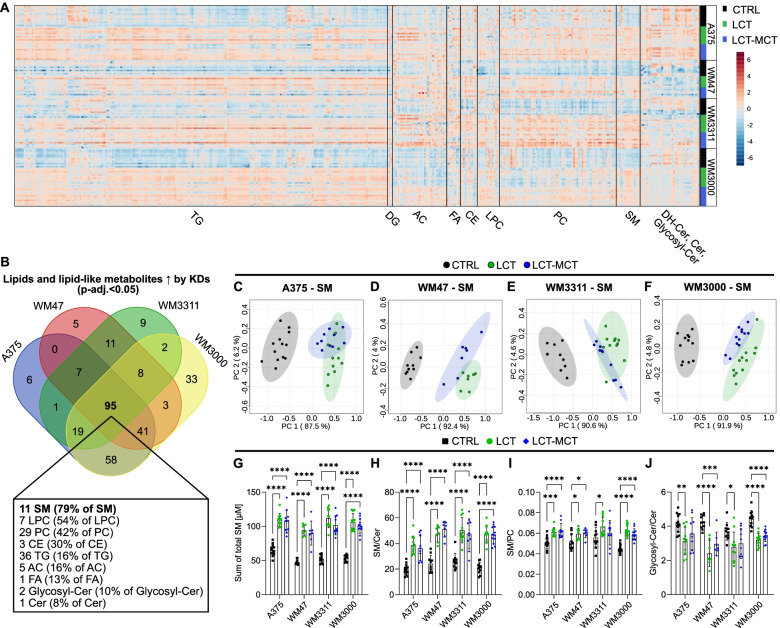
We show that ketogenic diets effectively reduced tumor growth in immunocompromised mice bearing genetically and metabolically heterogeneous human melanoma xenografts. Furthermore, the ketogenic diets exerted a metastasis-reducing effect in the immunocompetent syngeneic melanoma mouse model. Targeted analysis of plasma and tumor metabolomes revealed that ketogenic diets induced distinct changes in amino acid metabolism. Interestingly, ketogenic diets reduced the levels of alpha-amino adipic acid, a biomarker of cancer, in circulation to levels observed in tumor-free mice. Additionally, alpha-amino adipic acid was reduced in xenografts by ketogenic diets. Moreover, the ketogenic diets increased sphingomyelin levels in plasma and the hydroxylation of sphingomyelins and acylcarnitines in tumors.
Ketogenic diets induced antitumor effects toward melanoma regardless of the tumors´ genetic background, its metabolic signature, and the host immune status. Moreover, ketogenic diets simultaneously affected multiple metabolic pathways to create an unfavorable environment for melanoma cell proliferation, supporting their potential as a complementary nutritional approach to melanoma therapy.
越来越多的证据支持使用低碳水化合物/高脂肪的生酮饮食作为辅助癌症治疗方法。然而,尚不清楚哪些遗传、代谢或免疫因素促成了生酮饮食的有益效果。因此,我们研究了生酮饮食对基因和代谢异质性黑色素瘤异种移植物的进展和代谢的影响,以及对具有功能性免疫系统的小鼠黑色素瘤转移发展的影响。
给携带BRAF突变、NRAS突变和野生型黑色素瘤异种移植物的小鼠以及携带高转移性黑色素瘤同种异体移植物的小鼠喂食对照饮食或甘油三酯组成不同的生酮饮食,以评估生酮饮食对肿瘤生长和转移的影响。我们对血浆和异种移植物进行了深入的靶向代谢组学分析,以阐明体内潜在的抗肿瘤机制。
我们发现,生酮饮食有效地减少了携带基因和代谢异质性人类黑色素瘤异种移植物的免疫受损小鼠的肿瘤生长。此外,生酮饮食在具有免疫活性的同基因黑色素瘤小鼠模型中发挥了减少转移的作用。对血浆和肿瘤代谢组的靶向分析表明,生酮饮食诱导了氨基酸代谢的明显变化。有趣的是,生酮饮食将循环中作为癌症生物标志物的α-氨基己二酸水平降低至无肿瘤小鼠中观察到的水平。此外,生酮饮食使异种移植物中的α-氨基己二酸减少。而且,生酮饮食增加了血浆中的鞘磷脂水平以及肿瘤中鞘磷脂和酰基肉碱的羟基化。
无论肿瘤的遗传背景、代谢特征和宿主免疫状态如何,生酮饮食均对黑色素瘤产生抗肿瘤作用。此外,生酮饮食同时影响多种代谢途径,为黑色素瘤细胞增殖创造不利环境,支持其作为黑色素瘤治疗的补充营养方法的潜力。