Singh Ranjit D, Arts Mark P, de Ruiter Godard C W
Department of Neurosurgery, Haaglanden Medical Center, University Neurosurgical Center Holland, The Hague, The Netherlands.
J Neurosurg Case Lessons. 2021 May 10;1(19):CASE2113. doi: 10.3171/CASE2113.
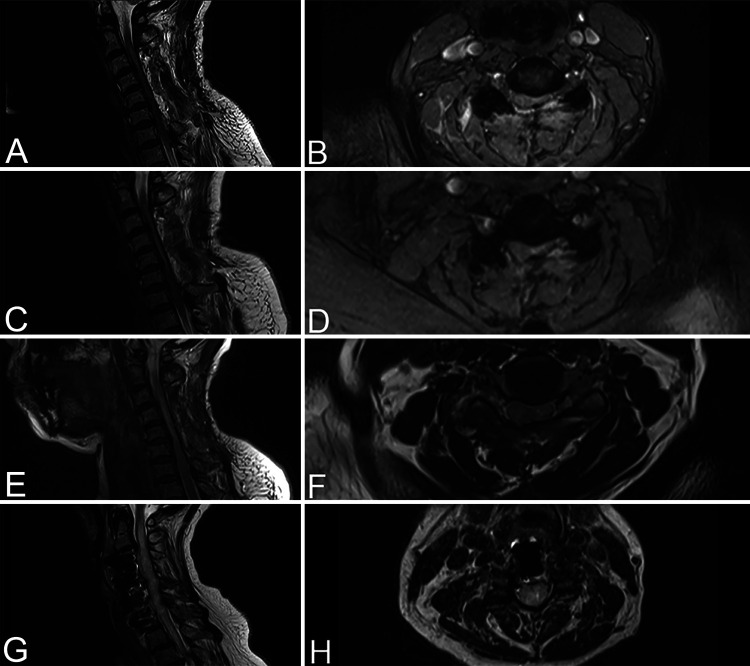
White cord syndrome is an extremely rare complication of cervical decompressive surgery, characterized by serious postoperative neurological deficits in the absence of apparent surgical complications. It is named after the characteristic ischemic-edematous intramedullary T2-hyperintense signal on postoperative magnetic resonance imaging and is believed to be caused by ischemic-reperfusion injury. Neurological deficits typically manifest immediately after surgery, and delayed occurrence has been reported only once.
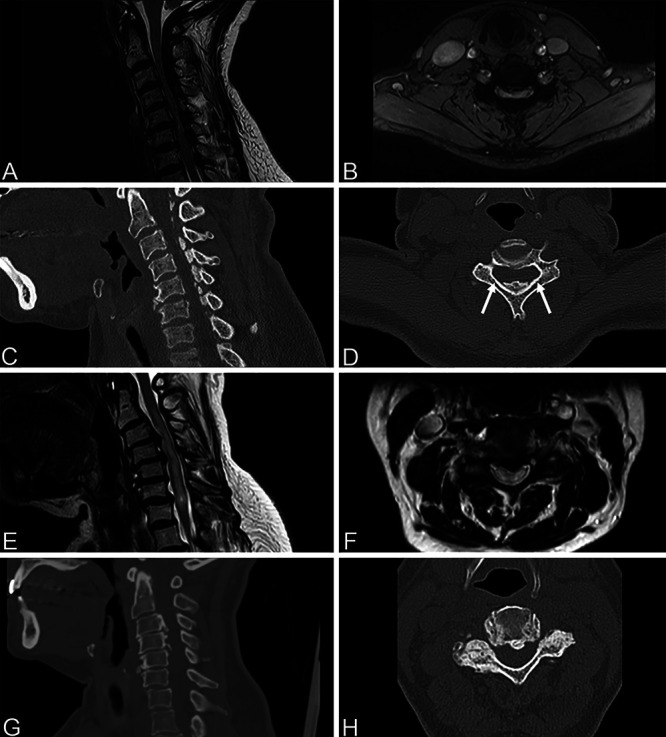
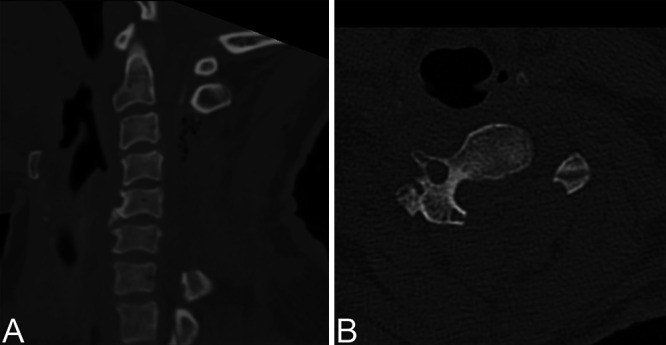
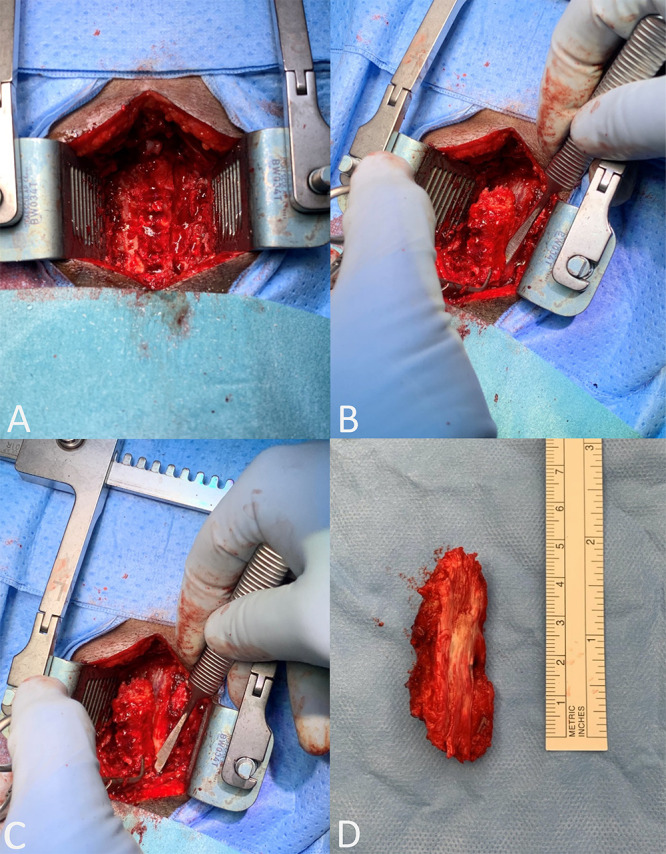
The authors presented two cases of delayed white cord syndrome after anterior and posterior cervical decompression surgery for symptomatic ossification of the posterior longitudinal ligament and ligamentum flavum, respectively. Neurological deficits manifested on postoperative day 2 (case 1) and day 8 (case 2). The patients' conditions were managed with high-dose corticosteroids, mean arterial pressure augmentation, and early physical therapy, after which they showed partial neurological recovery at discharge, which improved further by the 3-month follow-up visit.
The authors' aim was to raise awareness among spine surgeons about this rare but severe complication of cervical decompressive surgery and to emphasize the mainstays of treatment based on current best evidence: high-dose corticosteroids, mean arterial pressure augmentation, and early physical therapy.
白脊髓综合征是颈椎减压手术一种极其罕见的并发症,其特征是术后出现严重神经功能缺损,却无明显手术并发症。它因术后磁共振成像上特征性的缺血性水肿髓内T2高信号而得名,被认为是由缺血再灌注损伤所致。神经功能缺损通常在术后立即出现,延迟发生仅报道过一次。
作者分别报告了两例因症状性后纵韧带和黄韧带骨化行颈椎前后路减压手术后发生延迟性白脊髓综合征的病例。神经功能缺损分别在术后第2天(病例1)和第8天(病例2)出现。患者接受了大剂量皮质类固醇、平均动脉压升高及早期物理治疗,出院时神经功能有部分恢复,在3个月随访时进一步改善。
作者旨在提高脊柱外科医生对颈椎减压手术这种罕见但严重并发症的认识,并基于当前最佳证据强调主要治疗方法:大剂量皮质类固醇、平均动脉压升高及早期物理治疗。