Trevathan Jarrod, Schmidtke Simon
Institute for Integrated and Intelligent Systems, Griffith University, Brisbane, Queensland Australia.
Substation33, Logan, Queensland, Australia.
HardwareX. 2022 Jul 12;12:e00336. doi: 10.1016/j.ohx.2022.e00336. eCollection 2022 Oct.
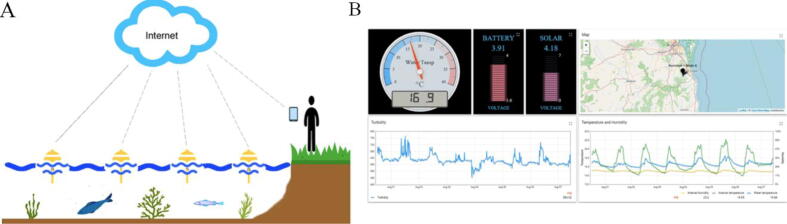
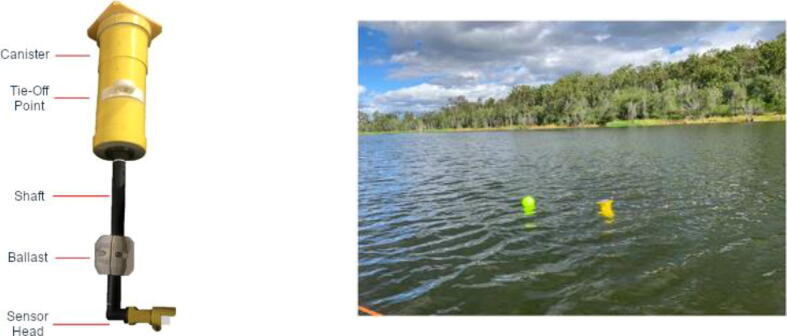
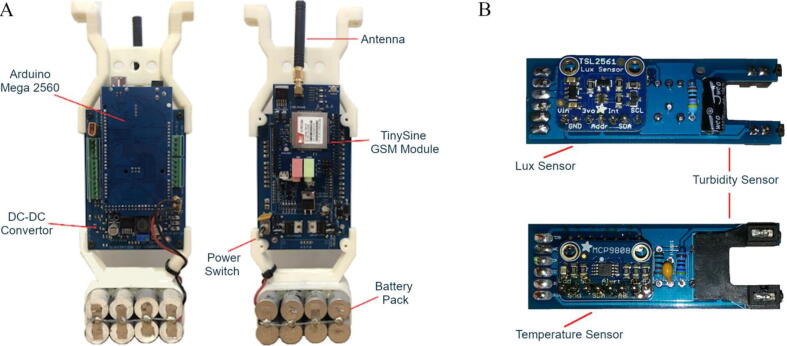
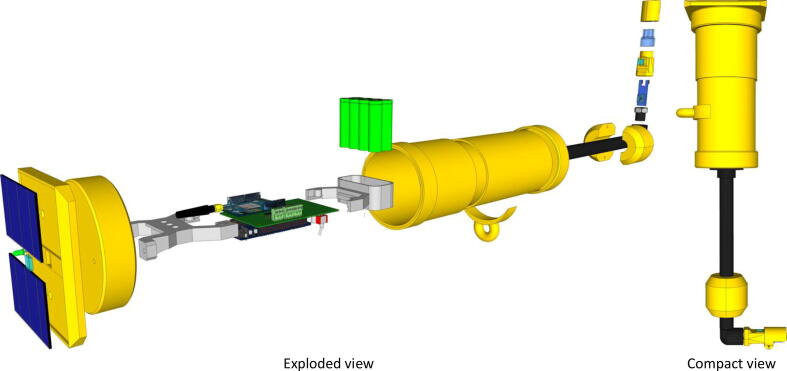
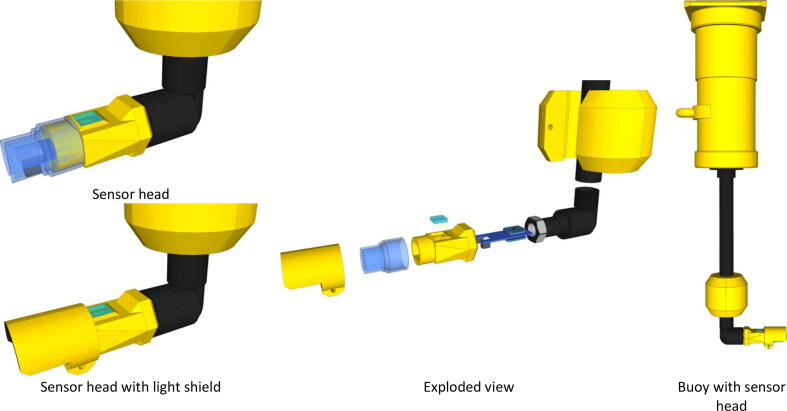
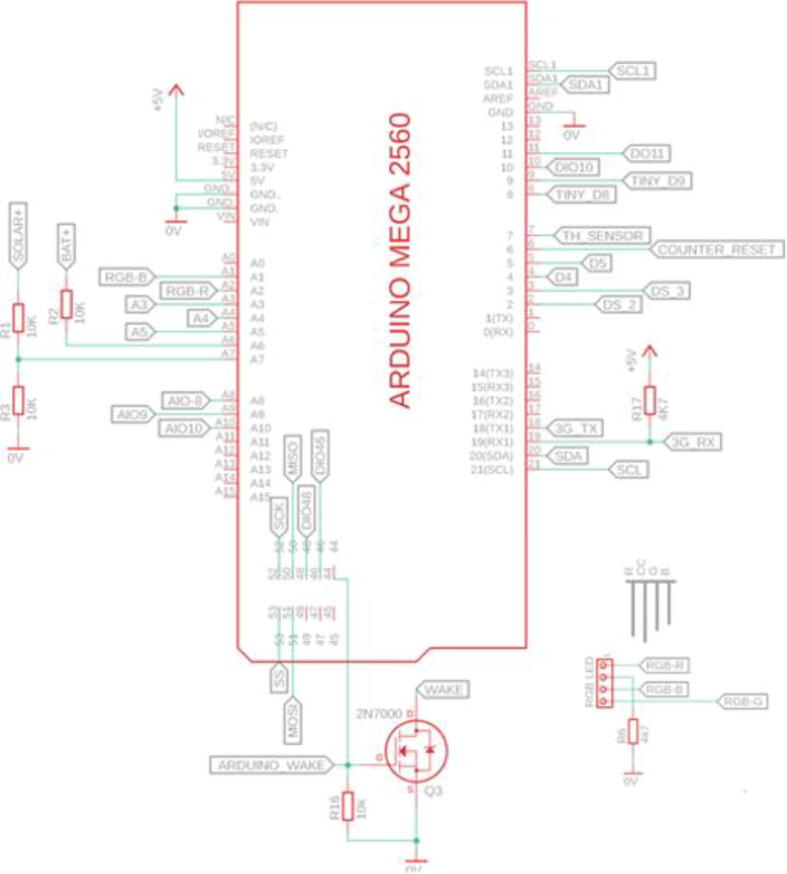
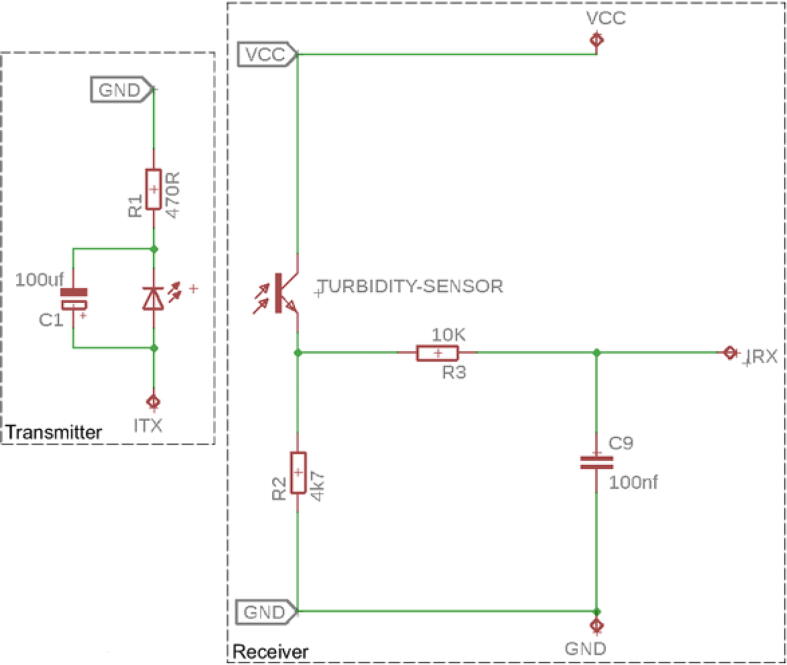
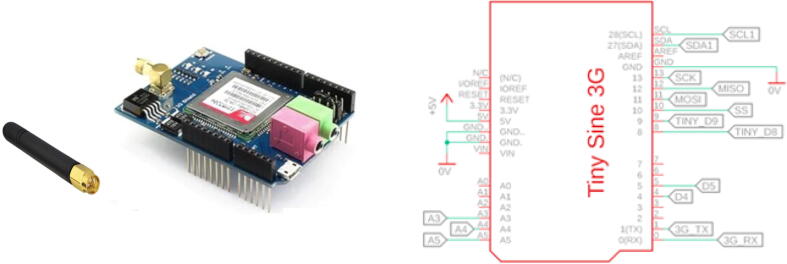
This paper details the physical and hardware design of a flexible open-source IoT (Internet of Things) platform for environmental sensing. The application is a remote water quality monitoring buoy that can be deployed in calm, shallow near-shore aquatic environments with fresh or brackish water. The system's development has been informed by experience through conducting multiple actual water quality studies over a prolonged period. The system runs an Arduino Mega 2560 microcontroller using off-the-shelf Adafruit lux and temperature sensors. A light attenuation turbidity sensor is adapted and integrated into the design. A TinySine 3G GSM module transmits data to a server that is displayed via a ThingsBoard IoT dashboard. The system is stable over time, provides reliable remote sensor readings, has low energy consumption, and is powered by renewable energy (up-cycled batteries). The hardware aspires to be general-purpose so that future environmental monitoring applications can repurpose the electronics by adding new compatible sensors and modifying the physical design to match the requirements.
本文详细介绍了一种用于环境传感的灵活开源物联网(IoT)平台的物理和硬件设计。该应用是一个远程水质监测浮标,可部署在淡水或微咸水的平静、浅水近岸水生环境中。该系统的开发得益于长期进行多次实际水质研究的经验。该系统使用现成的Adafruit光照和温度传感器运行Arduino Mega 2560微控制器。一个光衰减浊度传感器被适配并集成到设计中。一个TinySine 3G GSM模块将数据传输到通过ThingsBoard物联网仪表板显示的服务器。该系统长期稳定,提供可靠的远程传感器读数,能耗低,并由可再生能源(回收电池)供电。硬件旨在通用,以便未来的环境监测应用可以通过添加新的兼容传感器并修改物理设计以满足要求来重新利用这些电子设备。