Zhao Kai, Li Xiangyu, Shi Yuanxin, Lu Yun, Qiu Peng, Deng Zhengdong, Yao Wei, Wang Jianming
Department of Biliary and Pancreatic Surgery/Cancer Research Center Affiliated Tongji Hospital, Tongji Medical College, Huazhong University of Science and Technology, Wuhan, China.
Department of Oncology Affiliated Tongji Hospital, Tongji Medical College, Huazhong University of Science and Technology, Wuhan, China.
Front Genet. 2022 Jul 6;13:899496. doi: 10.3389/fgene.2022.899496. eCollection 2022.
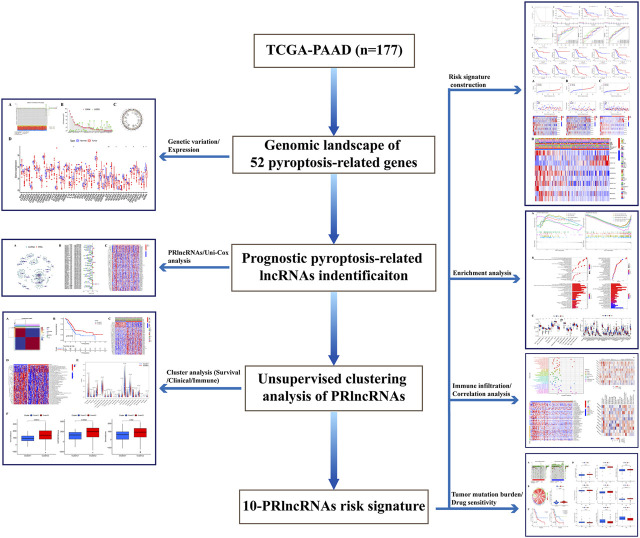
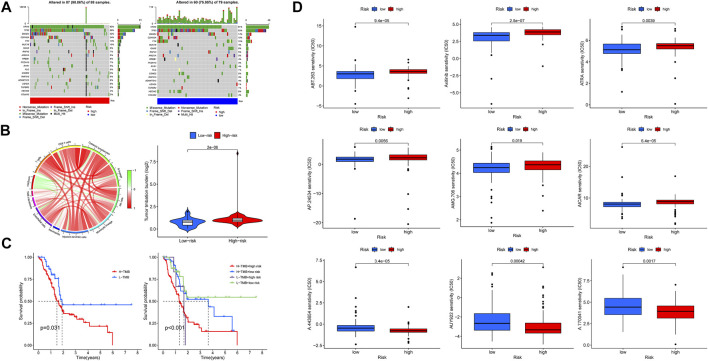
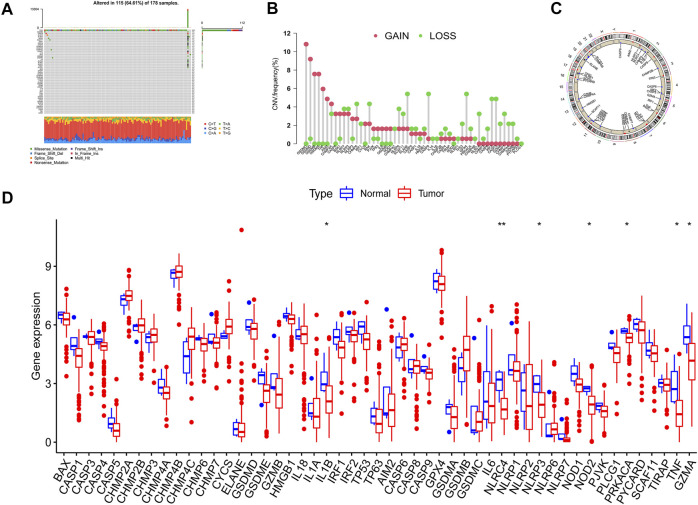
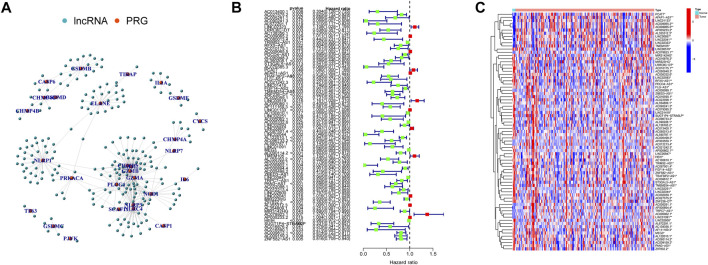
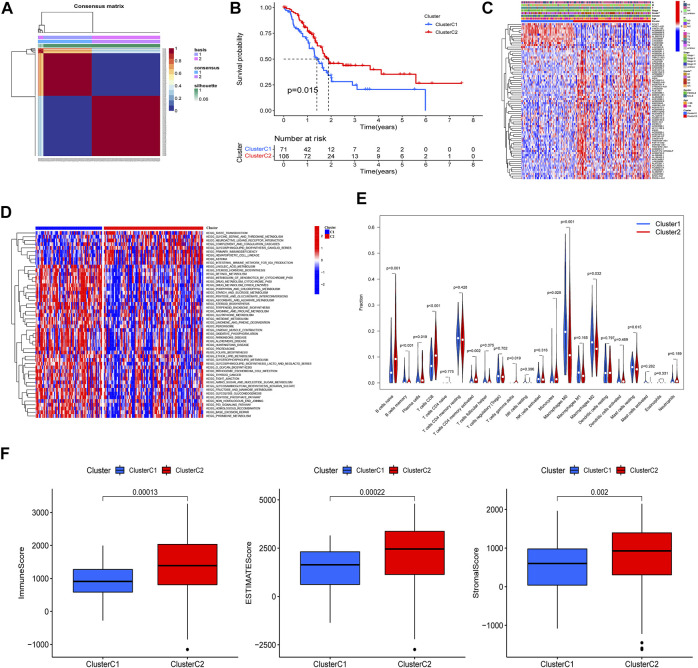
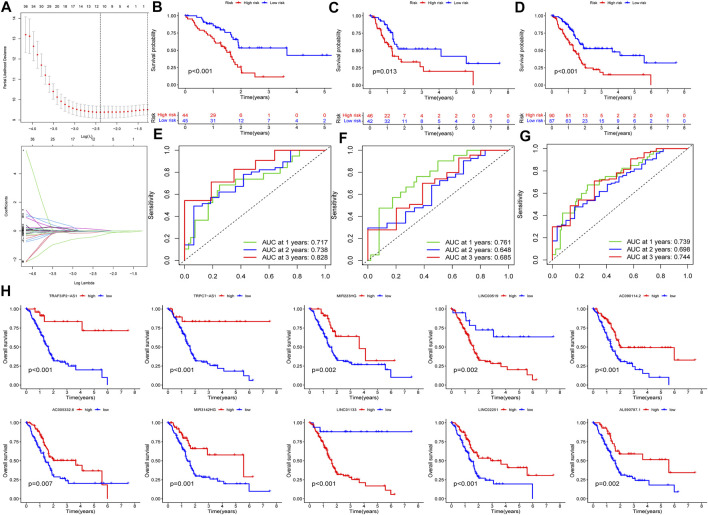
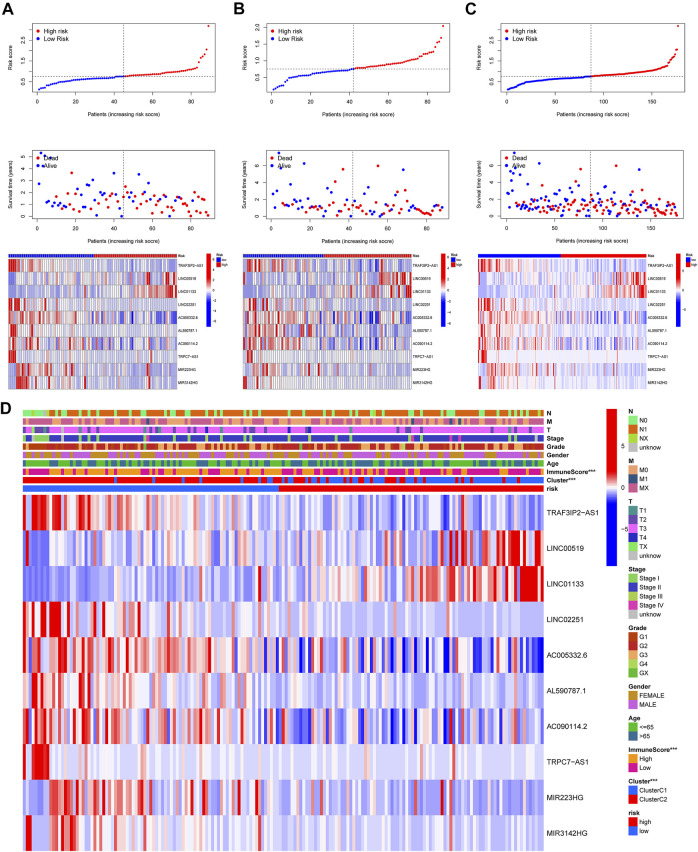
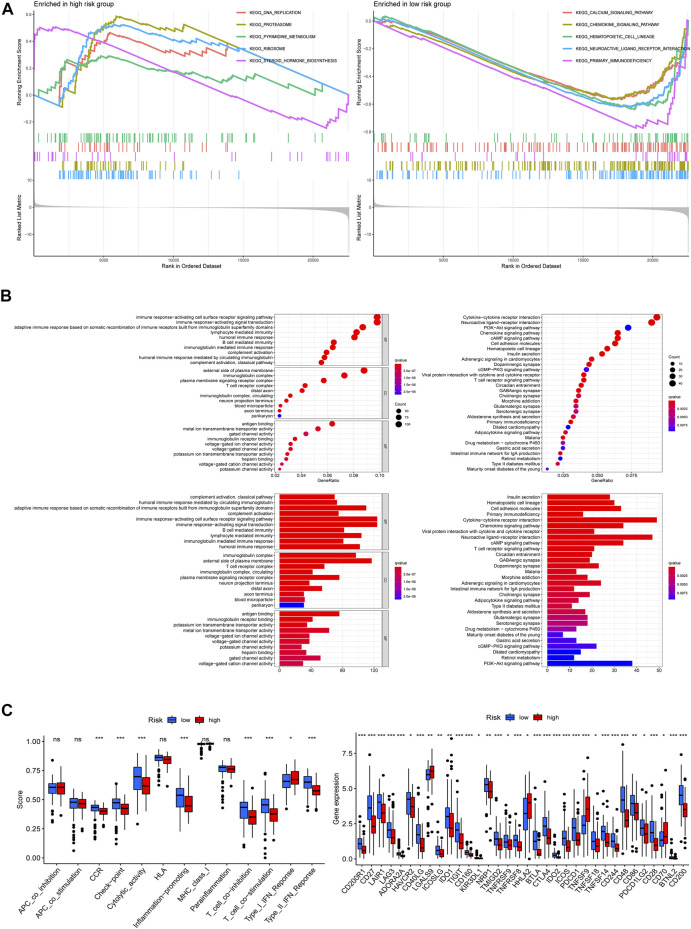
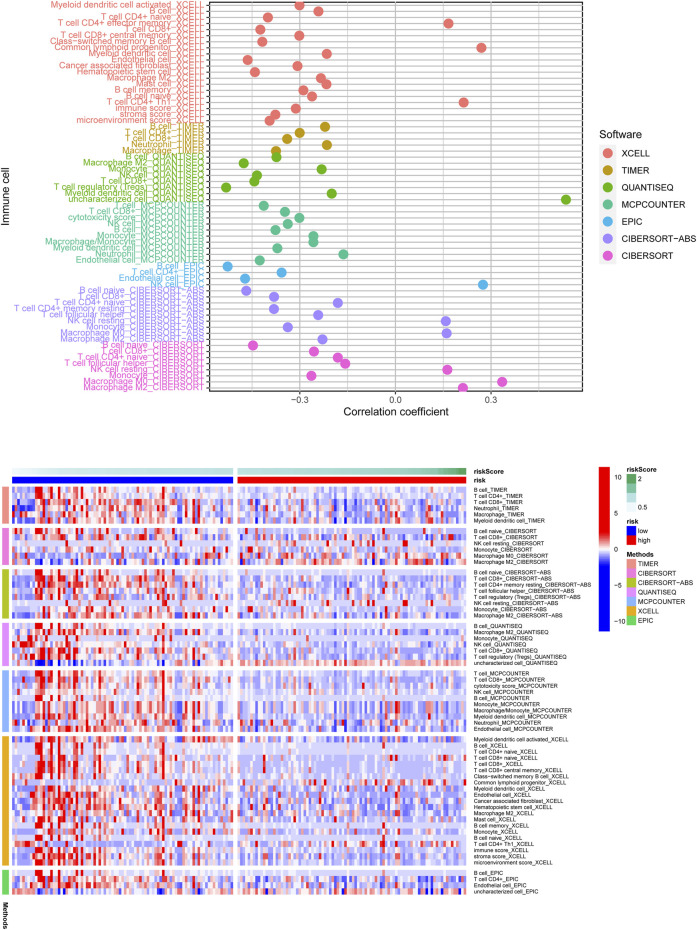
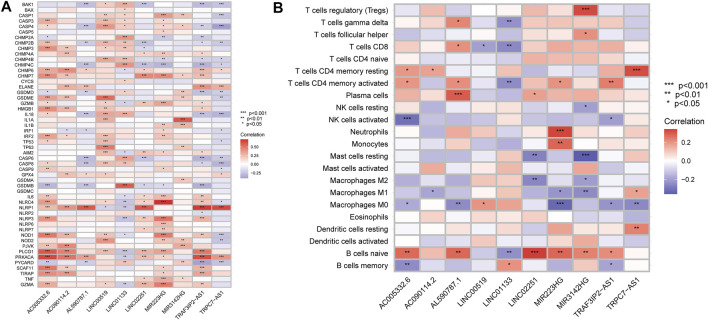
Globally, pancreatic adenocarcinoma (PAAD) is a common and highly devastating gastrointestinal malignancy that seriously threatens human health. Pyroptosis refers to an emerging form of programmed cell death that has been discovered in recent years, and studies have demonstrated that long non-coding RNA (lncRNA) may act as a moderator in the pyroptosis process of cancer cells. However, relevant explorations about lncRNAs and pyroptosis are still insufficient in PAAD. Therefore, our research is designed to make a comprehensive analysis of the potential values of pyroptosis-related lncRNAs in PAAD. By integrating the RNA-sequencing, somatic mutation, and copy number variation (CNV) datasets, as well as the clinicopathological features, we established and validated a risk signature based on pyroptosis-related lncRNAs, and comprehensively analyzed its clinical significance and the potential connection with the tumor immune microenvironment (TIME). The genetic variation landscape displayed that the somatic mutations were rare while CNV changes were general and mainly concentrated on copy number amplification of these 52 pyroptosis-related genes. Subsequently, a risk signature consisting of 10 lncRNAs (TRAF3IP2-AS1, LINC00519, LINC01133, LINC02251, AC005332.6, AL590787.1, AC090114.2, TRPC7-AS1, MIR223HG, and MIR3142HG) was constructed and patients were divided into different subgroups according to the median risk score; patients with high-risk scores presented worse outcomes compared to those with low-risk scores in the training, testing, and entire cohorts. Furthermore, patients at low-risk scores possessed a higher infiltration abundance of immune cells compared with high-risk patients, which was consistent with the expression levels of lncRNAs between the high/low-risk groups. Drug sensitivity analysis showed that low-risk scores were related to anti-cancer agents like AICAR and Axitinib, whereas high-risk scores were connected with certain drugs such as AUY922. These results demonstrated that our risk signature could be used for prognosis prediction; additionally, it was also related to the TIME that might act as a potential indicator to instruct immunotherapeutic strategies. This work explored the significance of the risk model constructed by pyroptosis-related lncRNAs in prognosis prediction and its internal link with the immune microenvironment of PAAD. The results are expected to assist in the diagnosis, prognostic assessment, and management of patients with PAAD.
在全球范围内,胰腺腺癌(PAAD)是一种常见且极具破坏性的胃肠道恶性肿瘤,严重威胁人类健康。细胞焦亡是近年来发现的一种新的程序性细胞死亡形式,研究表明长链非编码RNA(lncRNA)可能在癌细胞的细胞焦亡过程中起调节作用。然而,在PAAD中,关于lncRNA与细胞焦亡的相关探索仍不充分。因此,我们的研究旨在全面分析细胞焦亡相关lncRNA在PAAD中的潜在价值。通过整合RNA测序、体细胞突变和拷贝数变异(CNV)数据集以及临床病理特征,我们建立并验证了一种基于细胞焦亡相关lncRNA的风险特征,并全面分析了其临床意义以及与肿瘤免疫微环境(TIME)的潜在联系。基因变异图谱显示,体细胞突变罕见,而CNV变化普遍,主要集中在这52个细胞焦亡相关基因的拷贝数扩增上。随后,构建了一个由10个lncRNA组成的风险特征(TRAF3IP2-AS1、LINC00519、LINC01133、LINC02251、AC005332.6、AL590787.1、AC090114.2、TRPC7-AS1、MIR223HG和MIR3142HG),并根据中位风险评分将患者分为不同亚组;在训练集、测试集和整个队列中,高风险评分的患者与低风险评分的患者相比预后更差。此外,低风险评分的患者与高风险患者相比,免疫细胞浸润丰度更高,这与高/低风险组之间lncRNA的表达水平一致。药物敏感性分析表明,低风险评分与AICAR和阿昔替尼等抗癌药物相关,而高风险评分与AUY922等某些药物相关。这些结果表明,我们的风险特征可用于预后预测;此外,它还与TIME相关,可能作为指导免疫治疗策略的潜在指标。这项工作探讨了由细胞焦亡相关lncRNA构建的风险模型在PAAD预后预测中的意义及其与免疫微环境的内在联系。预期这些结果将有助于PAAD患者的诊断、预后评估和管理。