Kohli Manu, Kar Arpan Kumar, Bangalore Anjali, Ap Prathosh
Indian Institute of Technology-Delhi, Department of Management Studies, IV Floor, Vishwakarma Bhavan, Shaheed Jeet Singh Marg, Hauz Khas, New Delhi, 110016, India.
ICON Centre, K. M. Chavan chawk, Shivajinagar Road, Garkheda, Aurangabad, 431005, India.
Brain Inform. 2022 Jul 25;9(1):16. doi: 10.1186/s40708-022-00164-6.
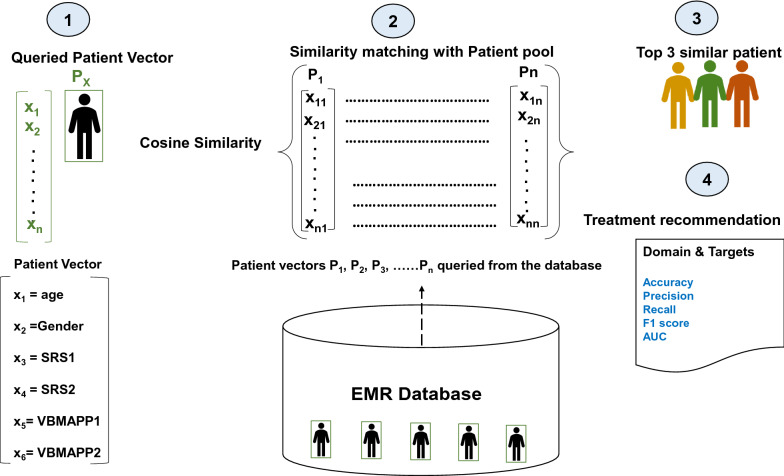
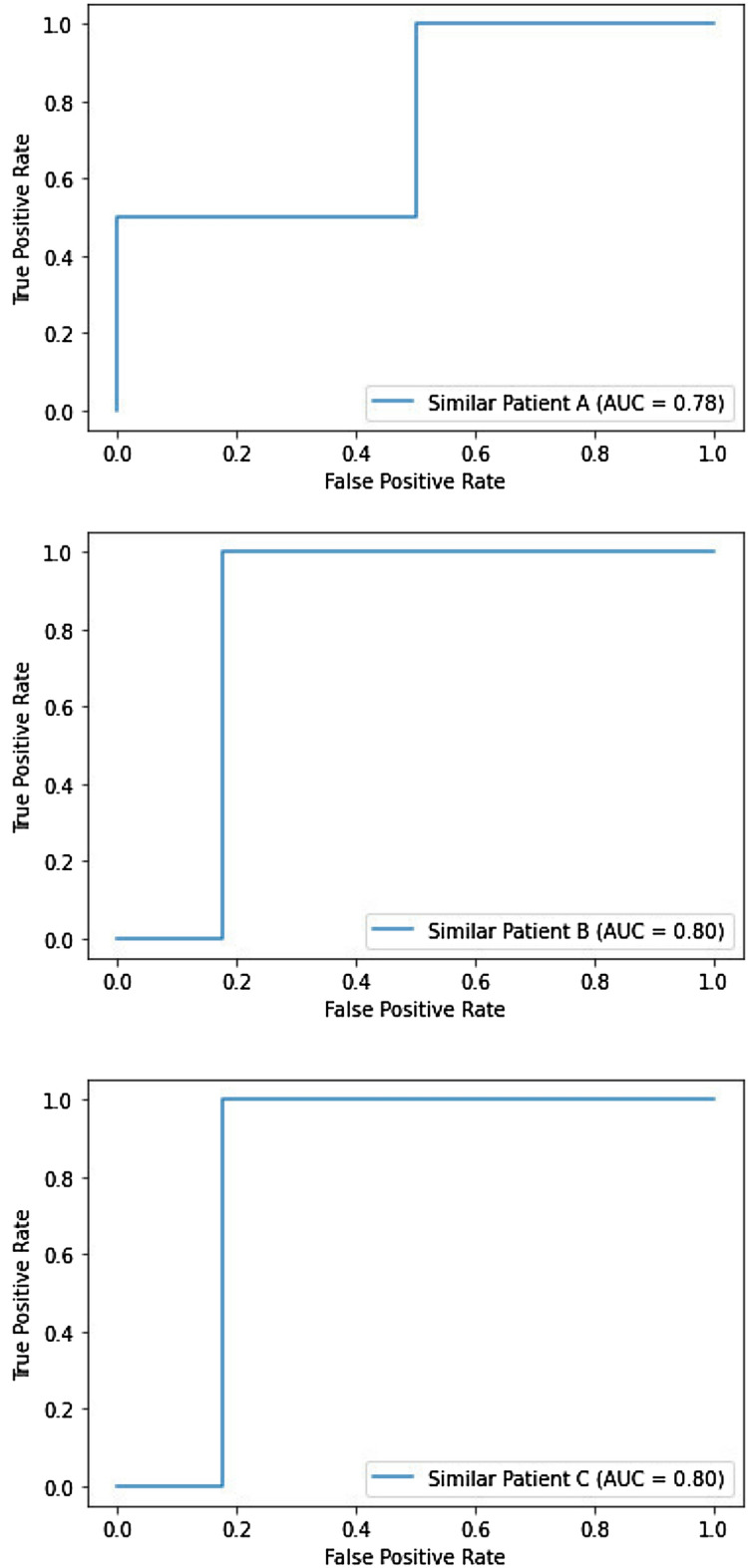
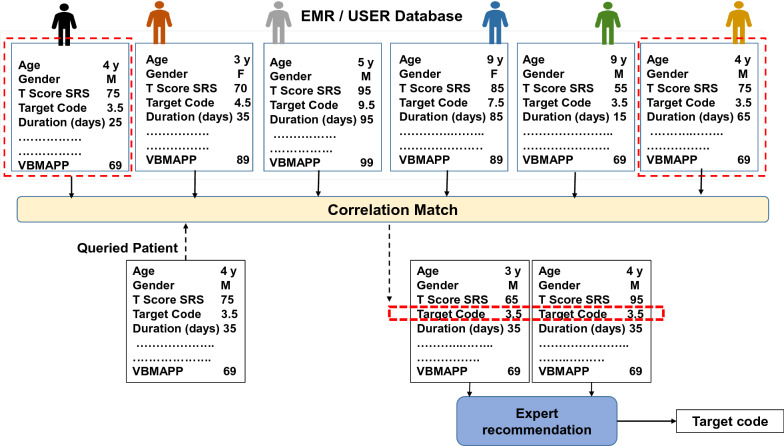
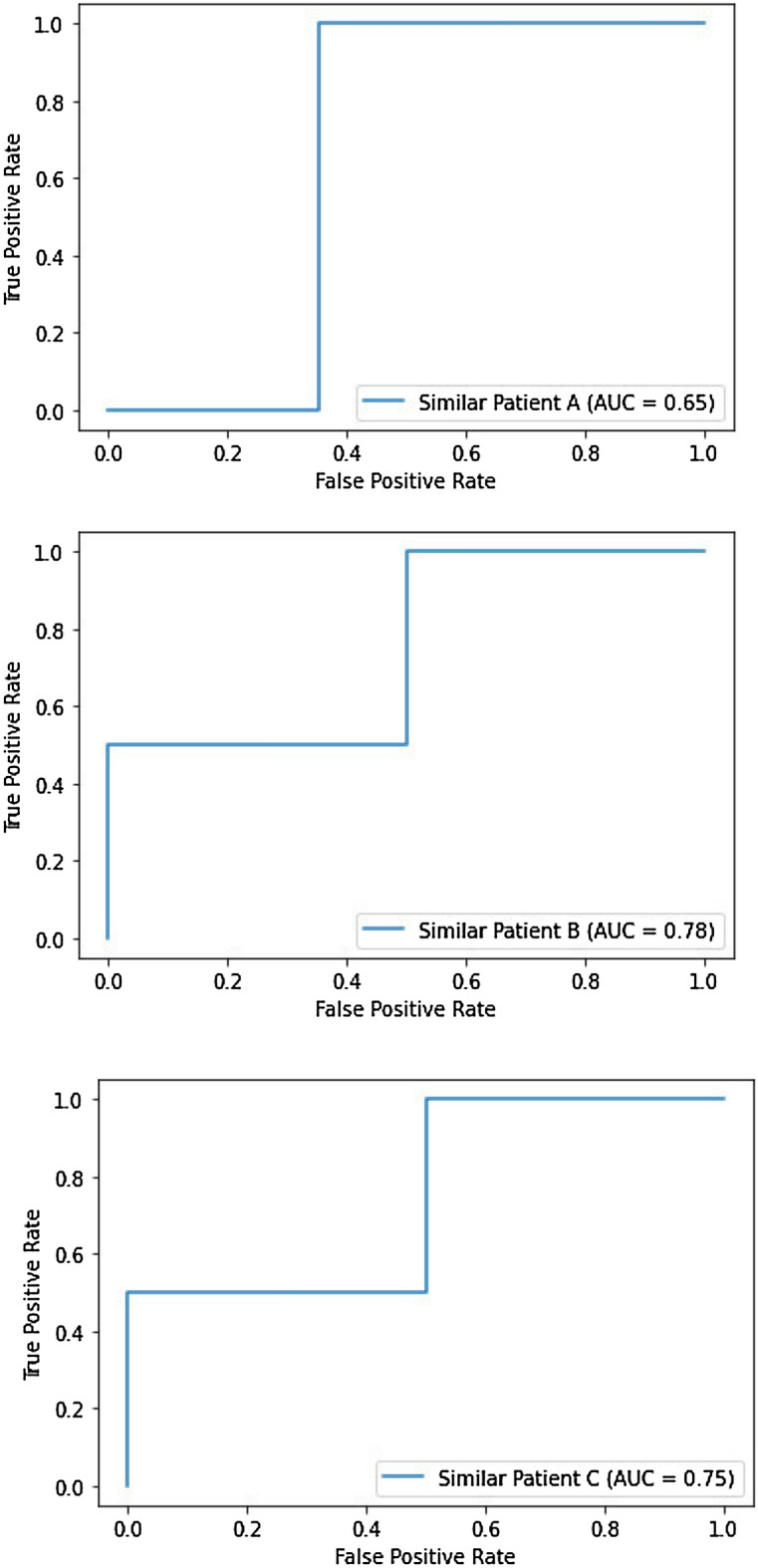
Autism spectrum is a brain development condition that impairs an individual's capacity to communicate socially and manifests through strict routines and obsessive-compulsive behavior. Applied behavior analysis (ABA) is the gold-standard treatment for autism spectrum disorder (ASD). However, as the number of ASD cases increases, there is a substantial shortage of licensed ABA practitioners, limiting the timely formulation, revision, and implementation of treatment plans and goals. Additionally, the subjectivity of the clinician and a lack of data-driven decision-making affect treatment quality. We address these obstacles by applying two machine learning algorithms to recommend and personalize ABA treatment goals for 29 study participants with ASD. The patient similarity and collaborative filtering methods predicted ABA treatment with an average accuracy of 81-84%, with a normalized discounted cumulative gain of 79-81% (NDCG) compared to clinician-prepared ABA treatment recommendations. Additionally, we assess the two models' treatment efficacy (TE) by measuring the percentage of recommended treatment goals mastered by the study participants. The proposed treatment recommendation and personalization strategy are generalizable to other intervention methods in addition to ABA and for other brain disorders. This study was registered as a clinical trial on November 5, 2020 with trial registration number CTRI/2020/11/028933.
自闭症谱系障碍是一种大脑发育状况,会损害个体的社交沟通能力,并通过严格的日常行为和强迫行为表现出来。应用行为分析(ABA)是自闭症谱系障碍(ASD)的金标准治疗方法。然而,随着ASD病例数量的增加,有执照的ABA从业者严重短缺,这限制了治疗计划和目标的及时制定、修订和实施。此外,临床医生的主观性以及缺乏数据驱动的决策会影响治疗质量。我们通过应用两种机器学习算法为29名患有ASD的研究参与者推荐并个性化ABA治疗目标,以解决这些障碍。与临床医生制定的ABA治疗建议相比,患者相似度和协同过滤方法预测ABA治疗的平均准确率为81 - 84%,归一化折损累计增益为79 - 81%(NDCG)。此外,我们通过测量研究参与者掌握的推荐治疗目标的百分比来评估这两种模型的治疗效果(TE)。除了ABA之外,所提出的治疗推荐和个性化策略还可推广到其他干预方法以及其他脑部疾病。本研究于2020年11月5日注册为一项临床试验,试验注册号为CTRI/2020/11/028933。