Maillard Jean-Yves
School of Pharmacy and Pharmaceutical Sciences, Cardiff University, Cardiff, UK.
J Appl Microbiol. 2022 Dec;133(6):3322-3346. doi: 10.1111/jam.15739. Epub 2022 Sep 7.
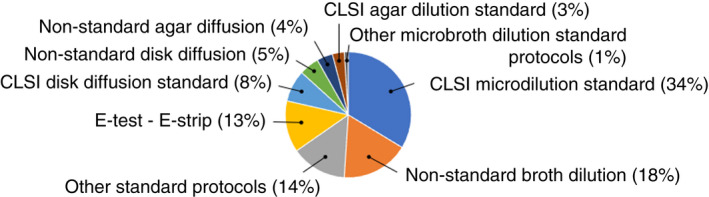
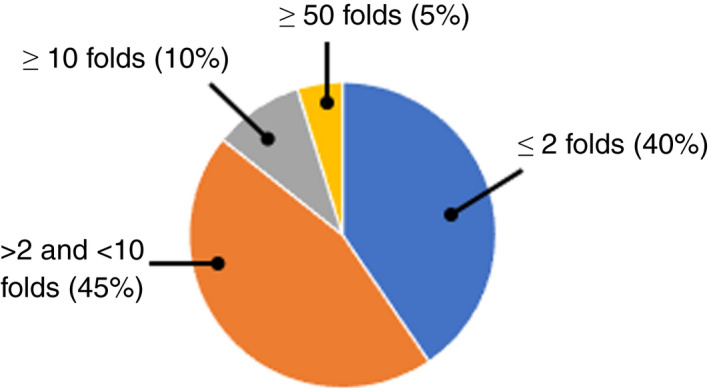
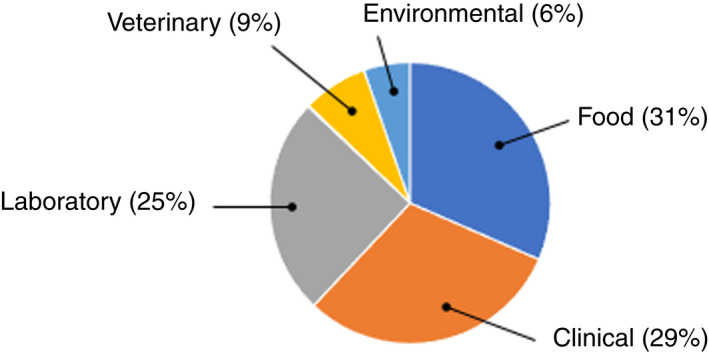
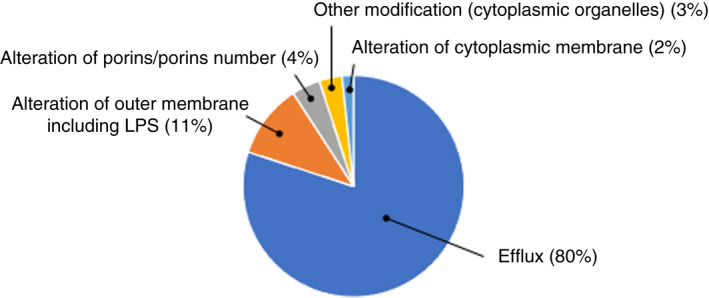
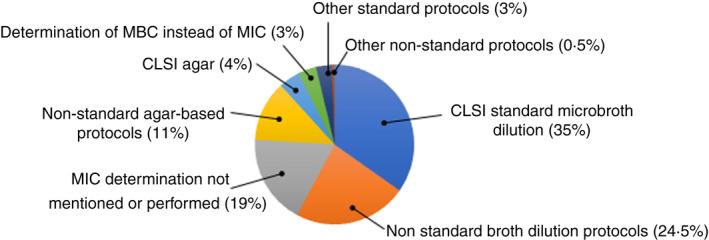
This review examined 3655 articles on benzalkonium chloride (BKC), benzethonium chloride (BZT) and chloroxylenol (CHO) aiming to understand their impact on antimicrobial resistance. Following the application of inclusion/exclusion criteria, only 230 articles were retained for analysis; 212 concerned BKC, with only 18 for CHO and BZT. Seventy-eight percent of studies used MIC to measure BKC efficacy. Very few studies defined the term 'resistance' and 85% of studies defined 'resistance' as <10-fold increase (40% as low as 2-fold) in MIC. Only a few in vitro studies reported on formulated products and when they did, products performed better. In vitro studies looking at the impact of BKC exposure on bacterial resistance used either a stepwise training protocol or exposure to constant BKC concentrations. In these, BKC exposure resulted in elevated MIC or/and MBC, often associated with efflux, and at time, a change in antibiotic susceptibility profile. The clinical relevance of these findings was, however, neither reported nor addressed. Of note, several studies reported that bacterial strains with an elevated MIC or MBC remained susceptible to the in-use BKC concentration. BKC exposure was shown to reduce bacterial diversity in complex microbial microcosms, although the clinical significance of such a change has not been established. The impact of BKC exposure on the dissemination of resistant genes (notably efflux) remains speculative, although it manifests that clinical, veterinary and food isolates with elevated BKC MIC carried multiple efflux pump genes. The correlation between BKC usage and gene carriage, maintenance and dissemination has also not been established. The lack of clinical interpretation and significance in these studies does not allow to establish with certainty the role of BKC on AMR in practice. The limited literature and BZT and CHO do not allow to conclude that these will impact negatively on emerging bacterial resistance in practice.
本综述检索了3655篇关于苯扎氯铵(BKC)、苄索氯铵(BZT)和对氯间二甲苯酚(CHO)的文章,旨在了解它们对抗菌药物耐药性的影响。应用纳入/排除标准后,仅保留了230篇文章进行分析;其中212篇涉及BKC,仅有18篇涉及CHO和BZT。78%的研究使用最低抑菌浓度(MIC)来衡量BKC的疗效。很少有研究对“耐药性”一词进行定义,85%的研究将“耐药性”定义为MIC升高<10倍(40%低至2倍)。只有少数体外研究报道了配方产品,且报道时产品表现更佳。研究BKC暴露对细菌耐药性影响的体外研究,要么采用逐步驯化方案,要么使细菌暴露于恒定的BKC浓度下。在这些研究中,BKC暴露导致MIC或/和最低杀菌浓度(MBC)升高,通常与外排有关,有时还会导致抗生素敏感性谱的改变。然而,这些发现的临床相关性既未被报道,也未得到探讨。值得注意的是,几项研究报告称,MIC或MBC升高的细菌菌株对实际使用的BKC浓度仍敏感。在复杂的微生物群落中,BKC暴露可降低细菌多样性,尽管这种变化的临床意义尚未明确。BKC暴露对抗性基因(尤其是外排基因)传播的影响仍具有推测性,尽管有证据表明BKC MIC升高的临床、兽医和食品分离株携带多个外排泵基因。BKC使用与基因携带、维持和传播之间的相关性也未得到证实。这些研究缺乏临床解读和意义,无法确定BKC在实际中对耐药性的作用。关于BZT和CHO的文献有限,无法得出它们在实际中会对新出现的细菌耐药性产生负面影响的结论。