Biomedical Engineering Laboratory, Department of Biomedical Engineering, Federal University of Pernambuco, Av. Prof. Moraes Rego, 1235, Recife 50670-901, Brazil.
Institute of Chemistry, State University of São Paulo (UNESP), Araraquara 14801-970, Brazil.
Biosensors (Basel). 2022 Jul 21;12(7):545. doi: 10.3390/bios12070545.
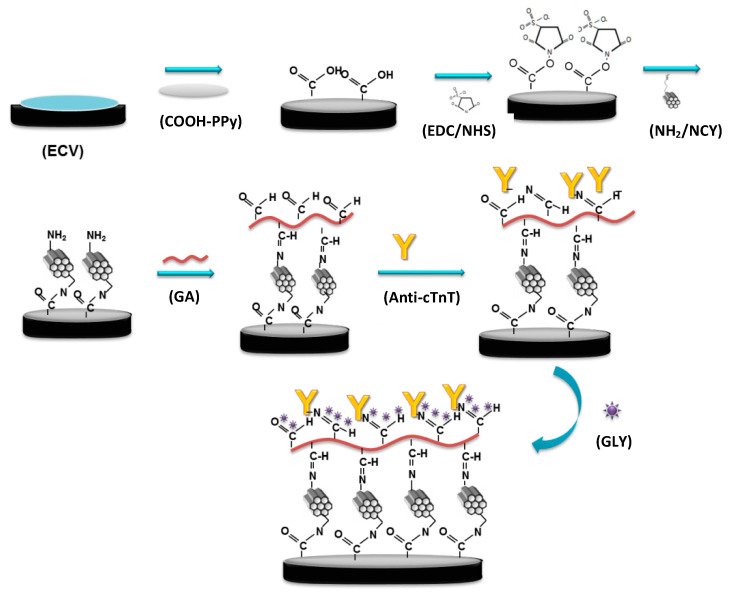
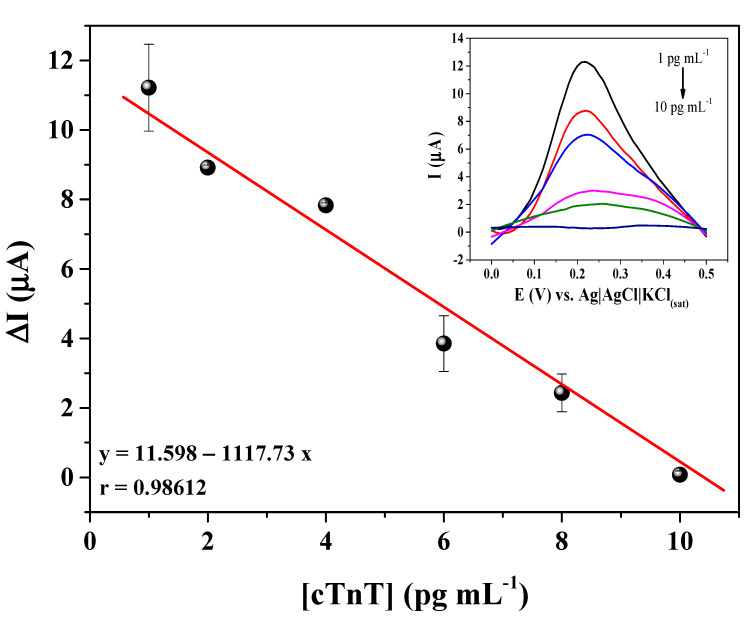
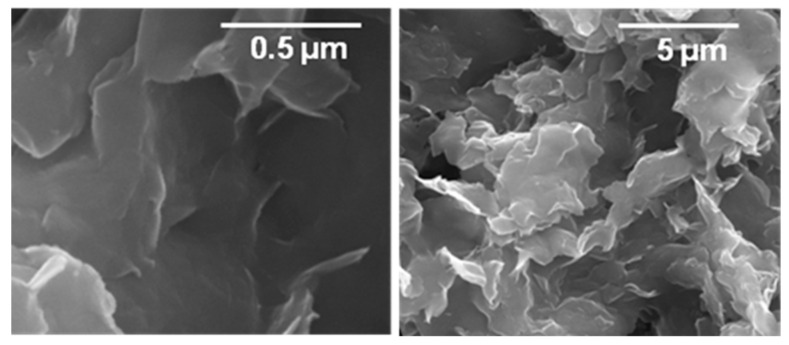
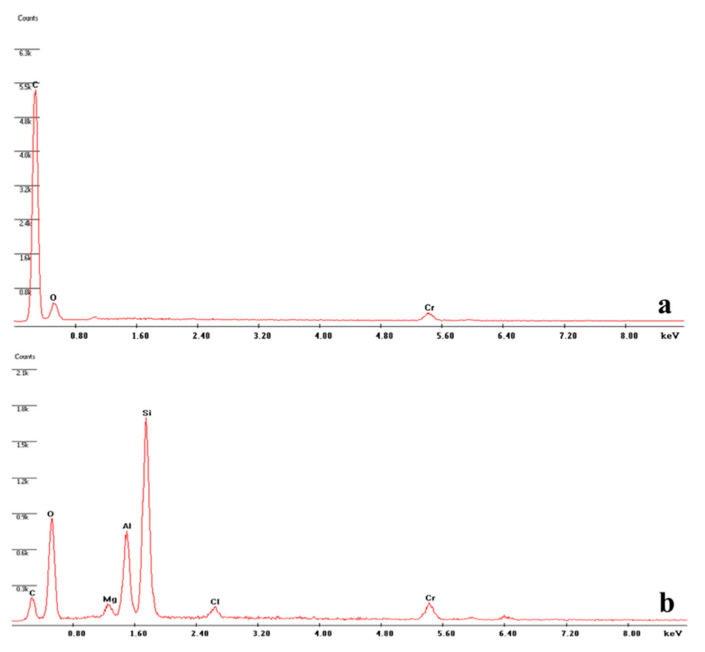
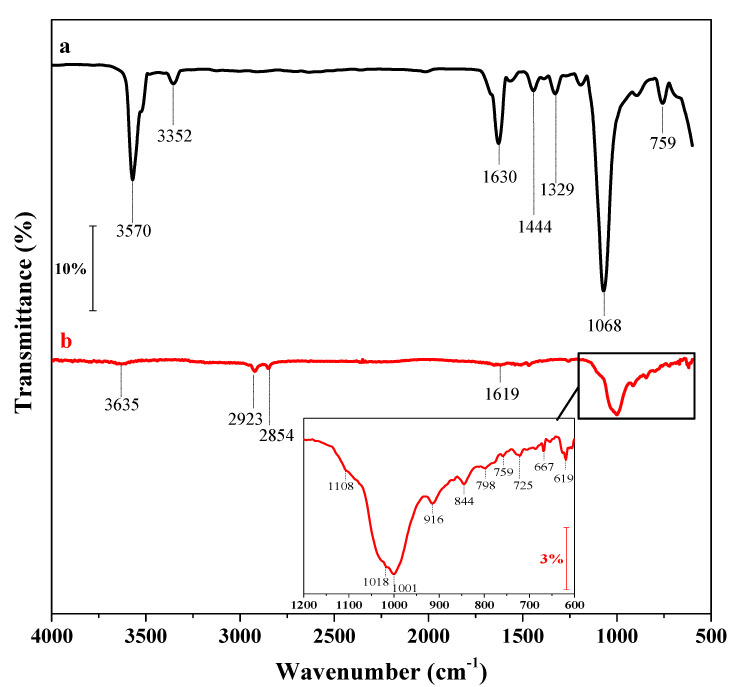
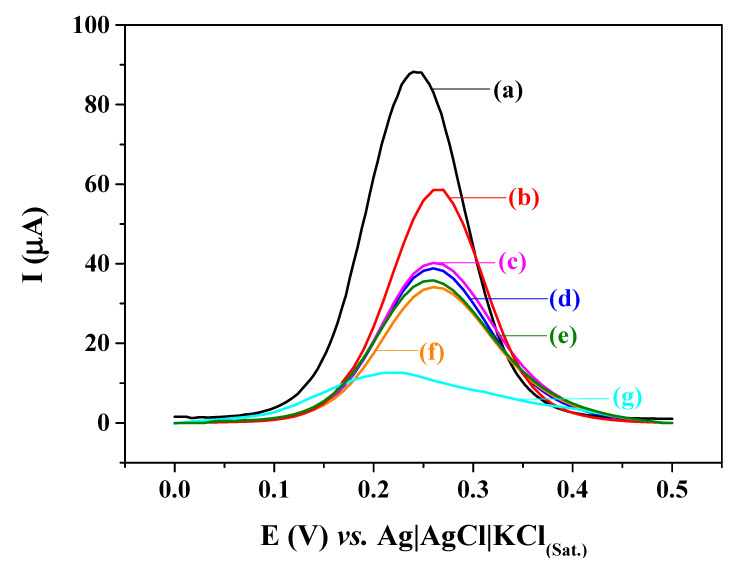
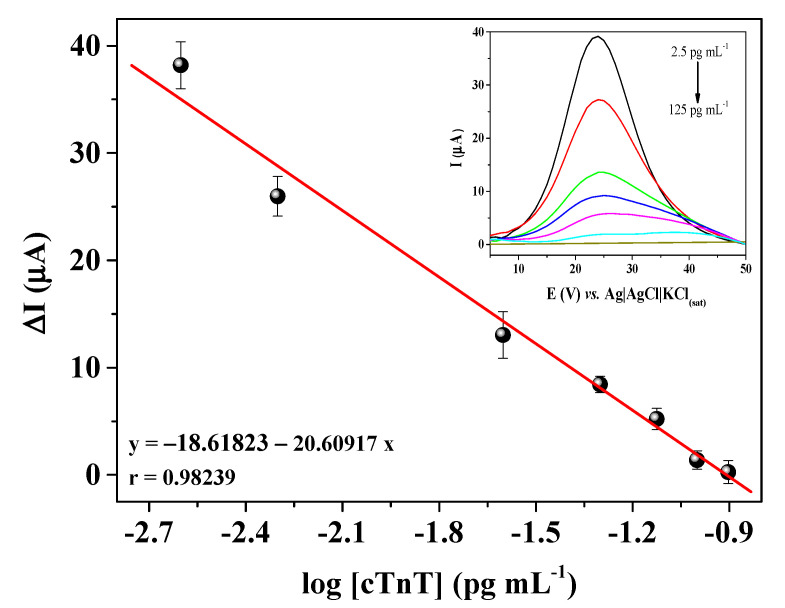
An electrochemical immunosensor based on a nanohybrid film of carboxylated polypyrrole and amine nanoclay was developed for label-free detection of the human cardiac troponin T (cTnT). The nanohybrid film was formed in situ on the surface of the glassy carbon electrode, followed by the covalent immobilization of anti-troponin T antibodies by glutaraldehyde. Morphological and chemical characterizations of the nanohybrid film were performed by scanning electron microscopy and Fourier-transform infrared spectroscopy. Under the optimized conditions, a calibration curve for cTnT in spiked serum was obtained by square wave voltammetry, and a low limit of detection and quantification was achieved (0.35 and 1.05 pg mL, respectively). This was the first time that this type of nanohybrid film was used in the development of an immunosensor for cTnT that proved to be a simple and efficient strategy for the manufacture of a label-free electrochemical device that could be applied in the diagnosis of acute myocardial infarction.
基于羧基化聚吡咯和胺纳米粘土纳米杂化膜的电化学免疫传感器被开发用于无标记检测人心肌肌钙蛋白 T(cTnT)。纳米杂化膜在玻碳电极表面原位形成,然后通过戊二醛将抗肌钙蛋白 T 抗体共价固定化。通过扫描电子显微镜和傅里叶变换红外光谱对纳米杂化膜进行形貌和化学表征。在优化条件下,通过方波伏安法获得了加标血清中 cTnT 的校准曲线,检测限和定量限均较低(分别为 0.35 和 1.05 pg mL)。这是首次将这种纳米杂化膜用于开发用于 cTnT 的免疫传感器,事实证明,这是一种用于制造无标记电化学器件的简单有效的策略,可应用于急性心肌梗死的诊断。