Grushevskaya Svetlana, Belyanskaya Irina, Kozaderov Oleg
Department of Physical Chemistry, Faculty of Chemistry, Voronezh State University, 1 Universitetskaya pl., 394018 Voronezh, Russia.
Materials (Basel). 2022 Jul 14;15(14):4915. doi: 10.3390/ma15144915.
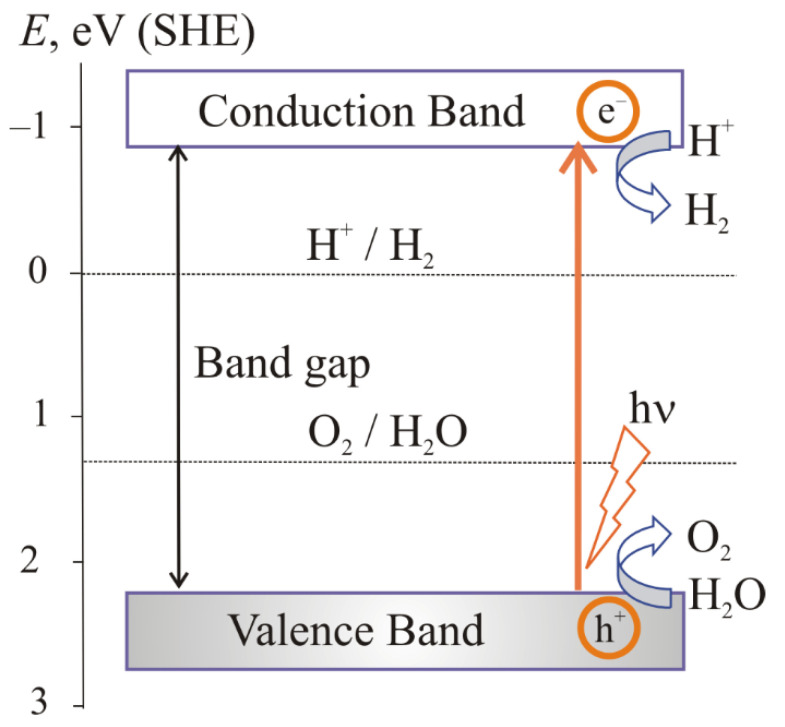
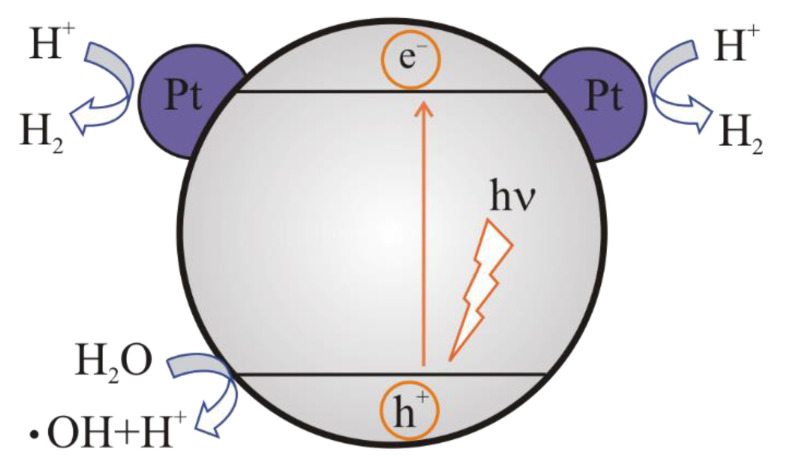
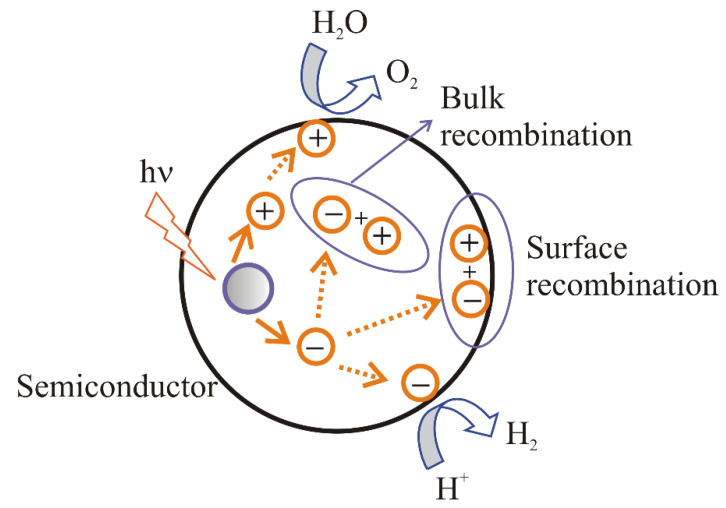
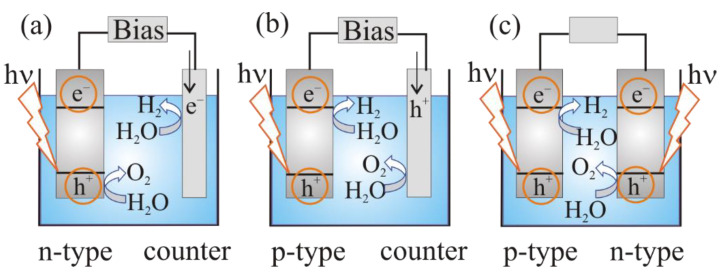
The constant increase in the amount of energy consumed and environmental problems associated with the use of fossil fuels determine the relevance of the search for alternative and renewable energy sources. One of these is hydrogen gas, which can be produced by sunlight-driven photocatalytic water splitting. The decisive role in the efficiency of the process is played by the properties of the photocatalyst. Oxide materials are widely used as photocatalysts due to their appropriate band structure, high-enough photochemical stability and corrosion resistance. However, the bandgap, crystallinity and the surface morphology of oxide materials are subject to improvement. Apart from the properties of the photocatalyst, the parameters of the process influence the hydrogen-production efficiency. This paper outlines the key ways to improve the characteristics of oxide-semiconductor photocatalysts with the optimum parameters of photocatalytic water splitting.
能源消耗的持续增长以及与化石燃料使用相关的环境问题,决定了寻找替代和可再生能源的重要性。其中之一是氢气,它可以通过阳光驱动的光催化水分解来产生。光催化剂的性能在该过程的效率中起着决定性作用。氧化物材料因其合适的能带结构、足够高的光化学稳定性和耐腐蚀性而被广泛用作光催化剂。然而,氧化物材料的带隙、结晶度和表面形态仍有待改进。除了光催化剂的性能外,该过程的参数也会影响产氢效率。本文概述了在光催化水分解的最佳参数下改善氧化物半导体光催化剂特性的关键方法。