Silva Leonardo Assis da, Lima Monique da Rocha Queiroz, de Camargo Brenda Rabello, Guimarães Dyeferson Kened da Silva Coelho, Barbastefano Anabele Azevedo Lima, Lima Raquel Curtinhas de, Damasco Paulo Vieira, Cunha Rivaldo Venâncio da, de Souza Luiz José, de Azeredo Elzinandes Leal, de-Oliveira-Pinto Luzia Maria, Nagata Tatsuya, Ardisson-Araújo Daniel M P, Dos Santos Flavia Barreto, Morais Ribeiro Bergmann
Laboratory of Baculovirus, Cell Biology Department, University of Brasilia, Brasilia 70910-900, DF, Brazil.
Viral Immunology Laboratory, Oswaldo Cruz Institute Rio de Janeiro, Oswaldo Cruz Foundation, Rio de Janeiro 21040-900, RJ, Brazil.
Microorganisms. 2022 Jul 18;10(7):1451. doi: 10.3390/microorganisms10071451.
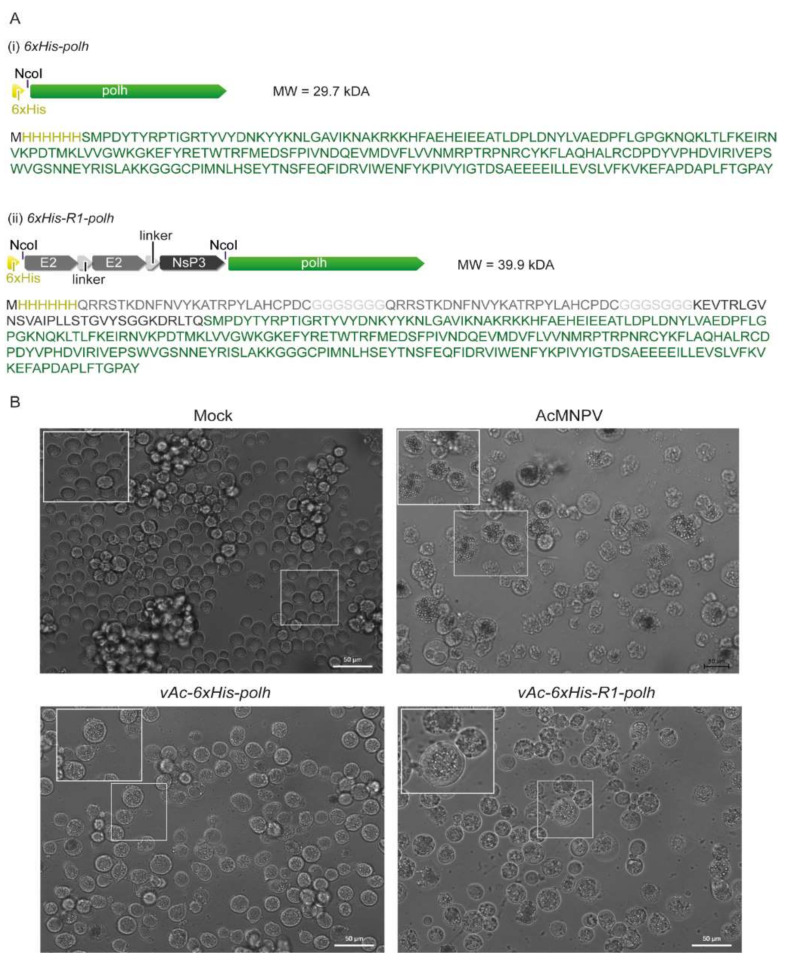
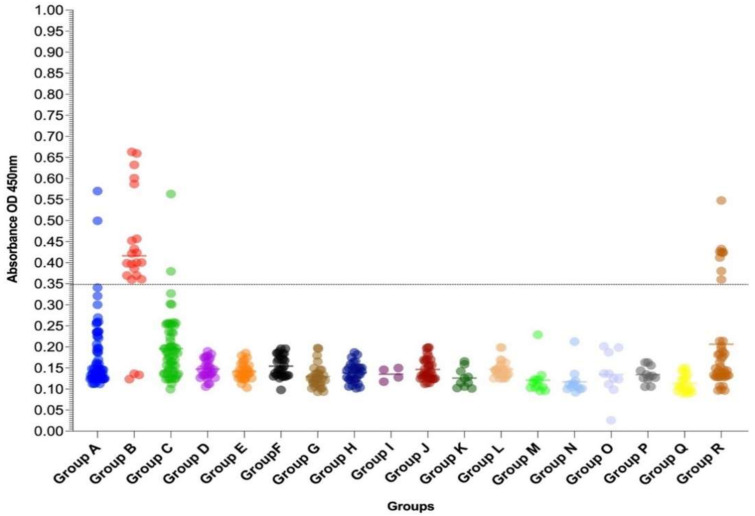
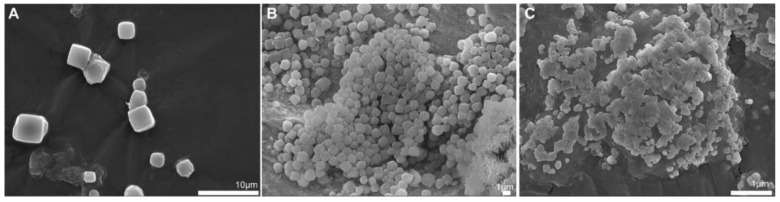
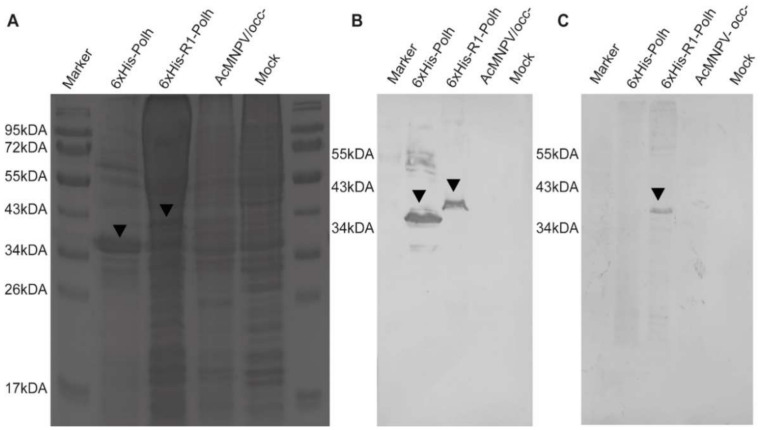
Chikungunya virus (CHIKV) is an arbovirus currently distributed worldwide, causing a disease that shares clinical signs and symptoms with other illnesses, such as dengue and Zika and leading to a challenging clinical differential diagnosis. In Brazil, CHIKV emerged in 2014 with the simultaneous introduction of both Asian and East/Central/South African (ECSA) genotypes. Laboratorial diagnosis of CHIKV is mainly performed by molecular and serological assays, with the latter more widely used. Although many commercial kits are available, their costs are still high for many underdeveloped and developing countries where the virus circulates. Here we described the development and evaluation of a multi-epitope recombinant protein-based IgG-ELISA (MULTREC IgG-ELISA) test for the specific detection of anti-CHIKV antibodies in clinical samples, as an alternative approach for laboratorial diagnosis. The MULTREC IgG-ELISA showed 86.36% of sensitivity and 100% of specificity, and no cross-reactivity with other exanthematic diseases was observed. The recombinant protein was expressed from the binary system insect cell/baculovirus using the crystal-forming baculoviral protein polyhedrin as a carrier of the target recombinant protein to facilitate recovery. The crystals were at least 10 times smaller in size and had an amorphous shape when compared to the polyhedrin wild-type crystal. The assay uses a multi-epitope antigen, representing two replicates of 18 amino acid sequences from the E2 region and a sequence of 17 amino acids from the nsP3 region of CHIKV. The recombinant protein was highly expressed, easy to purify and has demonstrated its usefulness in confirming chikungunya exposure, indeed showing a good potential tool for epidemiological surveillance.
基孔肯雅病毒(CHIKV)是一种目前在全球范围内传播的虫媒病毒,可引发一种与登革热和寨卡等其他疾病具有相同临床体征和症状的疾病,从而导致具有挑战性的临床鉴别诊断。2014年,亚洲基因型和东非/中非/南非(ECSA)基因型同时传入巴西,CHIKV随之在巴西出现。CHIKV的实验室诊断主要通过分子检测和血清学检测进行,后者应用更为广泛。尽管有许多商业试剂盒可供使用,但对于病毒传播的许多欠发达国家和发展中国家而言,其成本仍然很高。在此,我们描述了一种基于多表位重组蛋白的IgG-ELISA(MULTREC IgG-ELISA)检测方法的开发和评估,该方法用于临床样本中抗CHIKV抗体的特异性检测,作为实验室诊断的替代方法。MULTREC IgG-ELISA的灵敏度为86.36%,特异性为100%,且未观察到与其他发疹性疾病的交叉反应。重组蛋白是利用二元系统昆虫细胞/杆状病毒,以形成晶体的杆状病毒蛋白多角体蛋白作为目标重组蛋白的载体进行表达,以利于回收。与多角体蛋白野生型晶体相比,这些晶体的尺寸至少小10倍,且呈无定形。该检测方法使用一种多表位抗原,该抗原代表来自CHIKV E2区域的18个氨基酸序列的两个重复序列以及来自nsP3区域的17个氨基酸序列。该重组蛋白表达量高、易于纯化,已证明其在确认基孔肯雅病毒感染方面的有用性,确实是一种具有良好潜力的流行病学监测工具。