El-Malah Afaf A, Gineinah Magdy M, Deb Pran Kishore, Khayyat Ahdab N, Bansal Monika, Venugopala Katharigatta N, Aljahdali Anfal S
Pharmaceutical Chemistry Department, Faculty of Pharmacy, King Abdulaziz University, Jeddah 21589, Saudi Arabia.
Department of Pharmaceutical Sciences, Faculty of Pharmacy, Philadelphia University, Amman 19392, Jordan.
Pharmaceuticals (Basel). 2022 Jul 3;15(7):827. doi: 10.3390/ph15070827.
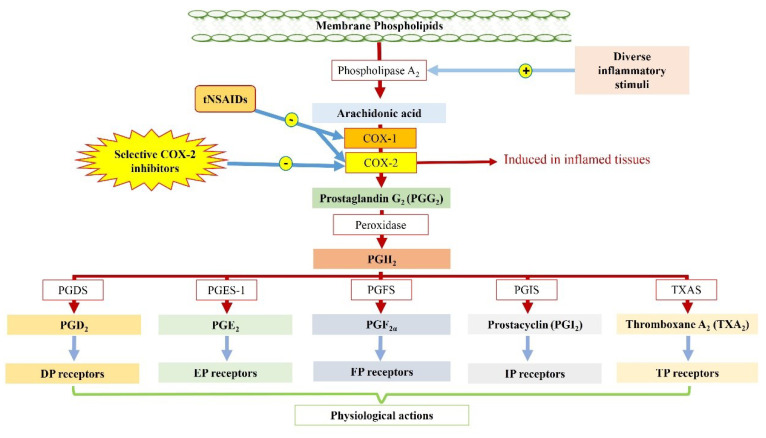
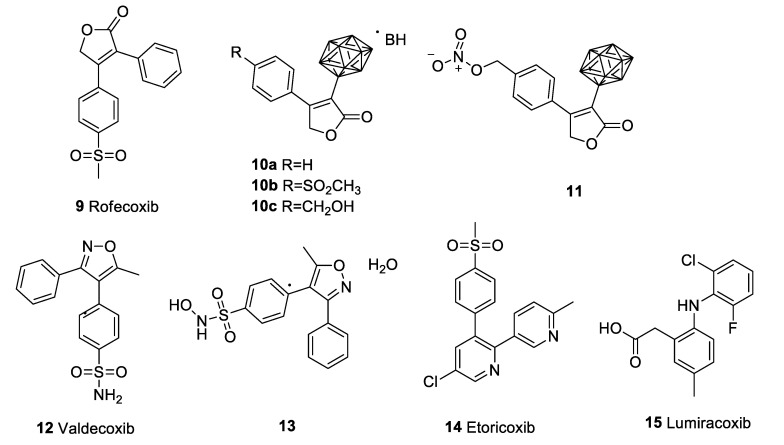
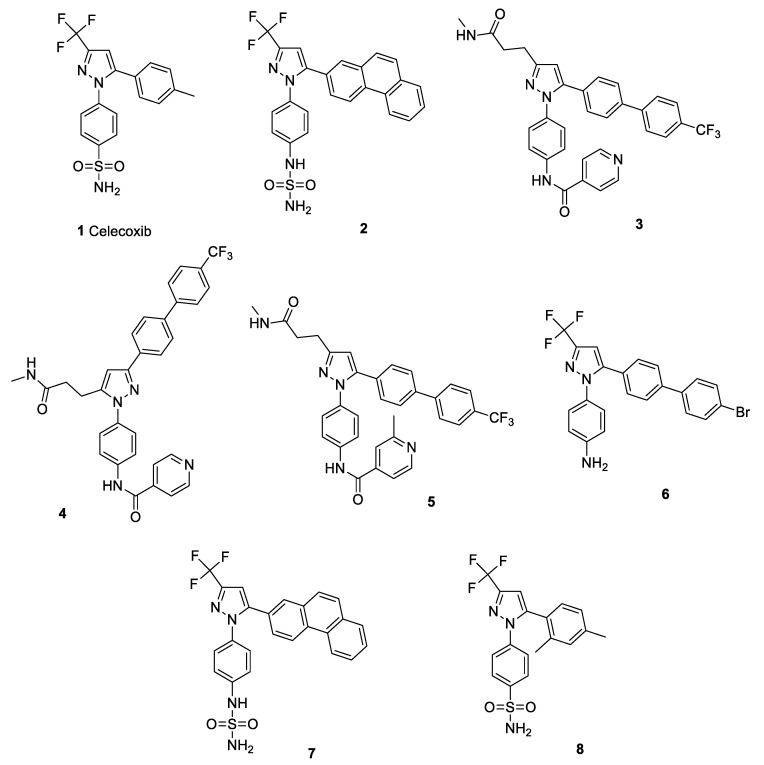
The introduction of selective COX-2 inhibitors (so-called 'coxibs') has demonstrated tremendous commercial success due to their claimed lower potential of serious gastrointestinal adverse effects than traditional NSAIDs. However, following the repeated questioning on safety concerns, the coxibs 'controversial me-too' saga increased substantially, inferring to the risk of cardiovascular complications, subsequently leading to the voluntary withdrawal of coxibs (e.g., rofecoxib and valdecoxib) from the market. For instance, the makers (Pfizer and Merck) had to allegedly settle individual claims of cardiovascular hazards from celecoxib and valdecoxib. Undoubtedly, the lessons drawn from this saga revealed the flaws in drug surveillance and regulation, and taught science to pursue a more integrated translational approach for data acquisition and interpretation, prompting science-based strategies of risk avoidance in order to sustain the value of such drugs, rather than their withdrawal. Looking forward, coxibs are now being studied for repurposing, given their possible implications in the management of a myriad of diseases, including cancer, epilepsy, psychiatric disorders, obesity, Alzheimer's disease, and so on. This article briefly summarizes the development of COX-2 inhibitors to their market impression, followed by the controversy related to their toxicity. In addition, the events recollected in hindsight (the past lessons), the optimistic step towards drug repurposing (the present), and the potential for forthcoming success (the future) are also discussed.
选择性环氧化酶-2抑制剂(即所谓的“昔布类药物”)的推出已显示出巨大的商业成功,因为据称它们比传统非甾体抗炎药产生严重胃肠道不良反应的可能性更低。然而,在对安全性问题反复质疑之后,昔布类药物“有争议的跟风”传奇大幅增加,暗示存在心血管并发症风险,随后导致昔布类药物(如罗非昔布和伐地昔布)自愿退出市场。例如,据称制造商(辉瑞和默克)不得不就塞来昔布和伐地昔布引发的心血管危害的个人索赔达成和解。毫无疑问,从这一传奇中吸取的教训揭示了药物监测和监管中的缺陷,并促使科学界采用更综合的转化方法进行数据采集和解释,推动基于科学的风险规避策略,以维持此类药物的价值,而不是将其撤出市场。展望未来,鉴于昔布类药物可能对包括癌症、癫痫、精神疾病、肥胖症、阿尔茨海默病等在内的多种疾病的治疗有潜在影响,目前正在对其进行重新利用的研究。本文简要总结了环氧化酶-2抑制剂从研发到市场反响的过程,随后阐述了与其毒性相关的争议。此外,还讨论了事后回顾的事件(过去的教训)、药物重新利用的乐观进展(现在)以及未来取得成功的可能性(未来)。