Mansour Abdallah Tageldein, Alprol Ahmed E, Khedawy Mohamed, Abualnaja Khamael M, Shalaby Tarek A, Rayan Gamal, Ramadan Khaled M A, Ashour Mohamed
Animal and Fish Production Department, College of Agricultural and Food Sciences, King Faisal University, P.O. Box 420, Al-Ahsa 31982, Saudi Arabia.
Fish and Animal Production Department, Faculty of Agriculture (Saba Basha), Alexandria University, Alexandria 21531, Egypt.
Materials (Basel). 2022 Jul 26;15(15):5169. doi: 10.3390/ma15155169.
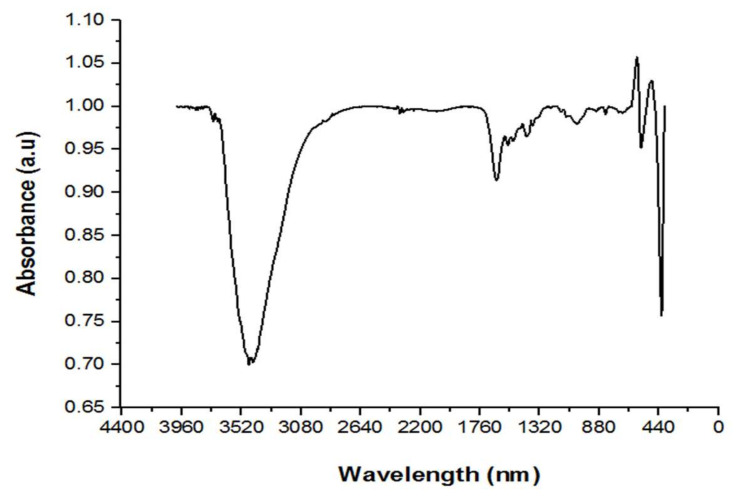
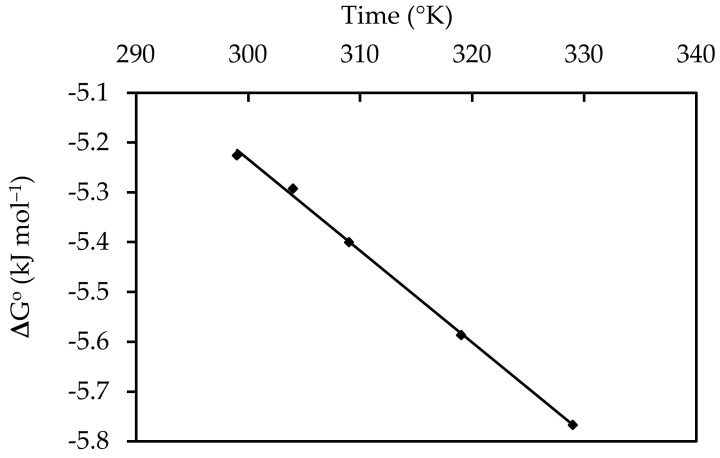
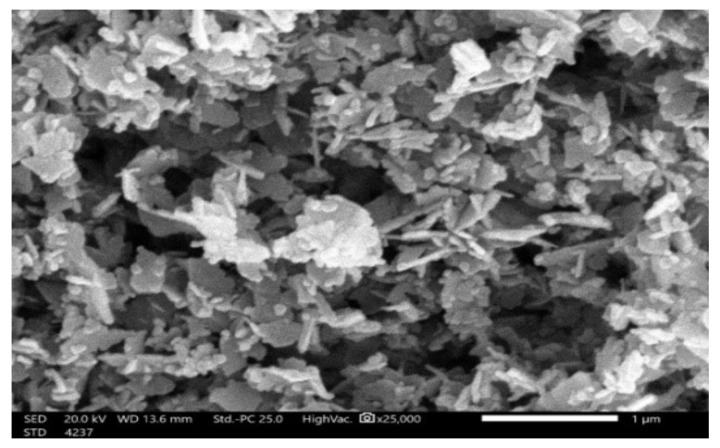
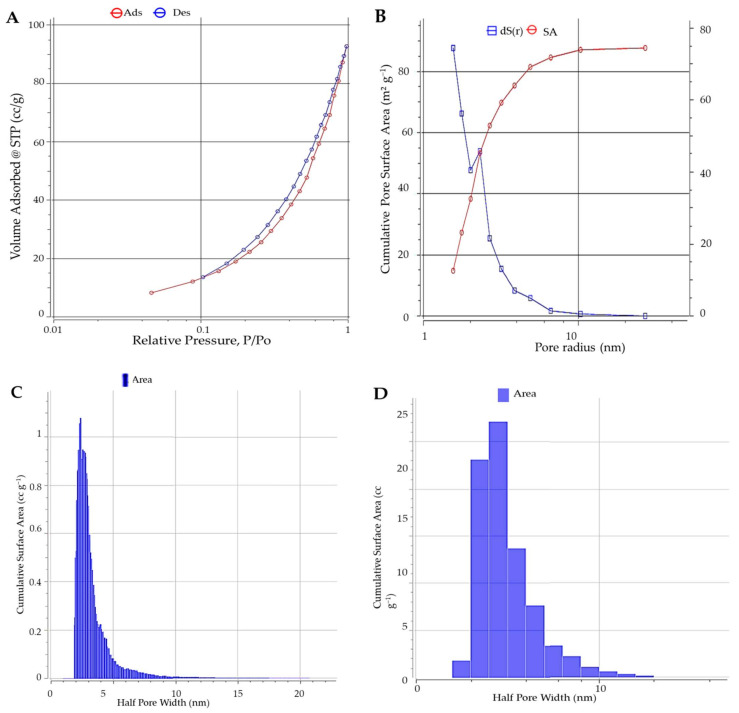
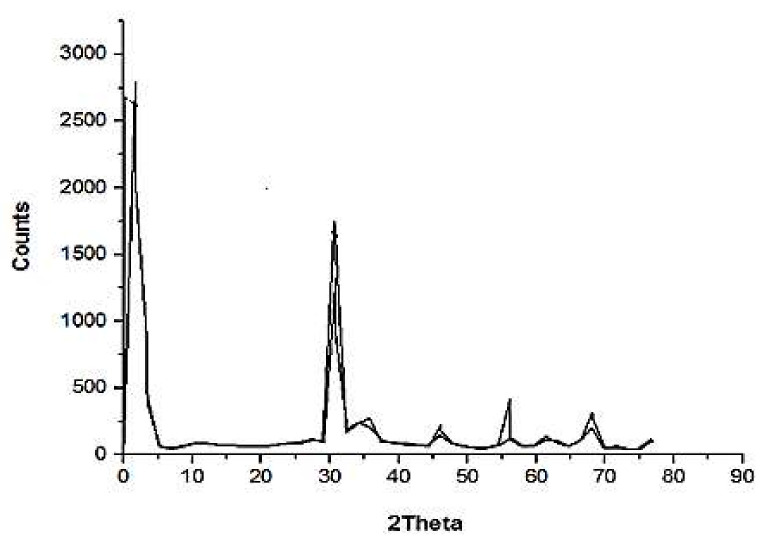
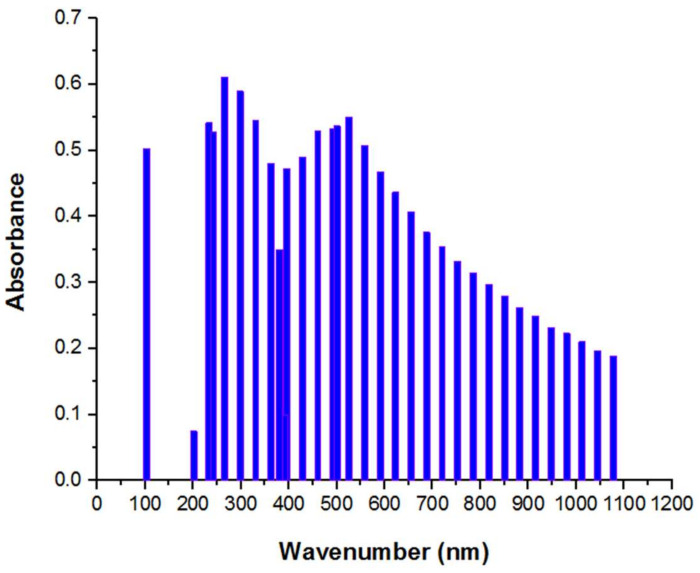
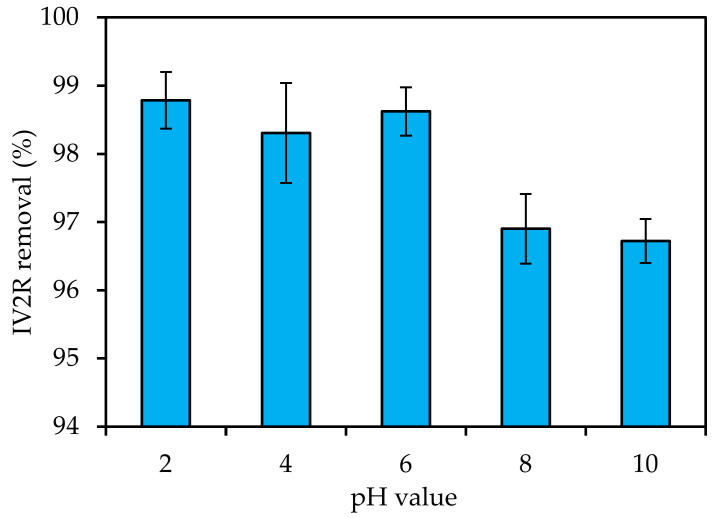
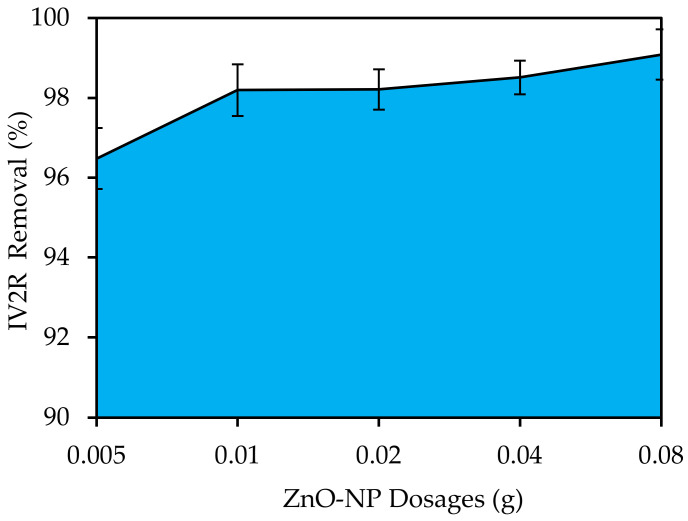
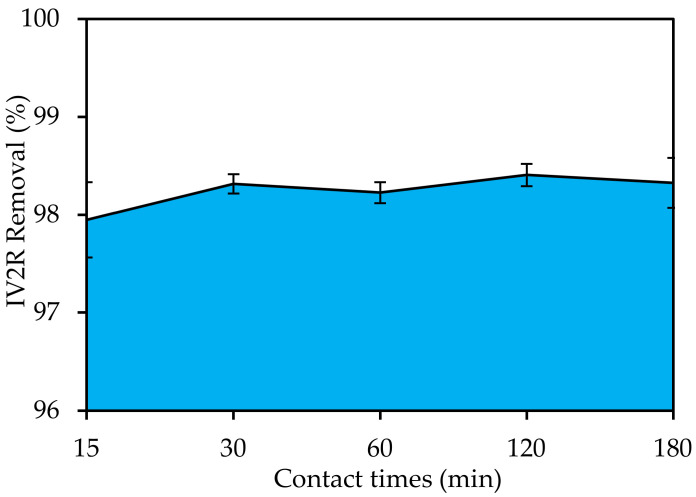
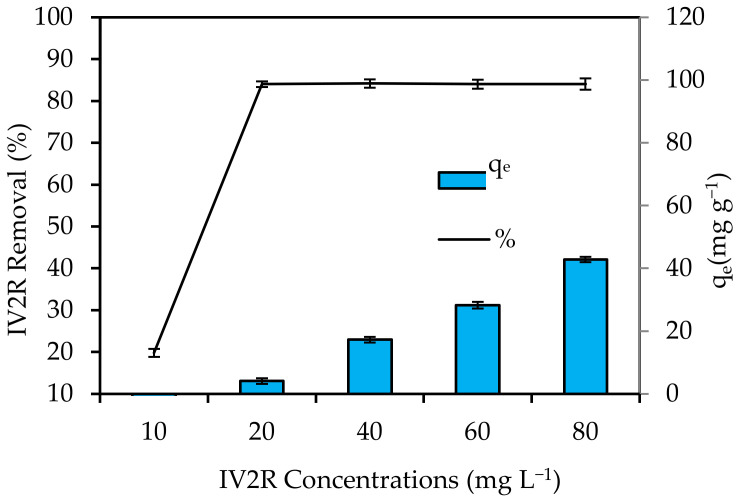
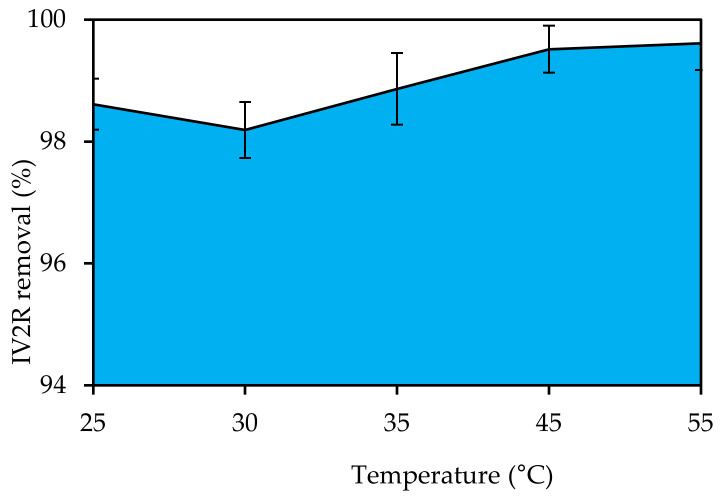
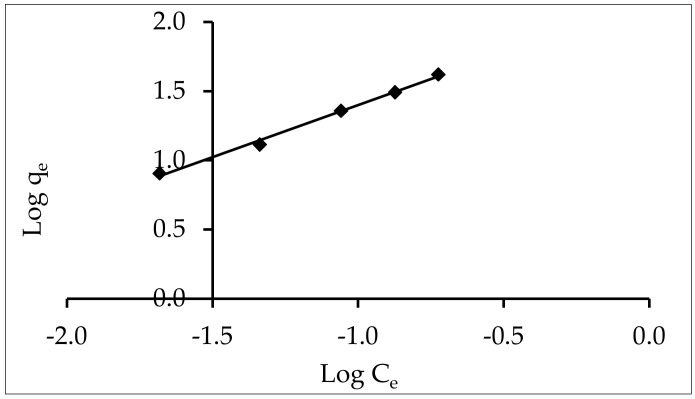
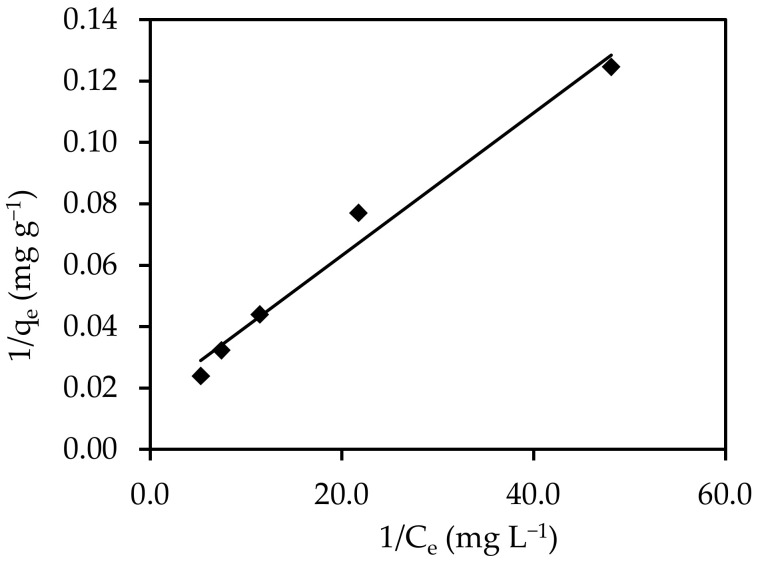
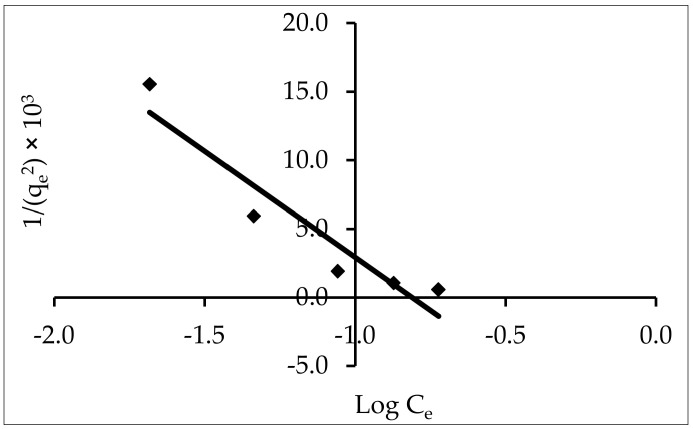
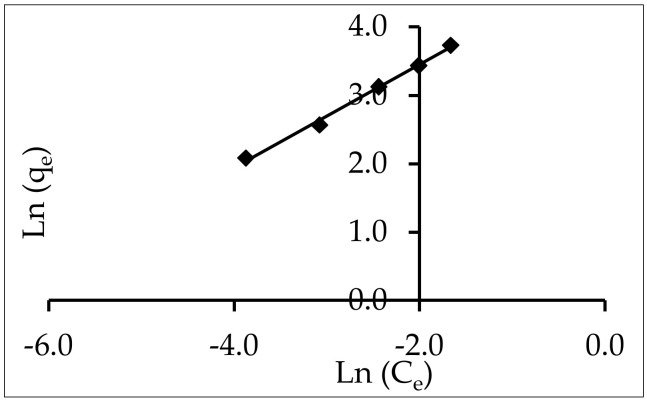
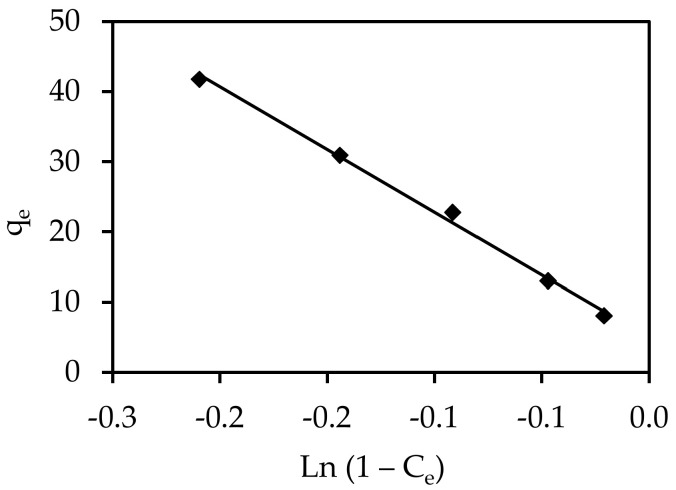
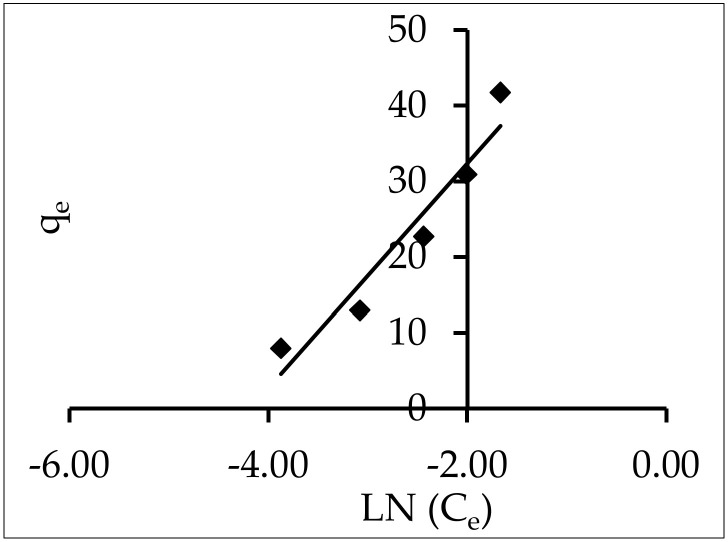
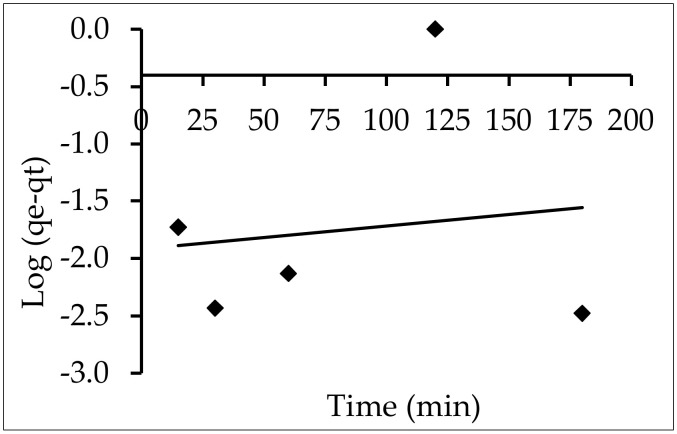
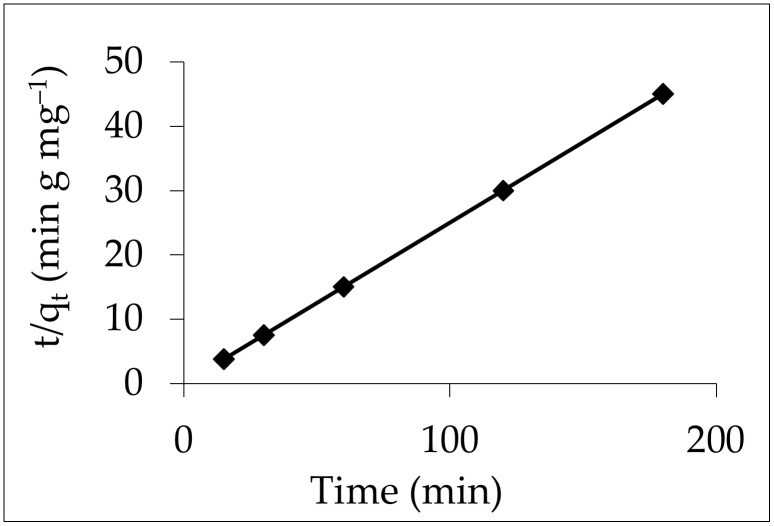
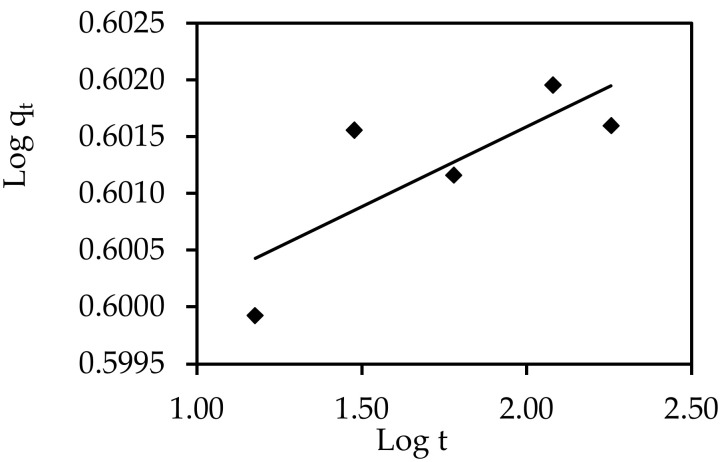
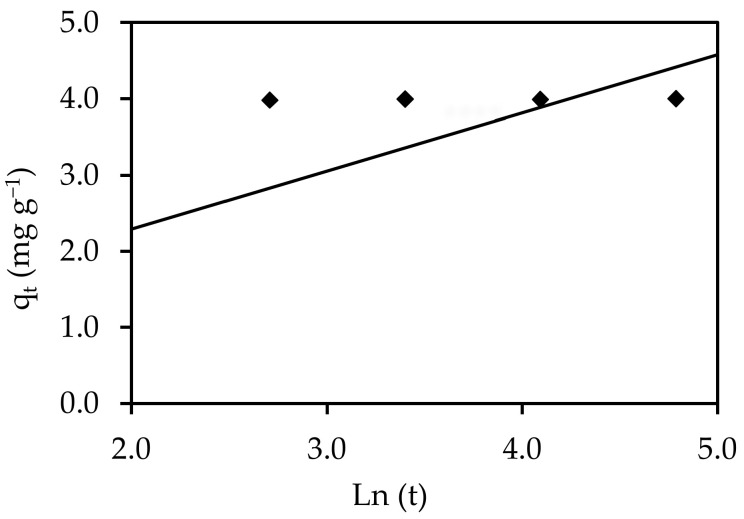
This study aims to produce green zinc oxide nanoparticles (ZnO-NPs) derived from red seaweed () and evaluate their potential to absorb Ismate violet 2R (IV2R) ions from an aqueous solution. UV-vis spectrophotometry, Fourier-transform infrared spectroscopy (FTIR), scanning electron microscopy (SEM), X-ray diffraction (XRD), and a Brunauer-Emmett-Teller surface area analysis (BET) were used to analyze the structural, morphological, and optical features of the synthesized nanoparticles. The change in color of the chemical solution revealed the formation of zinc oxide nanoparticles. The FTIR examination confirmed the synthesis of both Zn and ZnO nanoparticle powder, with a BET surface area of 113.751 m g and an average pore size of 2.527 nm for the synthesized adsorbent. Furthermore, the maximum removal effectiveness of IV2R was 99% when 0.08 g ZnO-NPs was applied at a pH of 6, a temperature of 55 °C, and a contact time of 120 min. The dye adsorption capacity of the ZnO-NPs was 72.24 mg g. The adsorption process was also controlled by the Freundlich adsorption model and pseudo-second-order reaction kinetics. The adsorption of IV2R ions onto the ZnO-NPs could be represented as a nonideal and reversible sorption process of a nonuniform surface, according to Freundlich adsorption isotherms. In addition, the constant values of the model parameters were determined using various nonlinear regression error functions. Moreover, thermodynamic parameters such as entropy change, enthalpy change, and free energy change were investigated; the adsorption process was spontaneous and endothermic. The high capacity of the ZnO-NPs synthesized by red seaweed promotes them as promising substances for applications in water treatment for the removal of IV2R dye from aqueous systems.
本研究旨在制备源自红海藻的绿色氧化锌纳米颗粒(ZnO-NPs),并评估其从水溶液中吸附伊斯马特紫2R(IV2R)离子的潜力。采用紫外可见分光光度法、傅里叶变换红外光谱(FTIR)、扫描电子显微镜(SEM)、X射线衍射(XRD)和布鲁诺尔-埃米特-泰勒表面积分析(BET)来分析合成纳米颗粒的结构、形态和光学特性。化学溶液颜色的变化表明了氧化锌纳米颗粒的形成。FTIR检测证实了Zn和ZnO纳米颗粒粉末的合成,合成吸附剂的BET表面积为113.751 m²/g,平均孔径为2.527 nm。此外,当在pH值为6、温度为55℃、接触时间为120分钟的条件下应用0.08 g ZnO-NPs时,IV2R的最大去除效率为99%。ZnO-NPs对染料的吸附容量为72.24 mg/g。吸附过程还受弗伦德里希吸附模型和伪二级反应动力学控制。根据弗伦德里希吸附等温线,IV2R离子在ZnO-NPs上的吸附可表示为非均匀表面的非理想和可逆吸附过程。此外,使用各种非线性回归误差函数确定了模型参数的常数值。此外,还研究了熵变、焓变和自由能变等热力学参数;吸附过程是自发的且吸热的。红海藻合成的ZnO-NPs的高吸附容量使其成为从水体系中去除IV2R染料的水处理应用中有前景的物质。