Department of Environmental Science, International Islamic University Islamabad, Islamabad, Pakistan.
Department of Plant Breeding and Genetics, University of Agriculture Faisalabad, Faisalabad, Pakistan.
Sci Rep. 2020 Jun 3;10(1):9055. doi: 10.1038/s41598-020-65949-3.
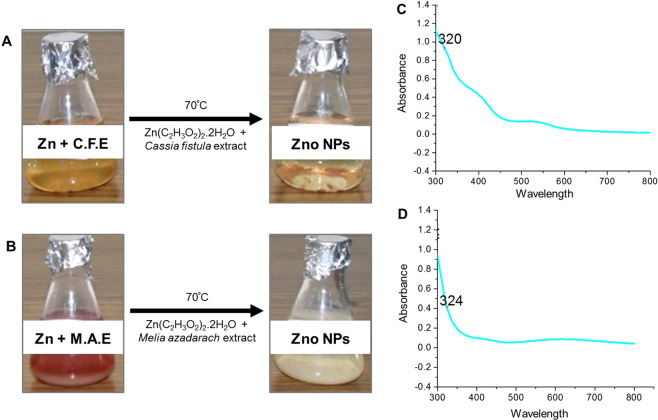
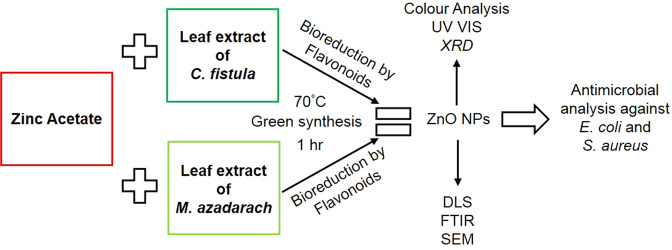
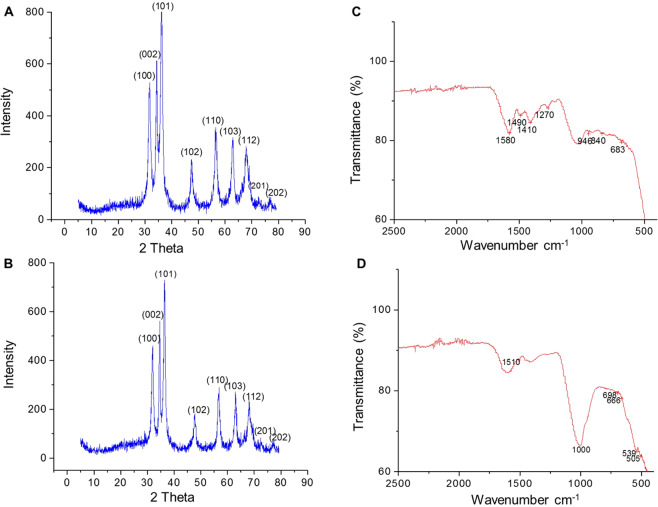
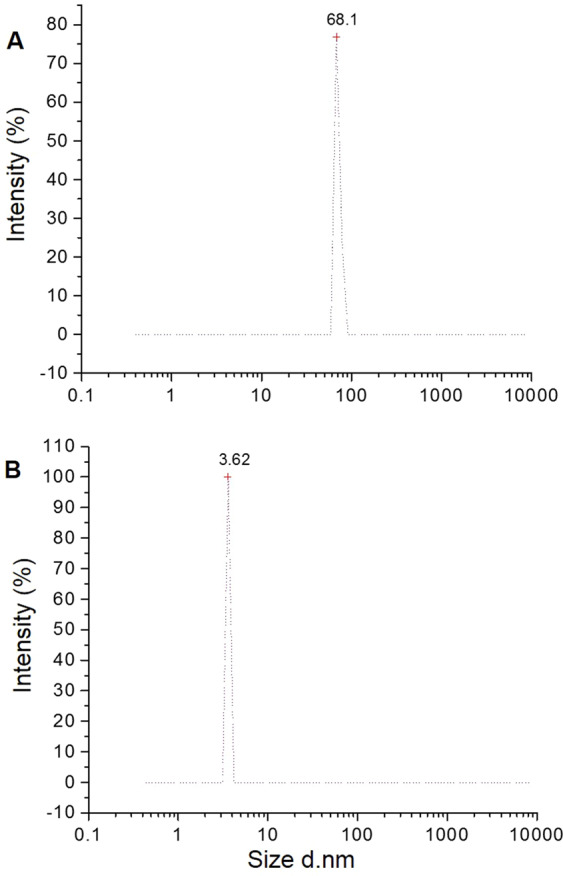
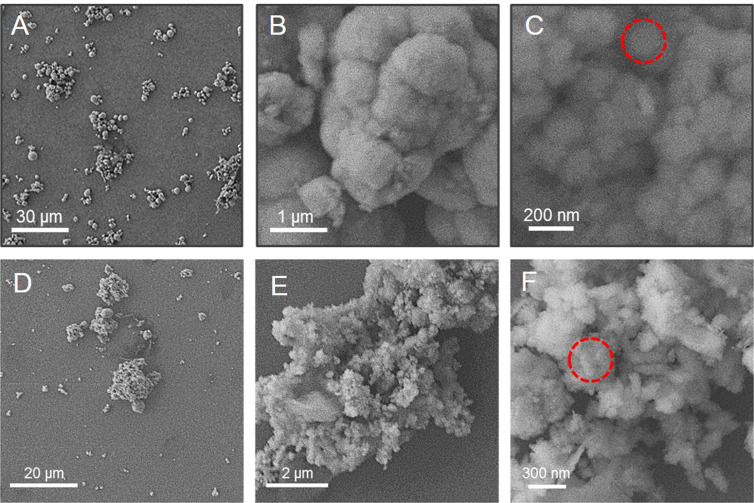
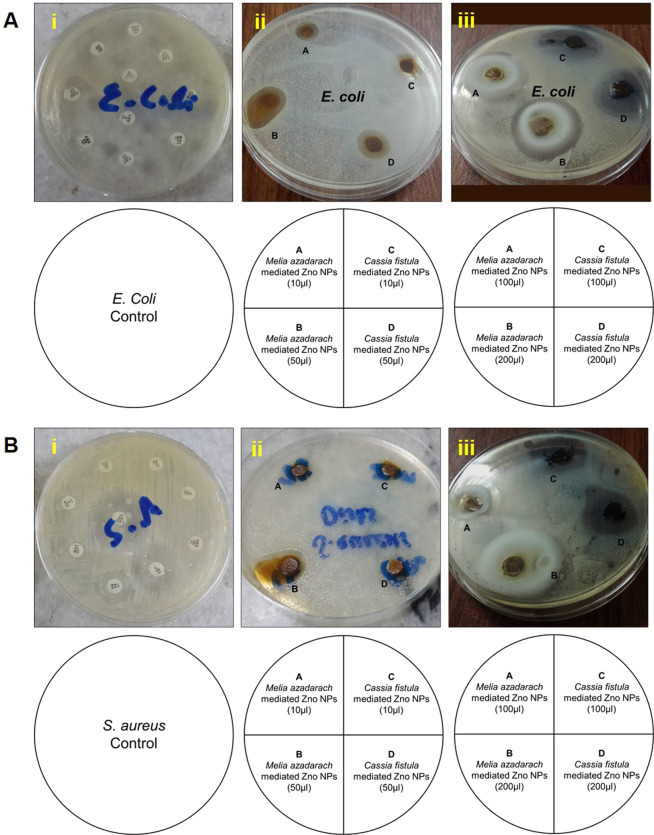
Development of plant based nanoparticles has many advantages over conventional physico-chemical methods and has various applications in medicine and biology. In present study, zinc oxide (ZnO) nanoparticles (NPs) were synthesized using leaf extracts of two medicinal plants Cassia fistula and Melia azadarach. 0.01 M zinc acetate dihydrate was used as a precursor in leaf extracts of respective plants for NPs synthesis. The structural and optical properties of NPs were investigated by X-ray diffraction (XRD), Fourier transform infrared (FTIR) spectroscopy, scanning electron microscope (SEM), ultraviolet-visible spectrophotometer (UV-Vis) and dynamic light scattering (DLS). The antibacterial potential of ZnO NPs was examined by paper disc diffusion method against two clinical strains of Escherichia coli (E. coli) and Staphylococcus aureus (S. aureus) based on the zone of inhibition and minimal inhibitory indices (MIC). Change in color of the reaction mixture from brown to white indicated the formation of ZnO NPs. UV peaks at 320 nm and 324 nm, and XRD pattern matching that of JCPDS card for ZnO confirmed the presence of pure ZnO NPs. FTIR further confirmed the presence of bioactive functional groups involved in the reduction of bulk zinc acetate to ZnO NPs. SEM analysis displayed the shape of NPs to be spherical whereas DLS showed their size range from 3 to 68 nm. The C. fistula and M. azadarach mediated ZnO NPs showed strong antimicrobial activity against clinical pathogens compared to standard drugs, suggesting that plant based synthesis of NPs can be an excellent strategy to develop versatile and eco-friendly biomedical products.
与传统的物理化学方法相比,基于植物的纳米粒子的发展具有许多优势,并在医学和生物学中有多种应用。在本研究中,使用两种药用植物决明子和苦楝的叶提取物合成了氧化锌 (ZnO) 纳米粒子 (NPs)。0.01 M 三水醋酸锌用作相应植物叶提取物中 NPs 合成的前体。通过 X 射线衍射 (XRD)、傅里叶变换红外 (FTIR) 光谱、扫描电子显微镜 (SEM)、紫外可见分光光度计 (UV-Vis) 和动态光散射 (DLS) 研究了 NPs 的结构和光学性质。通过纸片扩散法,根据抑菌圈和最小抑菌浓度 (MIC),研究了 ZnO NPs 的抗菌潜力,以评估其对两种临床大肠杆菌 (E. coli) 和金黄色葡萄球菌 (S. aureus) 菌株的抗菌活性。反应混合物从棕色变为白色表明形成了 ZnO NPs。在 320nm 和 324nm 处出现的 UV 峰以及与 ZnO 的 JCPDS 卡相匹配的 XRD 图谱证实了纯 ZnO NPs 的存在。FTIR 进一步证实了参与将块状醋酸锌还原为 ZnO NPs 的生物活性官能团的存在。SEM 分析显示 NPs 的形状为球形,而 DLS 显示其尺寸范围为 3 至 68nm。与标准药物相比,决明子和苦楝介导的 ZnO NPs 对临床病原体表现出很强的抗菌活性,这表明基于植物的 NPs 合成可以成为开发多功能和环保型生物医学产品的绝佳策略。