College of Horticulture, Xinjiang Agricultural University, Urumqi, Xinjiang, China.
PeerJ. 2022 Jul 22;10:e13746. doi: 10.7717/peerj.13746. eCollection 2022.
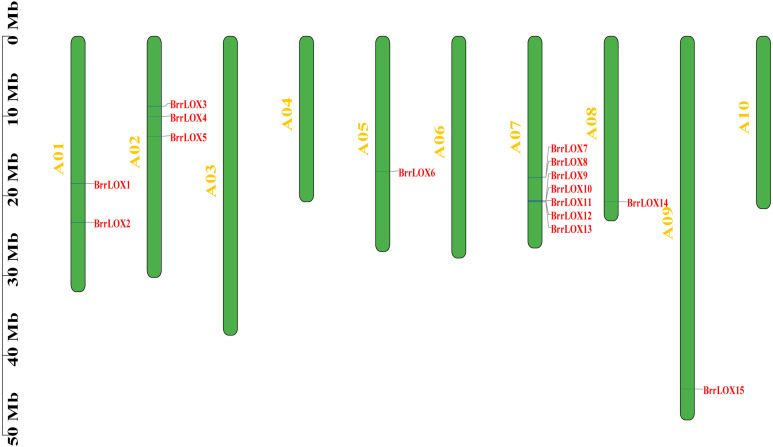
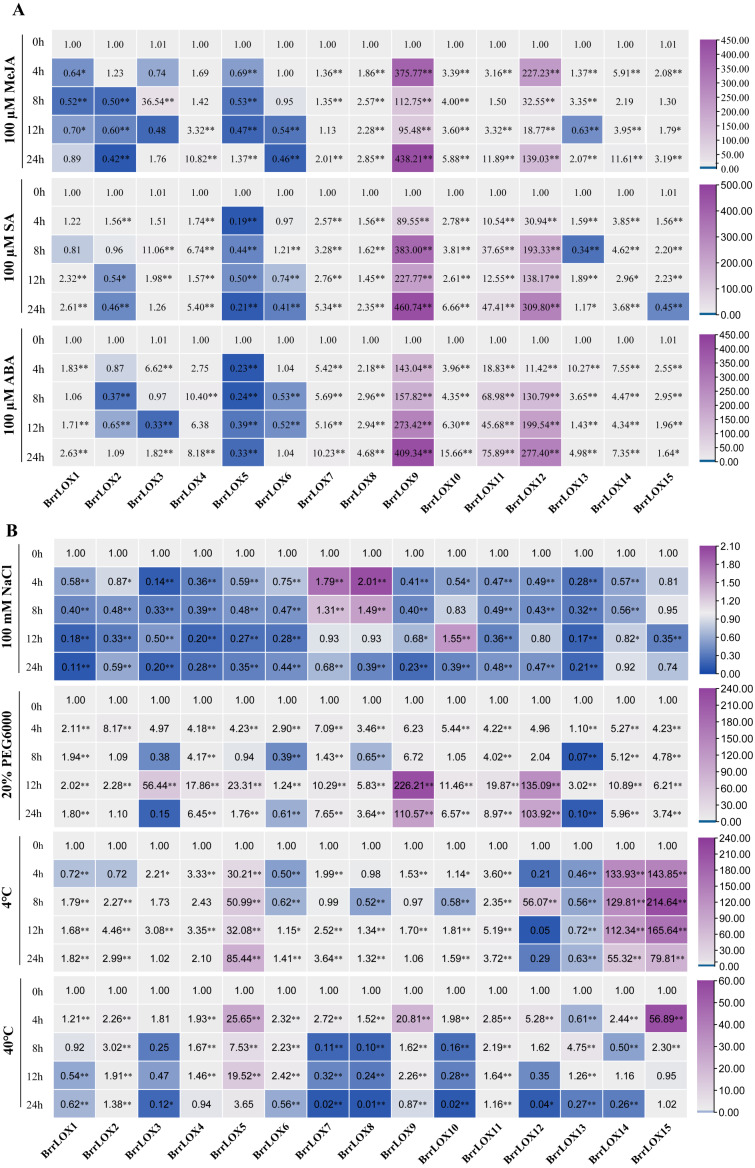
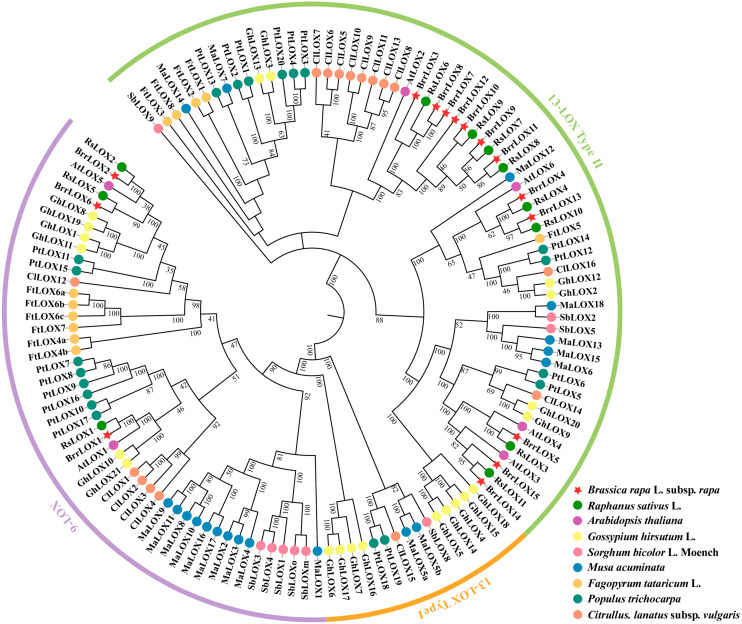
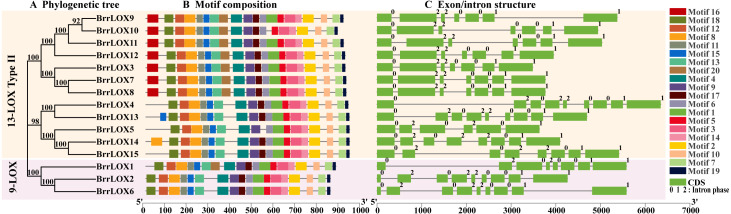
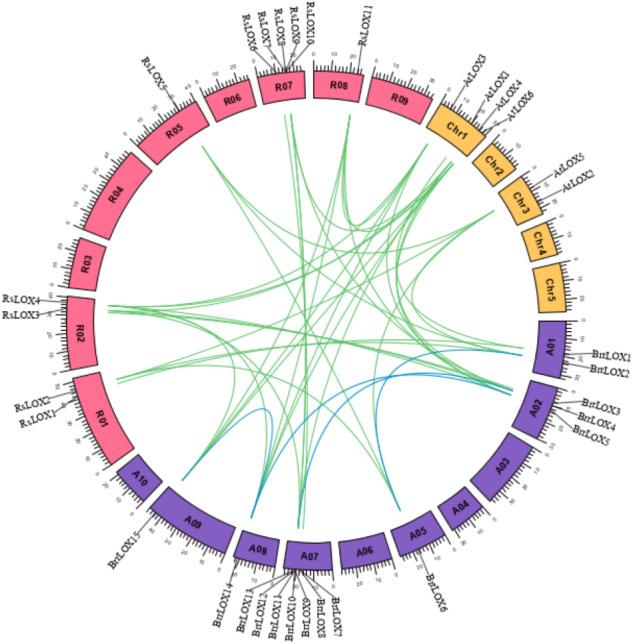
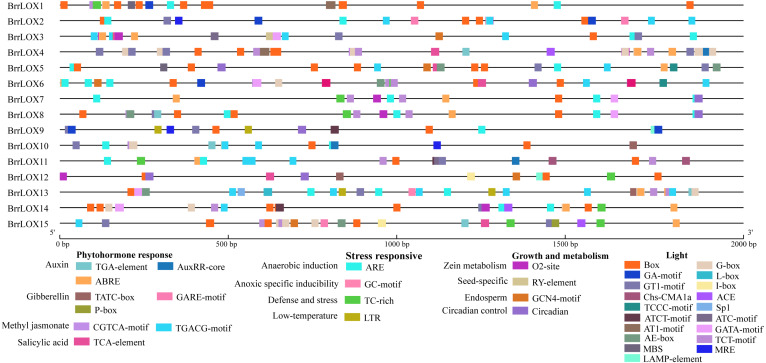
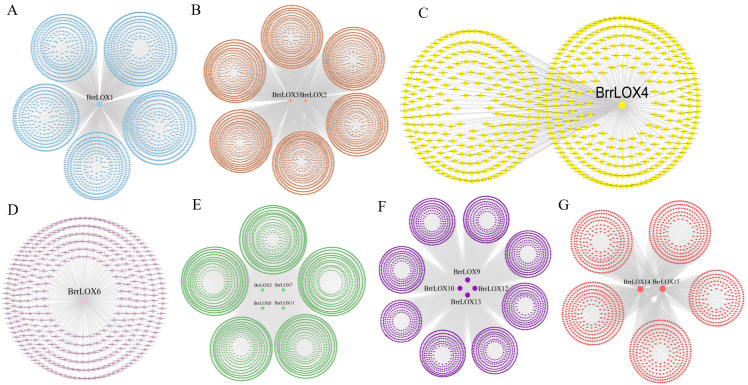
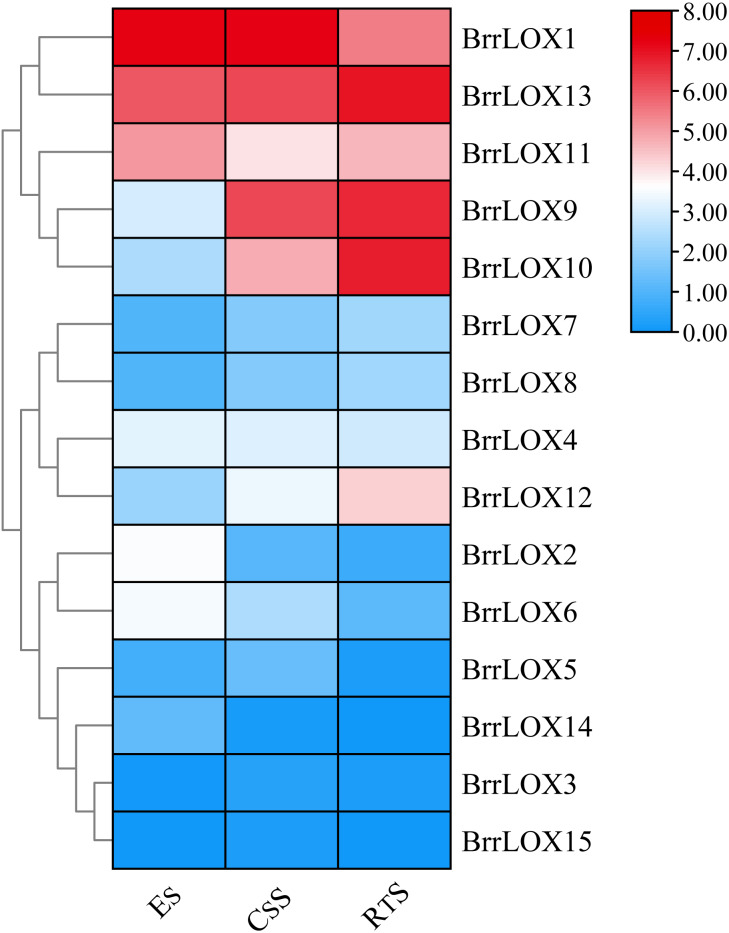
Turnip ( L. subsp. ) is an important crop with edible and medicinal values, and various stresses, especially salt stress and drought stress, seriously threaten the yield of turnips. LOXs play important roles in regulating plant growth and development, signal transduction, and biotic and abiotic stress responses through secondary metabolites produced by the oxylipin metabolic pathway, and although the turnip genome has been published, however, the role of family genes in various abiotic stress responses has not been systematically studied in turnips. In this study, a total of 15 genes () were identified in turnip, distributed on six chromosomes. Phylogenetic tree analysis classified these genes into two classes: three 9-LOX proteins and 12 13-LOX type II proteins. Gene duplication analysis showed that tandem and segmental duplication were the main pathways for the expansion of the gene family. The Ka and Ks values of the duplicated genes indicate that the gene underwent strong purifying selection. Further analysis of the cis-acting elements of the promoters suggested that the expression of the gene may be influenced by stress and phytohormones. Transcriptome data analysis showed that 13 genes were expressed at one or more stages of turnip tuber development, suggesting that genes may be involved in the formation of turnip fleshy roots. The qRT-PCR analysis showed that four stresses (salt stress, drought stress, cold stress, and heat stress) and three hormone treatments (methyl jasmonate, salicylic acid, and abscisic acid) affected the expression levels of genes and that different genes responded differently to these stresses. In addition, weighted gene co-expression network analysis (WGCNA) of revealed seven co-expression modules, and the genes in these co-expression modules are collectively involved in plant growth and development and stress response processes. Thus, our results provide valuable information for the functional identification and regulatory mechanisms of in turnip growth and development and stress response.
芜菁(L. subsp.)是一种具有食用和药用价值的重要作物,各种胁迫,特别是盐胁迫和干旱胁迫,严重威胁着芜菁的产量。LOX 蛋白通过脂氧素代谢途径产生的次生代谢物,在调节植物生长发育、信号转导以及生物和非生物胁迫响应方面发挥重要作用,虽然芜菁基因组已经公布,但在芜菁中,家族基因在各种非生物胁迫响应中的作用尚未得到系统研究。本研究在芜菁中鉴定到 15 个 基因(),分布在 6 条染色体上。系统进化树分析将这些 基因分为两类:3 个 9-LOX 蛋白和 12 个 13-LOX 型 II 蛋白。基因复制分析表明,串联和片段复制是 基因家族扩张的主要途径。复制基因的 Ka 和 Ks 值表明, 基因经历了强烈的纯化选择。启动子顺式作用元件的进一步分析表明, 基因的表达可能受到胁迫和植物激素的影响。转录组数据分析表明,13 个基因在芜菁块茎发育的一个或多个阶段表达,这表明 基因可能参与了芜菁肉质根的形成。qRT-PCR 分析表明,4 种胁迫(盐胁迫、干旱胁迫、冷胁迫和热胁迫)和 3 种激素处理(茉莉酸甲酯、水杨酸和脱落酸)影响了 基因的表达水平,不同的 基因对这些胁迫的反应不同。此外,对 进行加权基因共表达网络分析(WGCNA)发现了 7 个共表达模块,这些共表达模块中的基因共同参与了植物生长发育和胁迫响应过程。因此,我们的研究结果为芜菁生长发育和胁迫响应中 基因的功能鉴定和调控机制提供了有价值的信息。