Complutense University, Innovation, Therapy and Pharmaceutical Development in Ophthalmology (InnOftal) Research Group, UCM 920415, Department of Pharmaceutics and Food Technology, Faculty of Pharmacy, Complutense University of Madrid Spain, Health Research Institute of the San Carlos Clinical Hospital (IdISSC), Madrid, Spain.
Department of Pharmaceutics and Food Technology, Faculty of Pharmacy, Complutense University of Madrid, Madrid, Spain.
Drug Deliv. 2022 Dec;29(1):2357-2374. doi: 10.1080/10717544.2022.2096712.
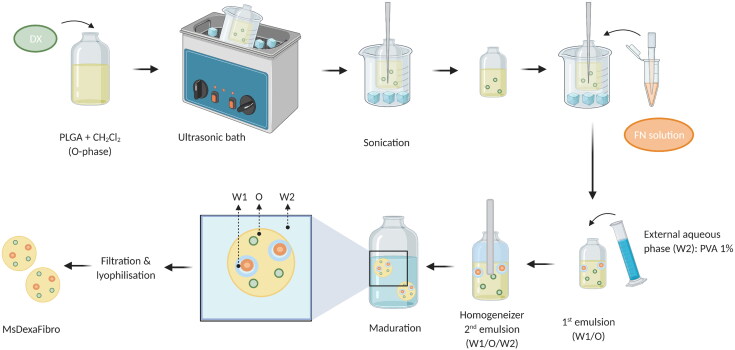
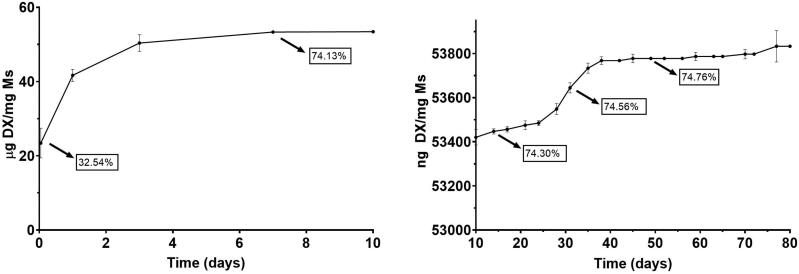
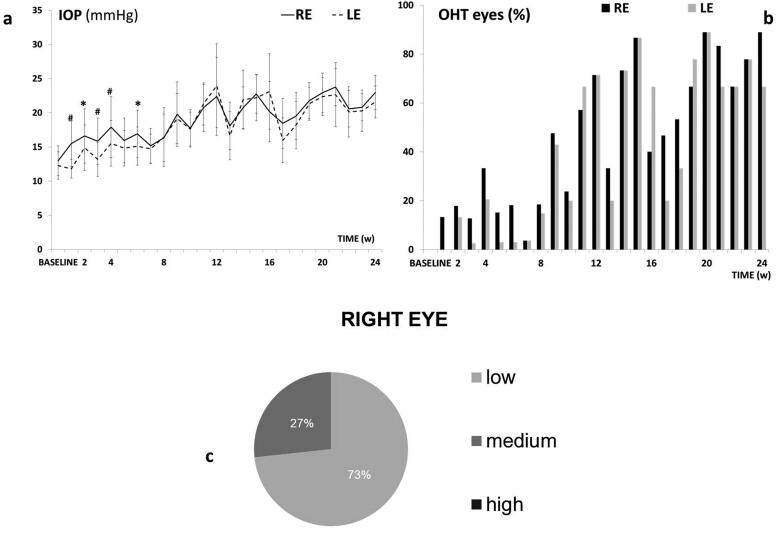
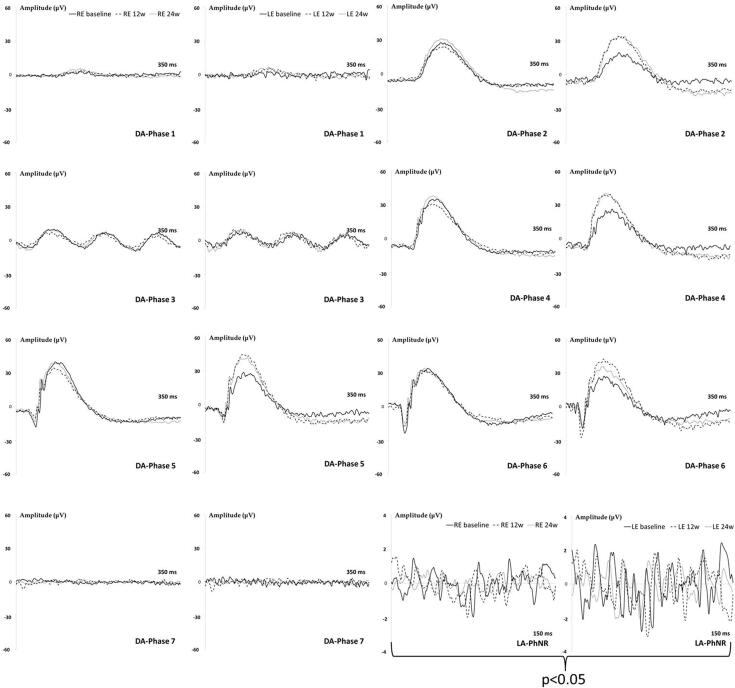
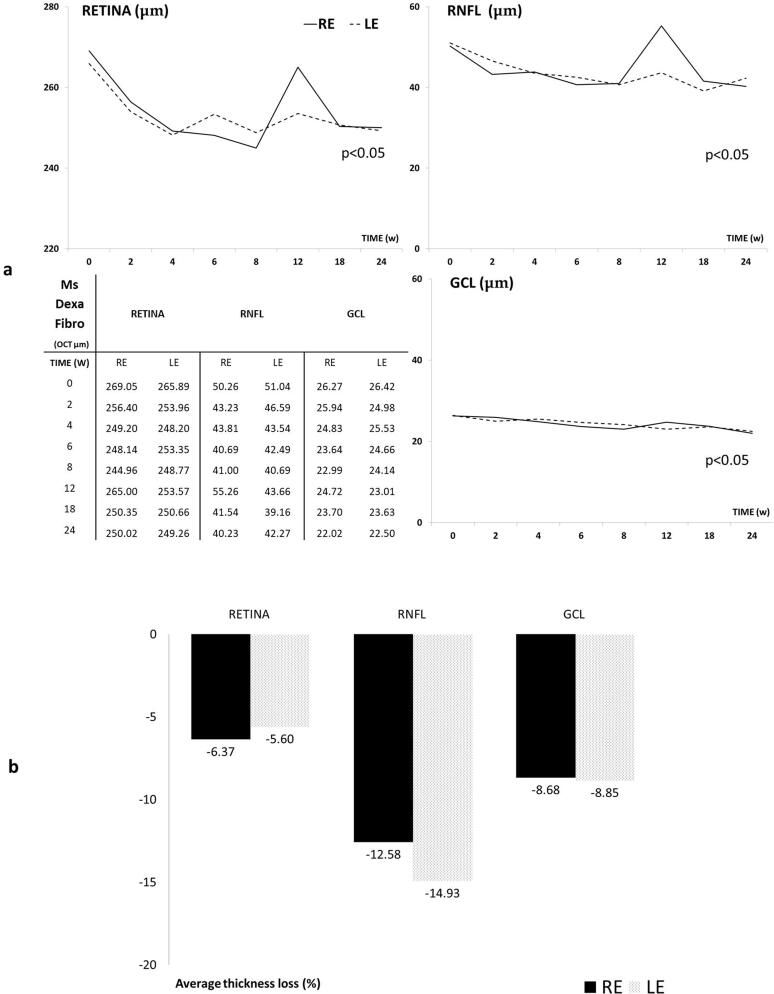
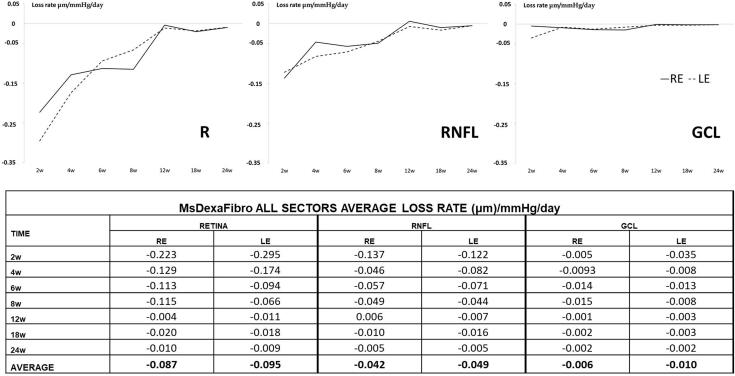
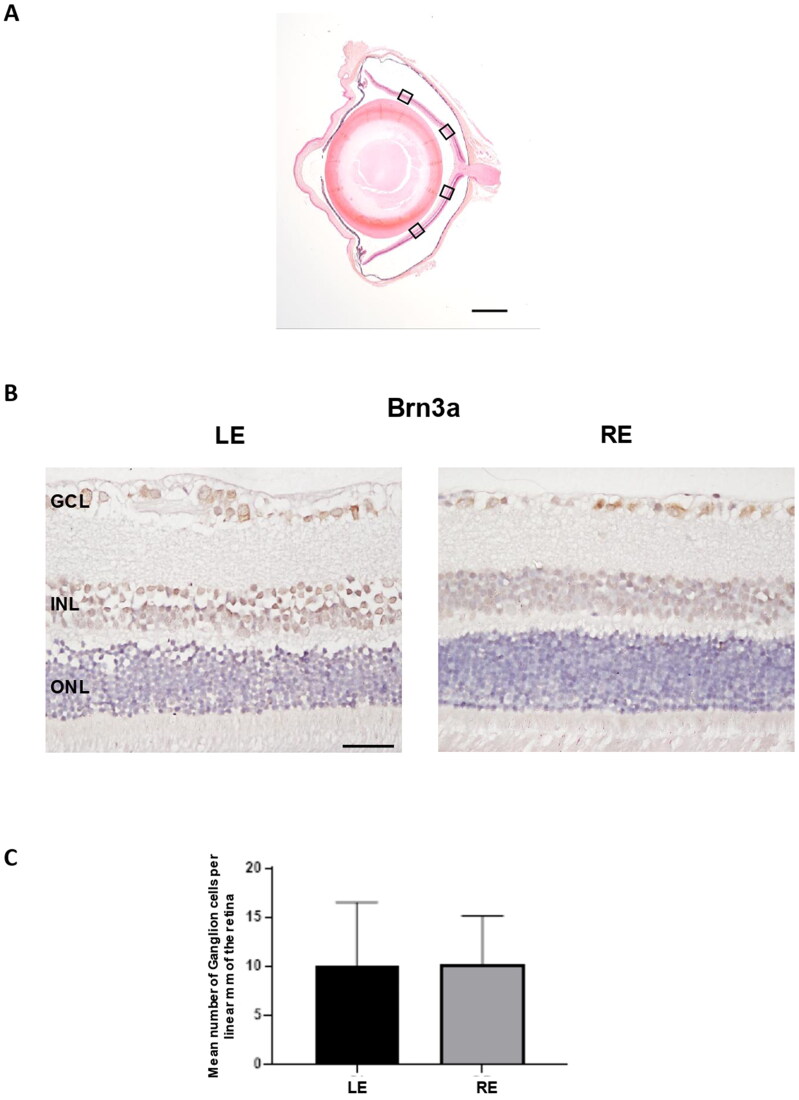
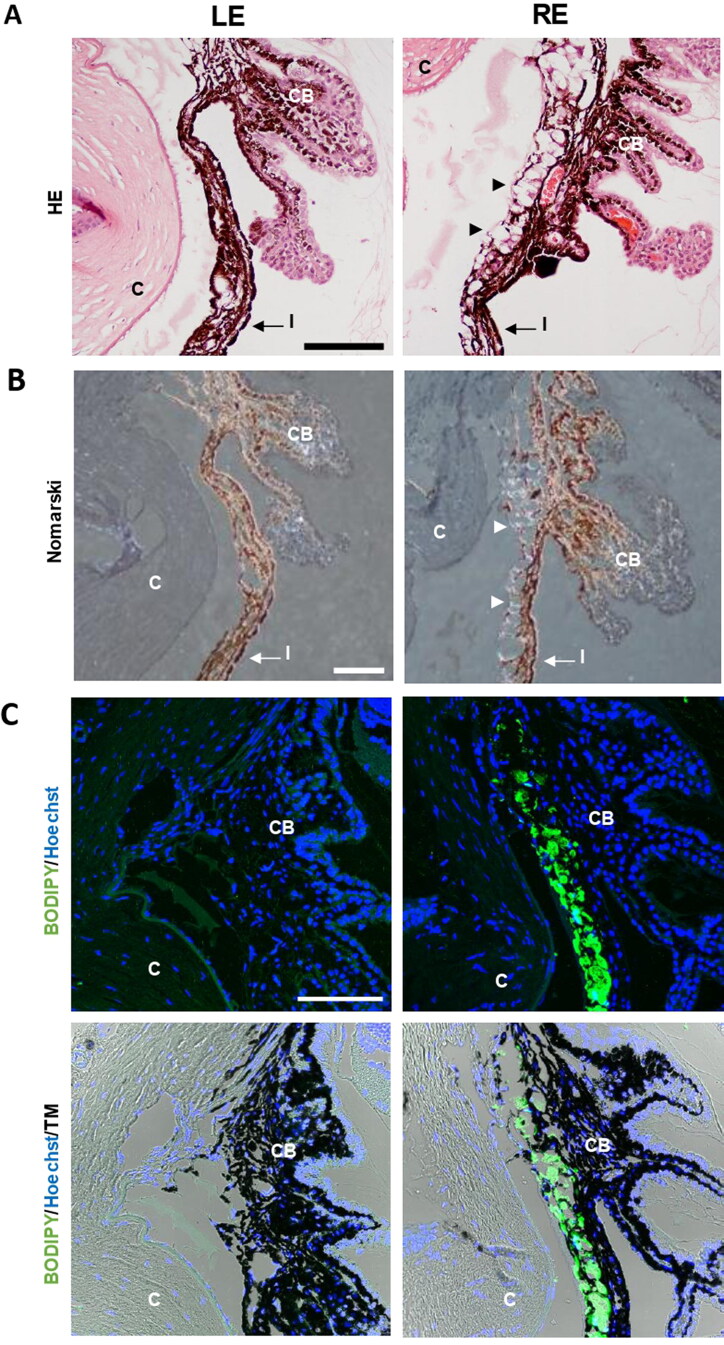
To create a chronic glaucoma animal model by a single intracameral injection of biodegradable poly lactic-co-glycolic acid (PLGA) microspheres (Ms) co-loaded with dexamethasone and fibronectin (MsDexaFibro). MsDexaFibro were prepared by a water-in-oil-in-water emulsion method including dexamethasone in the organic phase and fibronectin in the inner aqueous phase. To create the chronic glaucoma model, an interventionist and longitudinal animal study was performed using forty-five Long Evans rats (4-week-old). Rats received a single intracameral injection of MsDexafibro suspension (10%w/v) in the right eye. Ophthalmological parameters such as clinical signs, intraocular pressure (IOP), neuro-retinal functionality by electroretinography (ERG), retinal structural analysis by optical coherence tomography (OCT), and histology were evaluated up to six months. According to the results obtained, the model proposed was able to induce IOP increasing in both eyes over the study, higher in the injected eyes up to 6 weeks (p < 0.05), while preserving the ocular surface. OCT quantified progressive neuro-retinal degeneration (mainly in the retinal nerve fiber layer) in both eyes but higher in the injected eye. Ganglion cell functionality decreased in injected eyes, thus smaller amplitudes in PhNR were detected by ERG. In conclusion, a new chronic glaucoma animal model was created by a single injection of MsDexaFibro very similar to open-angle glaucoma occurring in humans. This model would impact in different fields such as ophthalmology, allowing long period of study of this pathology; pharmacology, evaluating the neuroprotective activity of active compounds; and pharmaceutical technology, allowing the correct evaluation of the efficacy of long-term sustained ocular drug delivery systems.
建立一种通过单次房内注射载有地塞米松和纤维连接蛋白的可生物降解聚丙交酯-乙交酯(PLGA)微球(Ms)的慢性青光眼动物模型(MsDexaFibro)。MsDexaFibro 采用水包油包水乳液法制备,其中地塞米松位于有机相中,纤维连接蛋白位于内水相中。为了建立慢性青光眼模型,对 45 只 4 周龄长爪沙鼠进行了干预性和纵向动物研究。大鼠右眼接受 MsDexaFibro 混悬液(10%w/v)单次房内注射。直至 6 个月,评估眼科参数,如临床体征、眼内压(IOP)、视网膜神经功能的视网膜电图(ERG)、视网膜结构分析的光学相干断层扫描(OCT)和组织学。根据所得结果,所提出的模型能够在研究过程中使双眼的 IOP 升高,在注射眼升高至 6 周(p<0.05),同时保持眼表面。OCT 定量分析了双眼的进行性神经视网膜变性(主要在视网膜神经纤维层),但在注射眼中更为严重。ERG 检测到注射眼的神经节细胞功能下降,因此 PhNR 振幅较小。总之,通过单次注射 MsDexaFibro 建立了一种新的慢性青光眼动物模型,与人类发生的开角型青光眼非常相似。该模型将对不同领域产生影响,如眼科,允许对该病理进行长期研究;药理学,评估活性化合物的神经保护活性;和药物制剂技术,允许对长期持续眼部药物递送系统的疗效进行正确评估。