Stanford Cardiovascular Institute, Stanford University School of Medicine, Stanford, CA 94305, USA; Department of Medicine, Stanford University School of Medicine, Stanford, CA 94305, USA.
Faculty of Pharmacy and Pharmaceutical Sciences, Isfahan University of Medical Sciences, Isfahan, Iran.
Drug Discov Today. 2022 Oct;27(10):103330. doi: 10.1016/j.drudis.2022.07.015. Epub 2022 Jul 28.
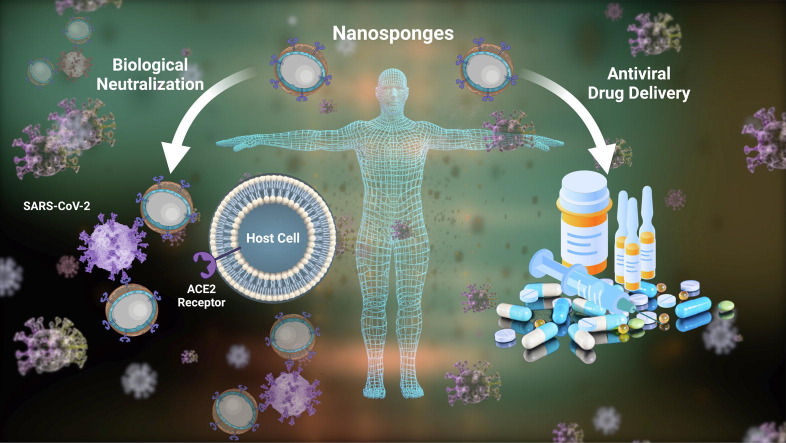
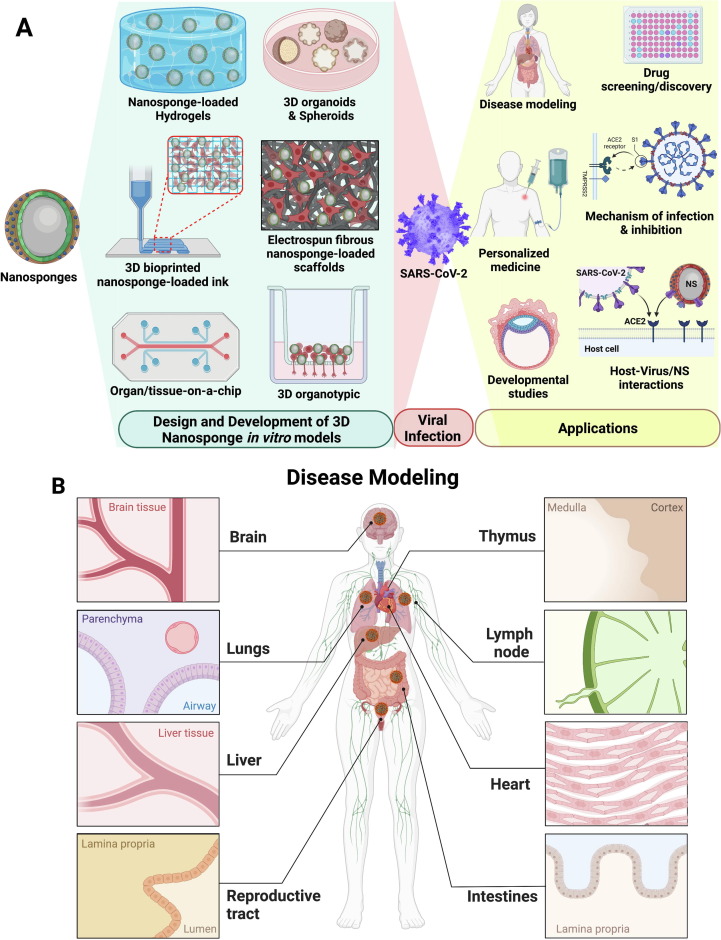
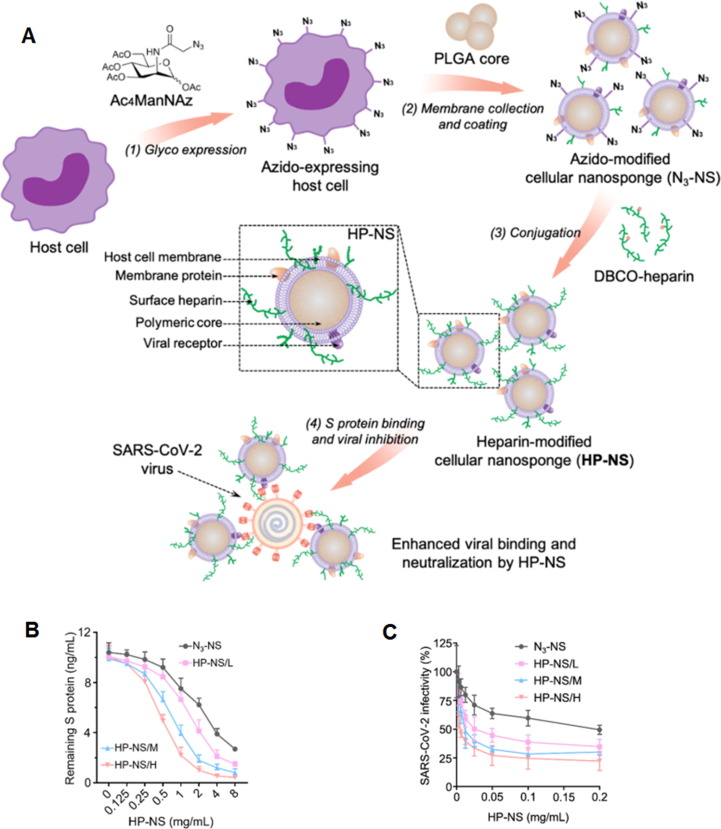
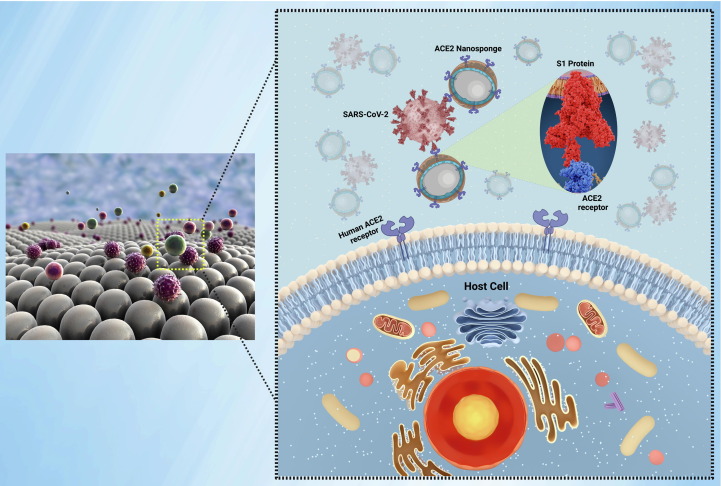
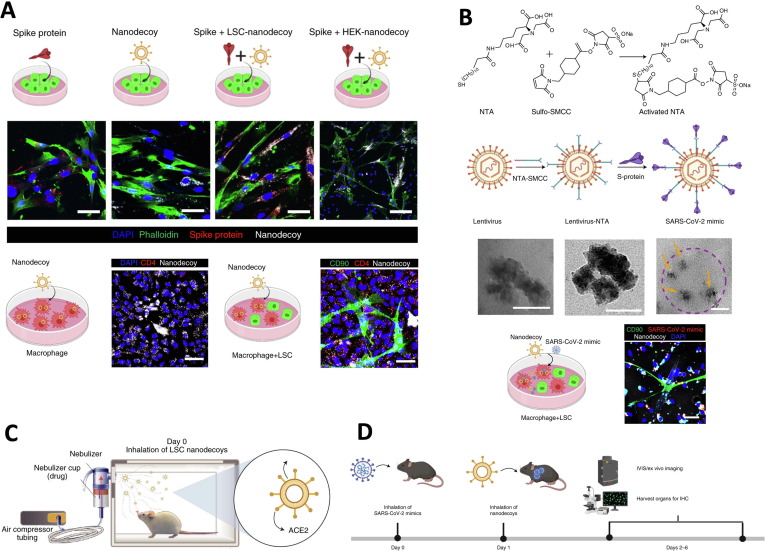
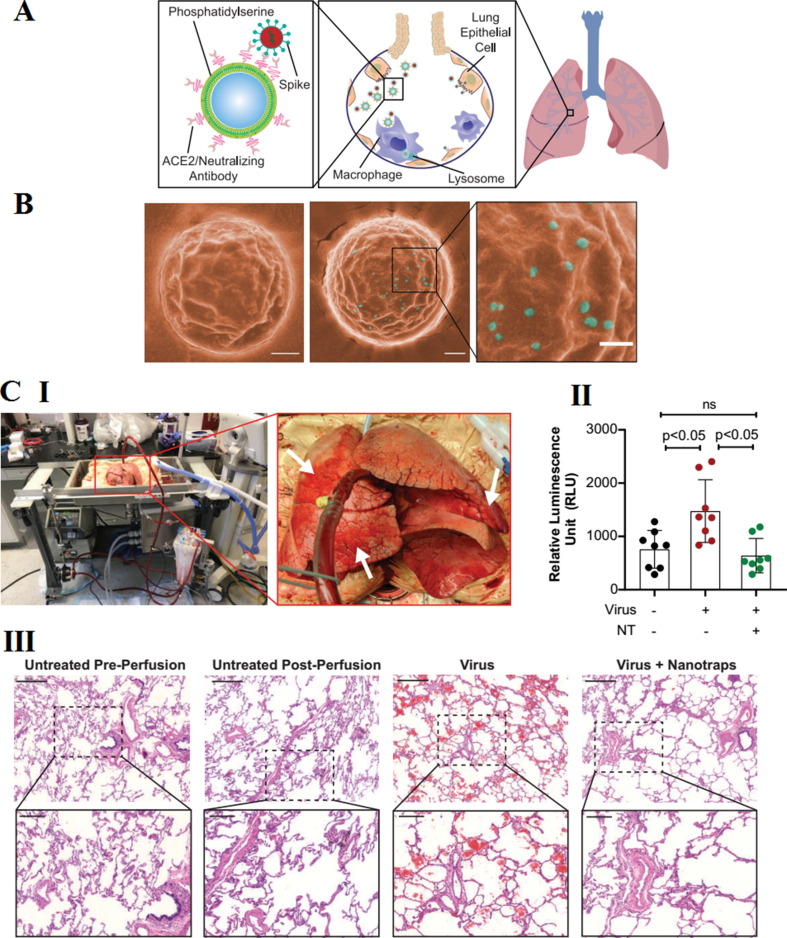
Among explored nanomaterials, nanosponge-based systems have exhibited inhibitory effects for the biological neutralization of, and antiviral delivery against, severe acute respiratory syndrome coronavirus 2 (SARS-CoV-2). More studies could pave the path for clarification of their biological neutralization mechanisms as well as the assessment of their long-term biocompatibility and biosafety issues before clinical translational studies. In this review, we discuss recent advances pertaining to antiviral delivery and inhibitory effects of nanosponges against SARS-CoV-2, focusing on important challenges and opportunities. Finally, as promising approaches for recapitulating the complex structure of different organs/tissues of the body, we discuss the use of 3D in vitro models to investigate the mechanism of SARS-CoV-2 infection and to find therapeutic targets to better manage and eradicate coronavirus 2019 (COVID-19).
在已探索的纳米材料中,基于纳米海绵的系统已显示出对严重急性呼吸综合征冠状病毒 2(SARS-CoV-2)的生物学中和及抗病毒传递的抑制作用。更多的研究可以为阐明其生物学中和机制以及评估其长期生物相容性和生物安全问题铺平道路,然后再进行临床转化研究。在这篇综述中,我们讨论了与纳米海绵对 SARS-CoV-2 的抗病毒传递和抑制作用相关的最新进展,重点讨论了重要的挑战和机遇。最后,作为模拟人体不同器官/组织复杂结构的有前途的方法,我们讨论了使用 3D 体外模型来研究 SARS-CoV-2 感染的机制,并寻找治疗靶点,以更好地管理和消除 2019 年冠状病毒(COVID-19)。