Department of Obstetrics and Gynecology, Center for Research on Reproduction and Women's Health, Perelman School of Medicine at the University of Pennsylvania, Philadelphia, PA, 19104, USA.
Division of Gastroenterology and Hepatology, Perelman School of Medicine at the University of Pennsylvania, Philadelphia, PA, 19104, USA.
Microbiome. 2022 Aug 4;10(1):119. doi: 10.1186/s40168-022-01317-9.
The cervicovaginal (CV) microbiome is highly associated with vaginal health and disease in both pregnant and nonpregnant individuals. An overabundance of Gardnerella vaginalis (G. vaginalis) in the CV space is commonly associated with adverse reproductive outcomes including bacterial vaginosis (BV), sexually transmitted diseases, and preterm birth, while the presence of Lactobacillus spp. is often associated with reproductive health. While host-microbial interactions are hypothesized to contribute to CV health and disease, the mechanisms by which these interactions regulate CV epithelial function remain largely unknown.
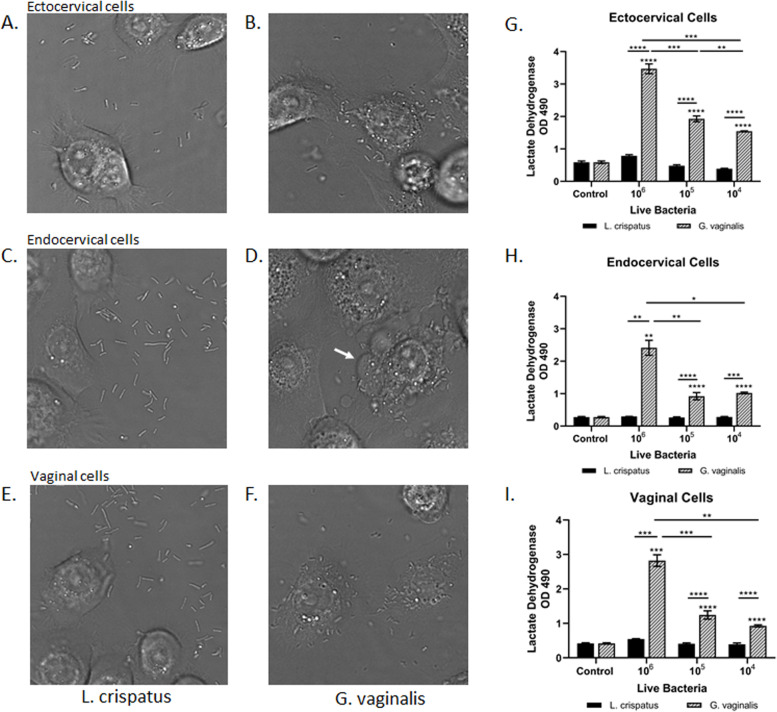
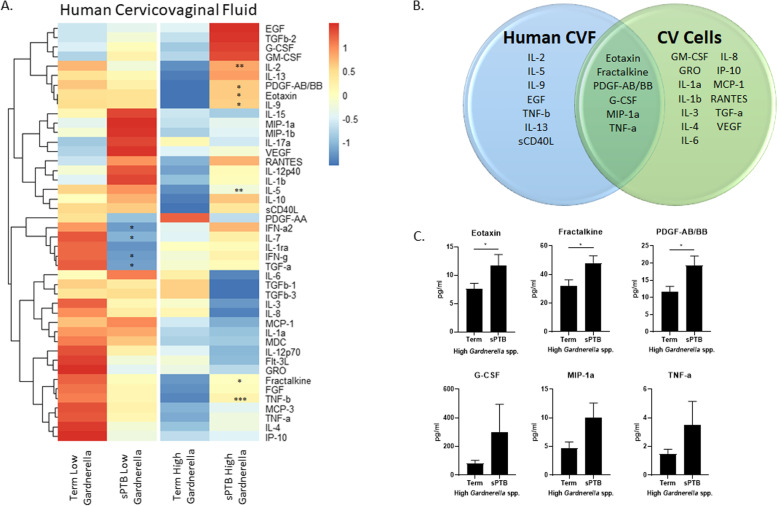
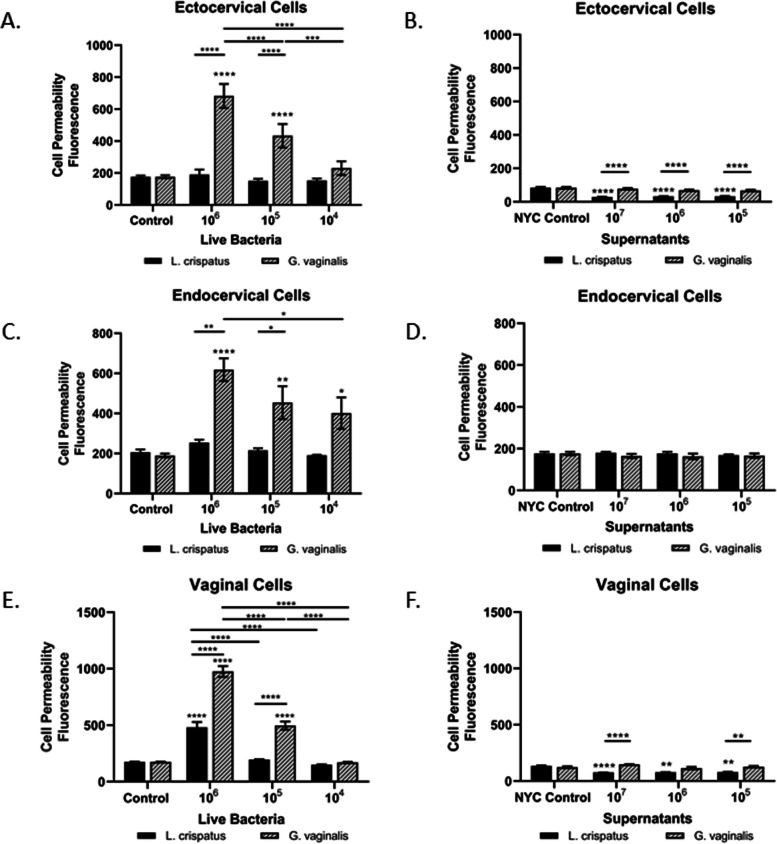
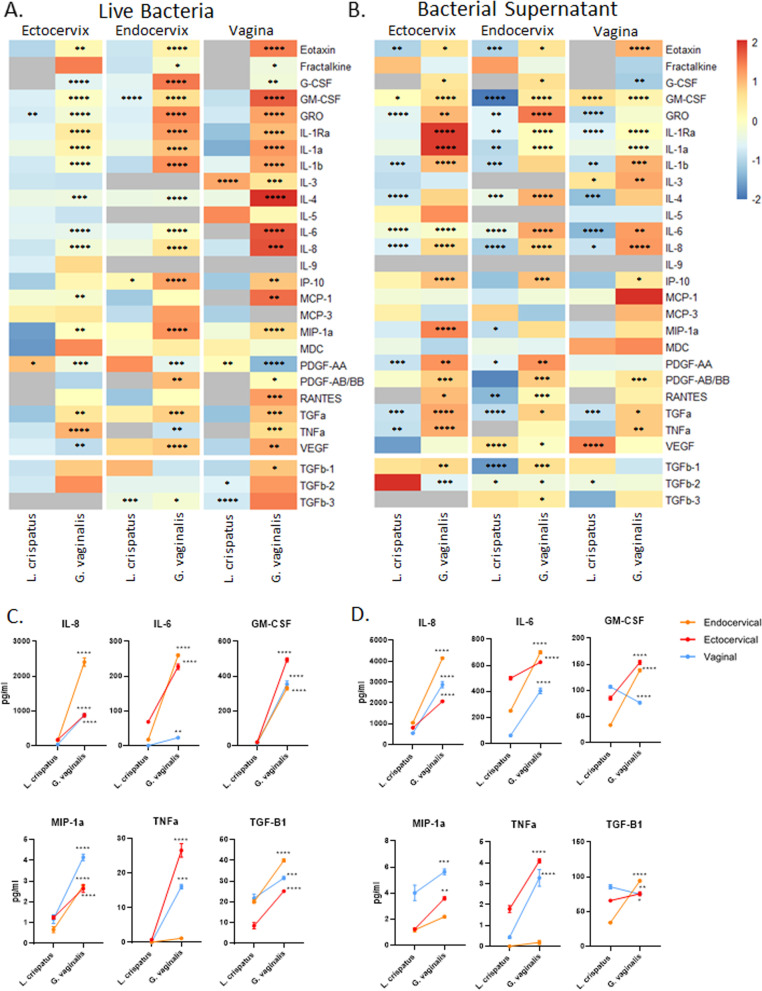
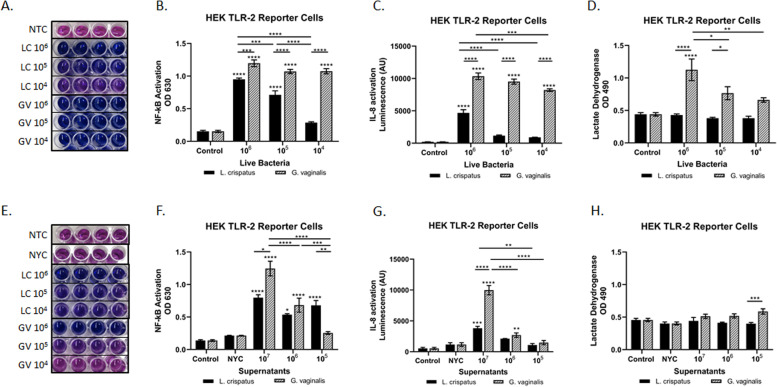
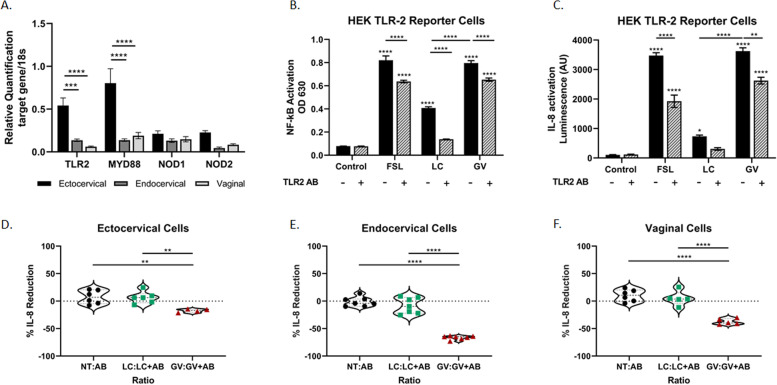
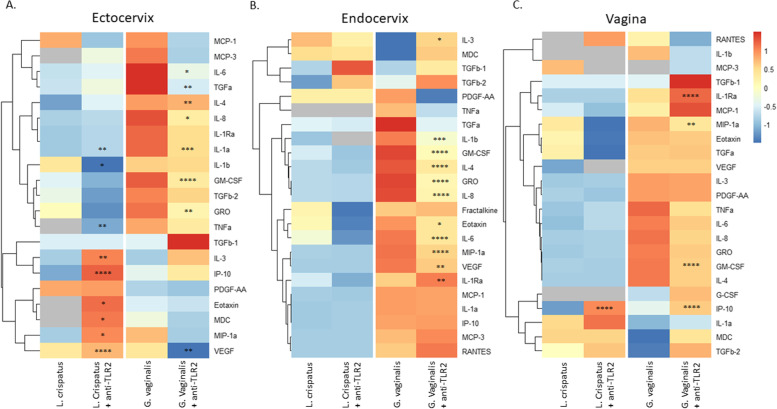
Using an in vitro co-culture model, we assessed the effects of Lactobacillus crispatus (L. crispatus) and G. vaginalis on the CV epithelial barrier, the immune mediators that could be contributing to decreased barrier integrity and the immune signaling pathways regulating the immune response. G. vaginalis, but not L. crispatus, significantly increased epithelial cell death and decreased epithelial barrier integrity in an epithelial cell-specific manner. A G. vaginalis-mediated epithelial immune response including NF-κB activation and proinflammatory cytokine release was initiated partially through TLR2-dependent signaling pathways. Additionally, investigation of the cytokine immune profile in human CV fluid showed distinctive clustering of cytokines by Gardnerella spp. abundance and birth outcome.
The results of this study show microbe-specific effects on CV epithelial function. Altered epithelial barrier function through cell death and immune-mediated mechanisms by G. vaginalis, but not L. crispatus, indicates that host epithelial cells respond to bacteria-associated signals, resulting in altered epithelial function and ultimately CV disease. Additionally, distinct immune signatures associated with Gardnerella spp. or birth outcome provide further evidence that host-microbial interactions may contribute significantly to the biological mechanisms regulating reproductive outcomes. Video Abstract.
宫颈阴道(CV)微生物群与妊娠和非妊娠个体的阴道健康和疾病高度相关。CV 空间中 Gardnerella vaginalis(G. vaginalis)的过度生长通常与不良生殖结局相关,包括细菌性阴道病(BV)、性传播疾病和早产,而乳酸杆菌属的存在通常与生殖健康相关。虽然宿主-微生物相互作用被认为有助于 CV 健康和疾病,但这些相互作用调节 CV 上皮功能的机制在很大程度上仍不清楚。
我们使用体外共培养模型评估了 Lactobacillus crispatus(L. crispatus)和 G. vaginalis 对 CV 上皮屏障的影响、可能导致屏障完整性降低的免疫介质以及调节免疫反应的免疫信号通路。G. vaginalis 而非 L. crispatus 以细胞特异性方式显著增加上皮细胞死亡并降低上皮屏障完整性。G. vaginalis 介导的上皮免疫反应包括 NF-κB 激活和促炎细胞因子释放,部分通过 TLR2 依赖性信号通路启动。此外,对人 CV 液中的细胞因子免疫谱进行研究表明,细胞因子根据 Gardnerella spp. 的丰度和出生结局呈独特的聚类。
这项研究的结果表明微生物对 CV 上皮功能具有特异性影响。通过细胞死亡和免疫介导的机制,G. vaginalis 而非 L. crispatus 改变上皮屏障功能,表明宿主上皮细胞对与细菌相关的信号做出反应,导致上皮功能改变,最终导致 CV 疾病。此外,与 Gardnerella spp. 或出生结局相关的独特免疫特征进一步证明,宿主-微生物相互作用可能对调节生殖结局的生物学机制有重要贡献。视频摘要。