Solís Doina, Toro Magaly, Navarrete Paola, Faúndez Patricio, Reyes-Jara Angélica
Laboratorio de Microbiología y Probióticos, Instituto de Nutrición y Tecnología de los Alimentos (INTA), Universidad de Chile, Santiago, Chile.
Red de Atención Veterinaria, Hospital de Alta Complejidad Bilbao, Universidad de Chile, Santiago, Chile.
Front Vet Sci. 2022 Jul 18;9:799710. doi: 10.3389/fvets.2022.799710. eCollection 2022.
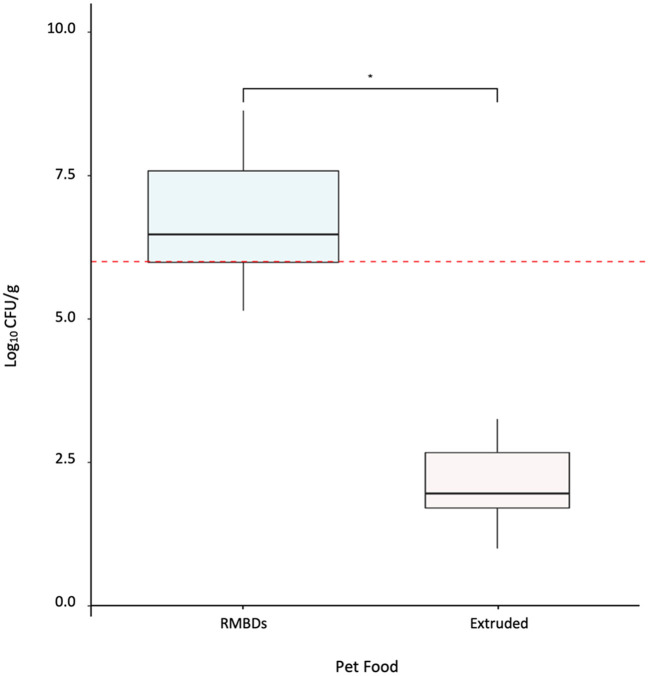
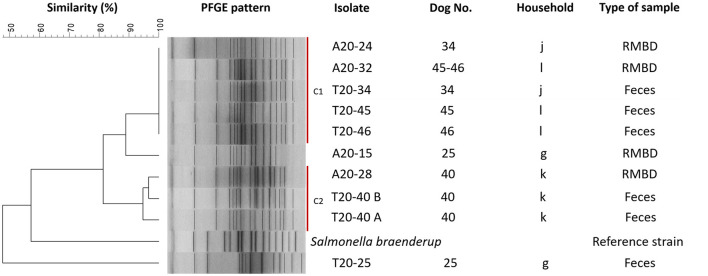
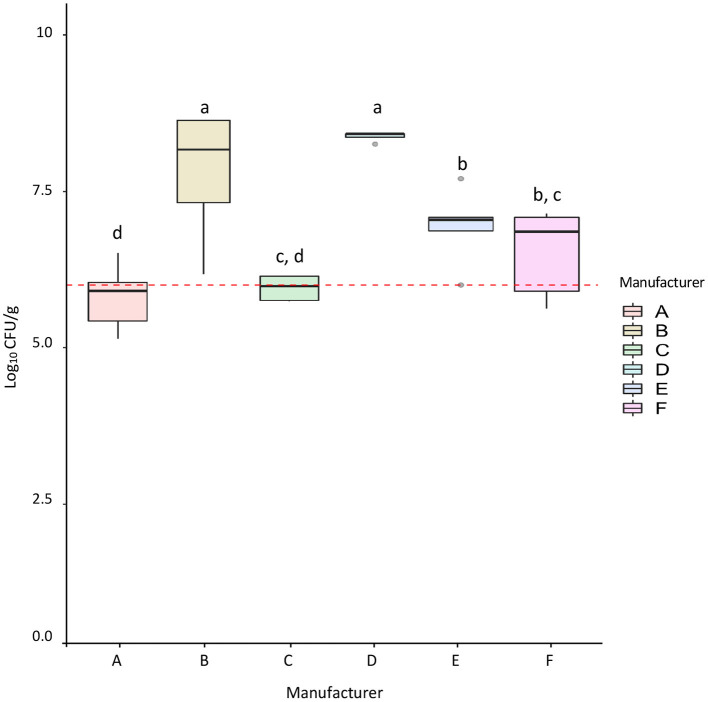
Pet food can be a source of microbiological hazards that might affect companion animals and owners. Even though owners usually rely on conventional pet diets, such as extruded diets, new feeding practices, such as raw meat-based diets (RMBDs), have grown. RMBDs' benefits are still scientifically uncertain, while its risks have been documented. The use of canine RMBDs might increase the exposure to zoonotic pathogens, such as spp., spp., among others. Identifying pathogen prevalence in canine food and pets is required to contribute to public health measures. The aims of this study were: (1) to compare the microbiological quality of RMBDs and extruded diets (2) to identify and compare the prevalence of , and from raw and extruded canine diets and canine fecal samples, and (3) to characterize pet owners according to the diet chosen to be used on their pets, their motivations for using RMBDs, and their knowledge about benefits and risks related to this feeding practice. Conventional and molecular microbiological methods were used to identify pathogen presence from food and fecal samples, while pulsed-field gel electrophoresis (PFGE) was performed to evaluate the clonal relationship between isolates. Aerobic plate counts for RMBDs were higher than those detected for extruded diets. spp. and were isolated from 35.7% (15/42) RMBDs, while spp., , and from 33.3% (11/33) fecal samples from RMBD-fed dogs. From the RMBD samples positive to spp., chicken was the main meat ingredient composing the diets. PFGE analysis confirmed a genetic association between spp. isolates from fecal and raw food samples from the same household. We did not detect pathogens from extruded food samples or feces from extruded-fed dogs. Using a survey, we identified dog owners' unawareness and/or underestimation of risks related to RMBDs. We demonstrated that canine raw pet food might be a source of zoonotic foodborne pathogens that represent a health risk for both humans and pets. While clinical findings caused by the mentioned pathogens vary among pets, the zoonotic potential implies a significant concern.
宠物食品可能是影响伴侣动物及其主人的微生物危害源。尽管主人通常依赖传统宠物食品,如挤压成型的食品,但新的喂养方式,如生肉为主的饮食(RMBDs),已经兴起。RMBDs的益处仍缺乏科学定论,但其风险已有记录。食用犬用RMBDs可能会增加接触人畜共患病原体的风险,如某些菌种等。确定犬类食品和宠物中病原体的流行情况有助于公共卫生措施的制定。本研究的目的是:(1)比较RMBDs和挤压成型食品的微生物质量;(2)识别并比较生的和挤压成型的犬类食品以及犬类粪便样本中某些菌种的流行情况;(3)根据主人为宠物选择的饮食、使用RMBDs的动机以及他们对这种喂养方式的益处和风险的了解情况,对宠物主人进行特征描述。采用传统和分子微生物学方法从食品和粪便样本中鉴定病原体的存在,同时进行脉冲场凝胶电泳(PFGE)以评估分离株之间的克隆关系。RMBDs的需氧平板计数高于挤压成型食品。在42份RMBDs样本中,35.7%(15/42)检测出某些菌种,在食用RMBDs的犬类的33份粪便样本中,33.3%(11/33)检测出某些菌种、另一些菌种等。在对某些菌种呈阳性的RMBDs样本中,鸡肉是构成饮食的主要肉类成分。PFGE分析证实,来自同一家庭的粪便和生食样本中的某些菌种分离株之间存在基因关联。我们在挤压成型食品样本或食用挤压成型食品的犬类粪便中未检测到病原体。通过一项调查,我们发现狗主人对RMBDs相关风险认识不足和/或估计不足。我们证明,犬用生宠物食品可能是人畜共患食源性病原体的来源,对人类和宠物都构成健康风险。虽然上述病原体引起的临床症状在宠物之间各不相同,但人畜共患的可能性令人高度关注。