Sars International Centre for Marine Molecular Biology, University of Bergen, Bergen, Norway.
PLoS Biol. 2022 Aug 4;20(8):e3001744. doi: 10.1371/journal.pbio.3001744. eCollection 2022 Aug.
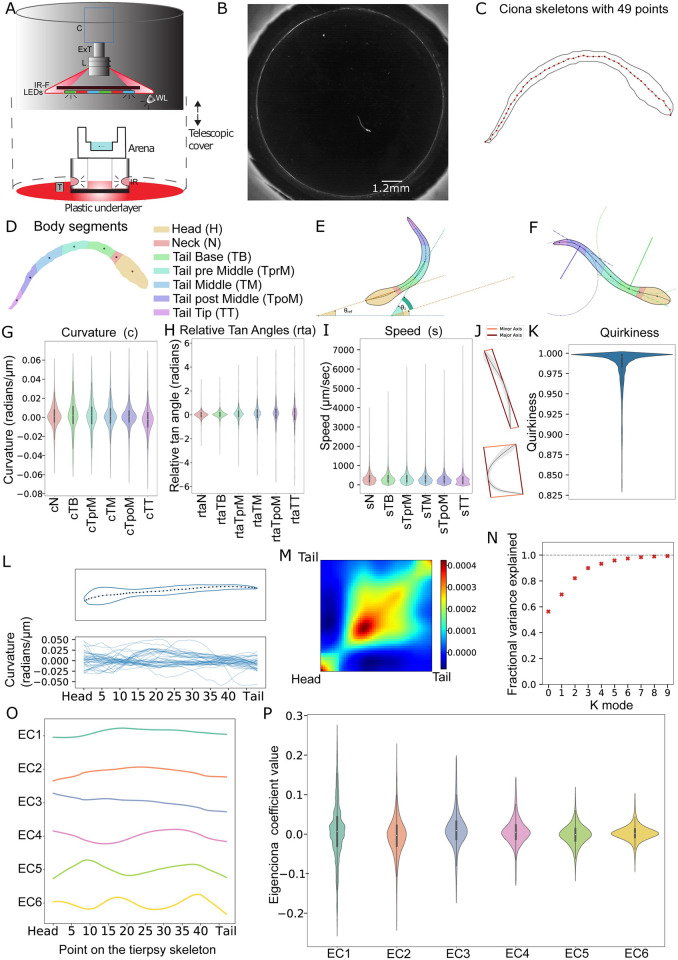
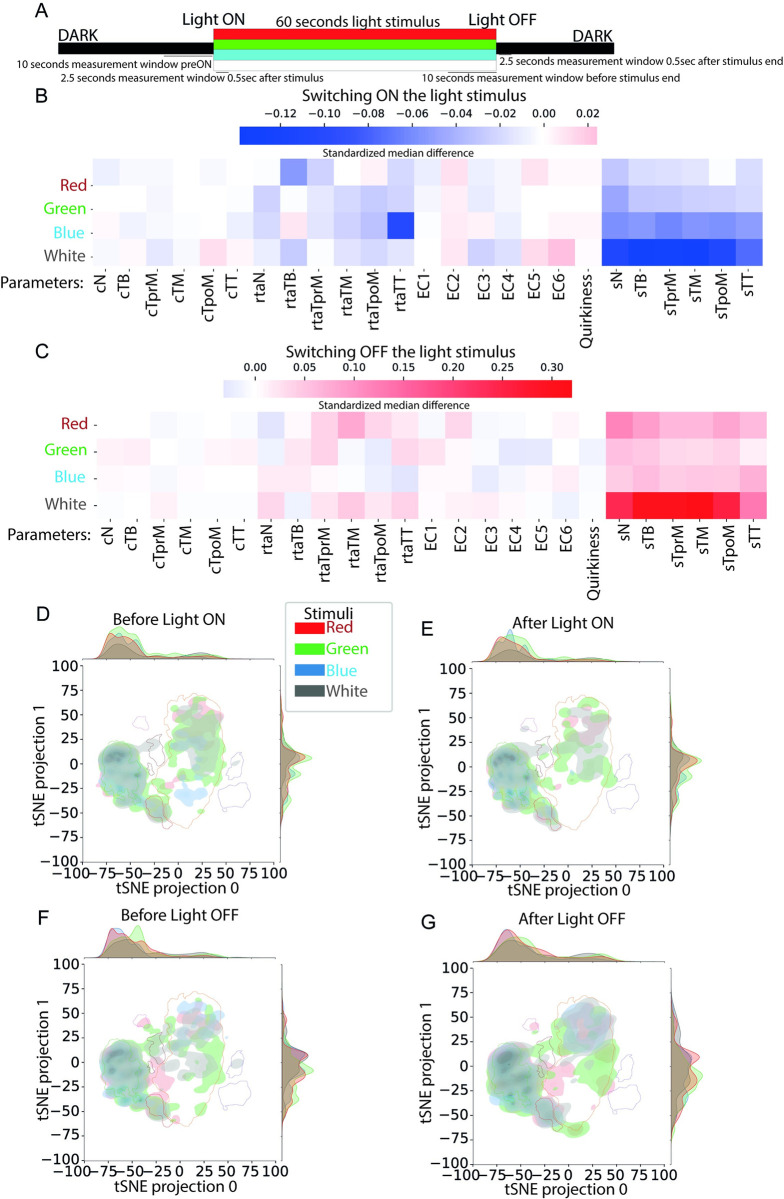
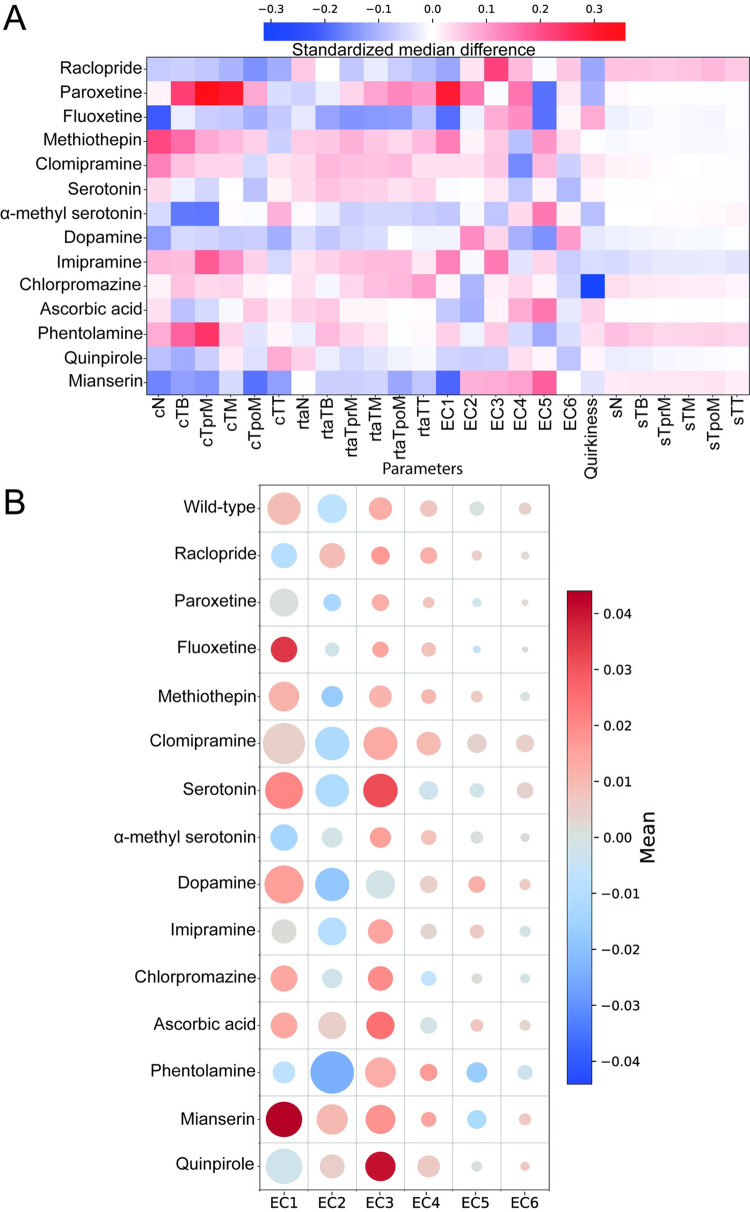
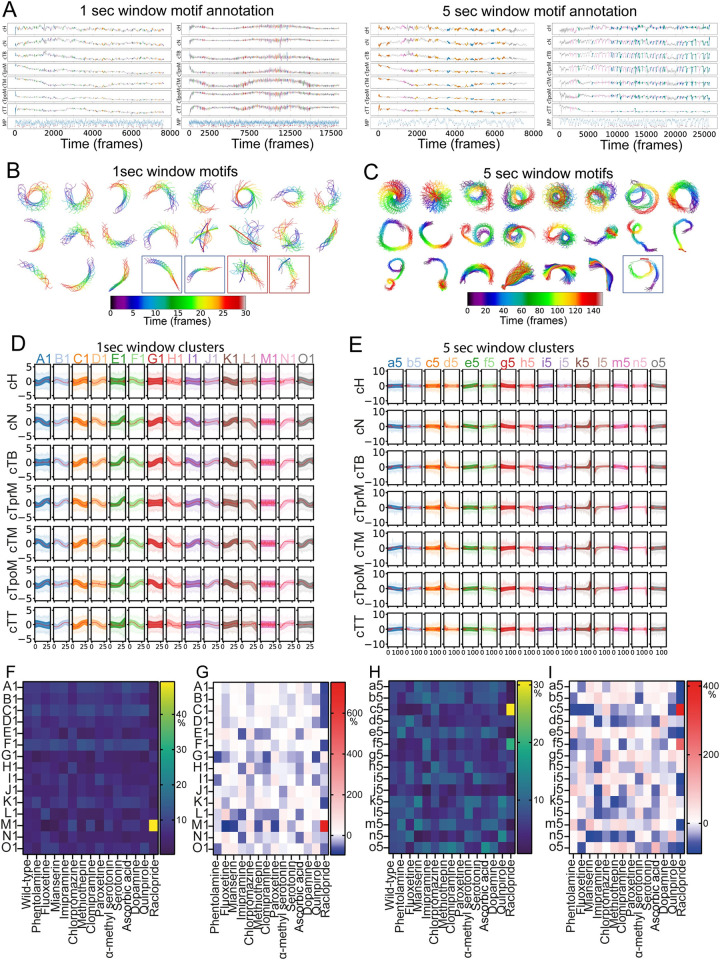
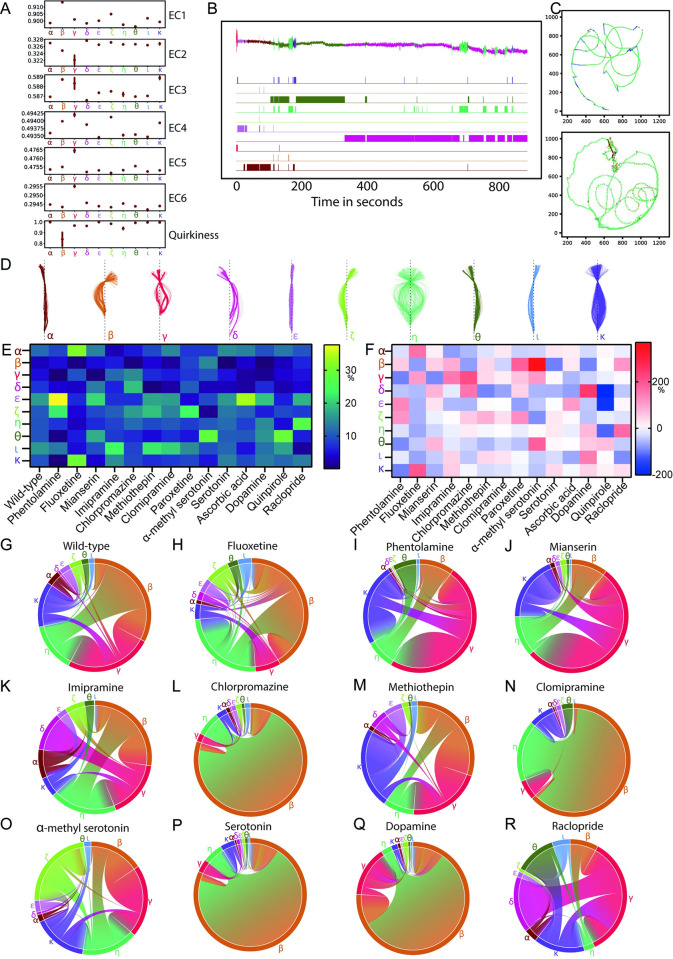
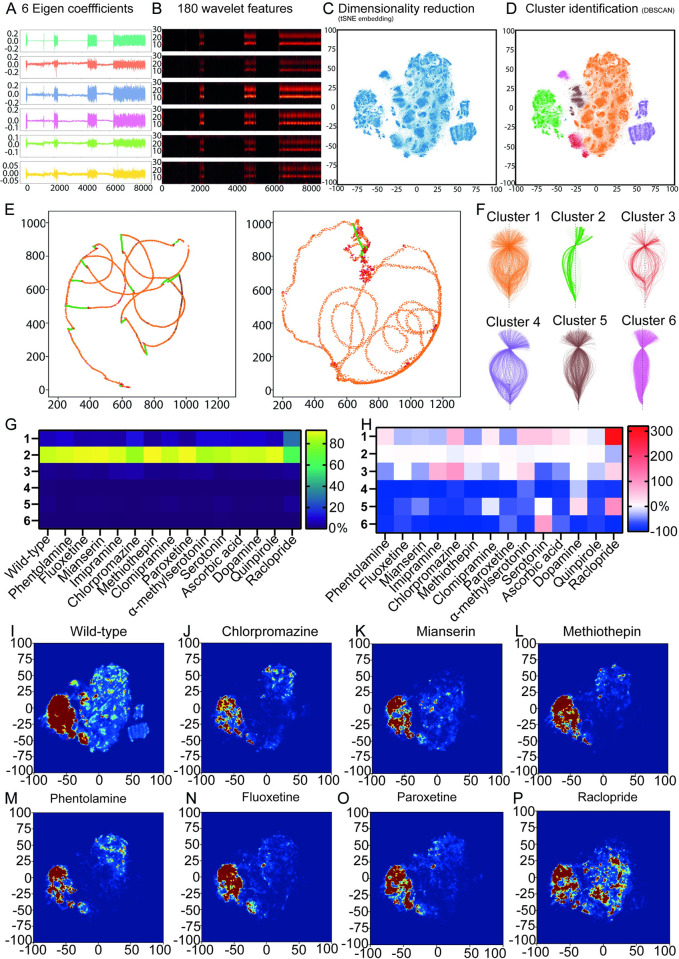
Vertebrate nervous systems can generate a remarkable diversity of behaviors. However, our understanding of how behaviors may have evolved in the chordate lineage is limited by the lack of neuroethological studies leveraging our closest invertebrate relatives. Here, we combine high-throughput video acquisition with pharmacological perturbations of bioamine signaling to systematically reveal the global structure of the motor behavioral repertoire in the Ciona intestinalis larvae. Most of Ciona's postural variance can be captured by 6 basic shapes, which we term "eigencionas." Motif analysis of postural time series revealed numerous stereotyped behavioral maneuvers including "startle-like" and "beat-and-glide." Employing computational modeling of swimming dynamics and spatiotemporal embedding of postural features revealed that behavioral differences are generated at the levels of motor modules and the transitions between, which may in part be modulated by bioamines. Finally, we show that flexible motor module usage gives rise to diverse behaviors in response to different light stimuli.
脊椎动物的神经系统可以产生多种多样的行为。然而,由于缺乏利用我们最接近的无脊椎动物近亲进行神经行为学研究,我们对脊索动物谱系中的行为如何进化的理解受到了限制。在这里,我们结合高通量视频采集和生物胺信号的药理学干扰,系统地揭示了秀丽隐杆线虫幼虫运动行为组合的整体结构。秀丽隐杆线虫的大部分姿势变化可以由 6 种基本形状来捕捉,我们将其称为“eigencionas”。姿势时间序列的基元分析揭示了许多刻板的行为动作,包括“惊跳样”和“拍打-滑行”。通过游泳动力学的计算建模和姿势特征的时空嵌入,我们发现行为差异是在运动模块的水平和它们之间的转换中产生的,这可能部分受到生物胺的调节。最后,我们表明,灵活的运动模块使用会导致对不同光刺激产生不同的行为。