Department of Surgery, SUNY Upstate Medical Center, SUNY Upstate, 750 East Adams St., Syracuse, NY, 13210, USA.
Department of Medicine, University of Maryland, Baltimore, MD, USA.
Crit Care. 2022 Aug 7;26(1):242. doi: 10.1186/s13054-022-04105-x.
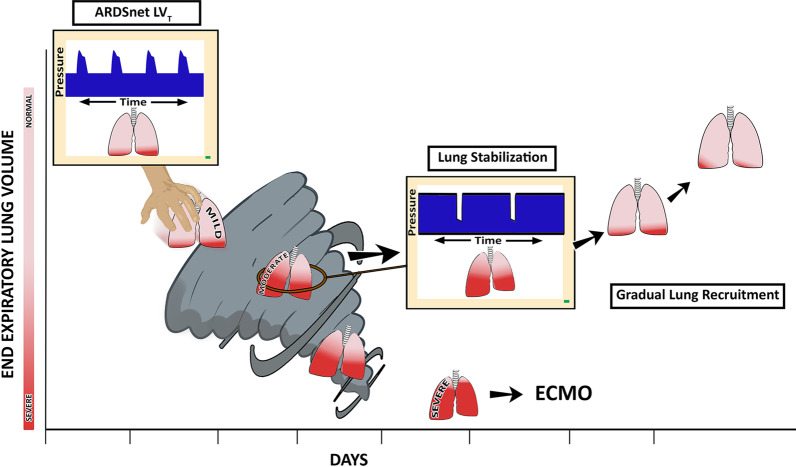
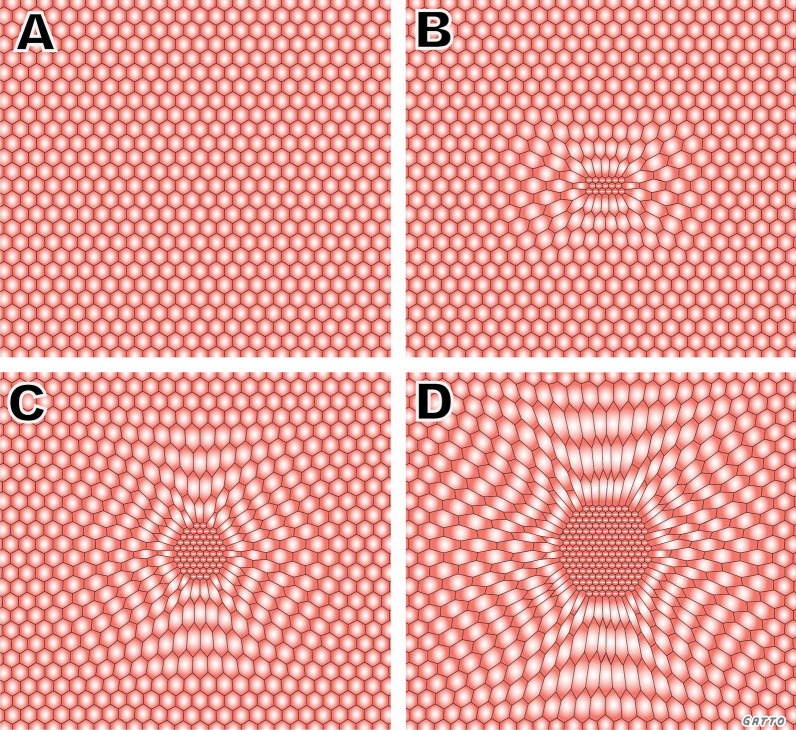
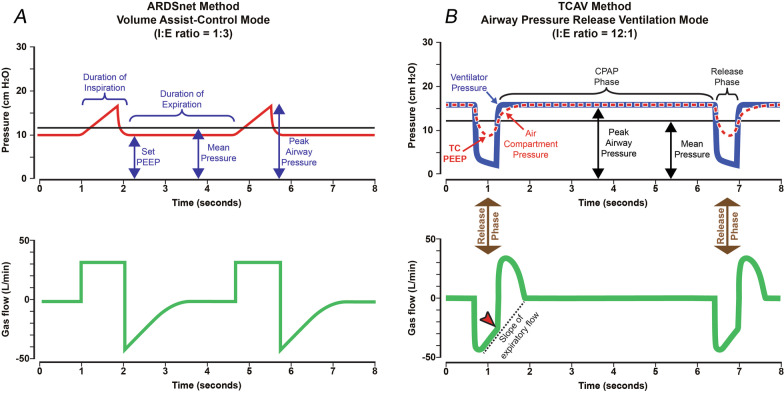
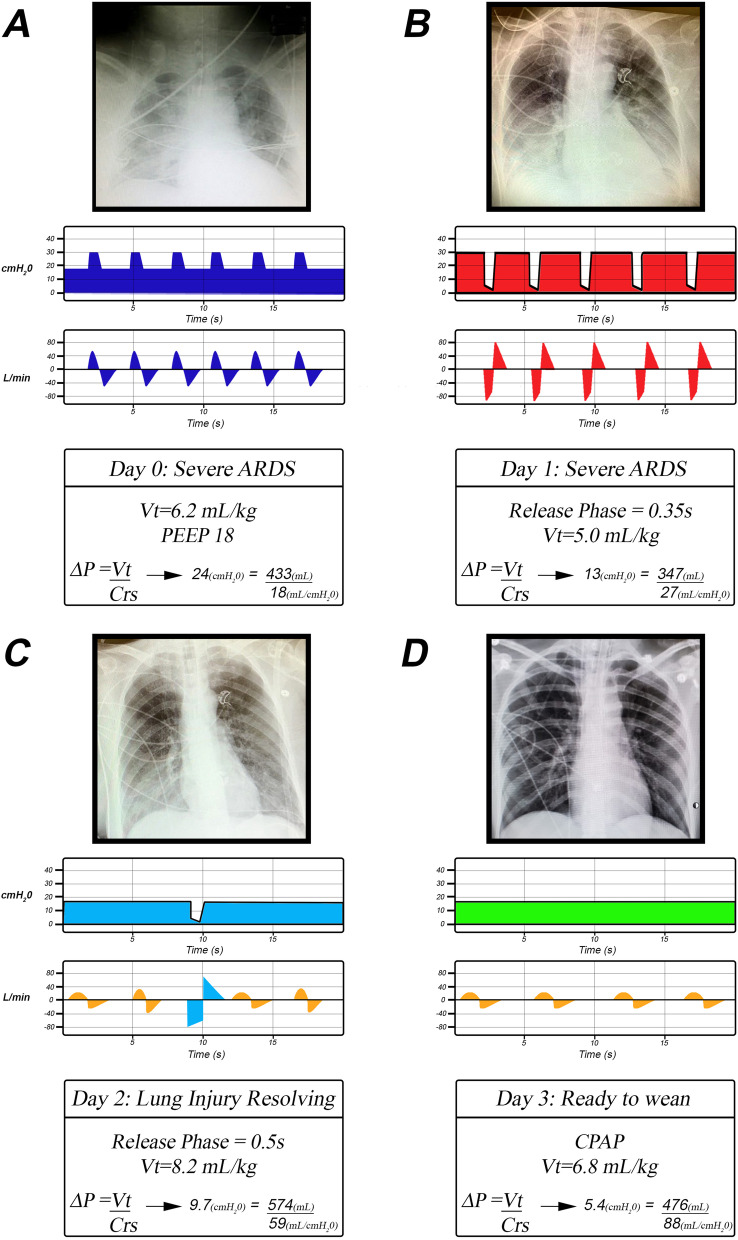
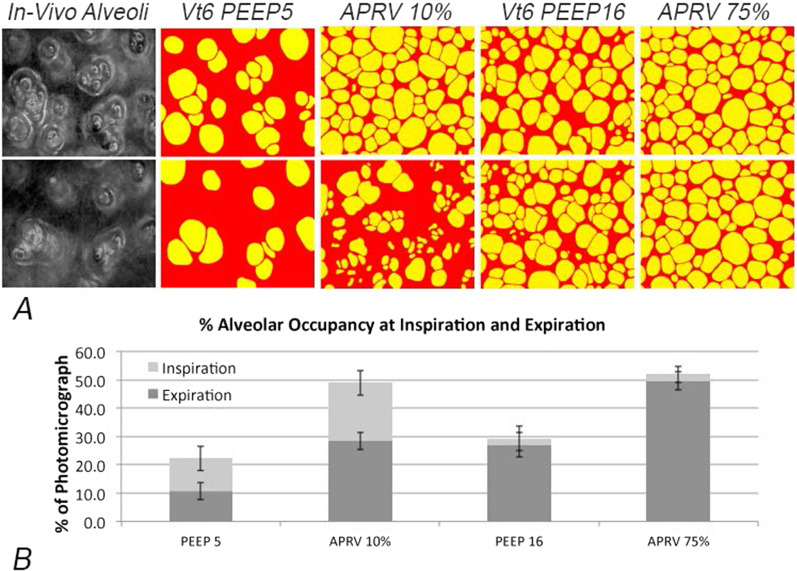
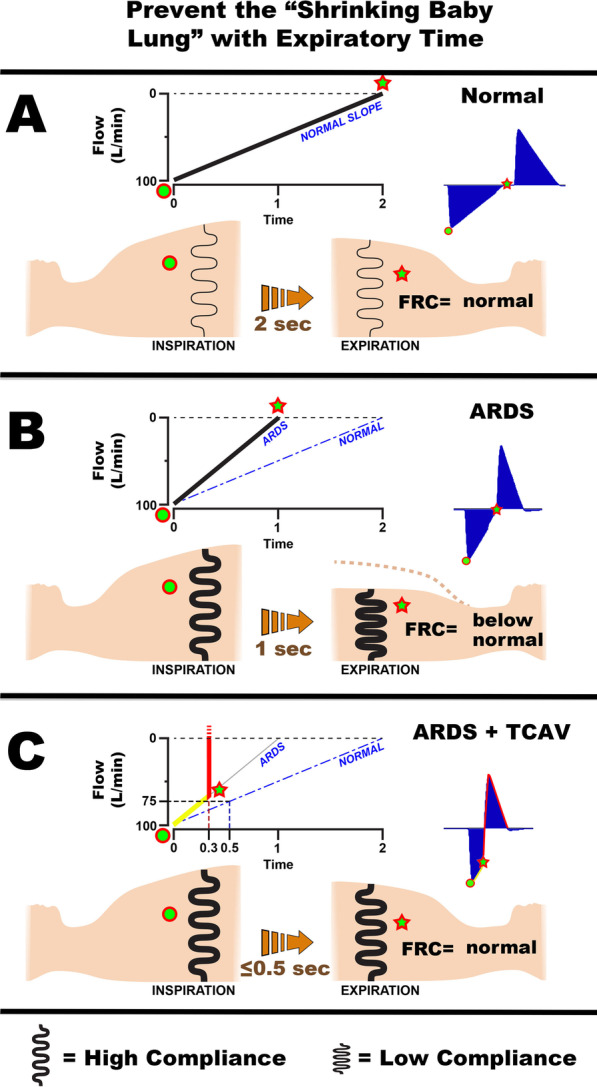
A hallmark of ARDS is progressive shrinking of the 'baby lung,' now referred to as the ventilator-induced lung injury (VILI) 'vortex.' Reducing the risk of the VILI vortex is the goal of current ventilation strategies; unfortunately, this goal has not been achieved nor has mortality been reduced. However, the temporal aspects of a mechanical breath have not been considered. A brief expiration prevents alveolar collapse, and an extended inspiration can recruit the atelectatic lung over hours. Time-controlled adaptive ventilation (TCAV) is a novel ventilator approach to achieve these goals, since it considers many of the temporal aspects of dynamic lung mechanics.
ARDS 的一个标志是“婴儿肺”的逐渐缩小,现在称为呼吸机诱导肺损伤(VILI)“漩涡”。降低 VILI 漩涡的风险是当前通气策略的目标;不幸的是,这一目标尚未实现,死亡率也没有降低。然而,机械通气的时间方面尚未被考虑。短暂的呼气可以防止肺泡塌陷,而延长的吸气可以在数小时内募集到肺不张的肺泡。时间控制自适应通气(TCAV)是一种新型的通气方法,可以实现这些目标,因为它考虑了动态肺力学的许多时间方面。