Kaczka David W
Department of Anesthesia, University of Iowa, Iowa City, IA, USA.
Roy J. Carver Department of Biomedical Engineering, University of Iowa, Iowa City, IA, USA.
Curr Opin Physiol. 2021 Jun;21:36-43. doi: 10.1016/j.cophys.2021.03.006. Epub 2021 Apr 20.
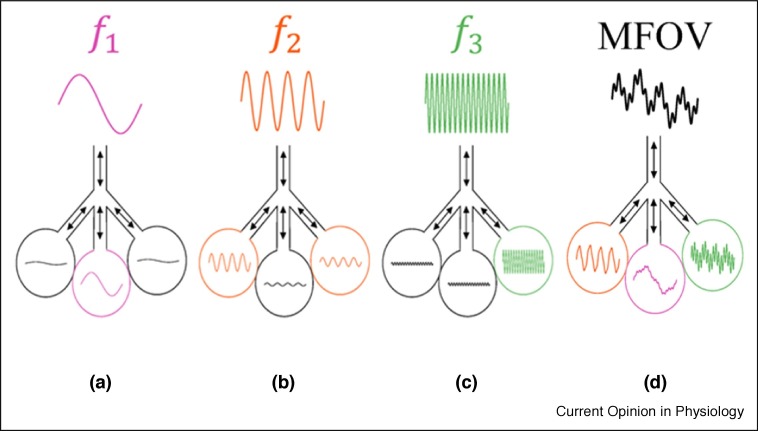
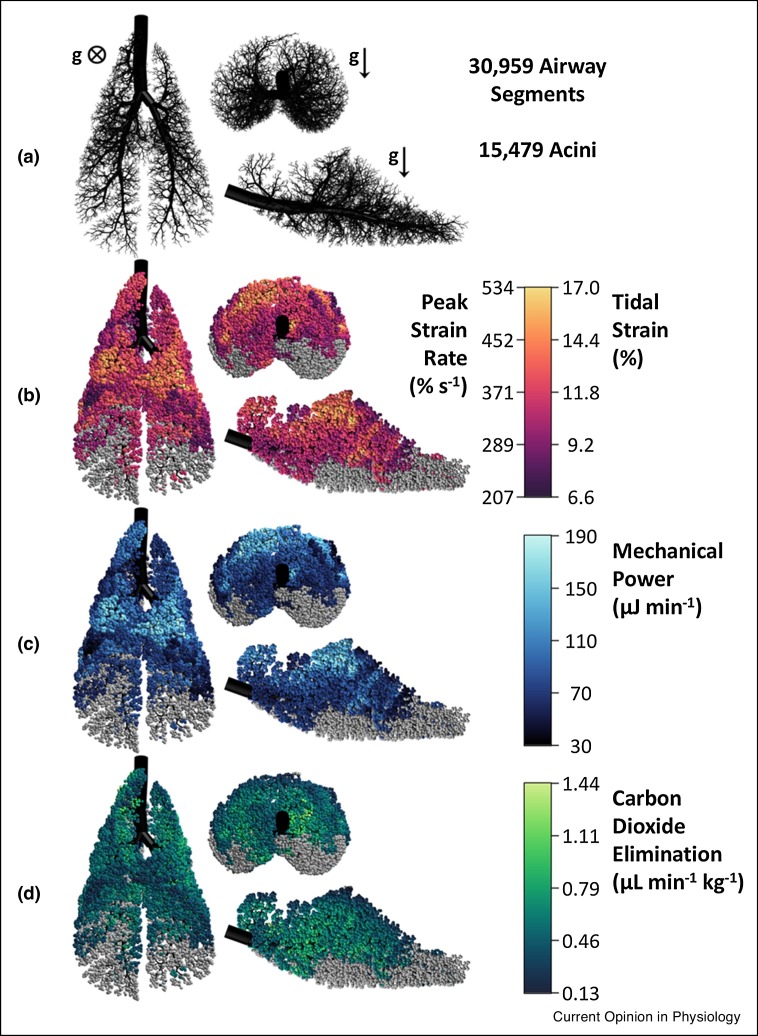
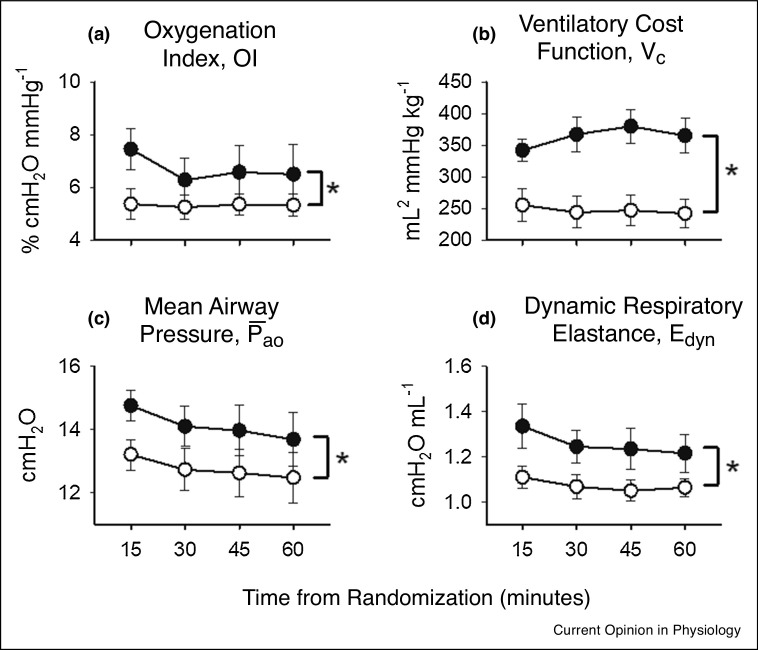
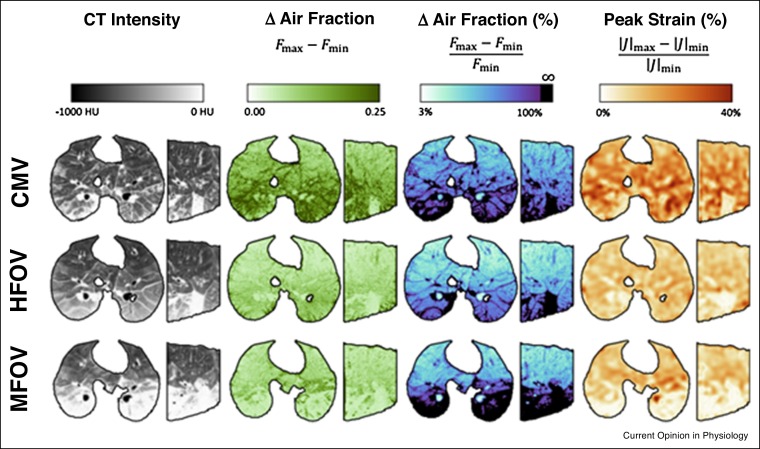
For patients with the acute respiratory distress syndrome (ARDS), ventilation strategies that limit end-expiratory derecruitment and end-inspiratory overdistension are the only interventions to have significantly reduced the morbidity and mortality. For this reason, the use of high-frequency oscillatory ventilation (HFOV) was considered to be an ideal protective strategy, given its reliance on very low tidal volumes cycled at very high rates. However, results from clinical trials in adults with ARDS have demonstrated that HFOV does not improve clinical outcomes. Recent experimental and computational studies have shown that oscillation of a mechanically heterogeneous lung with multiple simultaneous frequencies can reduce parenchymal strain, improve gas exchange, and maintain lung recruitment at lower distending pressures compared to traditional 'single-frequency' HFOV. This review will discuss the theoretical rationale for the use of multiple oscillatory frequencies in ARDS, as well as the mechanisms by which it may reduce the risk for ventilator-induced lung injury.
对于急性呼吸窘迫综合征(ARDS)患者,限制呼气末肺不张和吸气末过度扩张的通气策略是唯一能显著降低发病率和死亡率的干预措施。因此,高频振荡通气(HFOV)被认为是一种理想的保护策略,因为它依赖于以非常高的频率循环的极低潮气量。然而,针对成人ARDS患者的临床试验结果表明,HFOV并不能改善临床结局。最近的实验和计算研究表明,与传统的“单频”HFOV相比,具有多个同时频率的机械异质性肺的振荡可以降低实质应变、改善气体交换,并在较低的扩张压力下维持肺复张。本综述将讨论在ARDS中使用多个振荡频率的理论依据,以及它可能降低呼吸机诱导性肺损伤风险的机制。