Department of Electrical and Computer EngineeringKansas State University Manhattan KS 66506 USA.
Department of Cancer BiologyThe University of Kansas Medical Center Kansas City KS 66160 USA.
IEEE J Transl Eng Health Med. 2022 Jun 27;10:4300208. doi: 10.1109/JTEHM.2022.3186836. eCollection 2022.
Pancreatic cancer (PC) is a silent killer, because its detection is difficult and to date no effective treatment has been developed. In the US, the current 5-year survival rate of 11%. Therefore, PC has to be detected as early as possible.
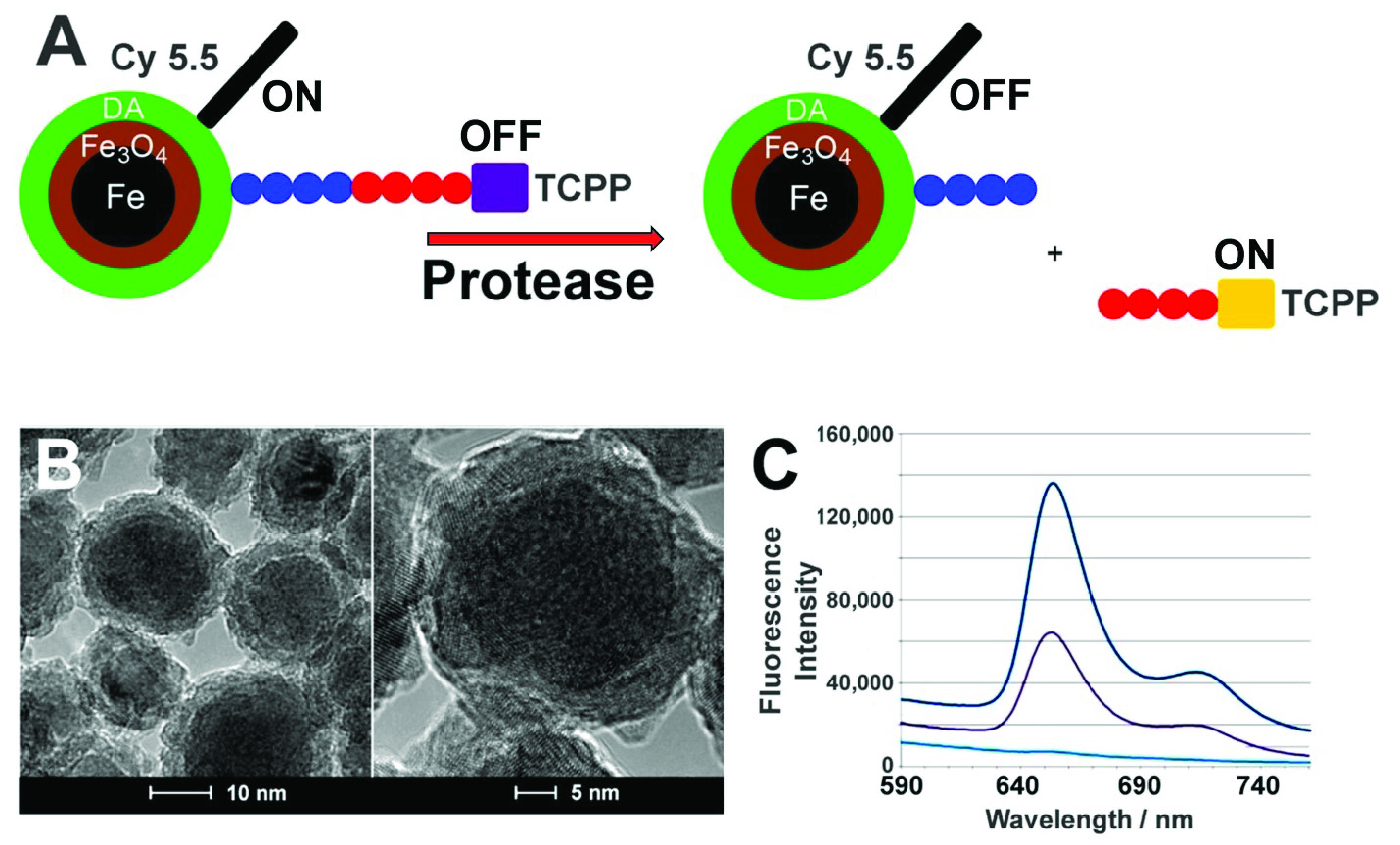
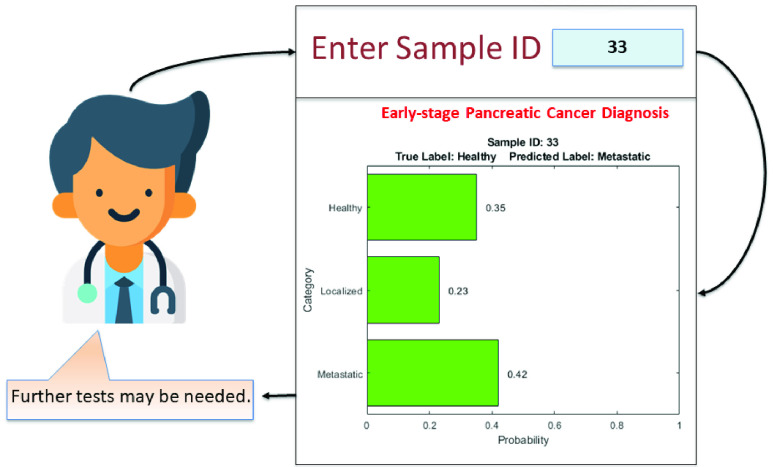
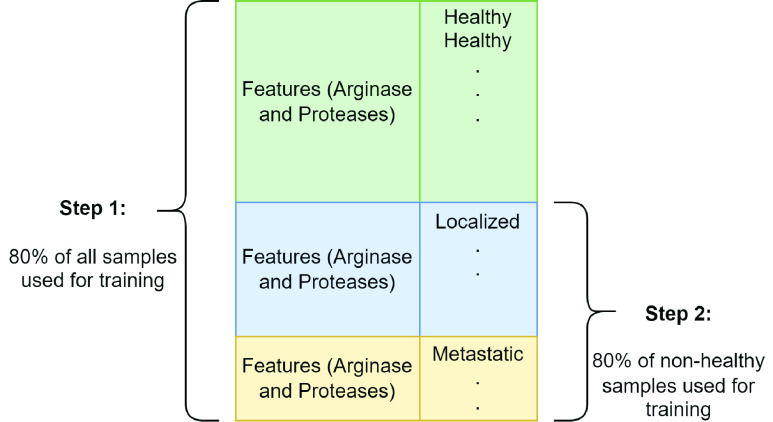
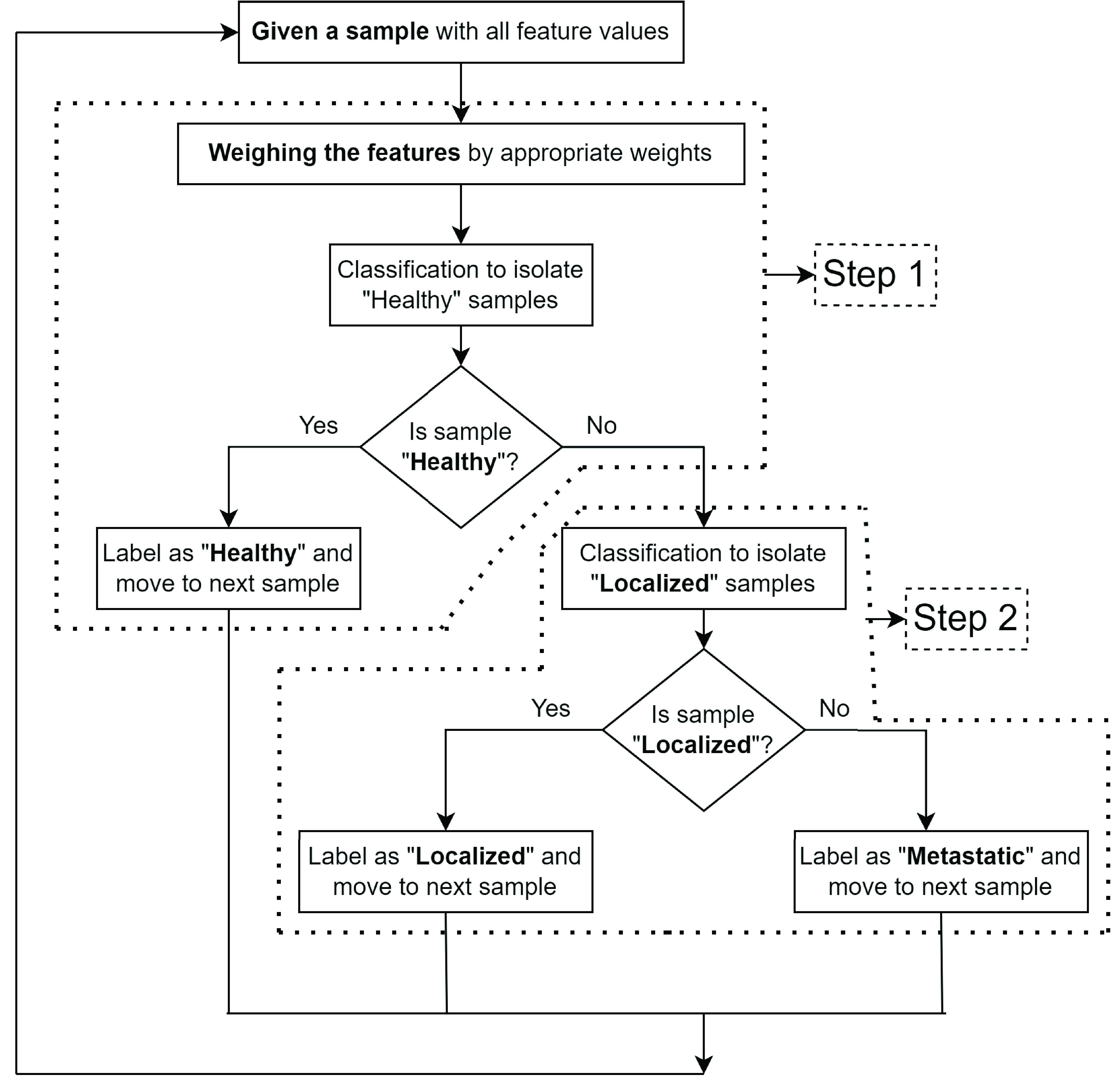
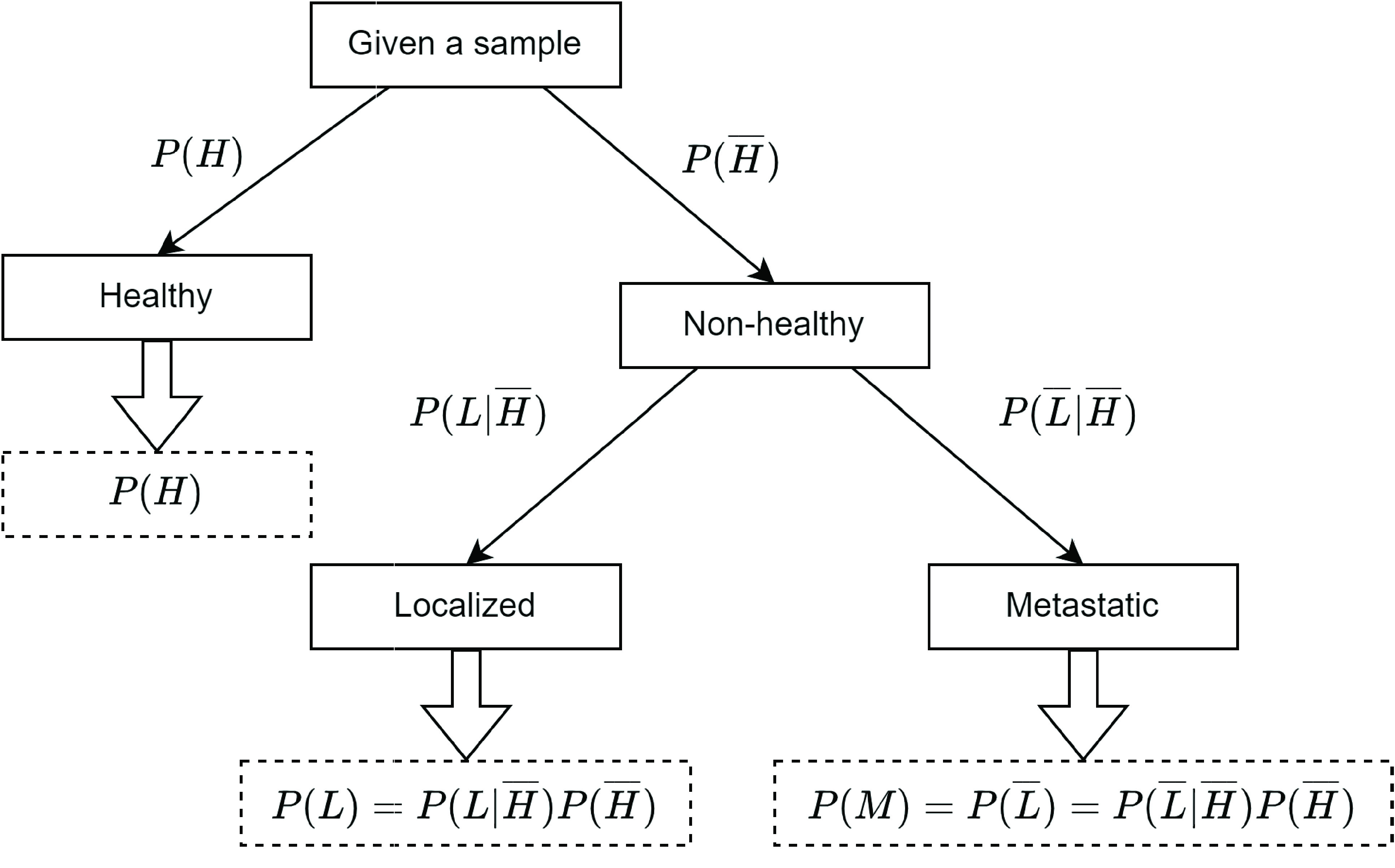
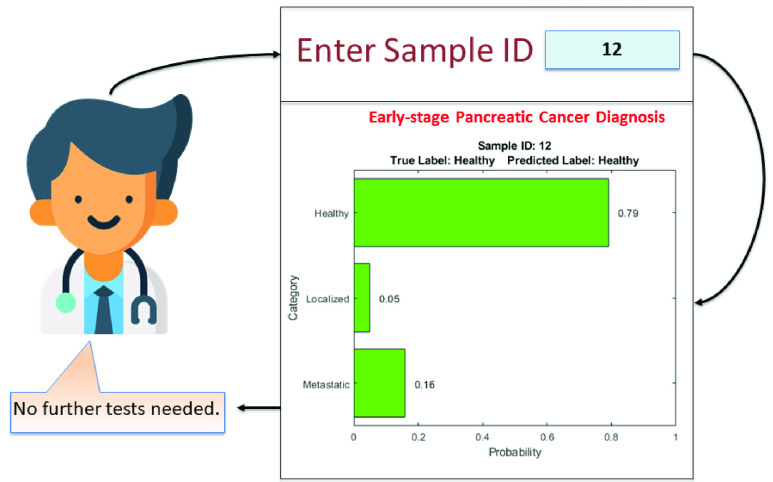
In this work, we have combined the use of ultrasensitive nanobiosensors for protease/arginase detection with information fusion based hierarchical decision structure to detect PC at the localized stage by means of a simple Liquid Biopsy. The problem of early-stage detection of pancreatic cancer is modelled as a multi-class classification problem. We propose a Hard Hierarchical Decision Structure (HDS) along with appropriate feature engineering steps to improve the performance of conventional multi-class classification approaches. Further, a Soft Hierarchical Decision Structure (SDS) is developed to additionally provide confidences of predicted labels in the form of class probability values. These frameworks overcome the limitations of existing research studies that employ simple biostatistical tools and do not effectively exploit the information provided by ultrasensitive protease/arginase analyses.
The experimental results demonstrate that an overall mean classification accuracy of around 92% is obtained using the proposed approach, as opposed to 75% with conventional multi-class classification approaches. This illustrates that the proposed HDS framework outperforms traditional classification techniques for early-stage PC detection.
Although this study is only based on 31 pancreatic cancer patients and a healthy control group of 48 human subjects, it has enabled combining Liquid Biopsies and Machine Learning methodologies to reach the goal of earliest PC detection. The provision of both decision labels (via HDS) as well as class probabilities (via SDS) helps clinicians identify instances where statistical model-based predictions lack confidence. This further aids in determining if more tests are required for better diagnosis. Such a strategy makes the output of our decision model more interpretable and can assist with the diagnostic procedure.
With further validation, the proposed framework can be employed as a decision support tool for the clinicians to help in detection of pancreatic cancer at early stages.
胰腺癌(PC)是一种无声杀手,因为其检测困难,迄今为止尚无有效的治疗方法。在美国,目前的 5 年生存率为 11%。因此,PC 必须尽早发现。
在这项工作中,我们将蛋白酶/精氨酸酶检测的超灵敏纳米生物传感器的使用与基于信息融合的层次决策结构相结合,通过简单的液体活检在局部阶段检测 PC。胰腺癌的早期检测问题被建模为多类分类问题。我们提出了一个硬层次决策结构(HDS)以及适当的特征工程步骤,以提高传统多类分类方法的性能。此外,还开发了一个软层次决策结构(SDS),以便以类概率值的形式提供预测标签的置信度。这些框架克服了现有研究的局限性,这些研究采用简单的生物统计工具,并且不能有效地利用超灵敏蛋白酶/精氨酸酶分析提供的信息。
实验结果表明,与传统的多类分类方法相比,所提出的方法总体平均分类准确率约为 92%,而传统的多类分类方法的准确率为 75%。这表明,所提出的 HDS 框架优于传统的分类技术,用于早期 PC 检测。
尽管这项研究仅基于 31 名胰腺癌患者和 48 名健康对照组,但它已经实现了将液体活检和机器学习方法相结合,以达到最早发现 PC 的目标。通过 HDS 提供决策标签(决策标签)以及 SDS 提供类概率(类概率),可以帮助临床医生识别基于统计模型的预测缺乏信心的情况。这进一步有助于确定是否需要进行更多测试以进行更好的诊断。这种策略使我们的决策模型的输出更具可解释性,并有助于诊断过程。
经过进一步验证,所提出的框架可以作为临床医生的决策支持工具,帮助他们在早期发现胰腺癌。