Department of Gastroenterology, Key Laboratory of Holistic Integrative Enterology, The Second Affiliated Hospital of Nanjing Medical University, Jiangsu, China.
Department of Pathogen Biology-Microbiology division, State Key Laboratory of Reproductive Medicine, Key Laboratory of Pathogen of Jiangsu Province, Key Laboratory of Human Functional Genomics of Jiangsu Province, Center of Global Health, Nanjing Medical University, Jiangsu, China.
Gut Microbes. 2022 Jan-Dec;14(1):2107288. doi: 10.1080/19490976.2022.2107288.
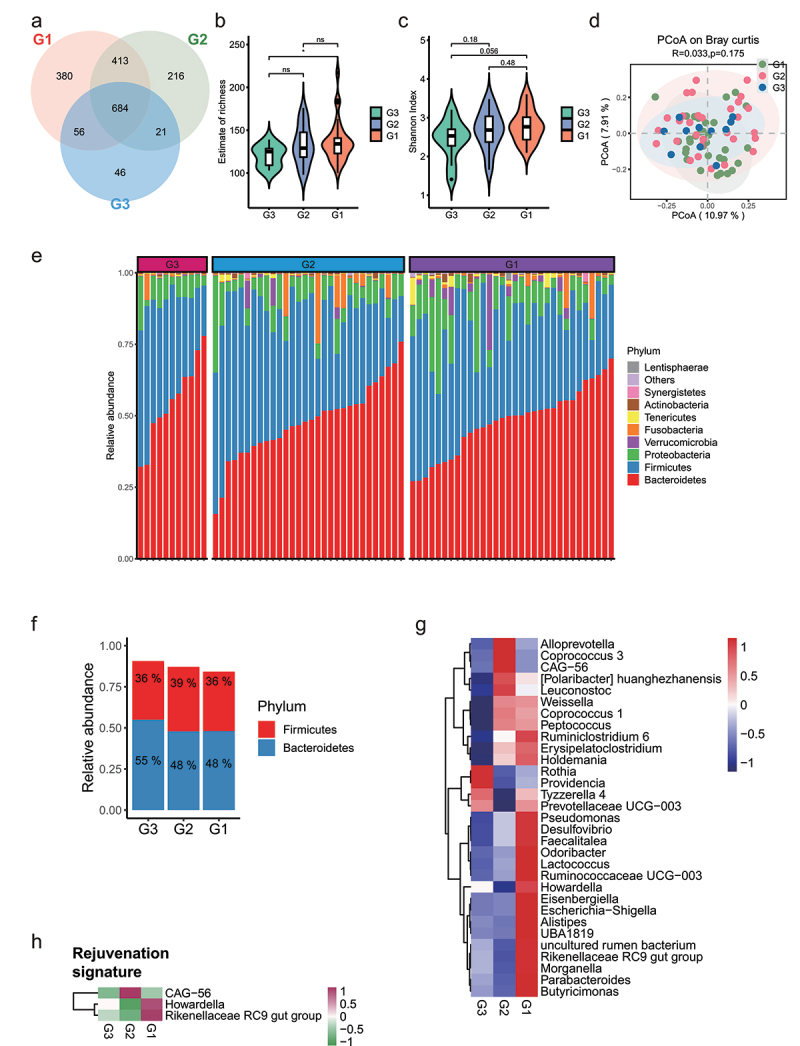
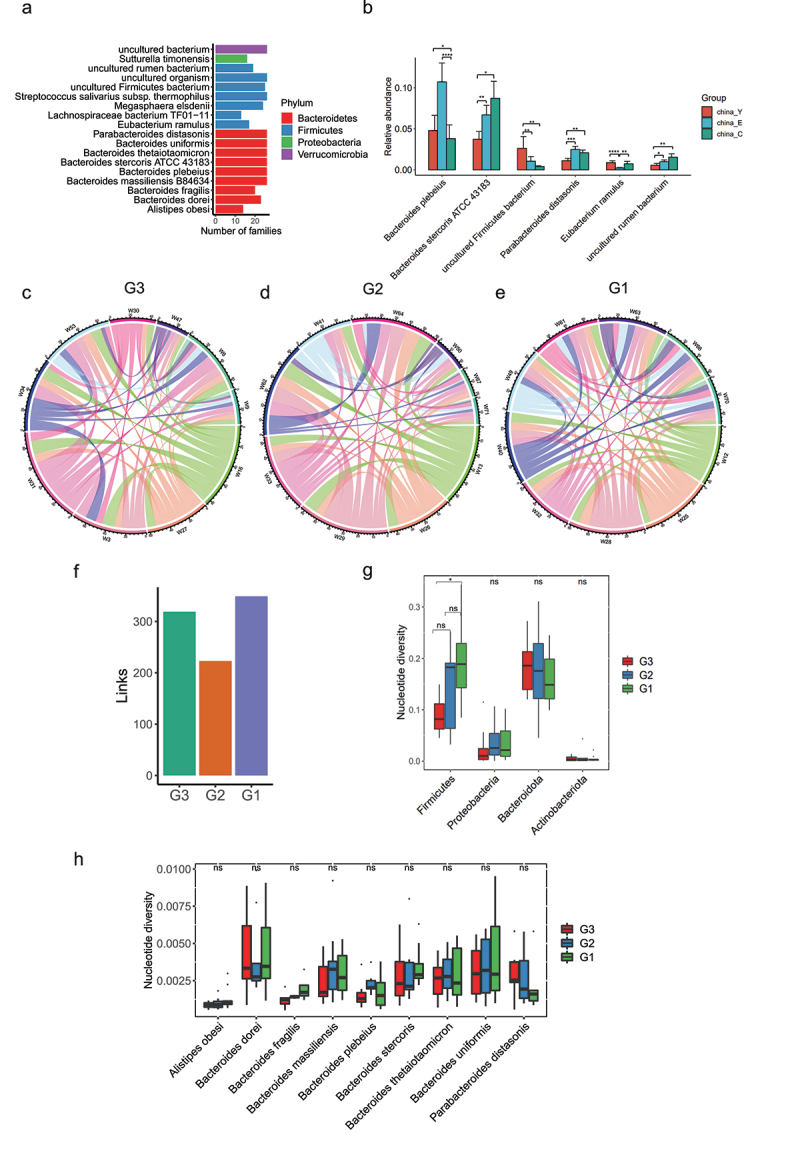
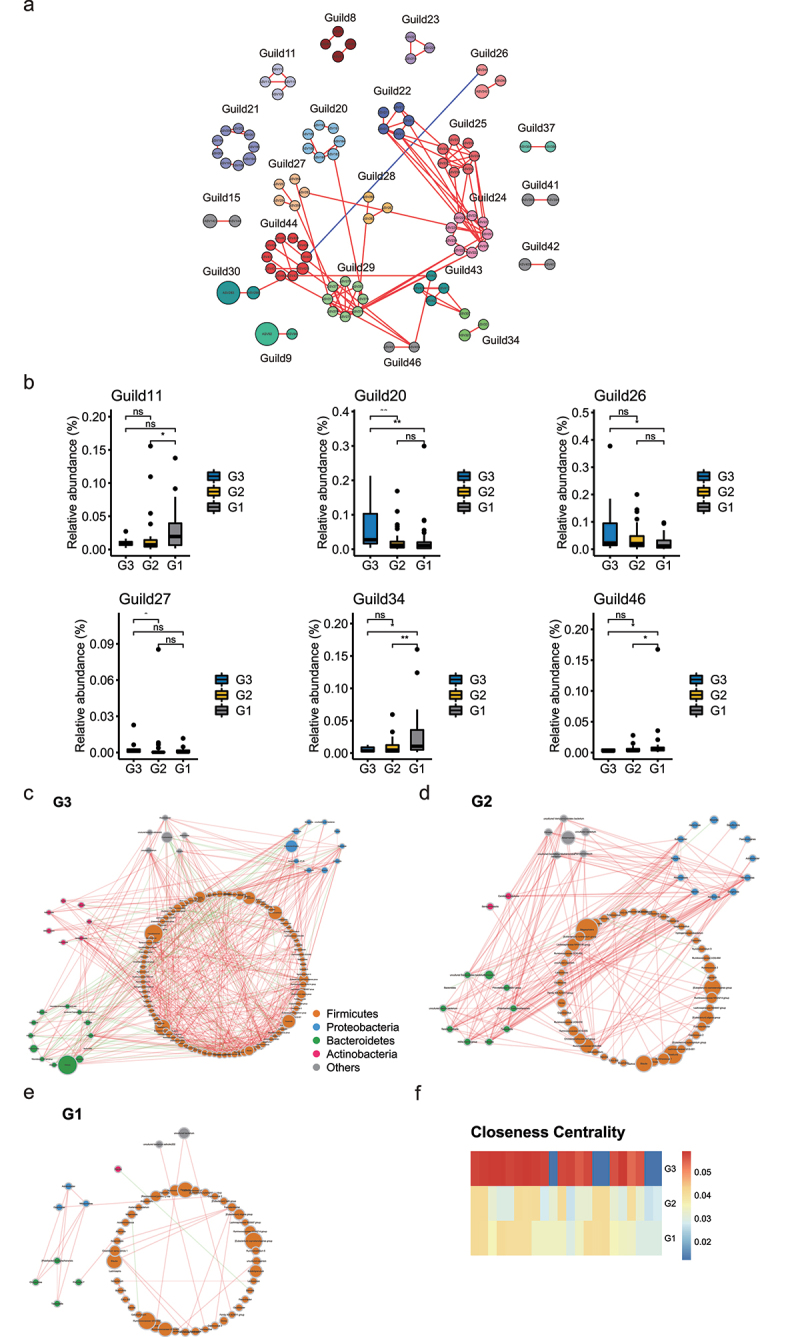
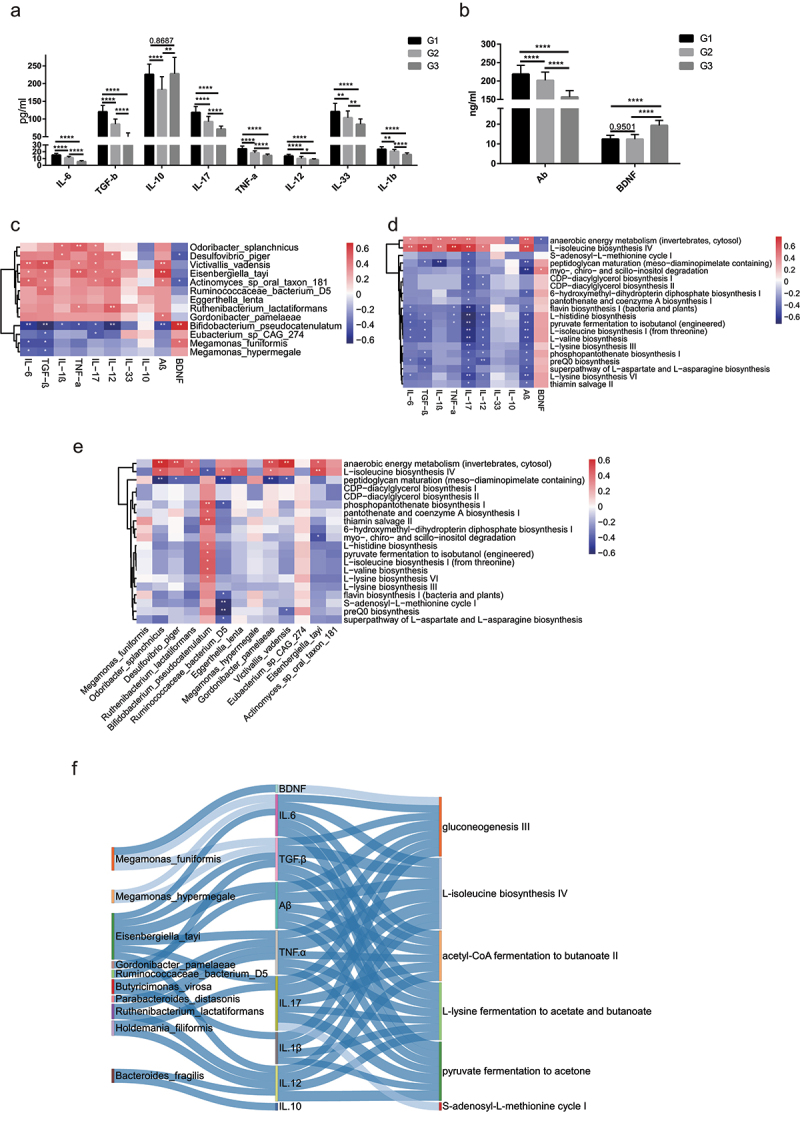
Human longevity has a strong familial and genetic component. Dynamic characteristics of the gut microbiome during aging associated with longevity, neural, and immune function remained unknown. Here, we aim to reveal the synergistic changes in gut microbiome associated with decline in neural and immune system with aging and further obtain insights into the establishment of microbiome homeostasis that can benefit human longevity. Based on 16S rRNA and metagenomics sequencing data for 32 longevity families including three generations, centenarians, elderly, and young groups, we found centenarians showed increased diversity of gut microbiota, severely damaged connection among bacteria, depleted in microbial-associated essential amino acid function, and increased abundance of anti-inflammatory bacteria in comparison to young and elderly groups. Some potential probiotic species, such as were enriched with aging, which might possibly support health maintenance. The level of Amyloid-β (Aβ) and brain-derived neurotrophic factor (BDNF) related to neural function showed increased and decreased with aging, respectively. The elevated level of inflammatory factors was observed in centenarians compared with young and elderly groups. The enriched in centenarians might promote longevity through up-regulating anti-inflammatory factor IL-10 expression to mediate the critical balance between health and disease. Impressively, the associated analysis for gut microbiota with the level of Aβ, BDNF, and inflammatory factors suggests could be a particularly beneficial bacteria in the improvement of impaired neural and immune function. Our results provide a rationale for targeting the gut microbiome in future clinical applications of aging-related diseases and extending life span.: : 16S ribosomal RNA; : Metagenome-assembled genomes; : Amplicon sequence variants; : Deoxyribonucleic acid; : False discovery rate: : Kyoto Encyclopedia of Genes and Genomes; : Principal coordinates analysis; : Polymerase chain reaction; : Phylogenetic Investigation of Communities by Reconstruction of Unobserved States; : Amyloid-β (Aβ); : Brain-derived neurotrophic factor.
人类的长寿与家族和遗传因素有很强的关联性。肠道微生物组在衰老过程中的动态特征与长寿、神经和免疫功能有关,但这些特征仍不清楚。在这里,我们旨在揭示与衰老相关的肠道微生物组的协同变化与神经系统和免疫系统的衰退,并进一步深入了解有助于人类长寿的微生物组稳态的建立。基于包括三代人、百岁老人、老年人和年轻人在内的 32 个长寿家族的 16S rRNA 和宏基因组测序数据,我们发现与年轻和老年组相比,百岁老人的肠道微生物多样性增加,细菌之间的联系严重受损,微生物相关必需氨基酸功能减少,抗炎细菌的丰度增加。一些潜在的益生菌物种,如 ,随着衰老而富集,这可能有助于维持健康。与神经功能相关的淀粉样蛋白-β (Aβ) 和脑源性神经营养因子 (BDNF) 的水平分别随着衰老而增加和减少。与年轻和老年组相比,百岁老人组中观察到炎症因子水平升高。与年轻和老年组相比,百岁老人组中丰富的 可能通过上调抗炎因子 IL-10 的表达来促进长寿,从而介导健康与疾病之间的关键平衡。令人印象深刻的是,肠道微生物组与 Aβ、BDNF 和炎症因子水平的相关分析表明 可能是改善受损神经和免疫功能的有益细菌。我们的研究结果为未来针对衰老相关疾病的肠道微生物组的临床应用和延长寿命提供了依据。