Wanjiku Grace, Dreizler Lindsay, Bell Gregory, Wachira Benjamin
The Warren Alpert Medical School of Brown University, Providence, RI, USA.
University of Iowa Carver College of Medicine, Iowa City, IA, USA.
Afr J Emerg Med. 2022 Dec;12(4):352-357. doi: 10.1016/j.afjem.2022.07.012. Epub 2022 Aug 4.
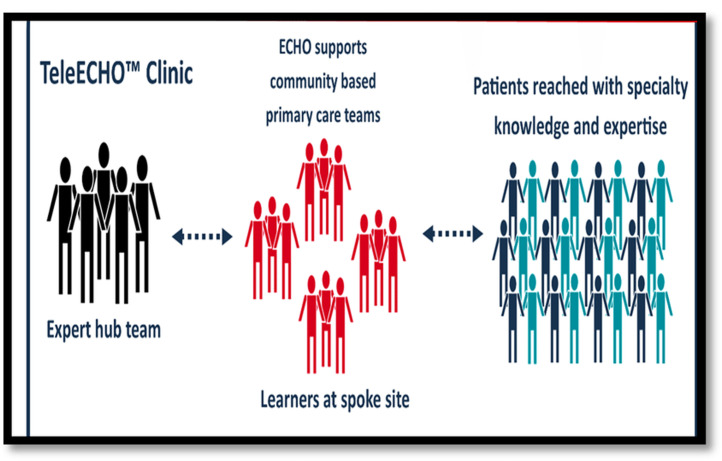
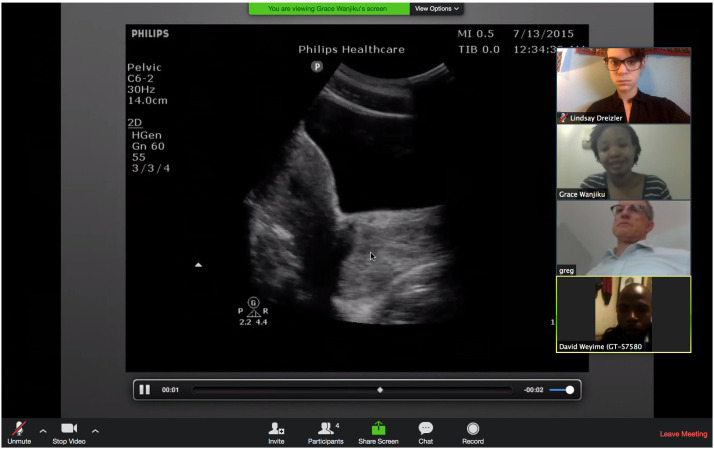
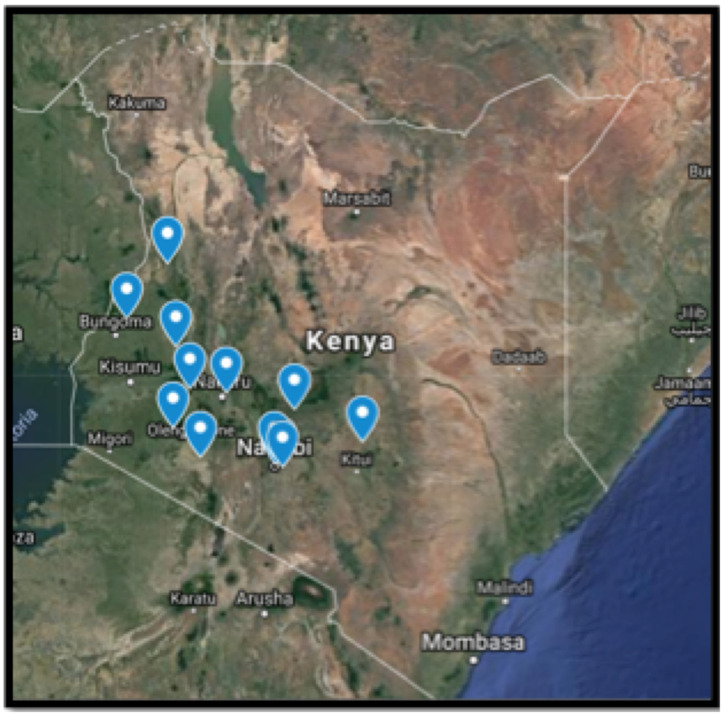
The COVID-19 pandemic has led to global disruptions in emergency medicine (EM) teaching and training and highlighted the need to strengthen virtual learning platforms. This disruption coincides with essential efforts to scale up training of the emergency healthcare workforce, particularly in low-resource settings where the specialty is not well developed. Thus, there is growing interest in strengthening virtual platforms that can be used to support emergency medicine educational initiatives globally. These platforms must be robust, context specific and sustainable in low-resource environments. This report describes the implementation of Project ECHO (Extension for Community Healthcare Outcomes), a telementoring platform originally designed to extend specialist support to health care workers in rural and underserved areas in New Mexico. This platform has now been implemented successfully across the globe. We describe the challenges and benefits of the Project ECHO model to support a Point-of-Care Ultrasound (POCUS) training program for health care providers in Kenya who do not have specialty training in emergency medicine. Our experience using this platform suggests it is amenable to capacity building for non-specialist emergency care providers in low-resource settings, but key challenges to implementation exist. These include unreliable and costly internet access and lack of institutional buy-in.
新冠疫情导致了全球急诊医学(EM)教学与培训的中断,并凸显了加强虚拟学习平台的必要性。这种中断恰逢扩大急诊医护人员培训的重要努力,尤其是在该专业发展不完善的资源匮乏地区。因此,人们越来越有兴趣加强可用于支持全球急诊医学教育倡议的虚拟平台。这些平台必须强大、因地制宜且在资源匮乏环境中具有可持续性。本报告描述了社区医疗成果拓展计划(ECHO项目)的实施情况,这是一个远程指导平台,最初旨在为新墨西哥州农村和服务不足地区的医护人员提供专家支持。该平台现已在全球成功实施。我们描述了ECHO项目模式对肯尼亚未接受过急诊医学专业培训的医护人员开展床旁超声(POCUS)培训计划的挑战与益处。我们使用该平台的经验表明,它适合在资源匮乏环境中为非专科急诊护理提供者进行能力建设,但实施过程中存在关键挑战。这些挑战包括网络接入不可靠且成本高昂以及缺乏机构支持。