Institute of Technology, Federal University of Pará, Belém, Pará, Brazil.
University of Amazon, Belém, Pará, Brazil.
PeerJ. 2022 Aug 4;10:e13747. doi: 10.7717/peerj.13747. eCollection 2022.
Since the beginning of the new coronavirus pandemic, there has been much information about the disease and the virus has been in the spotlight, shared and commented upon on the Internet. However, much of this information is infodemics and can interfere with the advancement of the disease and that way that populations act. Thus, Brazil is a country that requires attention, as despite the fact that in almost two years of pandemic it has shown a devastating numbers of deaths and number of cases, and generates false, distorted and malicious news about the pandemic. This work intends to understand the attitudes of the Brazilian population using infodemic queries from the Google Trends search tool and social and income variables.
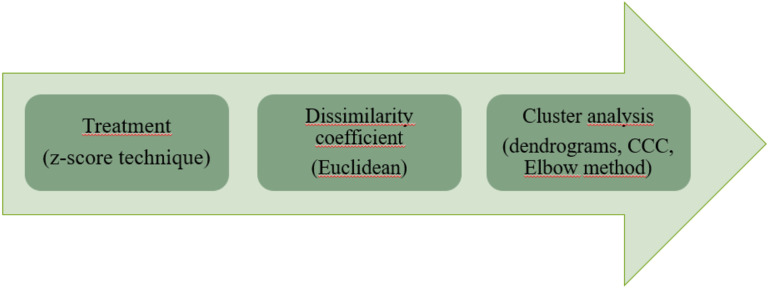
Data from infodemic research carried out on Google Trends, between January 1, 2020 and June 30, 2021, with socioeconomic data, such as income and education, were unified in a single database: standardization and exploratory and multivalued techniques based on grouping were used in the study.
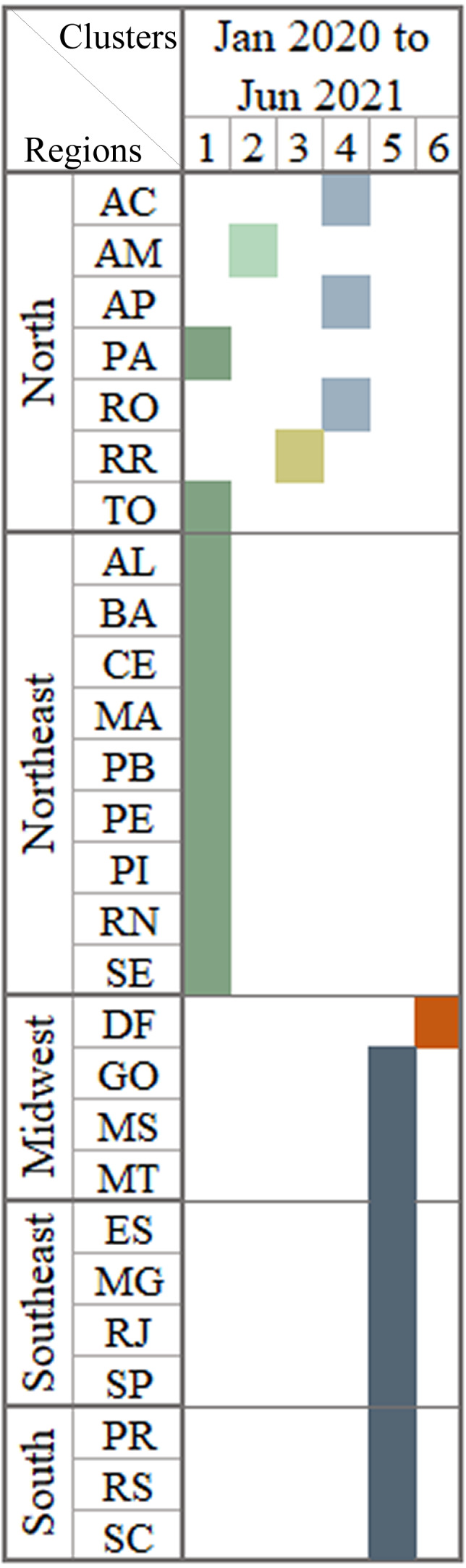
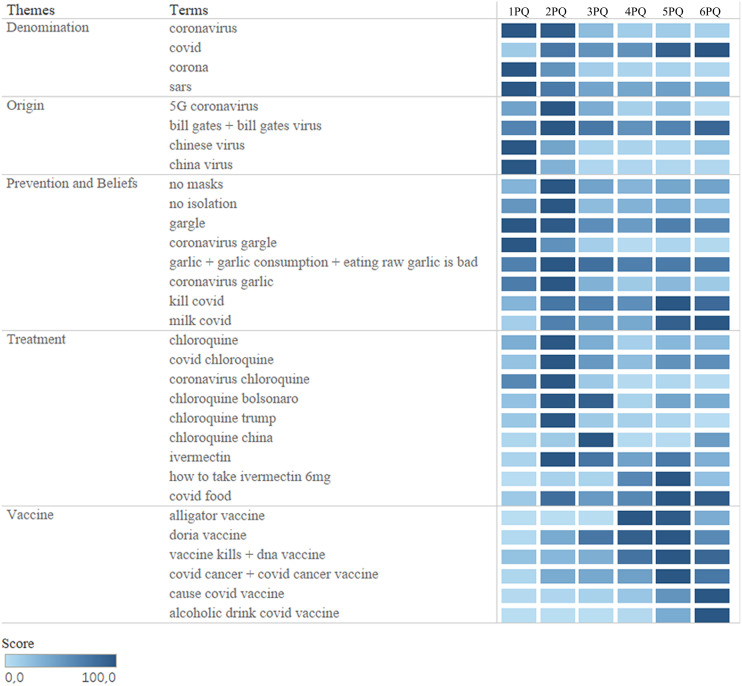
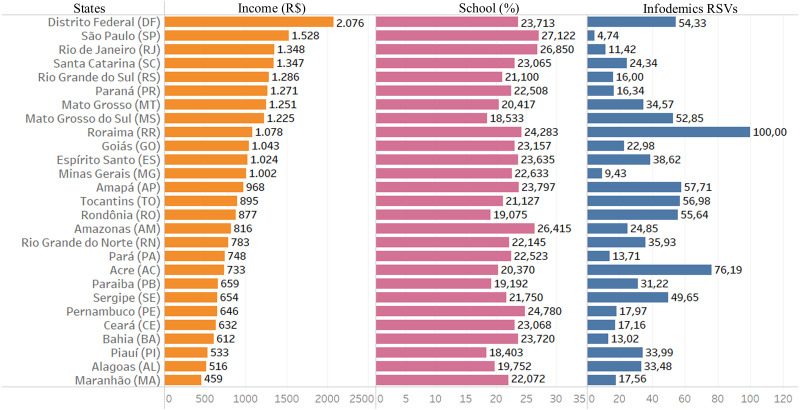
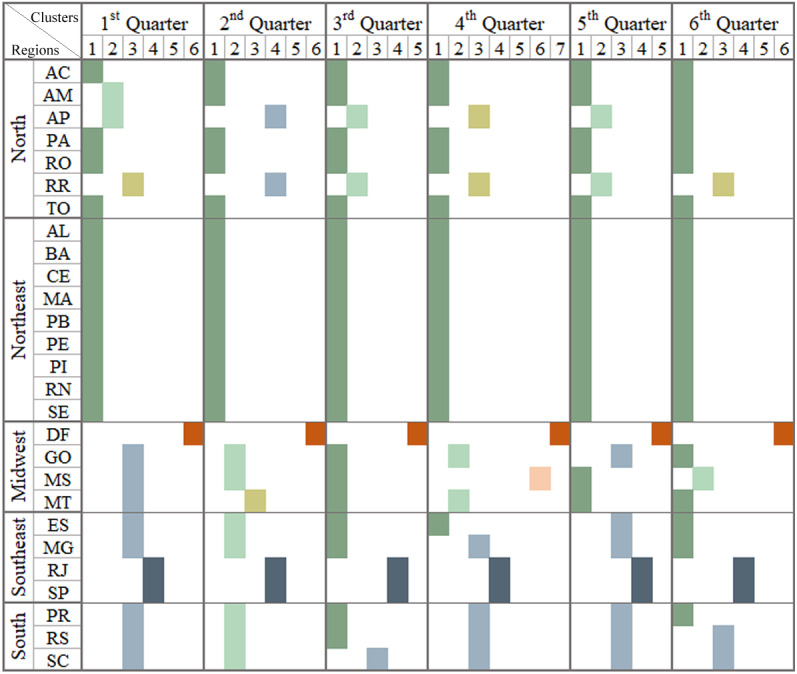
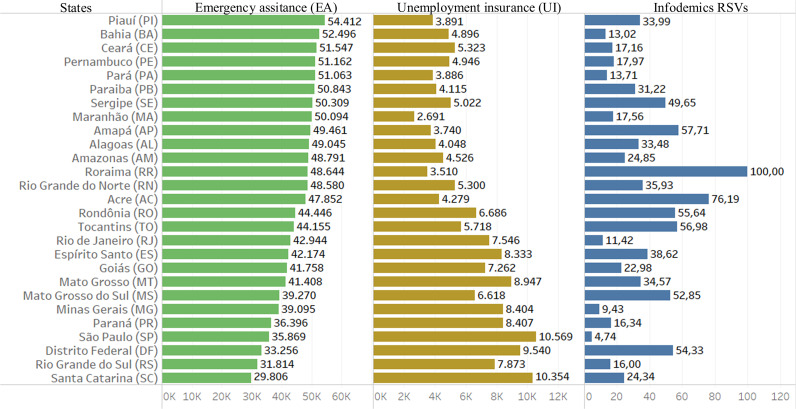
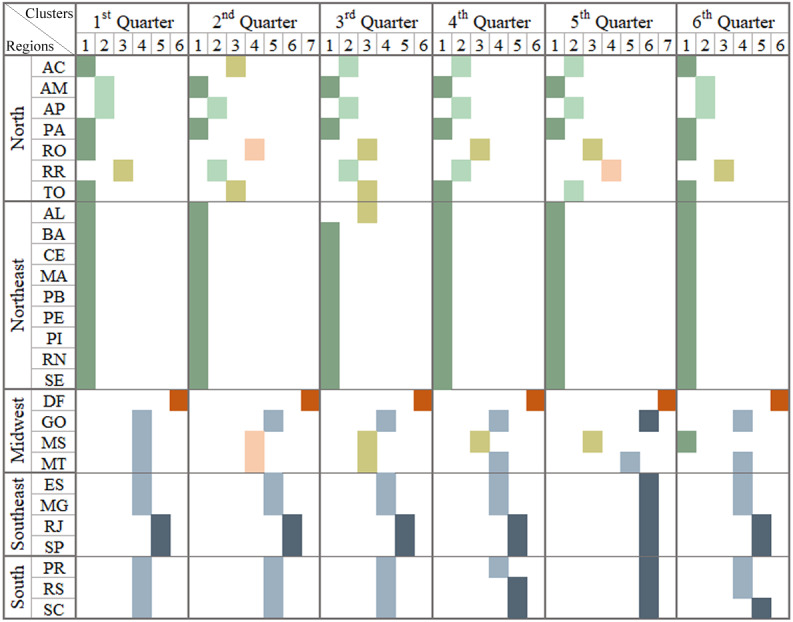
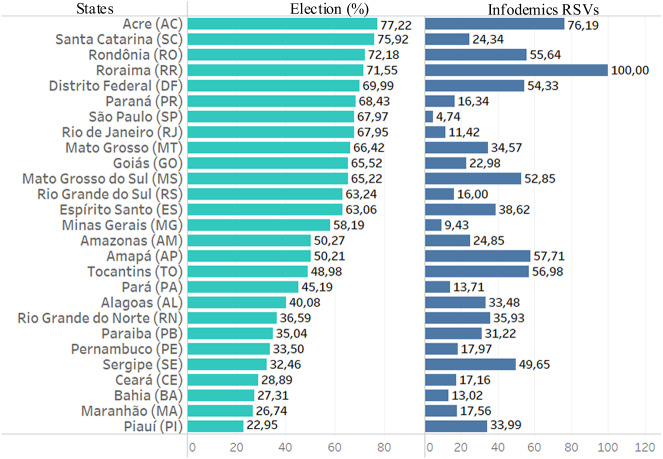
In the analysis of the search trend of infodemic terms, it is clear that the categories of Prevention and Beliefs should stand out in Brazil, where there is a diverse culture. It is followed by the COVID-19 Treatment category, with treatments that were not those recommended by the authorities. Income transfer programs and information on socioeconomic variables did not have much impact on infodemic surveys, but it was observed that states where President Bolsonaro has more supporters had researched more infodemic information.
In a country as geographically large as Brazil, it is important that political authorities go to great lengths to disseminate reliable information and monitor the infodemic in the media and on the internet. It was concluded that the denial of the pandemic and the influence of political leaders influenced the search for infodemic information, contributing to a disorganization in the control of the disease and prevention measures.
自新冠疫情开始以来,有关该疾病的信息很多,病毒也成为焦点,在互联网上被分享和评论。然而,这些信息中很多都是信息疫情,可能会干扰疾病的进展和人群的行为方式。因此,巴西是一个需要关注的国家,因为尽管在将近两年的大流行中,它的死亡人数和病例数都令人震惊,但它还制造了有关大流行的虚假、扭曲和恶意新闻。这项工作旨在通过 Google Trends 搜索工具中的信息疫情查询以及社会和收入变量来了解巴西民众的态度。
对 2020 年 1 月 1 日至 2021 年 6 月 30 日期间在 Google Trends 上进行的信息疫情研究的数据,与收入和教育等社会经济数据统一在一个单一的数据库中:使用基于标准化和探索性以及基于分组的多值技术进行了研究。
在信息疫情术语搜索趋势的分析中,巴西的预防和信仰类别应该突出,因为巴西的文化是多样化的。其次是 COVID-19 治疗类别,其中的治疗方法并不是当局推荐的。收入转移计划和社会经济变量的信息对信息疫情调查没有太大影响,但观察到博索纳罗总统支持者较多的州对信息疫情的研究更多。
在像巴西这样幅员辽阔的国家,政治当局应该不遗余力地传播可靠的信息,并监测媒体和互联网上的信息疫情。结论是,对大流行的否认和政治领导人的影响影响了对信息疫情的搜索,导致疾病控制和预防措施的混乱。