Department of Chemical, Pharmaceutical and Agricultural Sciences, University of Ferrara, I-44121 Ferrara, Italy.
Department of Neurosciences and Rehabilitation, University of Ferrara, I-44121 Ferrara, Italy.
Int J Mol Sci. 2022 Aug 6;23(15):8756. doi: 10.3390/ijms23158756.
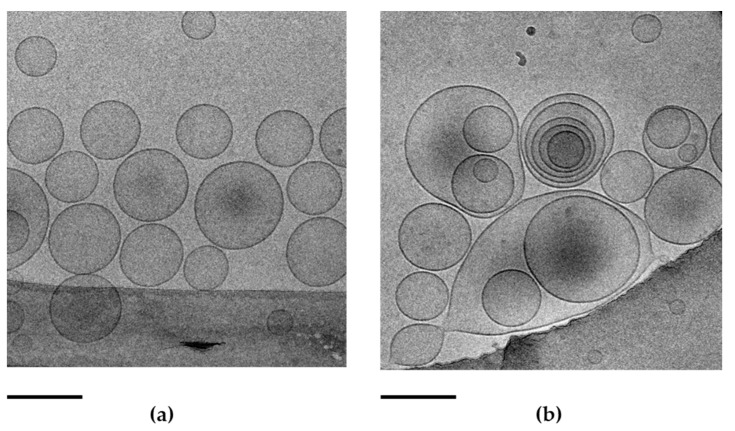
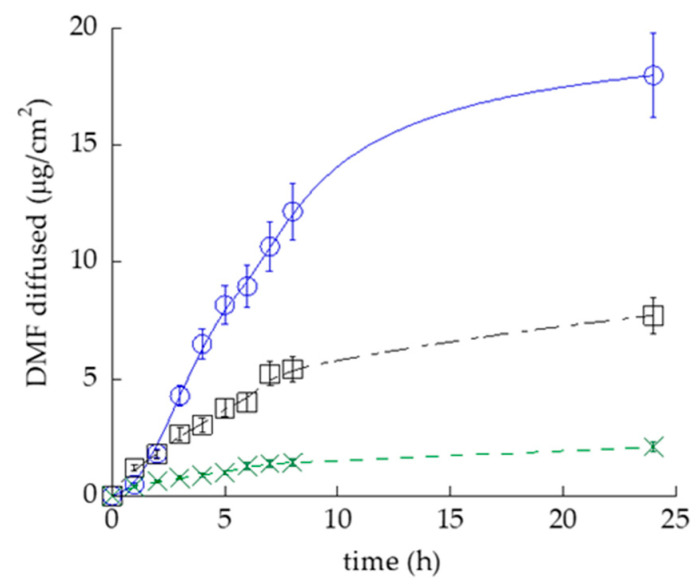
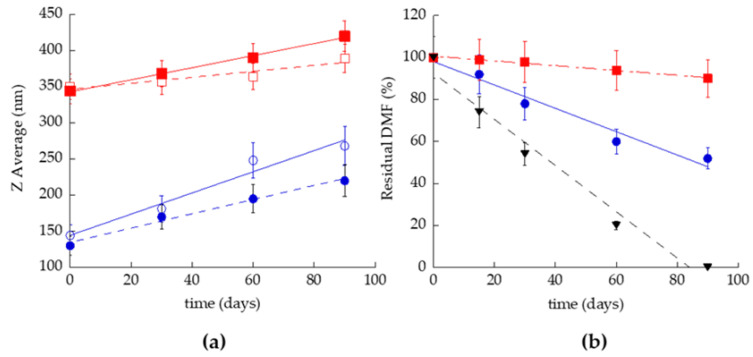
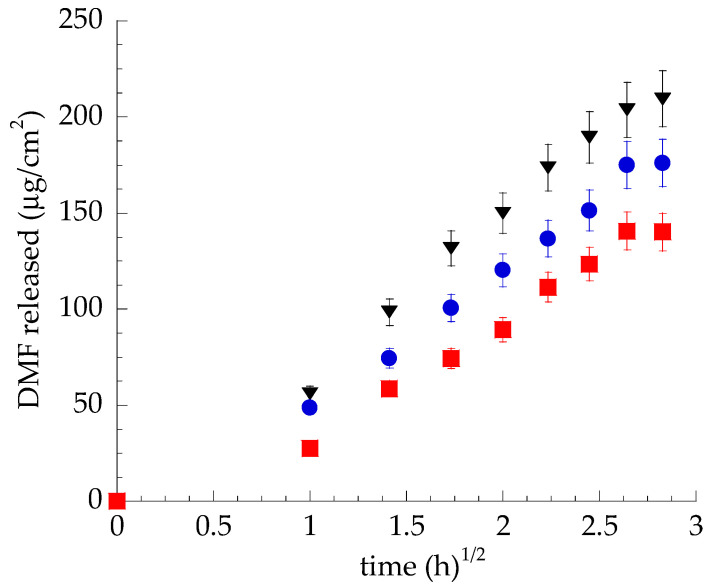
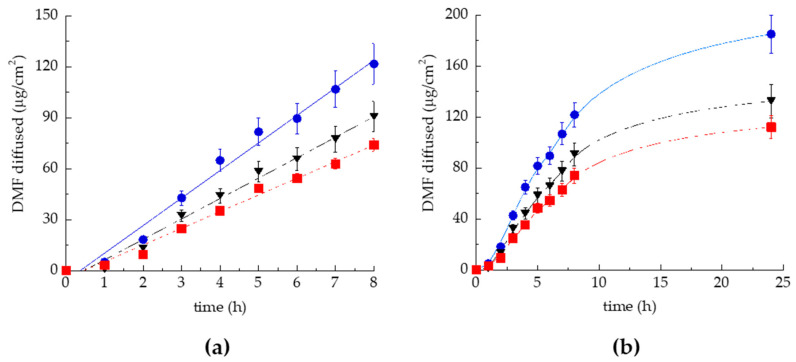
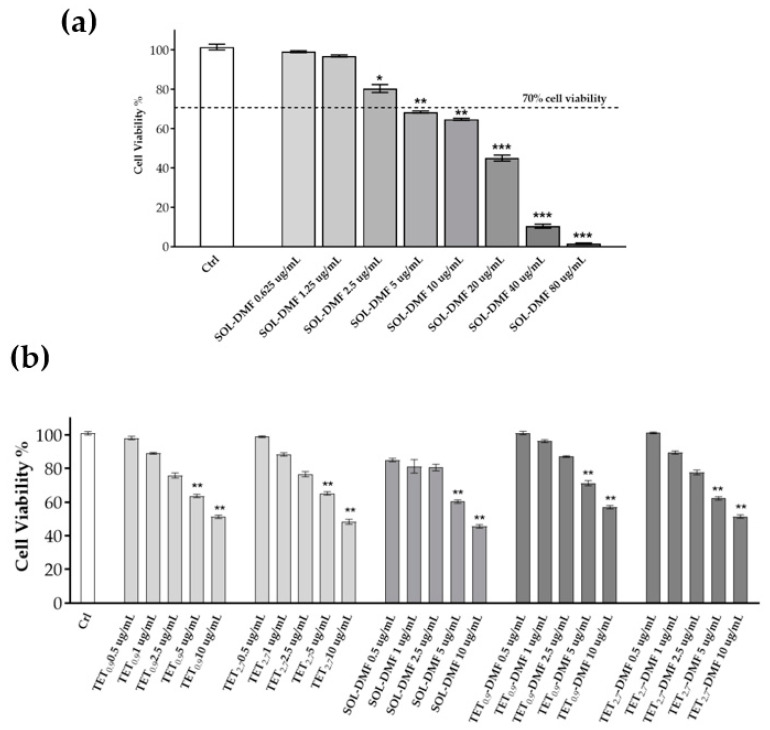
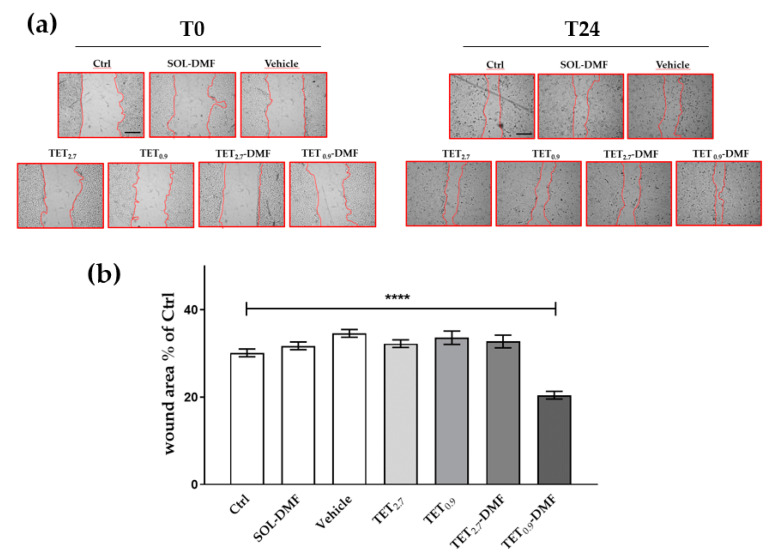
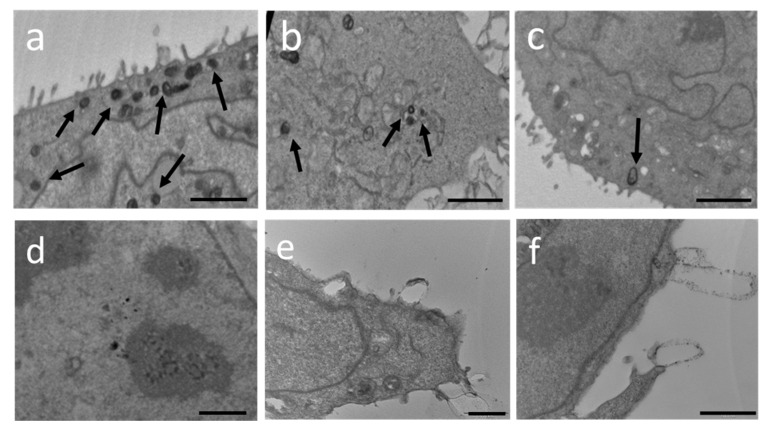
In this study, transethosomes were investigated as potential delivery systems for dimethyl fumarate. A formulative study was performed investigating the effect of the composition of transethosomes on the morphology and size of vesicles, as well as drug entrapment capacity, using cryogenic transmission electron microscopy, photon correlation spectroscopy, and HPLC. The stability of vesicles was evaluated, both for size increase and capability to control the drug degradation. Drug release kinetics and permeability profiles were evaluated in vitro using Franz cells, associated with different synthetic membranes. The in vitro viability, as well as the capacity to improve wound healing, were evaluated in human keratinocytes. Transmission electron microscopy enabled the evaluation of transethosome uptake and intracellular fate. Based on the obtained results, a transethosome gel was further formulated for the cutaneous application of dimethyl fumarate, the safety of which was evaluated in vivo with a patch test. It was found that the phosphatidylcholine concentration affected vesicle size and lamellarity, influencing the capacity to control dimethyl fumarate's chemical stability and release kinetics. Indeed, phosphatidylcholine 2.7% / led to multivesicular vesicles with 344 nm mean size, controlling the drug's chemical stability for at least 90 days. Conversely, phosphatidylcholine 0.9% / resulted in 130 nm sized unilamellar vesicles, which maintained 55% of the drug over 3 months. These latest kinds of transethosomes were able to improve wound healing in vitro and were easily internalised by keratinocytes. The selected transethosome gel, loading 25 mg/mL dimethyl fumarate, was not irritant after cutaneous application under occlusion, suggesting its possible suitability in the treatment of wounds caused by diabetes mellitus or peripheral vascular diseases.
在这项研究中,我们研究了转脂体作为二甲基富马酸潜在的传递系统。通过低温透射电子显微镜、光子相关光谱法和 HPLC 研究了转脂体组成对囊泡形态和大小以及药物包封能力的影响,进行了制剂研究。评估了囊泡的稳定性,包括粒径增加和控制药物降解的能力。使用 Franz 细胞评估了药物释放动力学和体外渗透性,Franz 细胞与不同的合成膜相关联。通过人角质形成细胞评估了体外细胞活力以及改善伤口愈合的能力。透射电子显微镜能够评估转脂体的摄取和细胞内命运。基于获得的结果,进一步为二甲基富马酸的皮肤应用配制了转脂体凝胶,通过斑贴试验评估了其体内安全性。结果发现,磷脂酰胆碱浓度影响囊泡的大小和层状结构,从而影响控制二甲基富马酸化学稳定性和释放动力学的能力。实际上,磷脂酰胆碱 2.7%/导致平均粒径为 344nm 的多室囊泡,至少 90 天控制药物的化学稳定性。相反,磷脂酰胆碱 0.9%/导致 130nm 大小的单室囊泡,在 3 个月内保持 55%的药物。这些最新的转脂体能够改善体外伤口愈合,并容易被角质形成细胞内化。负载 25mg/mL 二甲基富马酸的选定转脂体凝胶在闭塞下经皮应用后无刺激性,提示其在治疗糖尿病或周围血管疾病引起的伤口方面可能具有适用性。