Department of Pediatrics, The First Affiliated Hospital of Guangxi Medical University, Nanning, China.
Front Endocrinol (Lausanne). 2022 Jul 28;13:951552. doi: 10.3389/fendo.2022.951552. eCollection 2022.
Central precocious puberty (CPP) is a multifactorial and complex condition. Traditional studies focusing on a single indicator cannot always elucidate this panoramic condition but these may be revealed by using omics techniques.
Proteomics and metabolomics analysis of girls with CPP were compared to normal controls and the potential biomarkers and pathways involved were explored.
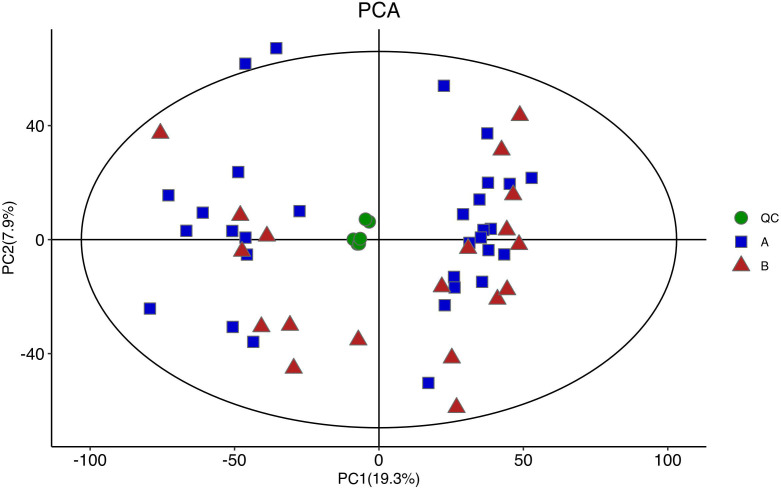
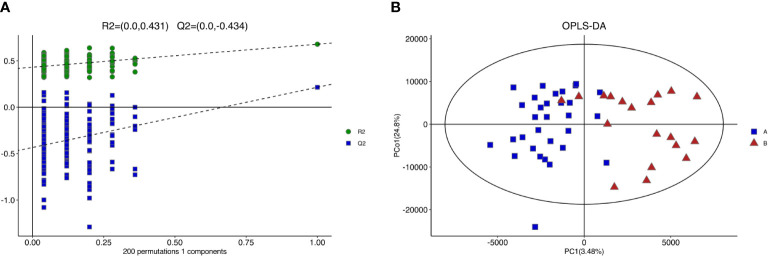
Serum proteins and metabolites from normal girls and those with CPP were compared by LC-MS/MS. Multivariate and univariate statistical analysis were used to identify the differentially expressed proteins (DEPs) and differentially expressed metabolites (DEMs). Functional annotation and pathway enrichment analysis were performed by using GO and KEGG databases, and candidate markers were screened. Finally, bioinformatic analysis was used to integrate the results of proteomics and metabolomics to find the key differential proteins, metabolites and potential biomarkers of CPP.
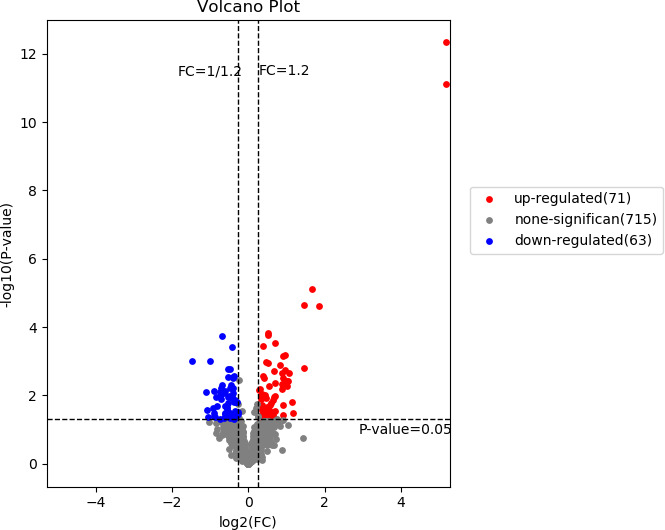
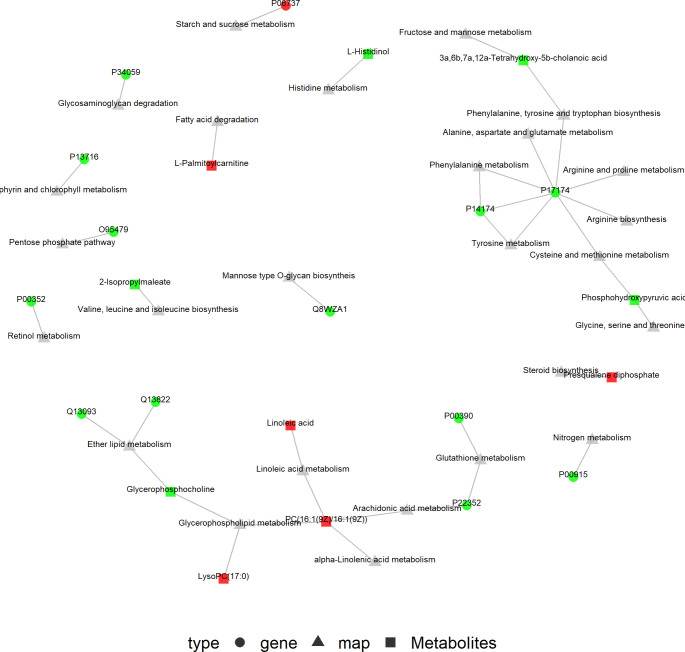
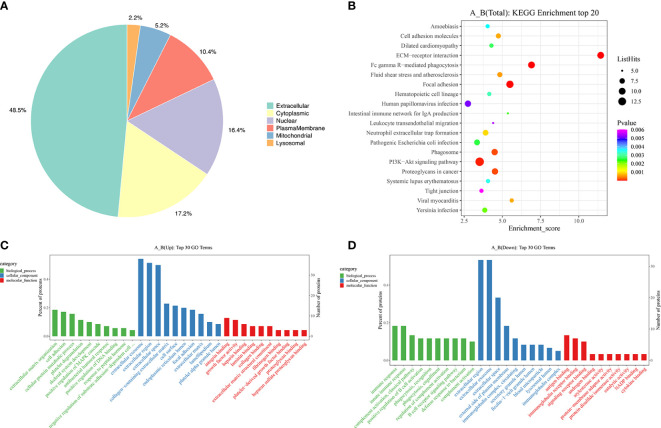
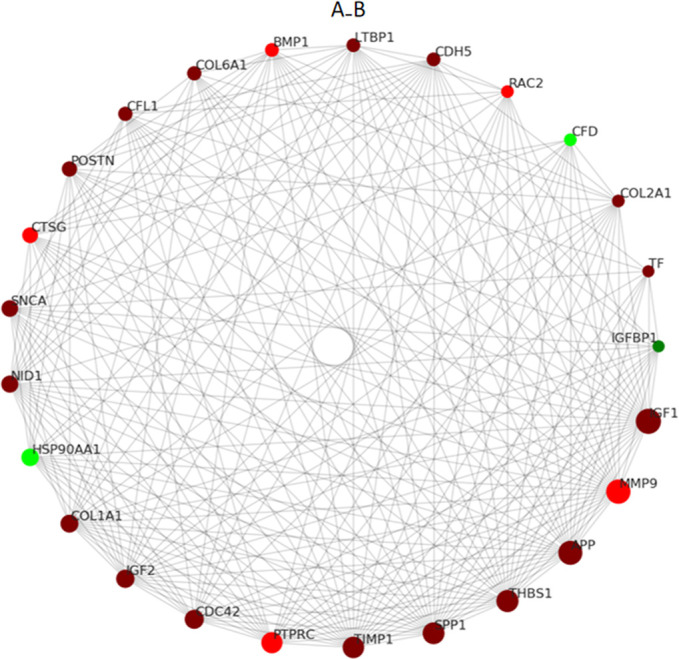
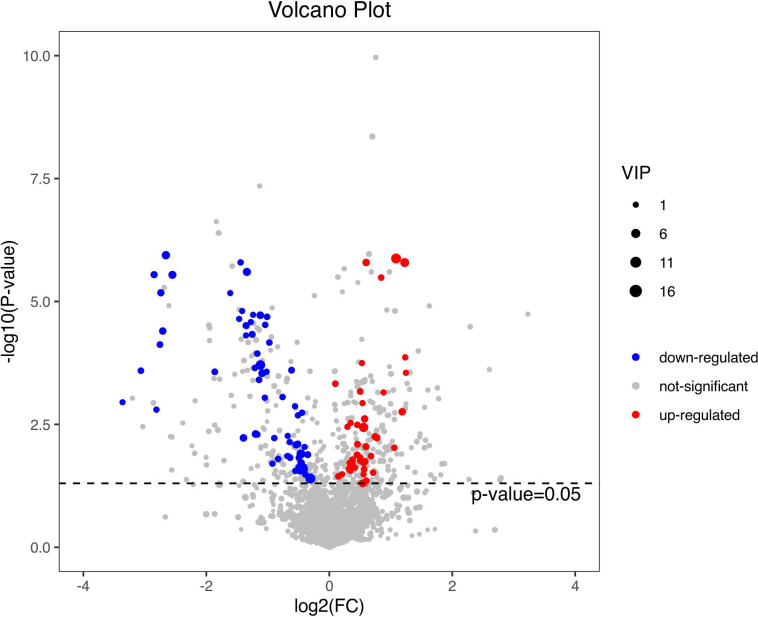
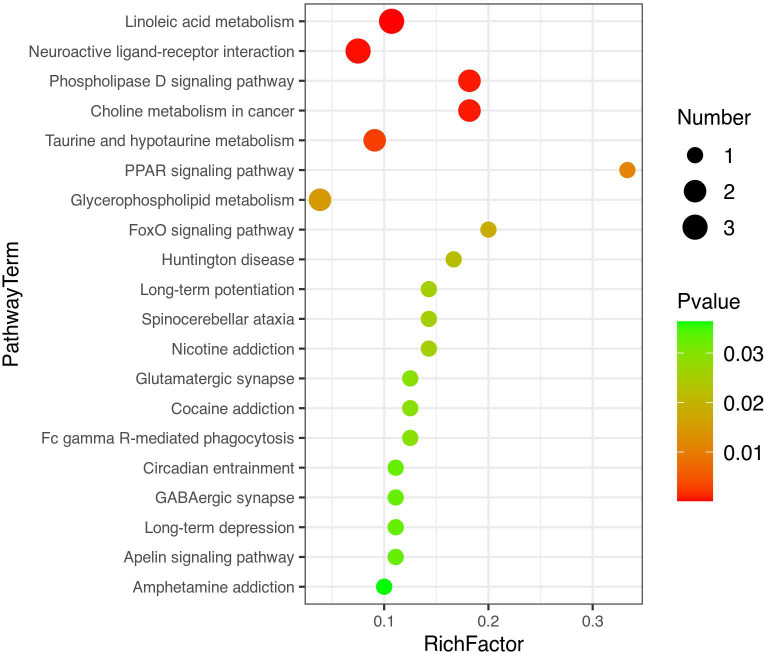
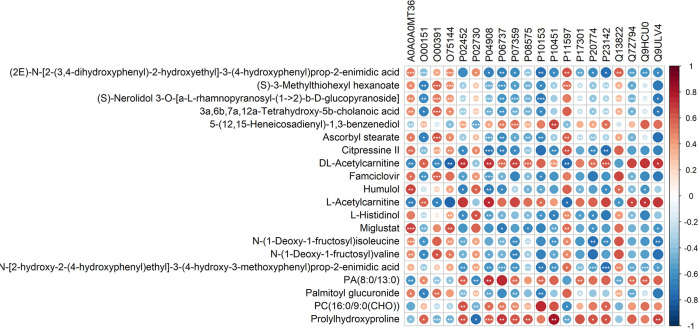
134 DEPs were identified in girls with CPP with 71 up- and 63 down-regulated, respectively. Up-regulated proteins were enriched mainly in the extracellular matrix, cell adhesion and cellular protein metabolic processes, platelet degranulation and skeletal system development. The down-regulated proteins were mainly enriched in the immune response. Candidate proteins including MMP9, TIMP1, SPP1, CDC42, POSTN, COL1A1, COL6A1, COL2A1 and BMP1, were found that may be related to pubertal development. 103 DEMs were identified, including 42 up-regulated and 61 down-regulated metabolites which were mainly enriched in lipid and taurine metabolic pathways. KGML network analysis showed that phosphocholine (16:1(9Z)/16:1(9Z)) was involved in arachidonic acid, glycerophospholipid, linoleic acid and α-linolenic acid metabolism and it may be used as a biomarker of CPP.
Our study is the first to integrate proteomics and metabolomics to analyze the serum of girls with CPP and we found some key differential proteins and metabolites as well as a potential biomarker for this condition. Lipid metabolism pathways are involved and these may provide a key direction to further explore the molecular mechanisms and pathogenesis of CPP.
中枢性性早熟(CPP)是一种多因素、复杂的疾病。传统研究仅关注单一指标,可能无法完全阐明这种全景式的疾病状况,但这些可能会通过组学技术揭示。
比较 CPP 女孩与正常对照者的蛋白质组学和代谢组学分析,并探讨其中涉及的潜在生物标志物和途径。
通过 LC-MS/MS 比较正常女孩和 CPP 女孩的血清蛋白和代谢物。采用多元和单变量统计分析方法鉴定差异表达蛋白(DEPs)和差异表达代谢物(DEMs)。利用 GO 和 KEGG 数据库进行功能注释和途径富集分析,并筛选候选标志物。最后,通过生物信息学分析整合蛋白质组学和代谢组学的结果,寻找 CPP 的关键差异蛋白、代谢物和潜在生物标志物。
在 CPP 女孩中鉴定出 134 个 DEP,分别有 71 个上调和 63 个下调。上调蛋白主要富集在细胞外基质、细胞黏附和细胞蛋白代谢过程、血小板脱颗粒和骨骼系统发育中。下调蛋白主要富集在免疫反应中。发现候选蛋白包括 MMP9、TIMP1、SPP1、CDC42、POSTN、COL1A1、COL6A1、COL2A1 和 BMP1,它们可能与青春期发育有关。鉴定出 103 个 DEM,包括 42 个上调和 61 个下调代谢物,主要富集在脂质和牛磺酸代谢途径中。KGML 网络分析表明,磷酸胆碱(16:1(9Z)/16:1(9Z))参与花生四烯酸、甘油磷脂、亚油酸和α-亚麻酸代谢,可作为 CPP 的生物标志物。
本研究首次整合蛋白质组学和代谢组学分析 CPP 女孩的血清,发现了一些关键的差异蛋白和代谢物以及 CPP 的潜在生物标志物。涉及脂质代谢途径,这可能为进一步探索 CPP 的分子机制和发病机制提供关键方向。