Damas Marcelo Silva Folhas, Ferreira Roumayne Lopes, Campanini Emeline Boni, Soares Gabriela Guerrera, Campos Leslie Camelo, Laprega Pedro Mendes, Soares da Costa Andrea, Freire Caio César de Melo, Pitondo-Silva André, Cerdeira Louise Teixeira, da Cunha Anderson Ferreira, Pranchevicius Maria-Cristina da Silva
Departamento de Genética e Evolução, Universidade Federal de São Carlos, São Carlos, SP, Brazil.
Laboratório Central de Saúde Pública do Tocantins, Palmas, TO, Brazil.
Front Med (Lausanne). 2022 Jul 28;9:931379. doi: 10.3389/fmed.2022.931379. eCollection 2022.
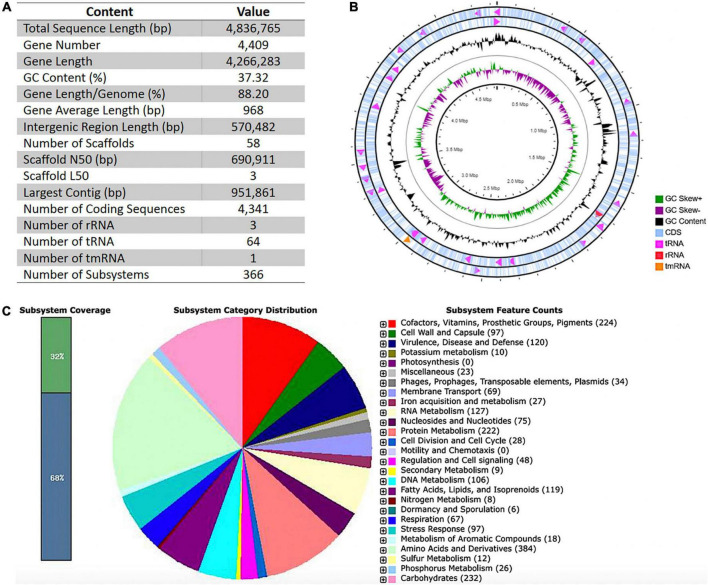
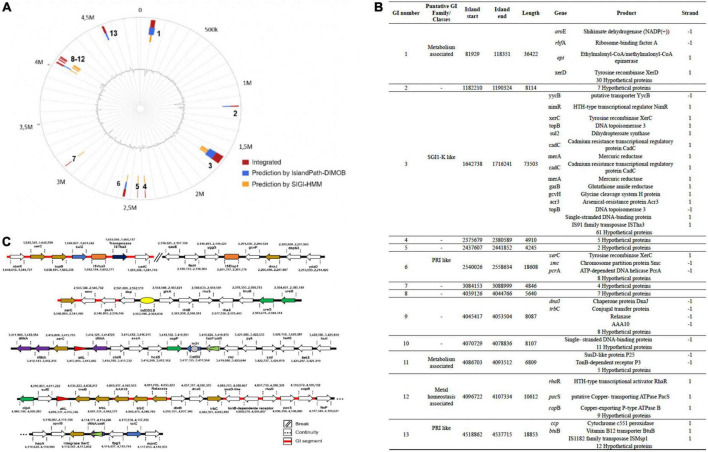
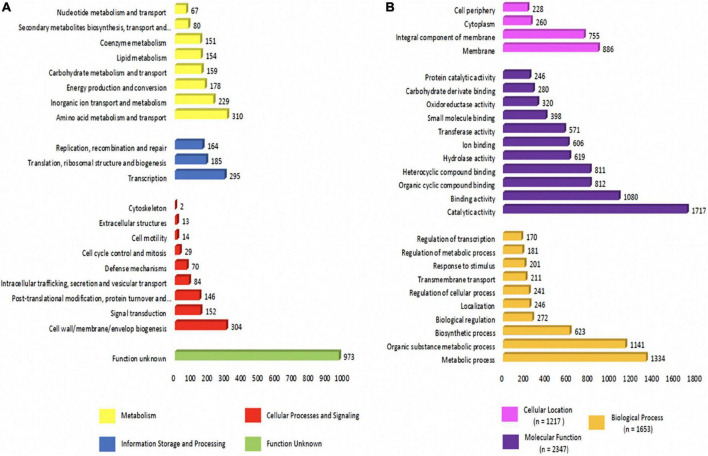
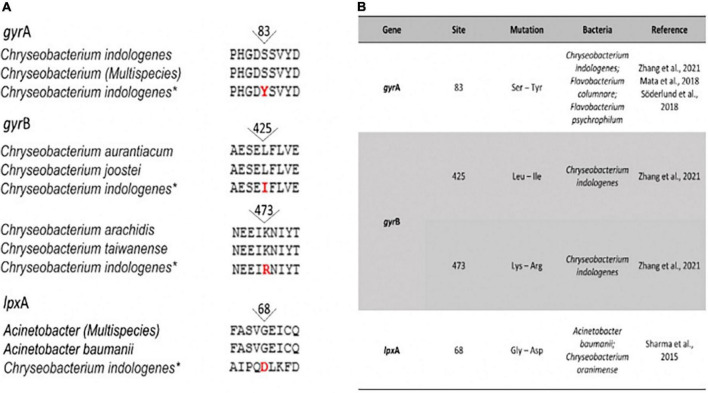
Chryseobacterium indologenes is a non-glucose-fermenting Gram-negative bacillus. This emerging multidrug resistant opportunistic nosocomial pathogen can cause severe infections in neonates and immunocompromised patients. This study aimed to present the first detailed draft genome sequence of a multidrug-resistant strain isolated from the cerebrospinal fluid of an infant hospitalized at the Neonatal Intensive Care Unit of Brazilian Tertiary Hospital. We first analyzed the susceptibility of strain to different antibiotics using the VITEK 2 system. The strain demonstrated an outstanding resistance to all the antibiotic classes tested, including β-lactams, aminoglycosides, glycylcycline, and polymyxin. Next, was whole-genome-sequenced, annotated using Prokka and Rapid Annotation using Subsystems Technology (RAST), and screened for orthologous groups (EggNOG), gene ontology (GO), resistance genes, virulence genes, and mobile genetic elements using different software tools. The draft genome contained one circular chromosome of 4,836,765 bp with 37.32% GC content. The genomic features of the chromosome present numerous genes related to cellular processes that are essential to bacteria. The MDR revealed the presence of genes that corresponded to the resistance phenotypes, including genes to β-lactamases ( , , , , ), quinolone (G), tigecycline ((X6)), and genes encoding efflux pumps which confer resistance to aminoglycosides (A/B), and colistin (D/C). Amino acid substitutions related to quinolone resistance were observed in GyrA (S83Y) and GyrB (L425I and K473R). A mutation that may play a role in the development of colistin resistance was detected in lpxA (G68D). isolate harbored 19 virulence factors, most of which were involved in infection pathways. We identified 13 Genomic Islands (GIs) and some elements associated with one integrative and conjugative element (ICEs). Other elements linked to mobile genetic elements (MGEs), such as insertion sequence (ISEIsp1), transposon (Tn5393), and integron (In31), were also present in the genome. Although plasmids were not detected, a ColRNAI replicon type and the most resistance genes detected in singletons were identified in unaligned scaffolds. We provided a wide range of information toward the understanding of the genomic diversity of , which can contribute to controlling the evolution and dissemination of this pathogen in healthcare settings.
产吲哚金黄杆菌是一种不发酵葡萄糖的革兰氏阴性杆菌。这种新出现的多重耐药性机会性医院病原体可在新生儿和免疫功能低下的患者中引起严重感染。本研究旨在呈现从巴西三级医院新生儿重症监护病房住院婴儿脑脊液中分离出的一株多重耐药菌株的首个详细基因组草图序列。我们首先使用VITEK 2系统分析了该菌株对不同抗生素的敏感性。该菌株对所有测试的抗生素类别均表现出显著抗性,包括β-内酰胺类、氨基糖苷类、甘氨酰环素和多粘菌素。接下来,对该菌株进行全基因组测序,使用Prokka进行注释,并使用子系统技术快速注释(RAST),并使用不同软件工具筛选直系同源组(EggNOG)、基因本体(GO)、抗性基因、毒力基因和移动遗传元件。基因组草图包含一条4,836,765 bp的环状染色体,GC含量为37.32%。该染色体的基因组特征呈现出许多与细菌生存所必需的细胞过程相关的基因。该多重耐药菌株显示出存在与抗性表型相对应的基因,包括β-内酰胺酶(、、、、)、喹诺酮(G)、替加环素((X6))的基因,以及编码赋予对氨基糖苷类(A/B)和黏菌素(D/C)抗性的外排泵的基因。在GyrA(S83Y)和GyrB(L425I和K473R)中观察到与喹诺酮抗性相关的氨基酸替换。在lpxA(G68D)中检测到一个可能在黏菌素抗性发展中起作用的突变。该分离株含有19种毒力因子,其中大多数参与感染途径。我们鉴定出13个基因组岛(GIs)以及一些与一个整合和接合元件(ICEs)相关的元件。与移动遗传元件(MGEs)相关的其他元件,如插入序列(ISEIsp1)、转座子(Tn5393)和整合子(In31),也存在于该基因组中。虽然未检测到质粒,但在未比对的支架中鉴定出了一种ColRNAI复制子类型以及在单例中检测到的大多数抗性基因。我们提供了广泛的信息,有助于理解产吲哚金黄杆菌的基因组多样性,这有助于控制该病原体在医疗机构中的进化和传播。