Molecular Microbiology Section, Laboratory of Clinical Immunology and Microbiology, National Institute of Allergy and Infectious Diseases (NIAID), National Institutes of Health (NIH), Bethesda, MD, United States.
Inflammation and Innate Immunity Unit, Laboratory of Clinical Immunology and Microbiology, National Institute of Allergy and Infectious Diseases (NIAID), National Institutes of Health (NIH), Bethesda, MD, United States.
Front Immunol. 2022 Jul 28;13:931194. doi: 10.3389/fimmu.2022.931194. eCollection 2022.
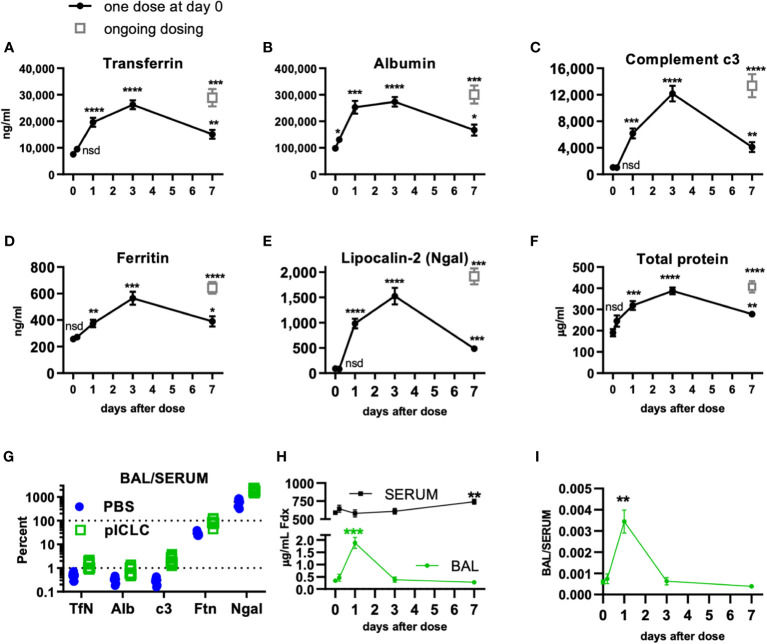
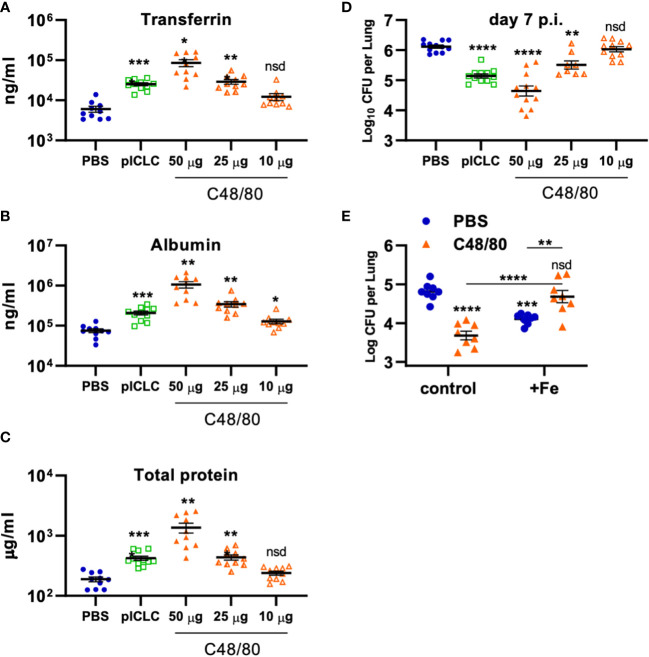
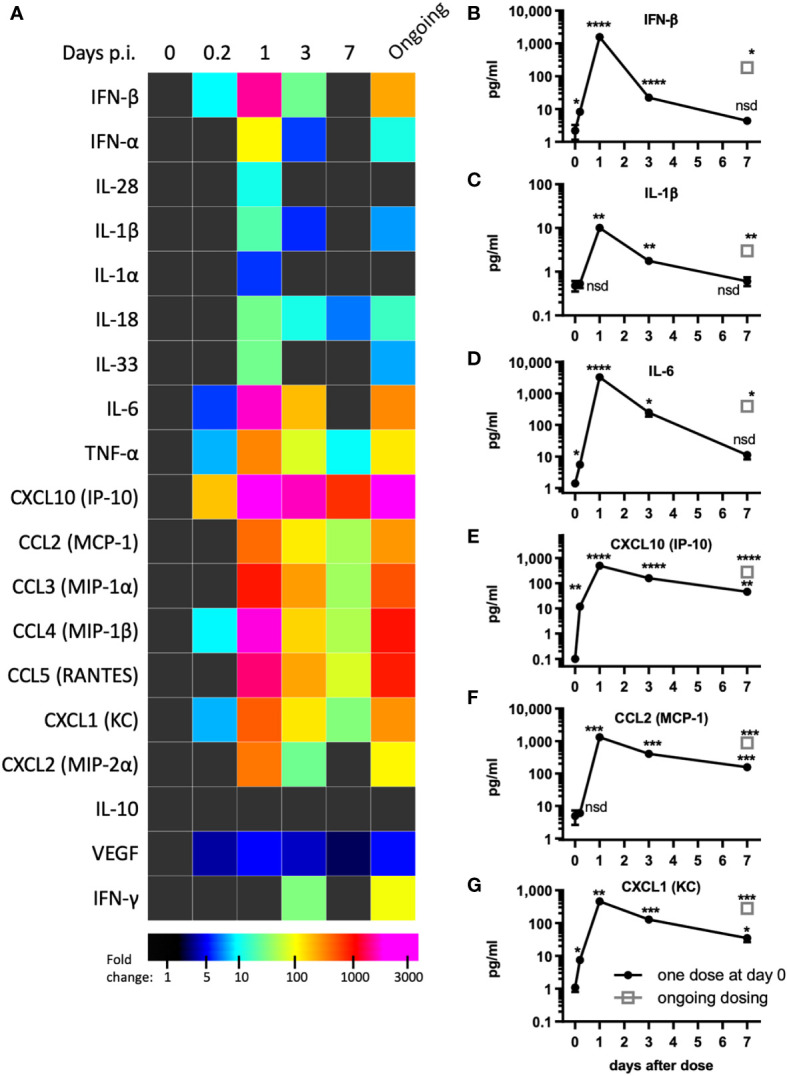
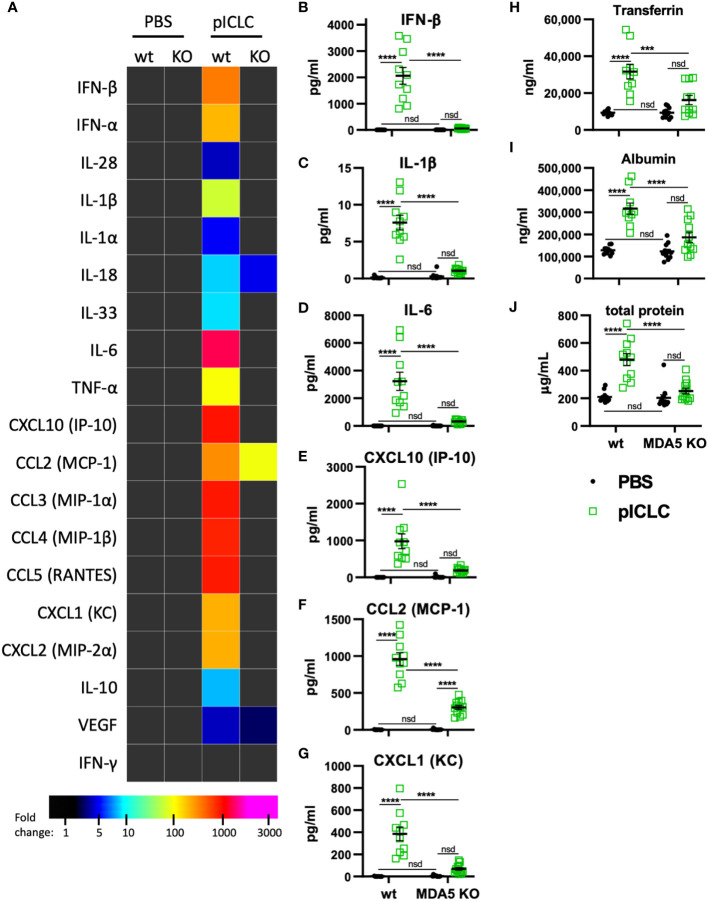
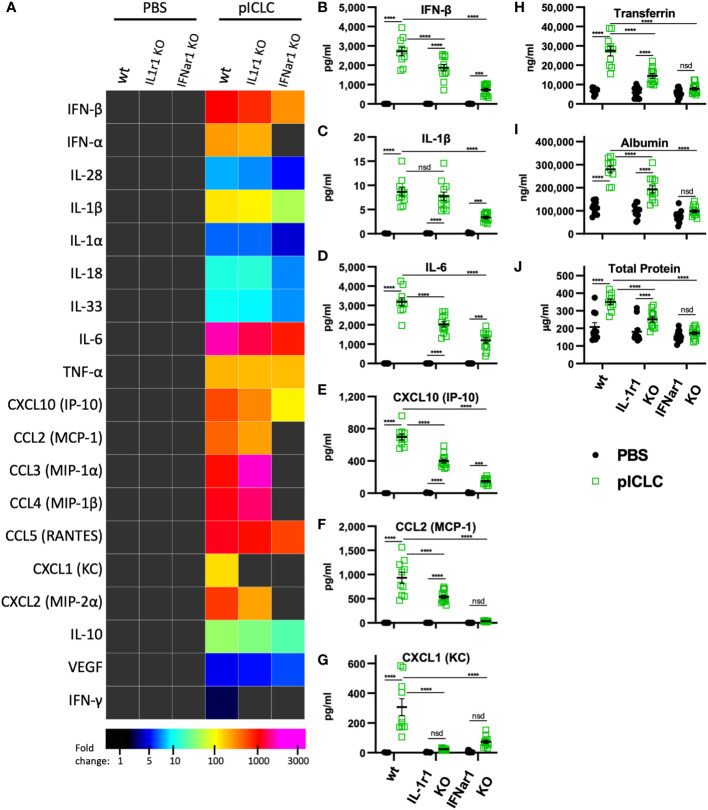
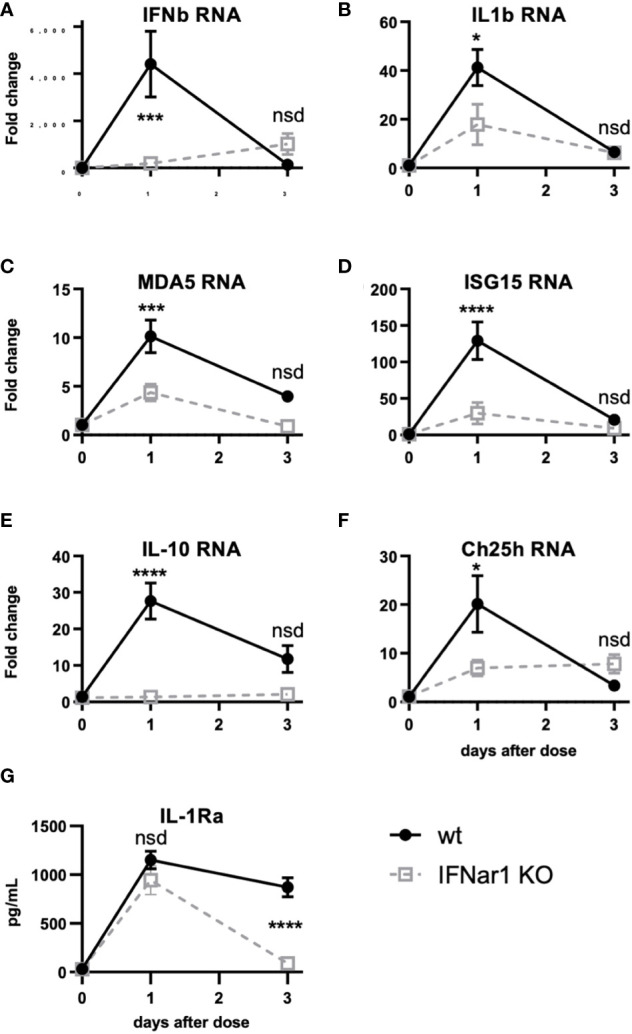
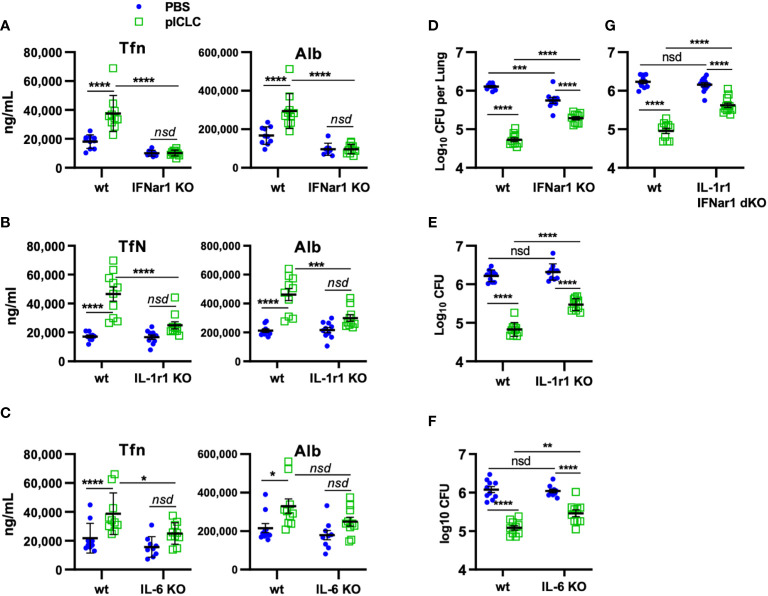
Lungs balance threat from primary viral infection, secondary infection, and inflammatory damage. Severe pulmonary inflammation induces vascular permeability, edema, and organ dysfunction. We previously demonstrated that poly(I:C) (pICLC) induced type 1 interferon (t1IFN) protected mice from (Cg) local iron restriction. Here we show pICLC increased serum protein and intravenously injected FITC-dextran in the lung airspace suggesting pICLC induces vascular permeability. Interestingly, pICLC induced a pro-inflammatory signature with significant expression of IL-1 and IL-6 which depended on MDA5 and t1IFN. Vascular permeability depended on MDA5, t1IFN, IL-1, and IL-6. T1IFN also induced MDA5 and other MDA5 signaling components suggesting that positive feedback contributes to t1IFN dependent expression of the pro-inflammatory signature. Vascular permeability, induced by pICLC or another compound, inhibited Cg by limiting iron. These data suggest that pICLC induces t1IFN which potentiates pICLC-MDA5 signaling increasing IL-1 and IL-6 resulting in leakage of antimicrobial serum factors into lung airspace. Thus, induced vascular permeability may act as an innate defense mechanism against opportunistic fungal infection, such as cryptococcosis, and may be exploited as a host-directed therapeutic target.
肺部平衡受到原发性病毒感染、继发性感染和炎症损伤的威胁。严重的肺部炎症会导致血管通透性增加、水肿和器官功能障碍。我们之前的研究表明,多聚肌苷酸(pICLC)诱导的 I 型干扰素(t1IFN)可以保护小鼠免受局部铁限制。在这里,我们发现 pICLC 增加了血清蛋白和静脉注射到肺气道空间的 FITC-右旋糖酐,表明 pICLC 诱导了血管通透性。有趣的是,pICLC 诱导了一种促炎特征,IL-1 和 IL-6 的表达显著增加,这依赖于 MDA5 和 t1IFN。血管通透性依赖于 MDA5、t1IFN、IL-1 和 IL-6。t1IFN 还诱导了 MDA5 和其他 MDA5 信号通路成分,表明正反馈有助于 t1IFN 依赖性促炎特征的表达。由 pICLC 或其他化合物诱导的血管通透性通过限制铁来抑制 Cg。这些数据表明,pICLC 诱导 t1IFN,增强 pICLC-MDA5 信号通路,增加 IL-1 和 IL-6,导致抗菌血清因子泄漏到肺气道空间。因此,诱导的血管通透性可能作为一种针对机会性真菌感染(如隐球菌病)的先天防御机制,并且可能被用作宿主定向治疗靶标。