Su Meiling, Chen Chaofei, Li Shaoying, Li Musheng, Zeng Zhi, Zhang Yuan, Xia Luoxing, Li Xiuzhen, Zheng Dezhong, Lin Qiqi, Fan Xuejiao, Wen Ying, Liu Yingying, Chen Feiyan, Luo Wei, Bu Yun, Qin Jinhong, Guo Manli, Qiu Miaoyun, Sun Lei, Liu Renjing, Wang Ping, Hwa John, Tang Wai Ho
Institute of Pediatrics, Guangzhou Women and Children's Medical Centre, Guangdong Provincial Clinical Research Center for Child Health, Guangzhou Medical University, Guangzhou, China.
The Joint Center for Infection and Immunity, Guangzhou Institute of Pediatrics, Guangzhou Women and Children's Medical Center, Guangzhou, China.
Nat Cardiovasc Res. 2022;1(8):732-747. doi: 10.1038/s44161-022-00108-7. Epub 2022 Aug 4.
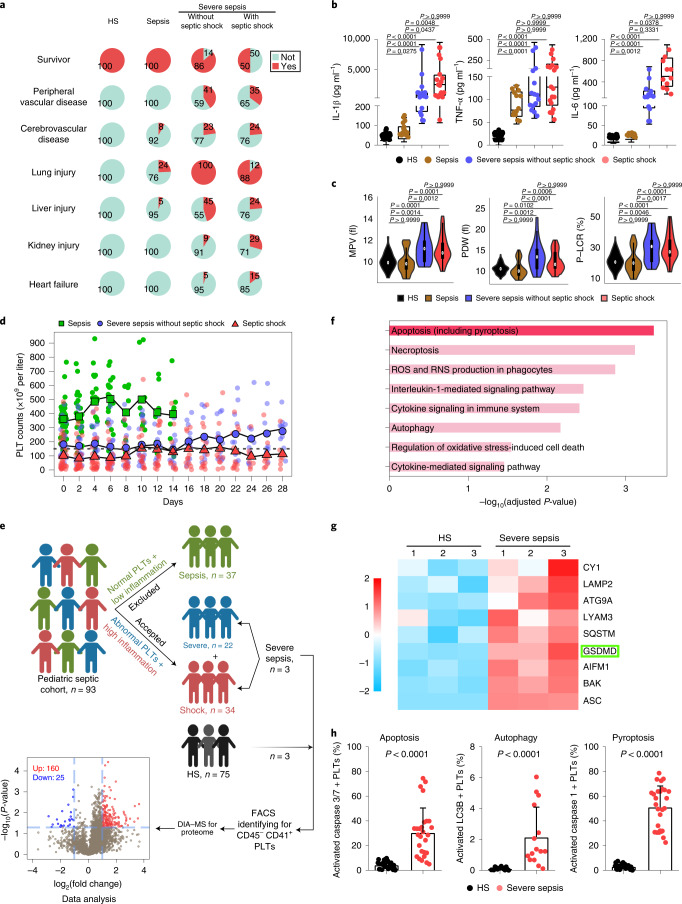
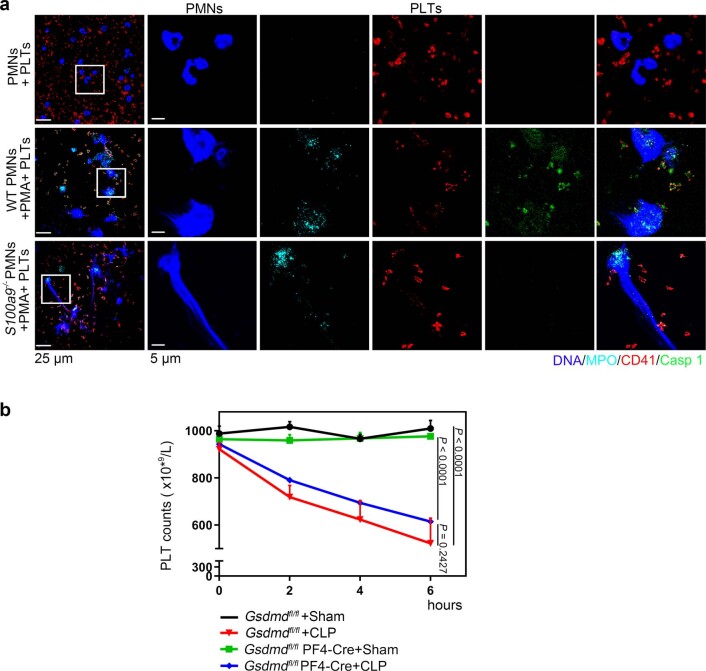
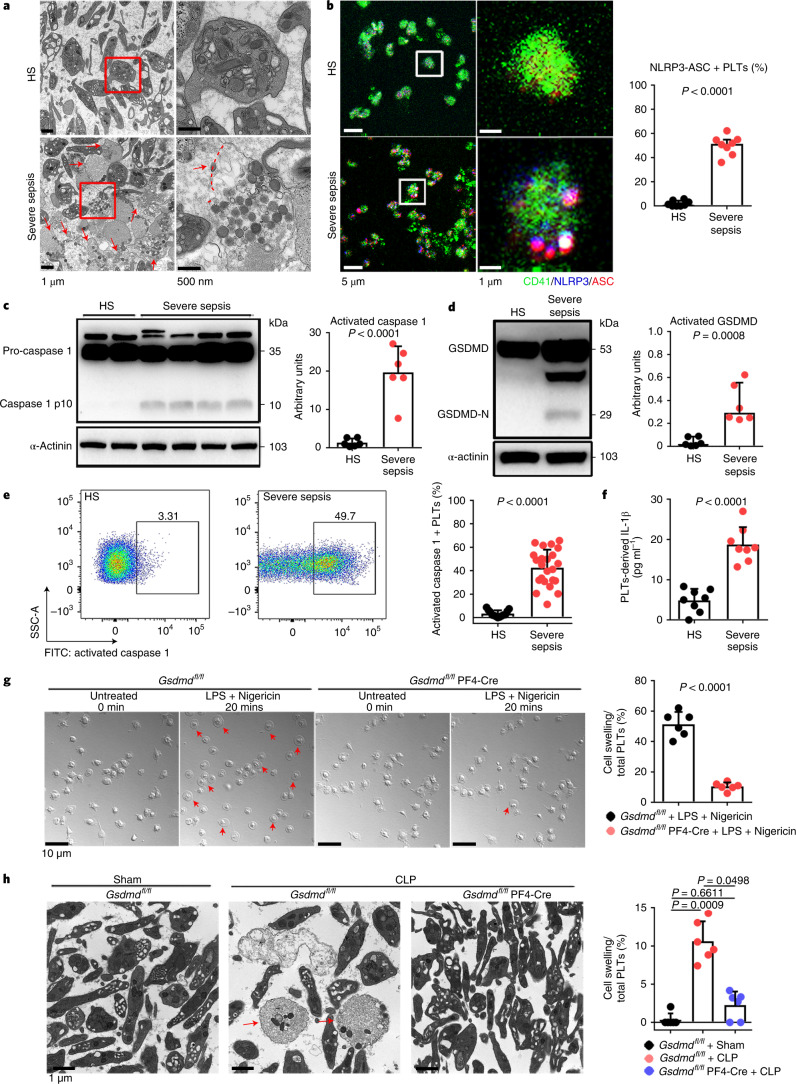
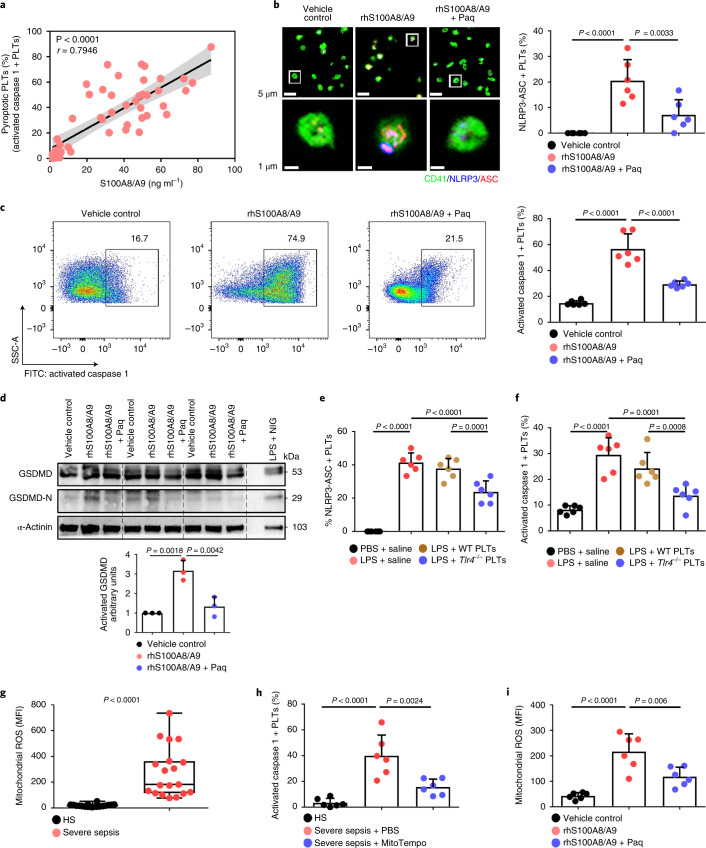
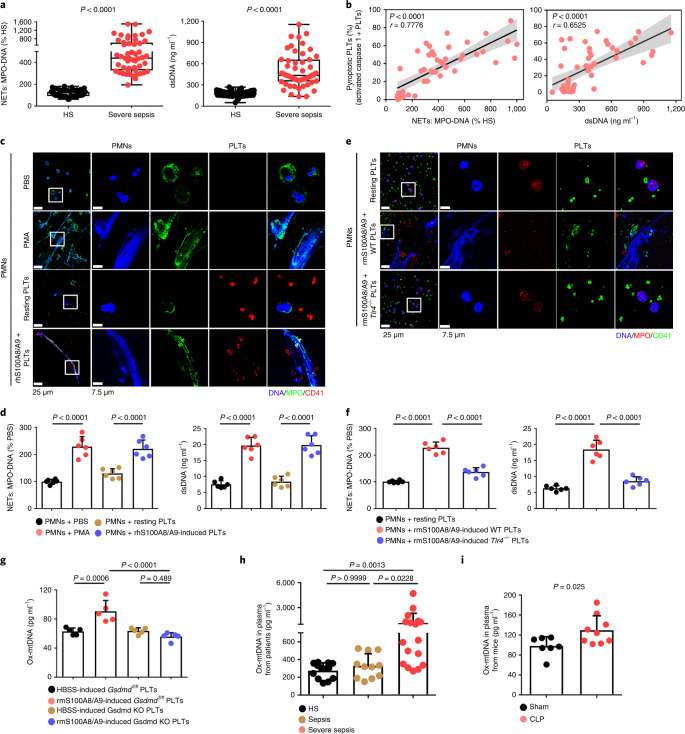
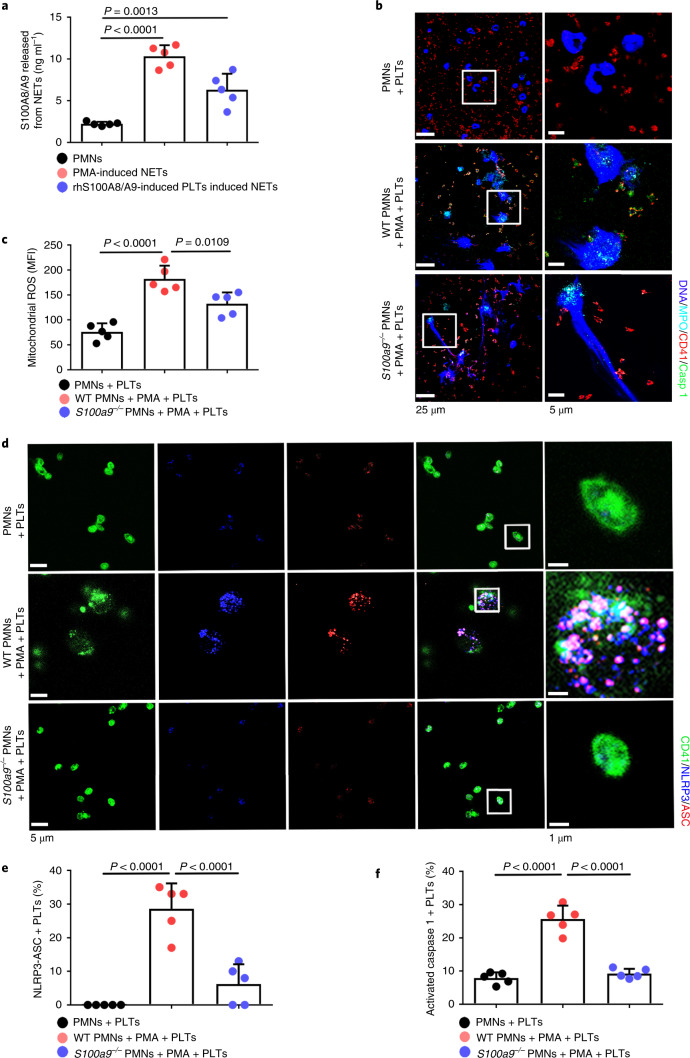
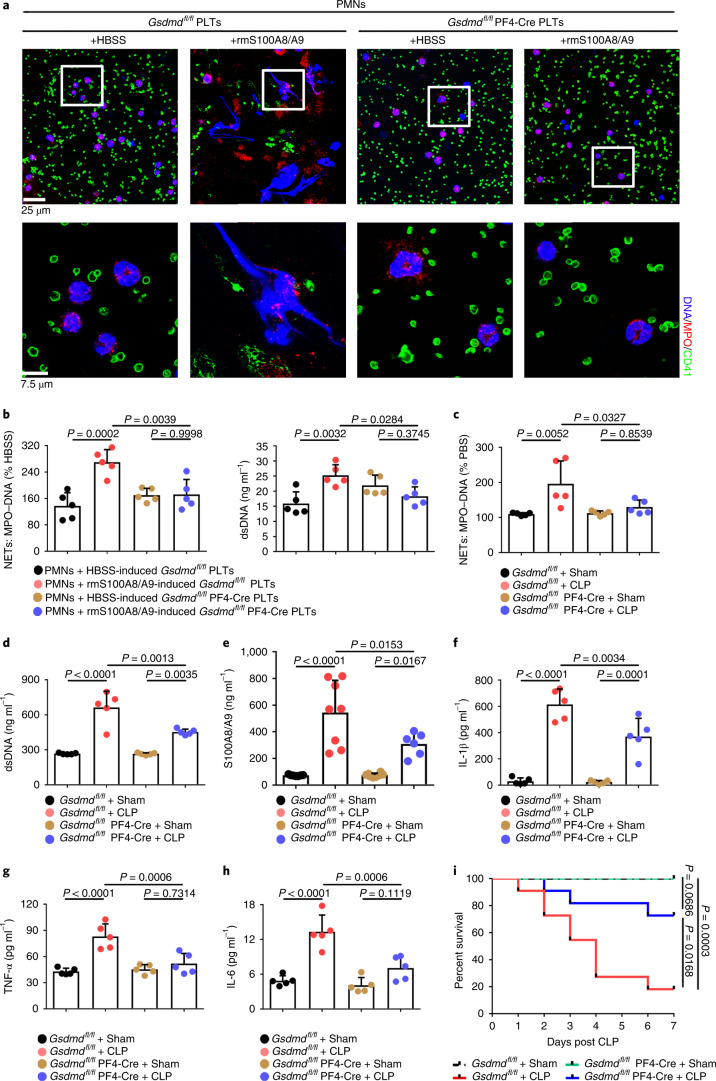
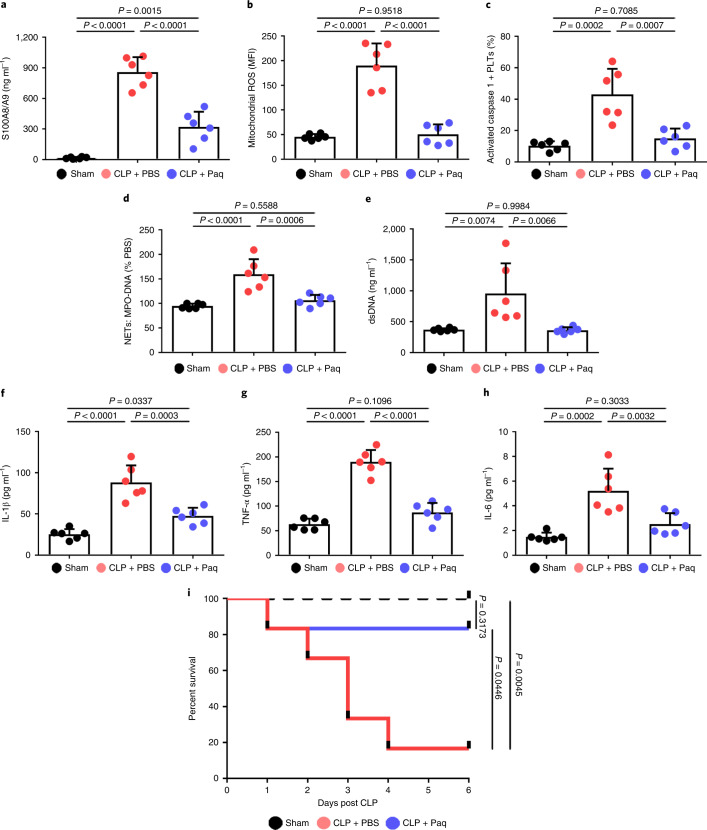
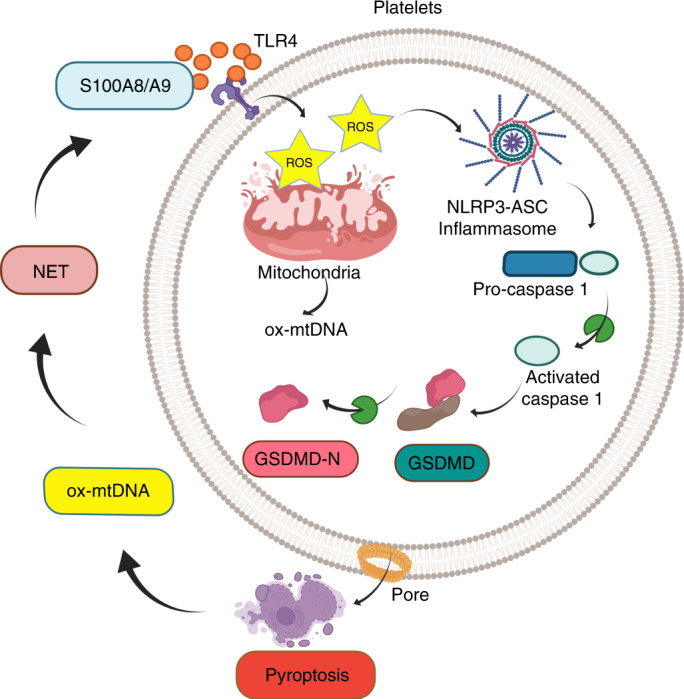
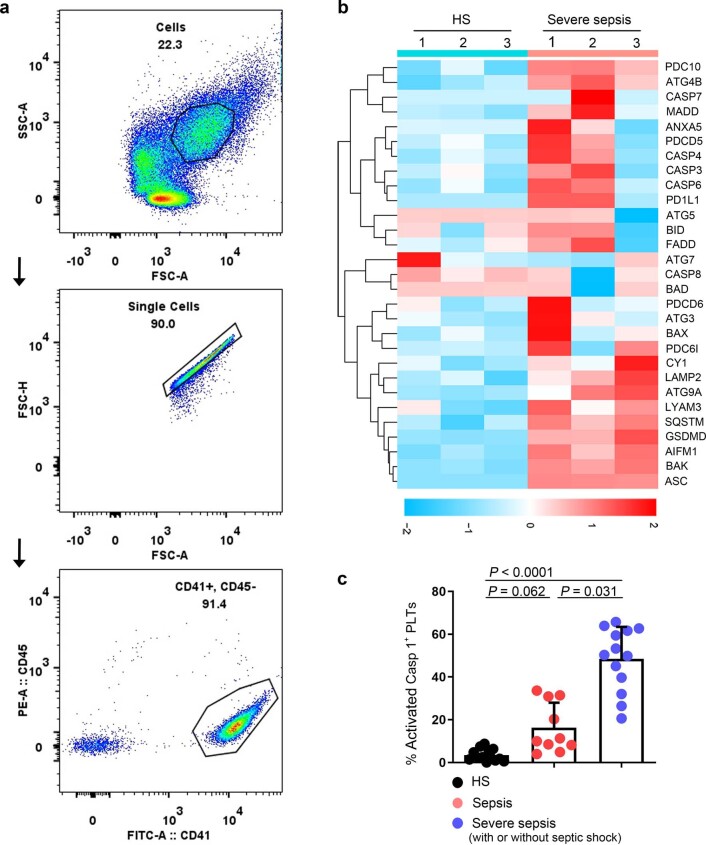
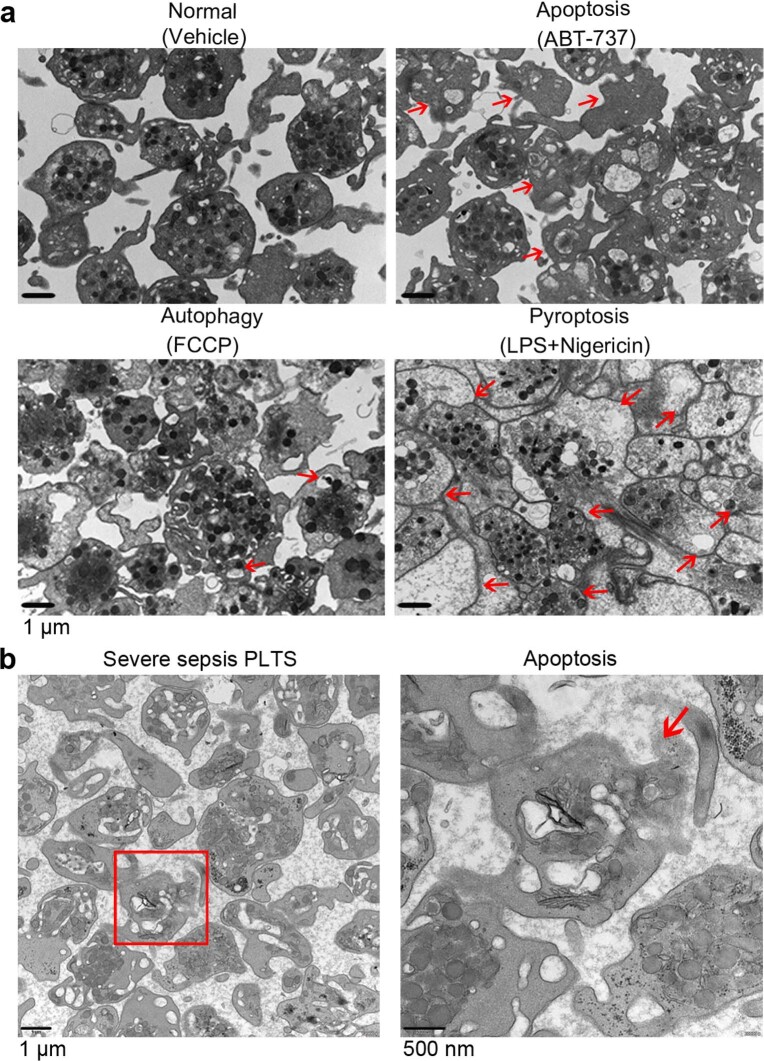
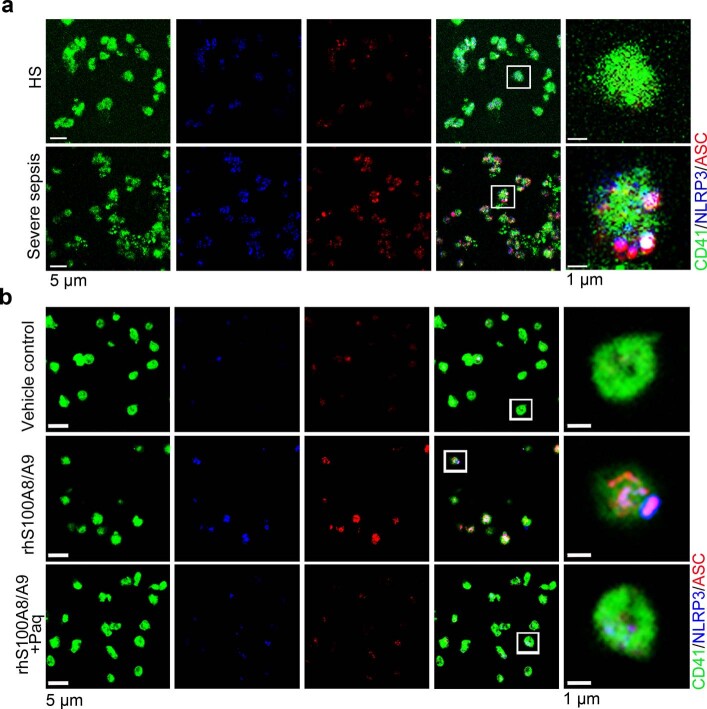
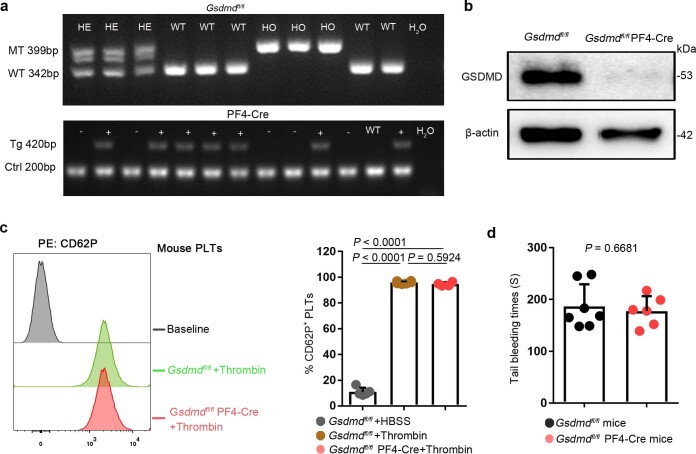
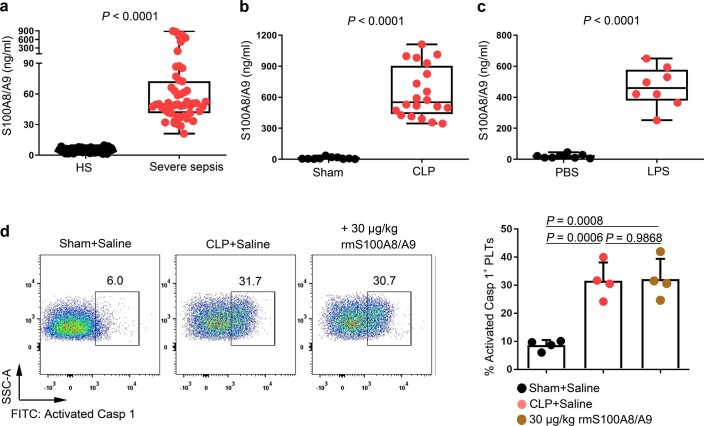
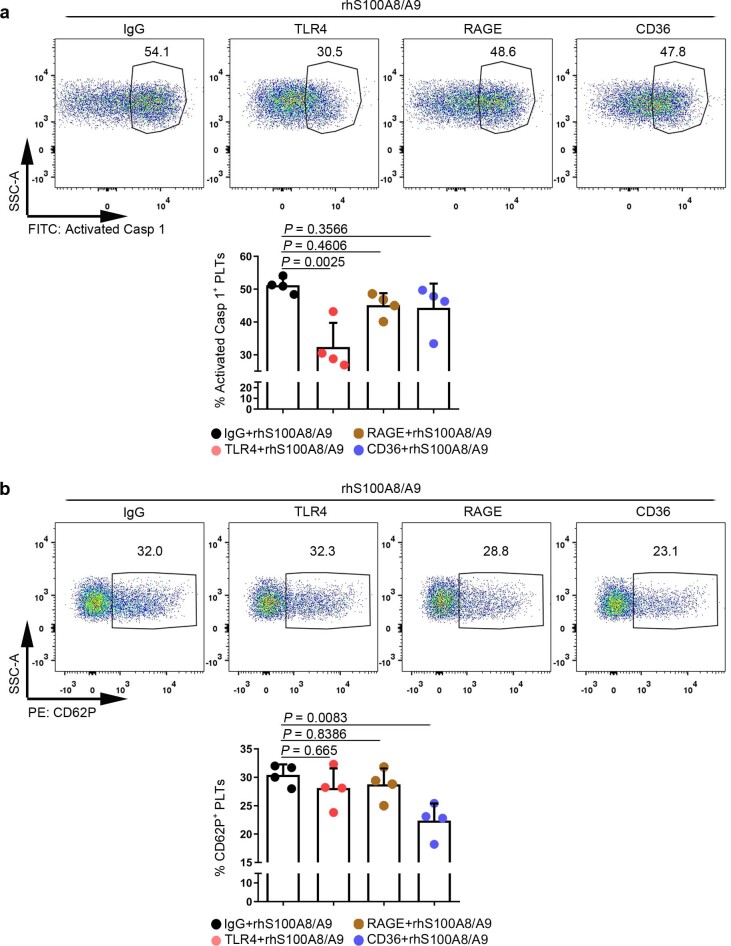
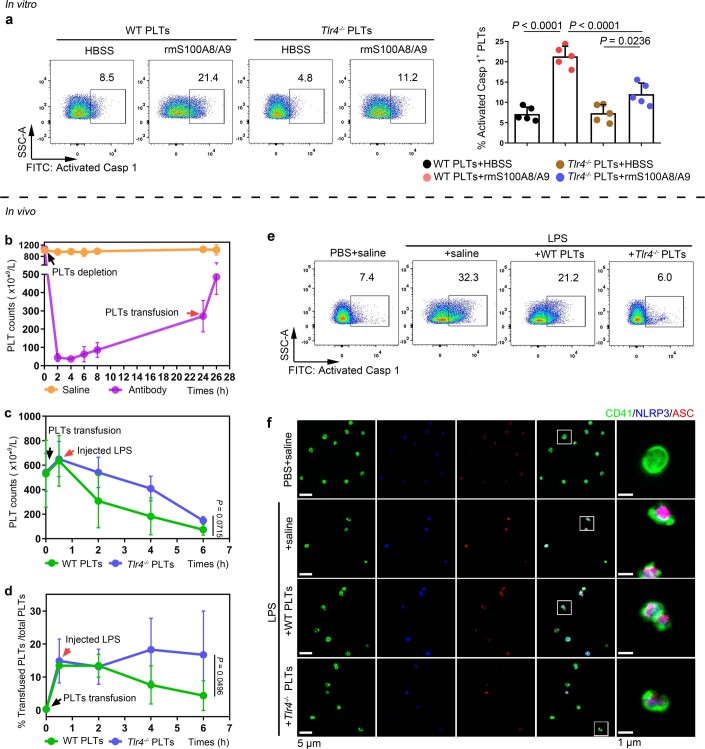
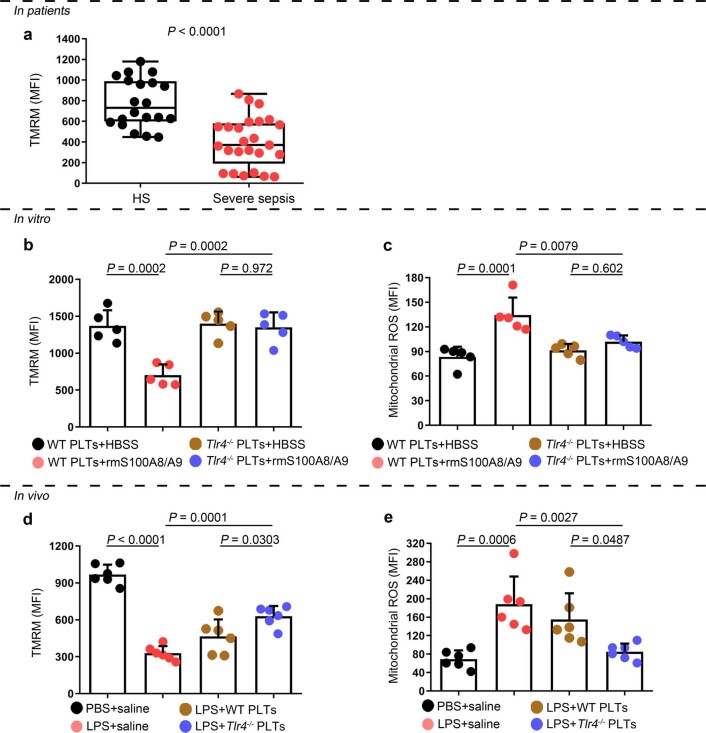
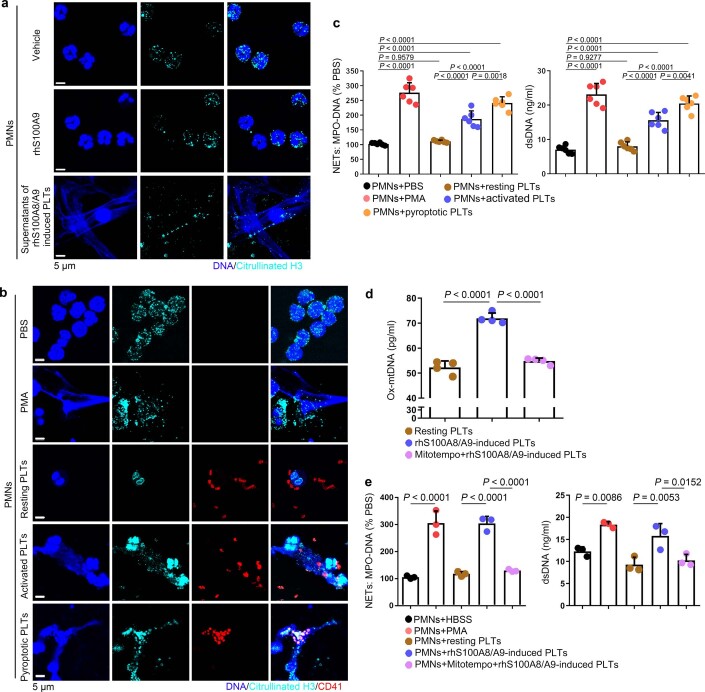
Platelets have emerged as key inflammatory cells implicated in the pathology of sepsis, but their contributions to rapid clinical deterioration and dysregulated inflammation have not been defined. Here, we show that the incidence of thrombocytopathy and inflammatory cytokine release was significantly increased in patients with severe sepsis. Platelet proteomic analysis revealed significant upregulation of gasdermin D (GSDMD). Using platelet-specific -deficient mice, we demonstrated a requirement for GSDMD in triggering platelet pyroptosis in cecal ligation and puncture (CLP)-induced sepsis. GSDMD-dependent platelet pyroptosis was induced by high levels of S100A8/A9 targeting toll-like receptor 4 (TLR4). Pyroptotic platelet-derived oxidized mitochondrial DNA (ox-mtDNA) potentially promoted neutrophil extracellular trap (NET) formation, which contributed to platelet pyroptosis by releasing S100A8/A9, forming a positive feedback loop that led to the excessive release of inflammatory cytokines. Both pharmacological inhibition using Paquinimod and genetic ablation of the S100A8/A9-TLR4 signaling axis improved survival in mice with CLP-induced sepsis by suppressing platelet pyroptosis.
血小板已成为脓毒症病理过程中关键的炎症细胞,但其对临床快速恶化和炎症失调的作用尚未明确。在此,我们发现严重脓毒症患者血小板病和炎性细胞因子释放的发生率显著增加。血小板蛋白质组学分析显示gasdermin D(GSDMD)显著上调。利用血小板特异性缺陷小鼠,我们证明在盲肠结扎和穿刺(CLP)诱导的脓毒症中,触发血小板焦亡需要GSDMD。高水平靶向Toll样受体4(TLR4)的S100A8/A9诱导了依赖GSDMD的血小板焦亡。焦亡的血小板衍生的氧化线粒体DNA(ox-mtDNA)可能促进中性粒细胞胞外陷阱(NET)形成,通过释放S100A8/A9促进血小板焦亡,形成正反馈回路,导致炎性细胞因子过度释放。使用帕喹莫德进行药物抑制以及对S100A8/A9-TLR4信号轴进行基因敲除,均可通过抑制血小板焦亡提高CLP诱导的脓毒症小鼠的存活率。