Department of Biology, Stanford University, Stanford, CA 94305, USA; Chan Zuckerberg Biohub, Stanford, CA 94305, USA.
Department of Biology, Stanford University, Stanford, CA 94305, USA.
Mol Cell. 2022 Sep 1;82(17):3255-3269.e8. doi: 10.1016/j.molcel.2022.07.017. Epub 2022 Aug 19.
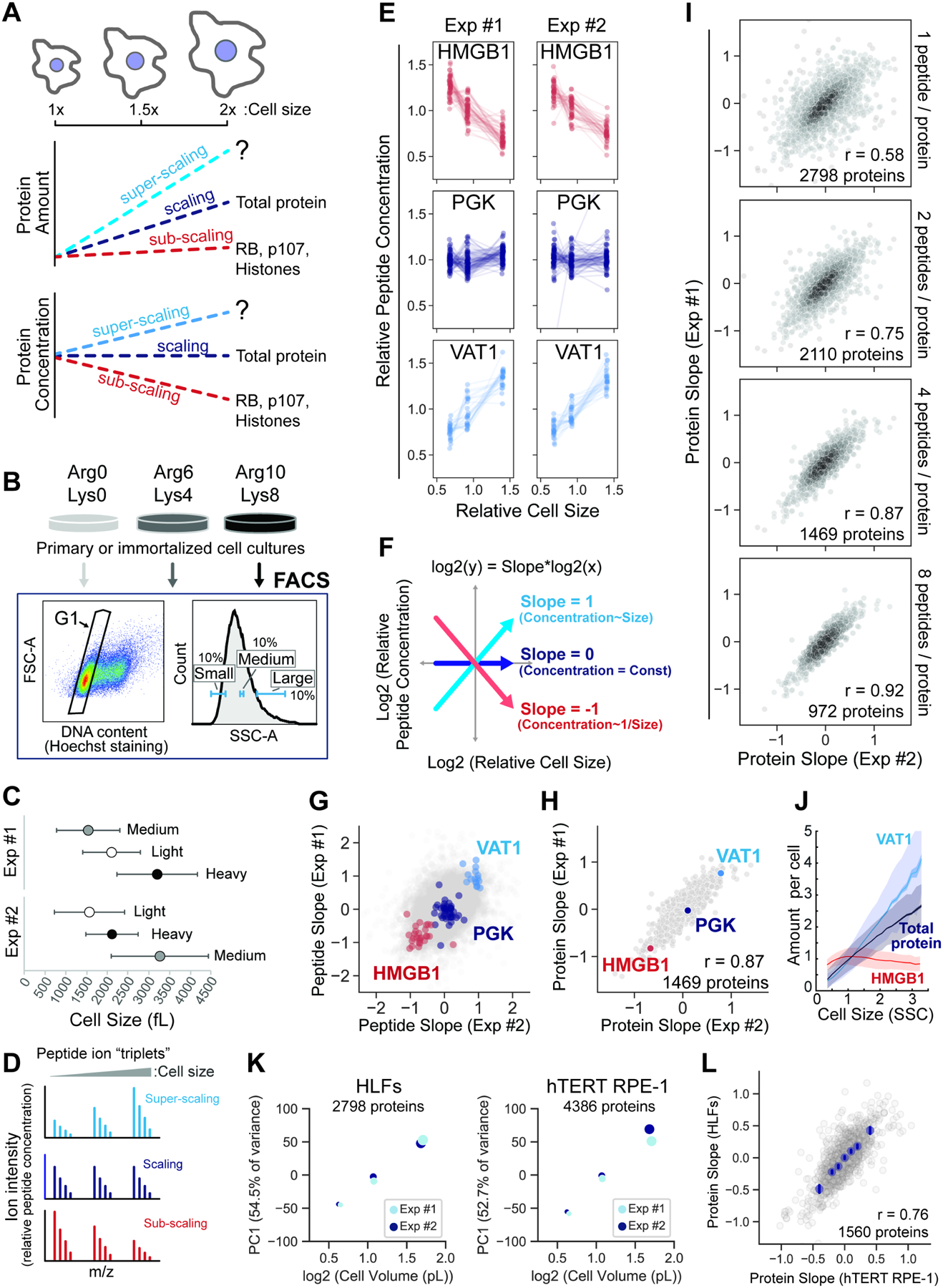
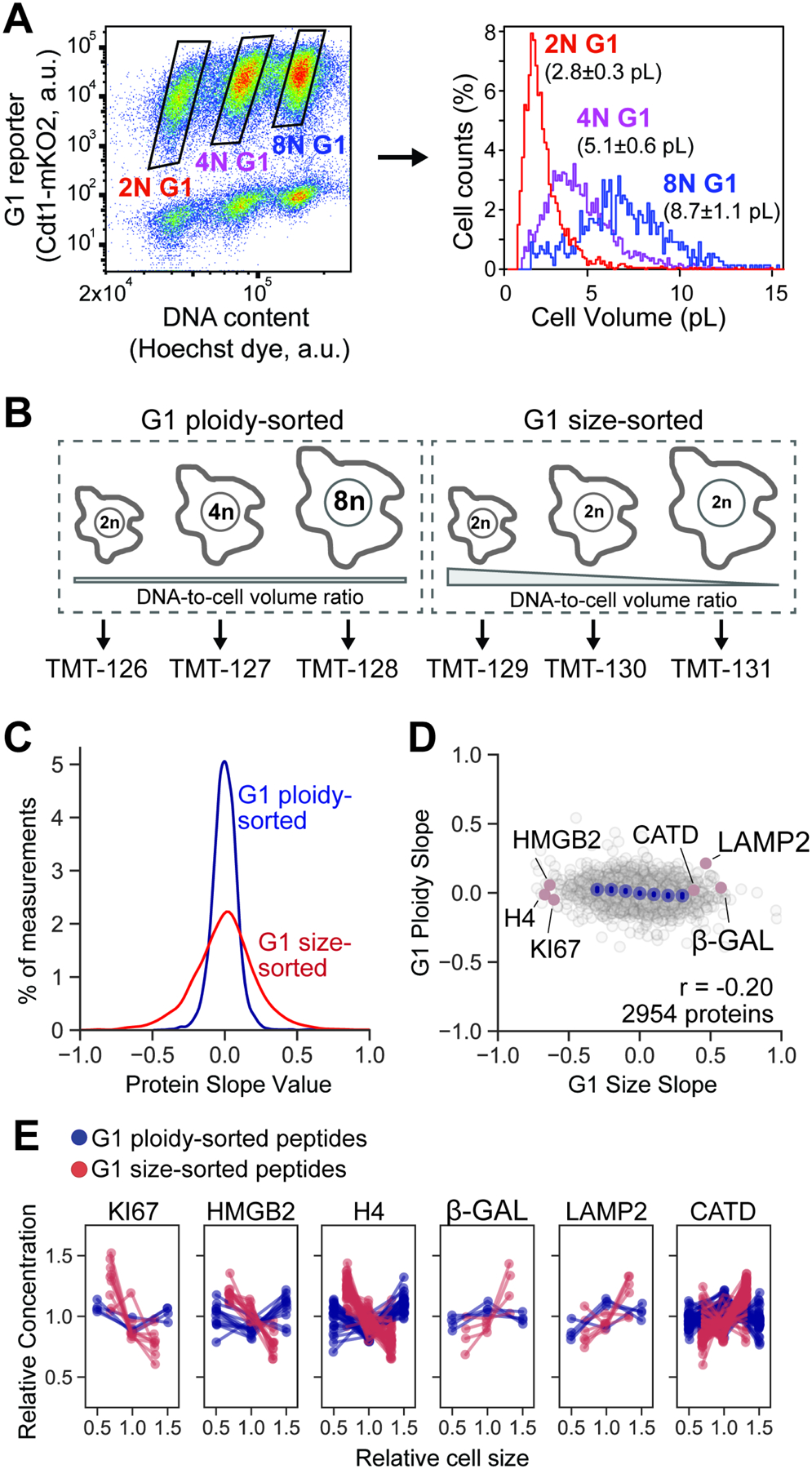
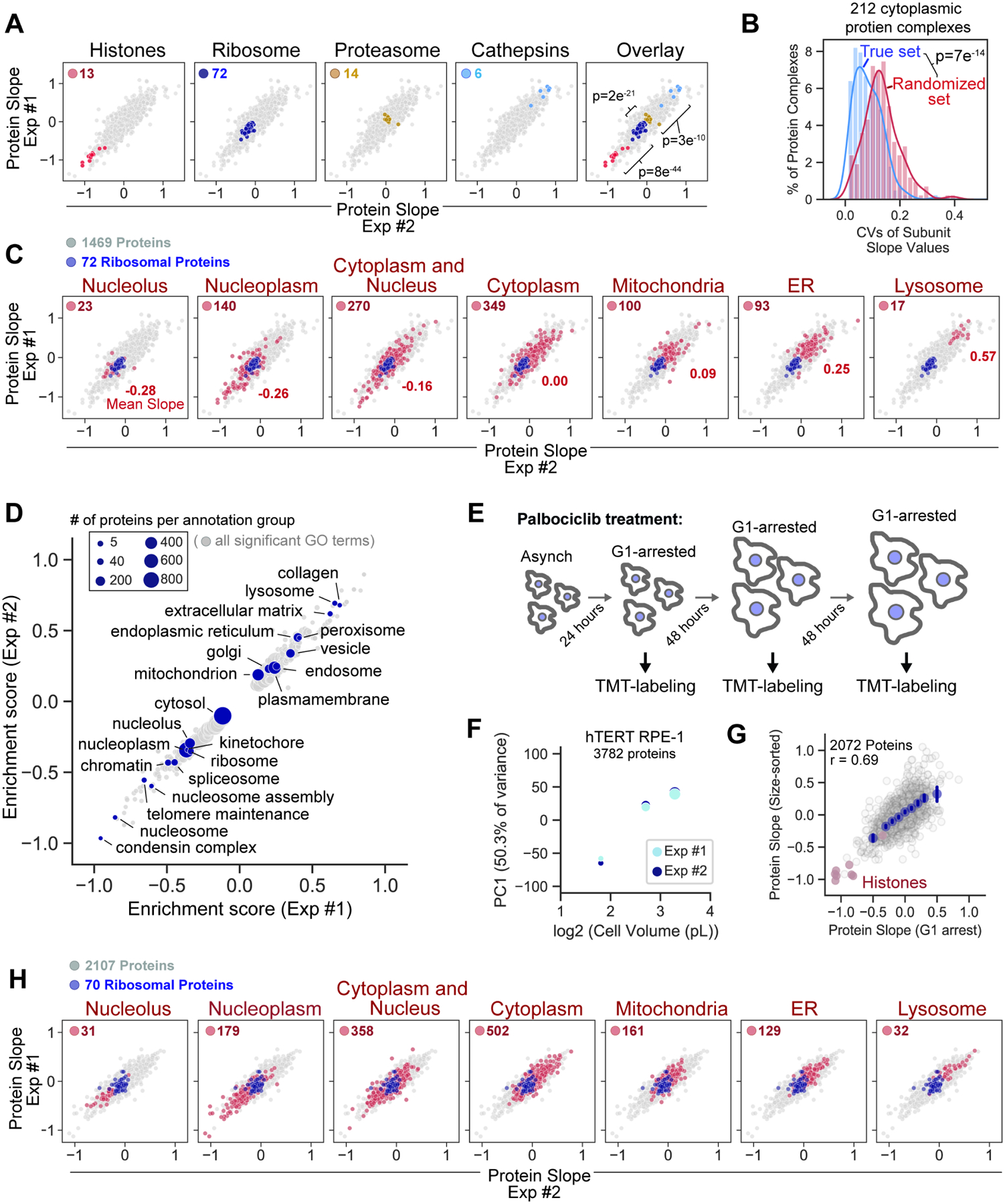
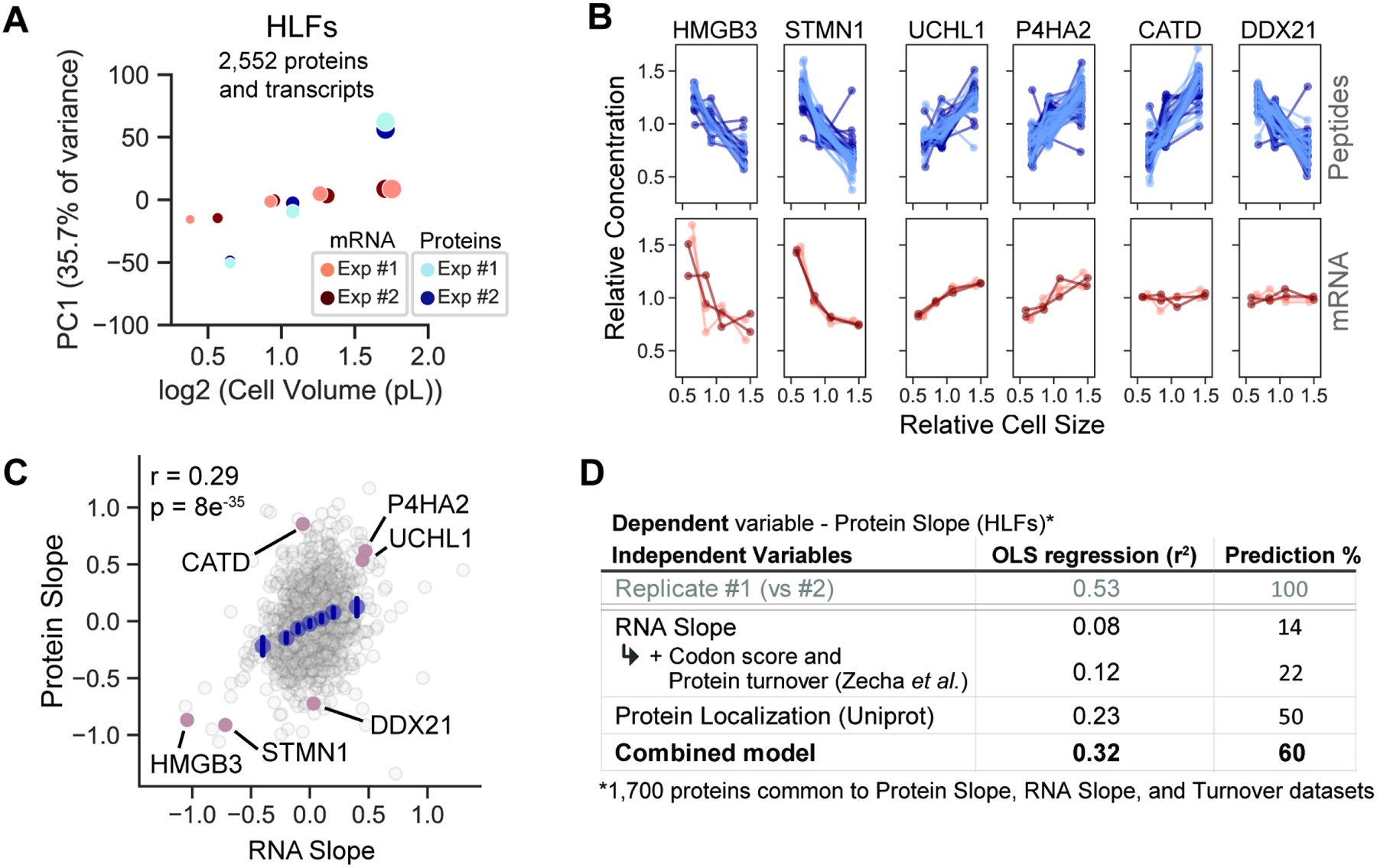
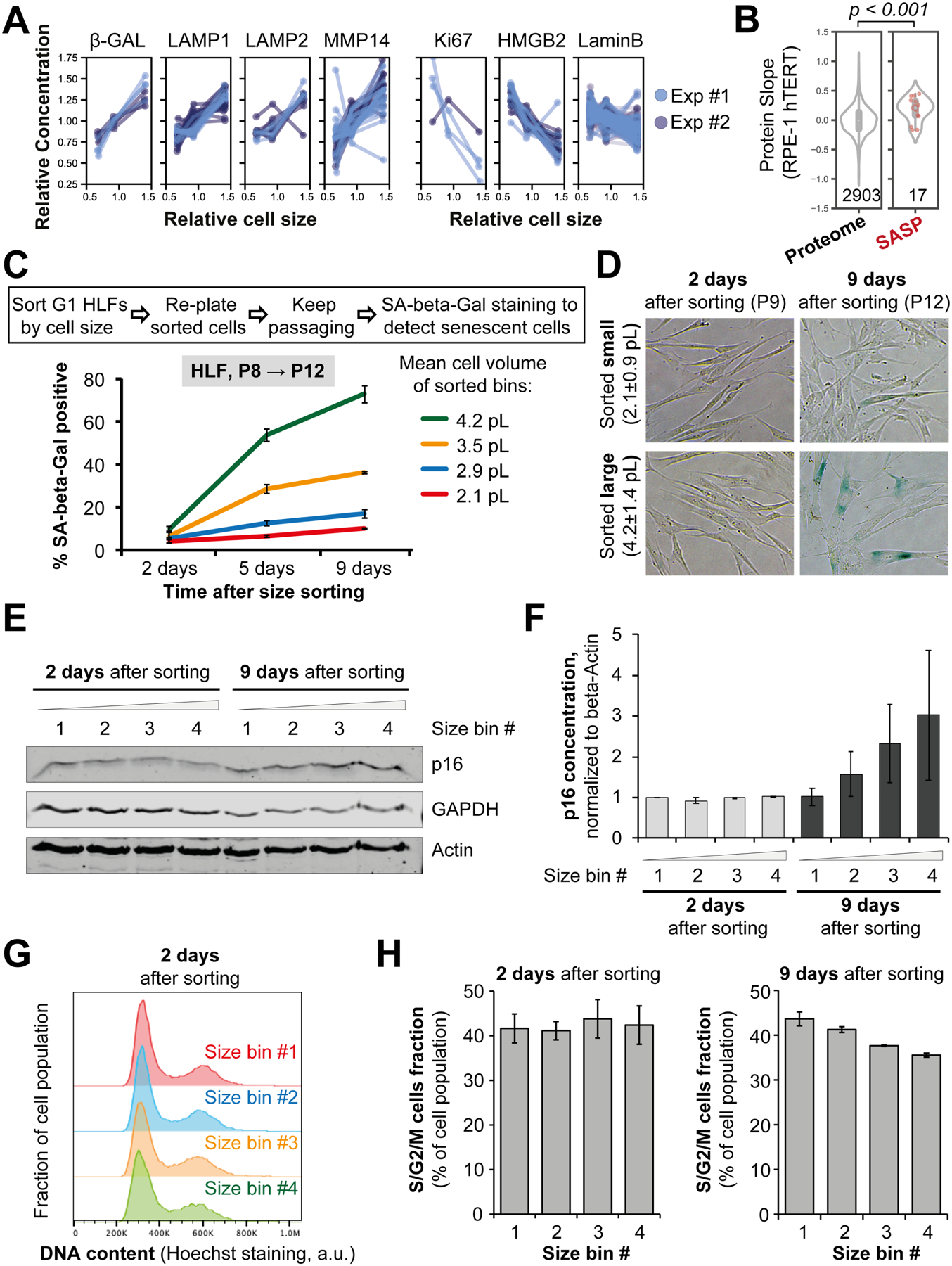
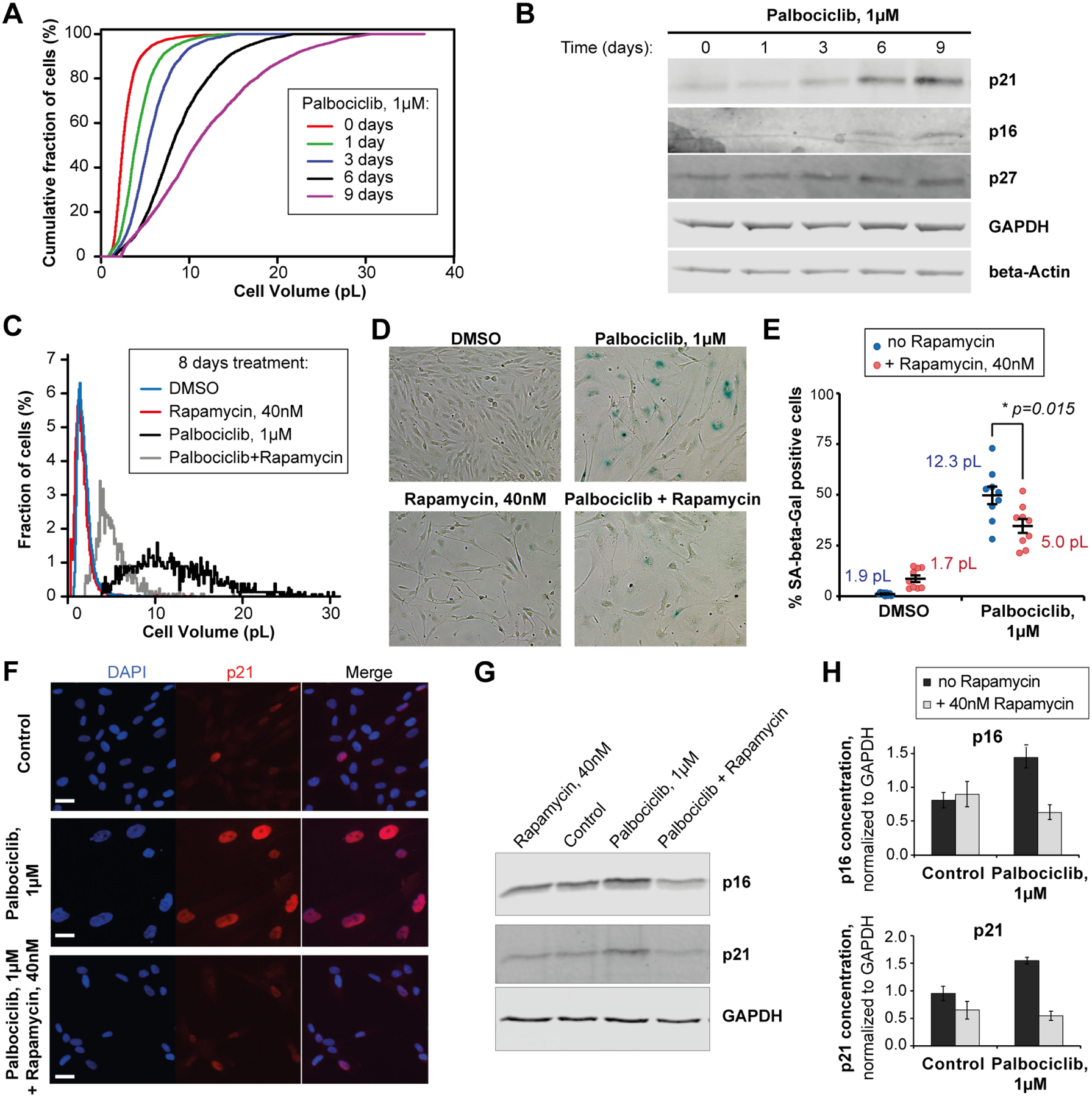
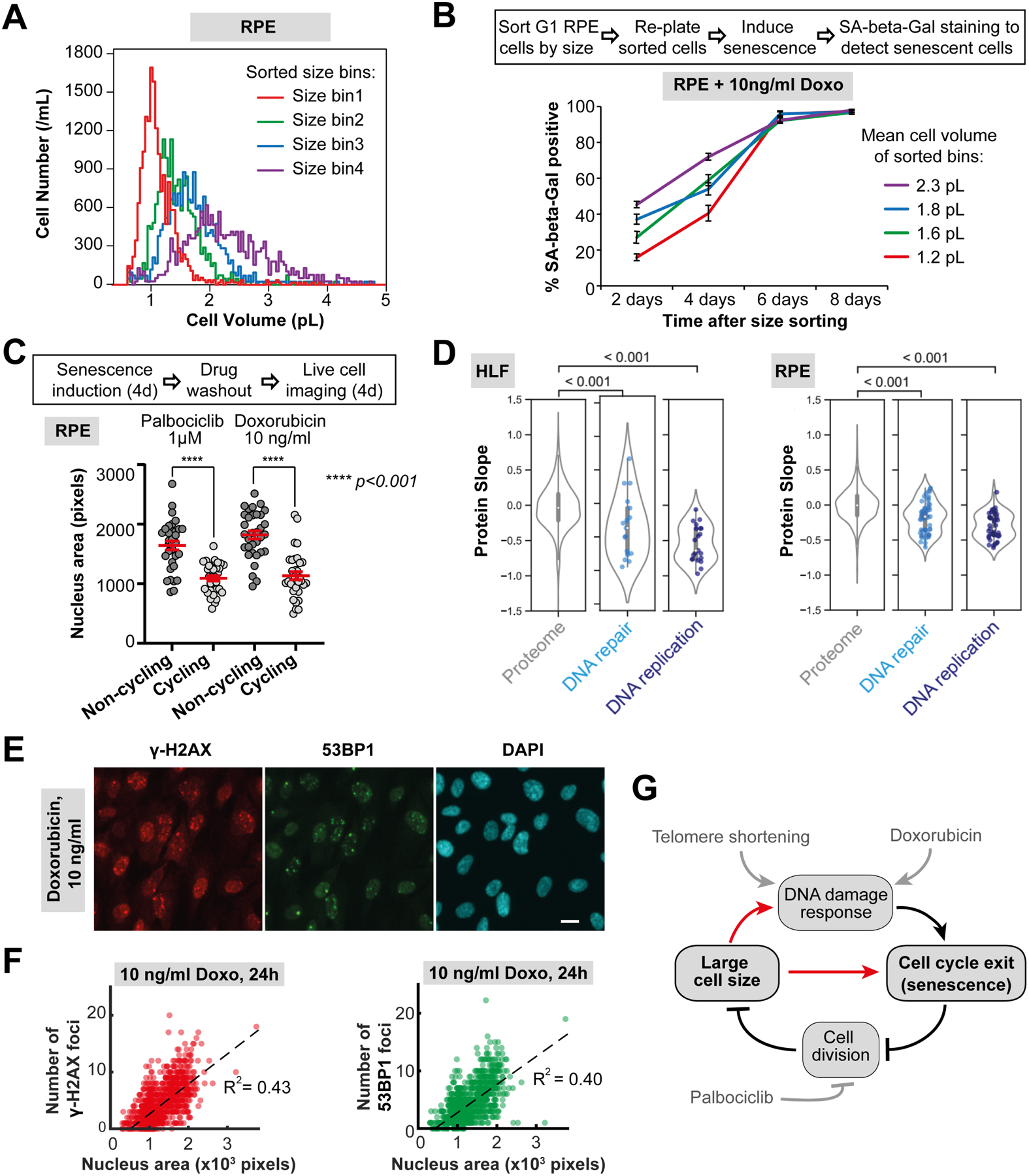
Cell size is tightly controlled in healthy tissues, but it is unclear how deviations in cell size affect cell physiology. To address this, we measured how the cell's proteome changes with increasing cell size. Size-dependent protein concentration changes are widespread and predicted by subcellular localization, size-dependent mRNA concentrations, and protein turnover. As proliferating cells grow larger, concentration changes typically associated with cellular senescence are increasingly pronounced, suggesting that large size may be a cause rather than just a consequence of cell senescence. Consistent with this hypothesis, larger cells are prone to replicative, DNA-damage-induced, and CDK4/6i-induced senescence. Size-dependent changes to the proteome, including those associated with senescence, are not observed when an increase in cell size is accompanied by an increase in ploidy. Together, our findings show how cell size could impact many aspects of cell physiology by remodeling the proteome and provide a rationale for cell size control and polyploidization.
细胞大小在健康组织中受到严格控制,但细胞大小的偏差如何影响细胞生理学尚不清楚。为了解决这个问题,我们测量了细胞蛋白质组随细胞大小的变化。与细胞大小相关的蛋白质浓度变化是广泛存在的,并可通过亚细胞定位、与细胞大小相关的 mRNA 浓度和蛋白质周转率来预测。随着增殖细胞的生长,通常与细胞衰老相关的浓度变化变得更加明显,这表明大的大小可能是细胞衰老的原因,而不仅仅是结果。与这一假设一致的是,较大的细胞更容易发生复制性、DNA 损伤诱导和 CDK4/6i 诱导的衰老。当细胞大小的增加伴随着倍性的增加时,不会观察到蛋白质组的与大小相关的变化,包括与衰老相关的变化。总之,我们的研究结果表明,通过重塑蛋白质组,细胞大小如何通过重塑蛋白质组来影响细胞生理学的许多方面,并为细胞大小控制和多倍体化提供了合理的依据。