Department of Urology, Guangzhou Women and Children's Medical Center, National Children's Medical Center for South Central Region, Guangzhou Medical University, Guangzhou, China.
Department of Urology, The First Affiliated Hospital of Nanjing Medical University, Nanjing, China.
Front Immunol. 2022 Aug 4;13:958368. doi: 10.3389/fimmu.2022.958368. eCollection 2022.
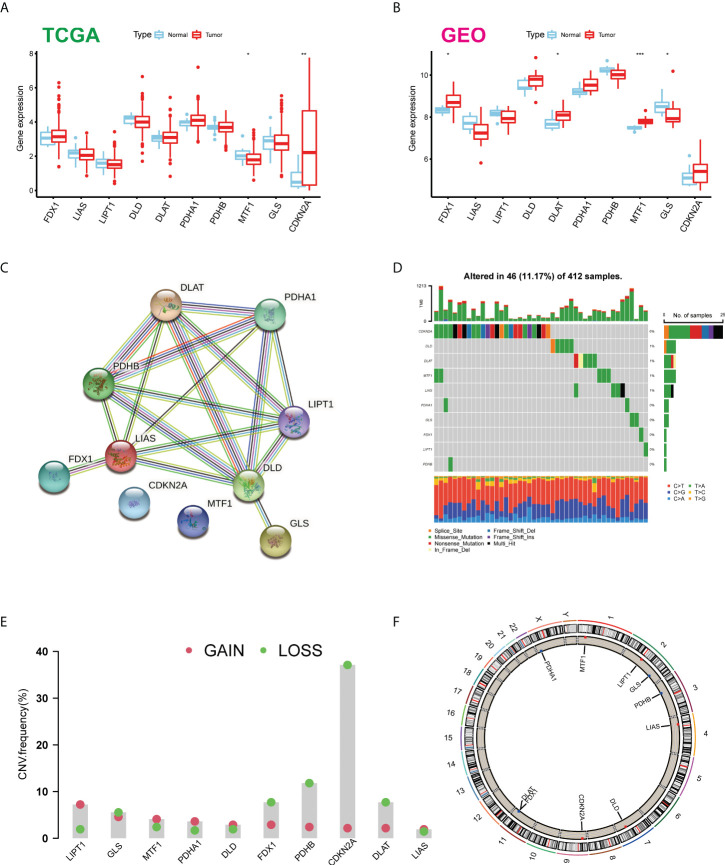
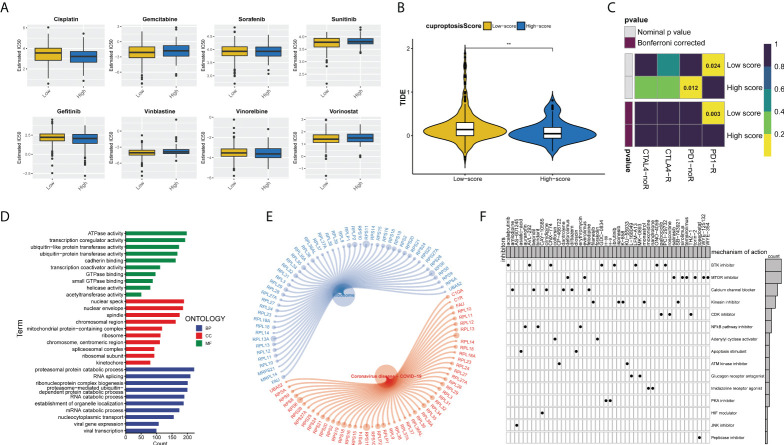
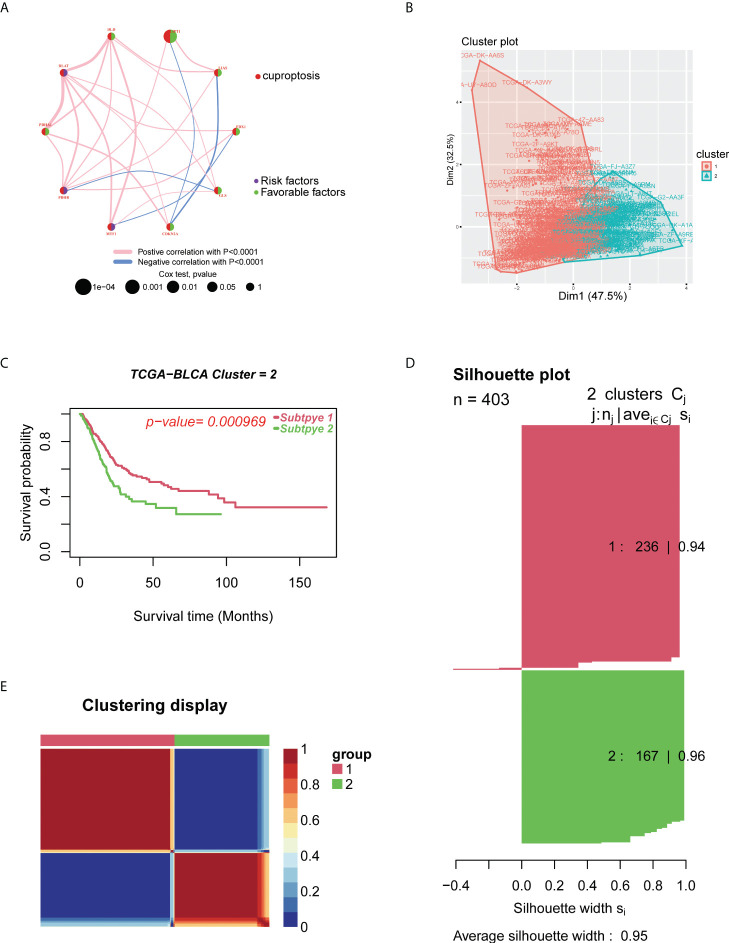
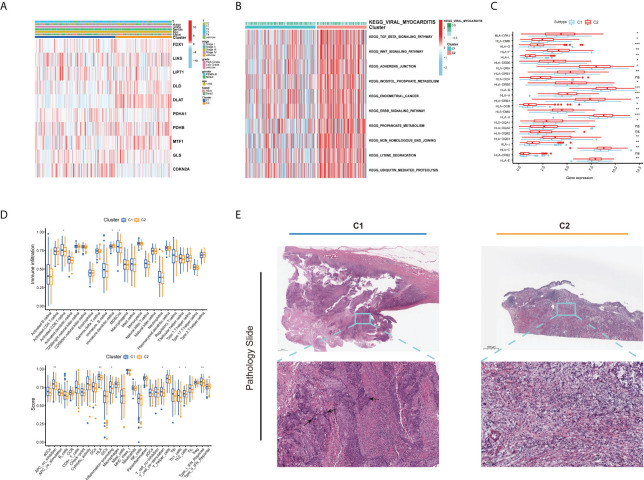
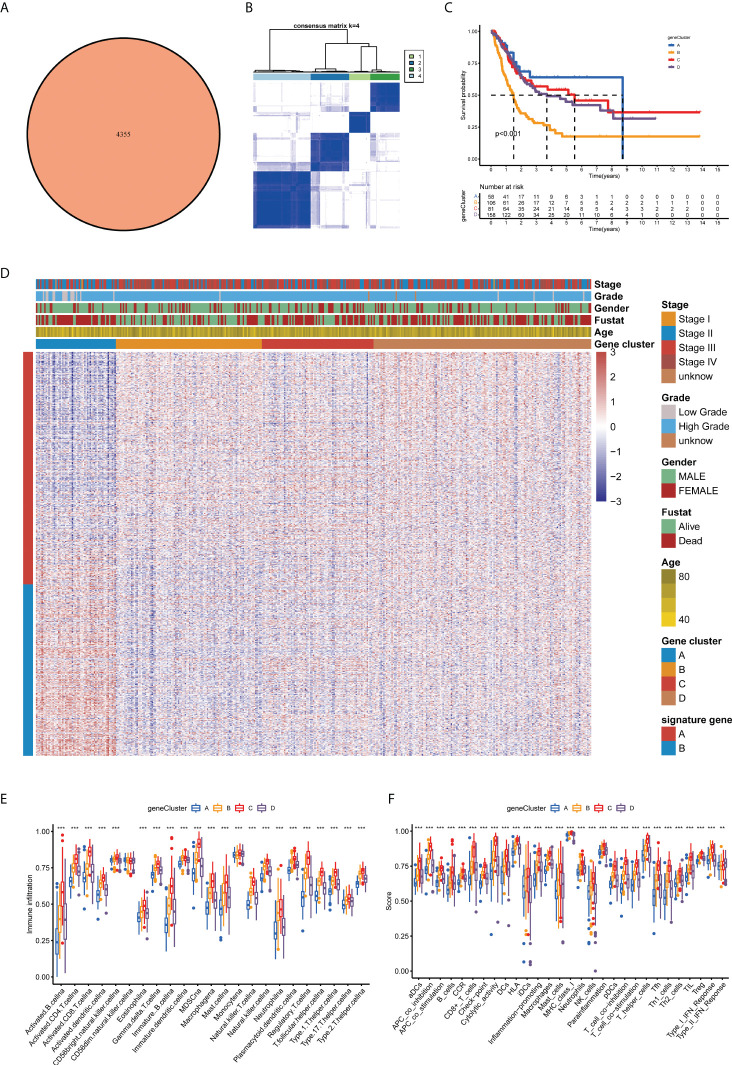
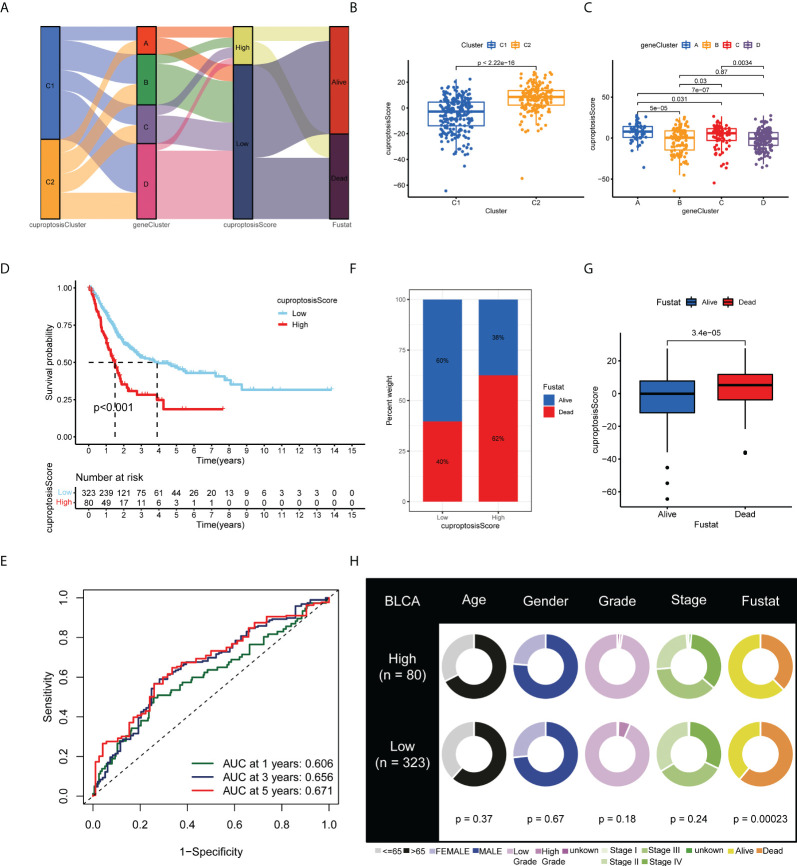
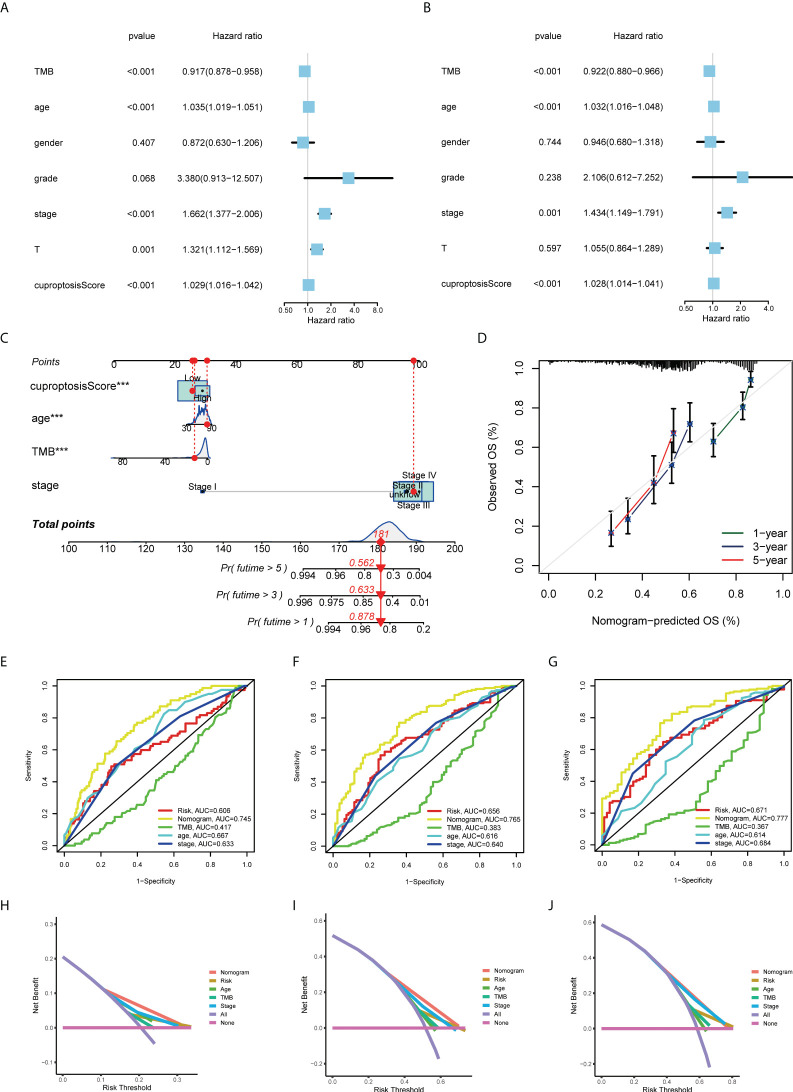
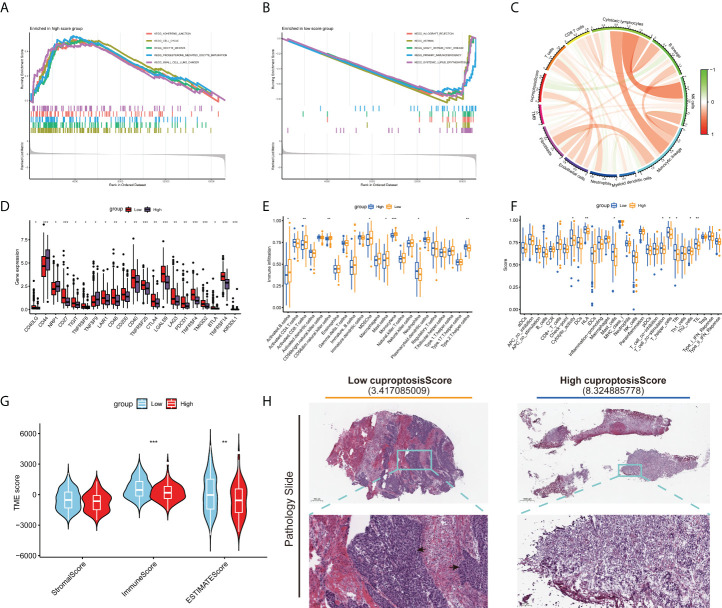
Cuproptosis is a novel copper ion-dependent cell death type being regulated in cells, and this is quite different from the common cell death patterns such as apoptosis, pyroptosis, necroptosis, and ferroptosis. Interestingly, like with death patterns, cuproptosis-related genes have recently been reported to regulate the occurrence and progression of various tumors. However, in bladder cancer, the link between cuproptosis and clinical outcome, tumor microenvironment (TME) modification, and immunotherapy is unknown. To determine the role of cuprotosis in the tumor microenvironment, we systematically examined the characteristic patterns of 10 cuproptosis-related genes in bladder cancer (BLCA). By analyzing principal component data, we established a cuproptosis score to determine the degree of cuproptosis among patients. Finally, we evaluated the potential of these values in predicting BLCA prognosis and treatment responses. A comprehensive study of the mutations of cuproptosis-related genes in BLCA specimens was conducted at the genetic level, and their expression and survival patterns were evaluated using The Cancer Genome Atlas (TCGA) and Gene Expression Omnibus (GEO). Two cuproptosis patterns were constructed based on the transcription level of 10 cuproptosis-related genes, featuring differences in the prognosis and the infiltrating landscape of immune cells (especially T and dendritic cells) with interactions between cuproptosis and the TME. Our study further demonstrated that cuproptosis score may predict prognosis, immunophenotype sensitivity to chemotherapy, and immunotherapy response among bladder cancer patients. The development and progression of bladder cancer are likely to be influenced by cuproptosis, which may involve a diverse and complex TME. The cuproptosis pattern evaluated in our study may enhance understanding of immune infiltrations and guide more potent immunotherapy interventions.
铜死亡是一种新型的铜离子依赖性细胞死亡方式,其在细胞中的调控方式与细胞凋亡、细胞焦亡、细胞坏死和铁死亡等常见的细胞死亡方式有很大的不同。有趣的是,与死亡方式一样,铜死亡相关基因最近也被报道可以调节各种肿瘤的发生和进展。然而,在膀胱癌中,铜死亡与临床结局、肿瘤微环境(TME)修饰和免疫治疗之间的联系尚不清楚。为了确定铜死亡在肿瘤微环境中的作用,我们系统地研究了膀胱癌(BLCA)中 10 个铜死亡相关基因的特征模式。通过分析主成分数据,我们建立了一个铜死亡评分来确定患者之间铜死亡的程度。最后,我们评估了这些值预测 BLCA 预后和治疗反应的潜力。在遗传水平上对 BLCA 标本中铜死亡相关基因的突变进行了全面研究,并使用癌症基因组图谱(TCGA)和基因表达综合数据库(GEO)评估了它们的表达和生存模式。根据 10 个铜死亡相关基因的转录水平构建了两种铜死亡模式,这些模式在预后和免疫细胞(特别是 T 细胞和树突状细胞)的浸润景观方面存在差异,并且与 TME 之间存在相互作用。我们的研究进一步表明,铜死亡评分可能预测膀胱癌患者的预后、对化疗的免疫表型敏感性和免疫治疗反应。铜死亡可能影响膀胱癌的发生和发展,可能涉及到一个多样化和复杂的 TME。我们研究中评估的铜死亡模式可能会增强对免疫浸润的理解,并指导更有效的免疫治疗干预。