Omar Abdalla M, Hassan Mohamed H, Daskalakis Evangelos, Ates Gokhan, Bright Charlie J, Xu Zhanyan, Powell Emily J, Mirihanage Wajira, Bartolo Paulo J D S
Department of Mechanical, Aerospace and Civil Engineering, University of Manchester, Manchester M13 9PL, UK.
Department of Materials, The University of Manchester, Manchester M13 9PL, UK.
J Funct Biomater. 2022 Jul 27;13(3):104. doi: 10.3390/jfb13030104.
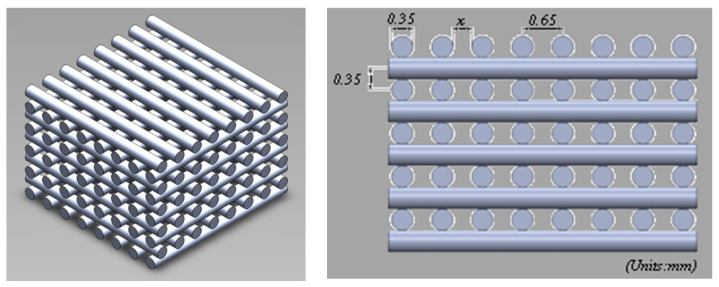
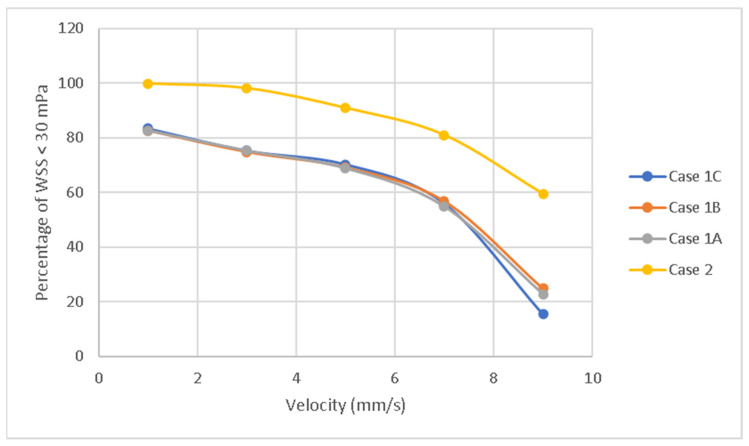
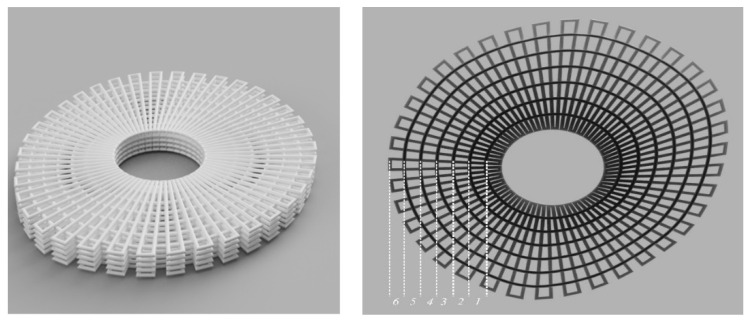
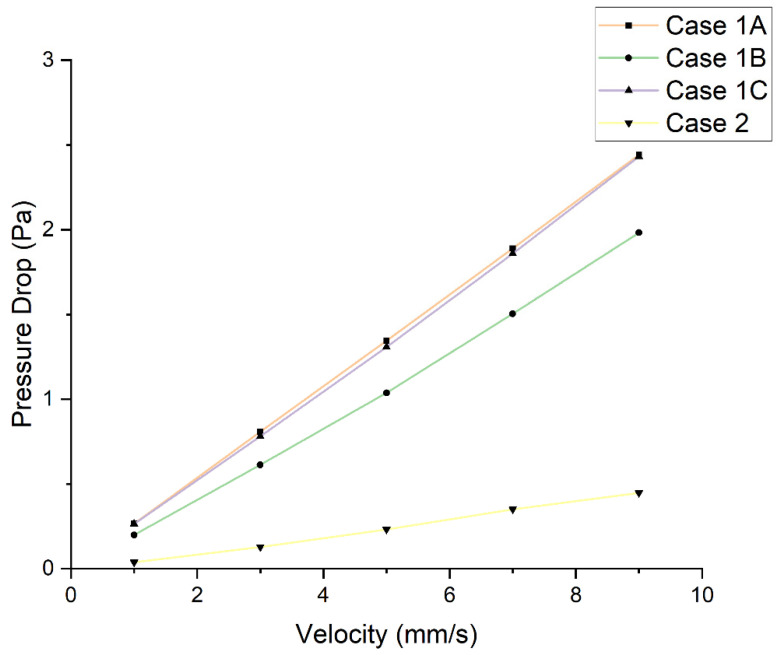
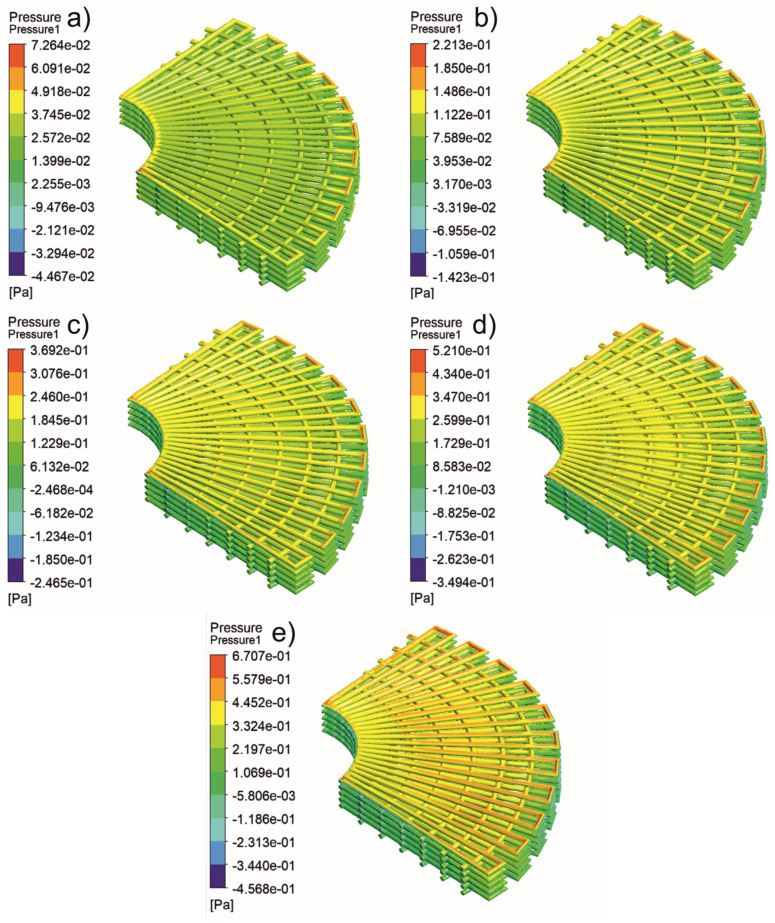
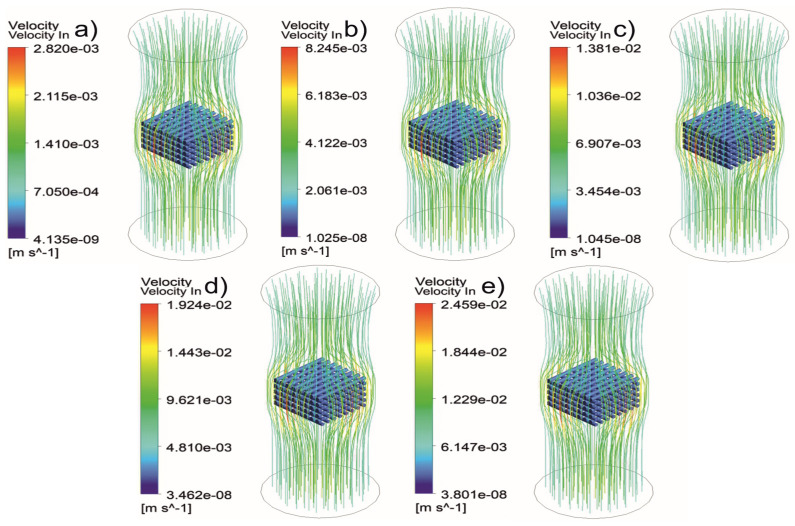
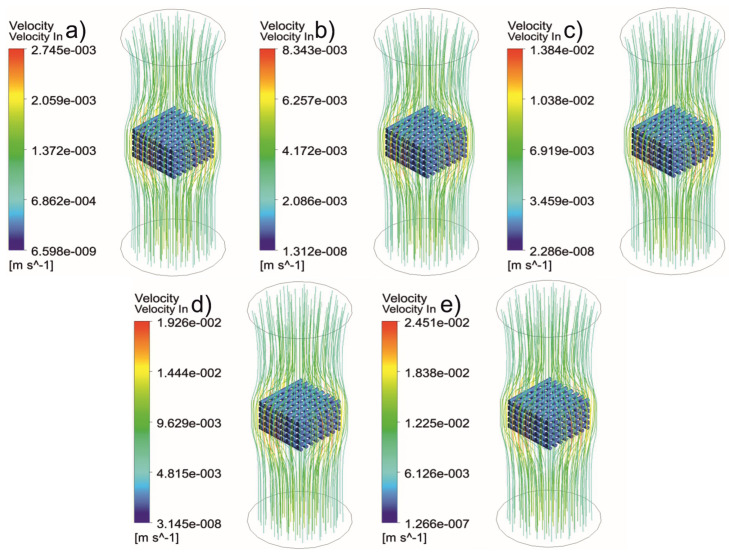
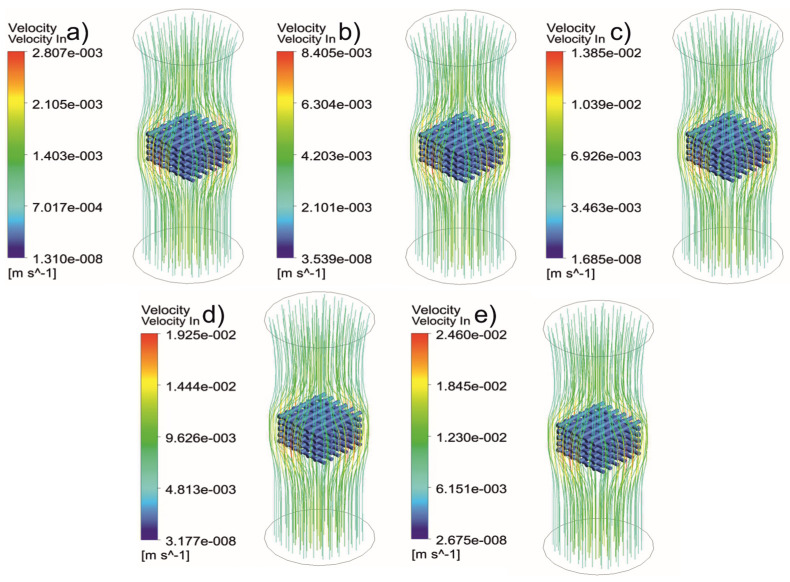
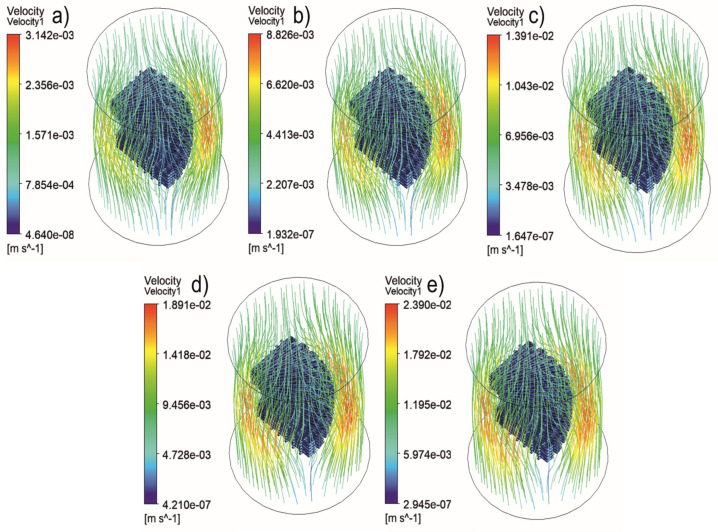
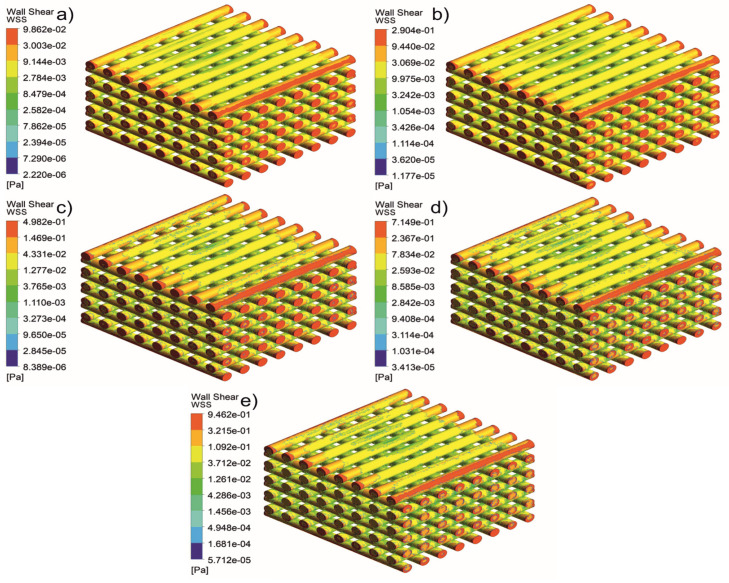
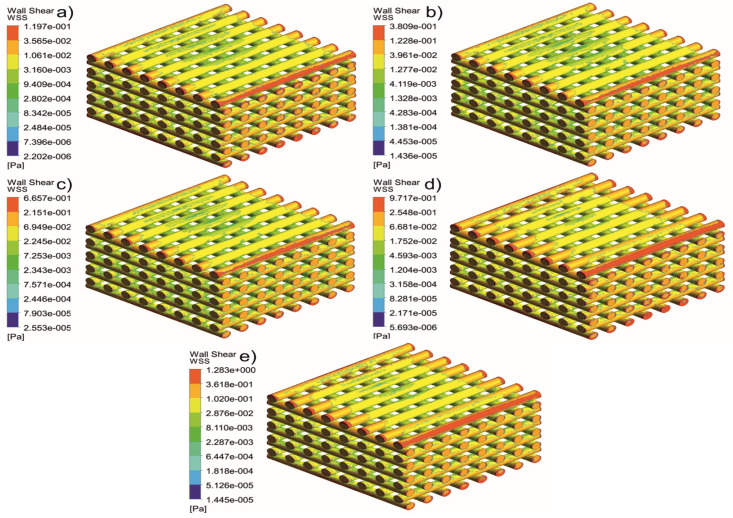
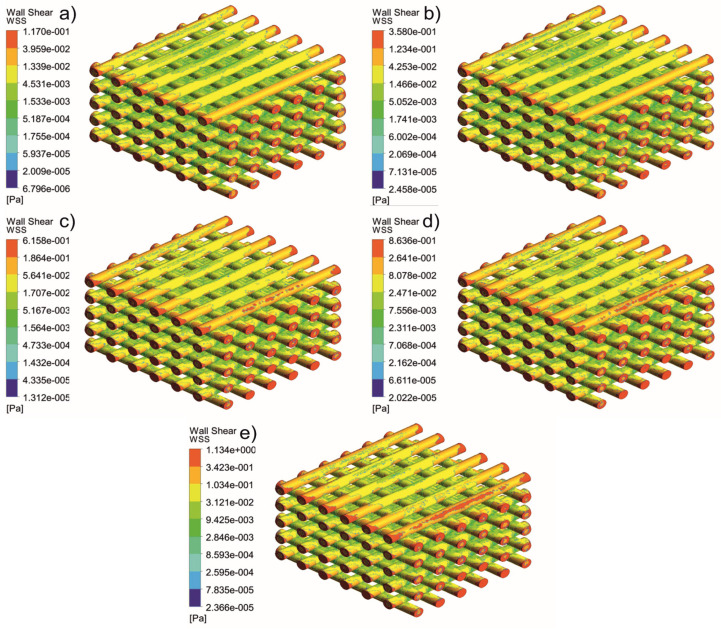
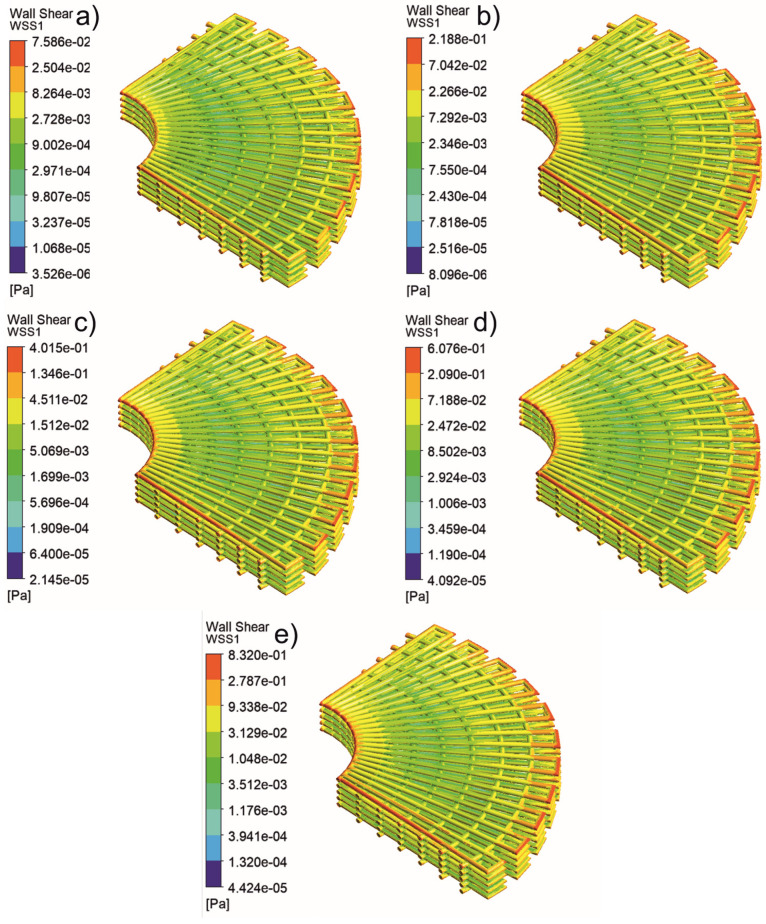
The use of biocompatible and biodegradable porous scaffolds produced via additive manufacturing is one of the most common approaches in tissue engineering. The geometric design of tissue engineering scaffolds (e.g., pore size, pore shape, and pore distribution) has a significant impact on their biological behavior. Fluid flow dynamics are important for understanding blood flow through a porous structure, as they determine the transport of nutrients and oxygen to cells and the flushing of toxic waste. The aim of this study is to investigate the impact of the scaffold architecture, pore size and distribution on its biological performance using Computational Fluid Dynamics (CFD). Different blood flow velocities (BFV) induce wall shear stresses (WSS) on cells. WSS values above 30 mPa are detrimental to their growth. In this study, two scaffold designs were considered: rectangular scaffolds with uniform square pores (300, 350, and 450 µm), and anatomically designed circular scaffolds with a bone-like structure and pore size gradient (476-979 µm). The anatomically designed scaffolds provided the best fluid flow conditions, suggesting a 24.21% improvement in the biological performance compared to the rectangular scaffolds. The numerical observations are aligned with those of previously reported biological studies.
使用通过增材制造生产的生物相容性和可生物降解的多孔支架是组织工程中最常见的方法之一。组织工程支架的几何设计(例如,孔径、孔形状和孔分布)对其生物学行为有重大影响。流体流动动力学对于理解血液在多孔结构中的流动很重要,因为它们决定了营养物质和氧气向细胞的输送以及有毒废物的冲洗。本研究的目的是使用计算流体动力学(CFD)研究支架结构、孔径和分布对其生物学性能的影响。不同的血流速度(BFV)会在细胞上产生壁面剪应力(WSS)。高于30 mPa的WSS值对细胞生长有害。在本研究中,考虑了两种支架设计:具有均匀方形孔(300、350和450 µm)的矩形支架,以及具有骨状结构和孔径梯度(476 - 979 µm)的解剖学设计圆形支架。解剖学设计的支架提供了最佳的流体流动条件,表明与矩形支架相比,生物学性能提高了24.21%。数值观察结果与先前报道的生物学研究结果一致。