Food Science and Human Nutrition, University of Illinois Urbana Champaign, Urbana, IL, United States.
Physiology Research Laboratory (PRL), Department of Animal Sciences, Urbana, IL, United States.
Methods Enzymol. 2022;674:363-389. doi: 10.1016/bs.mie.2022.04.008. Epub 2022 May 12.
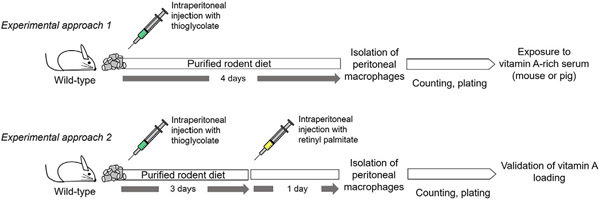
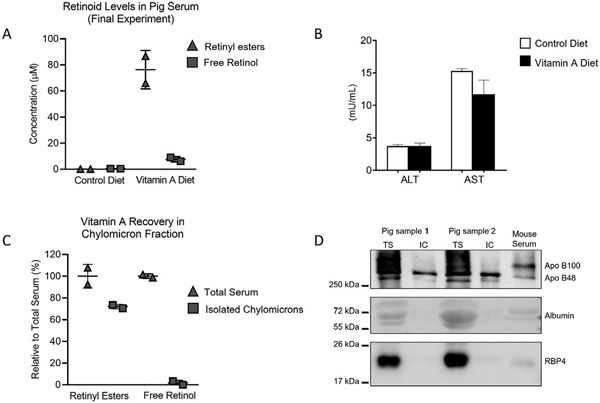
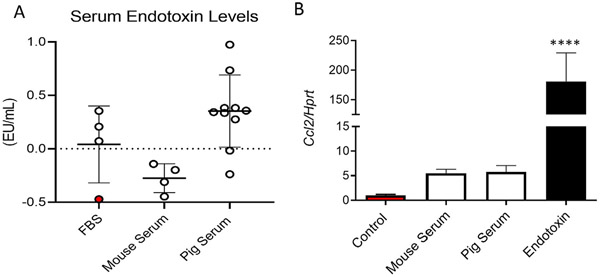
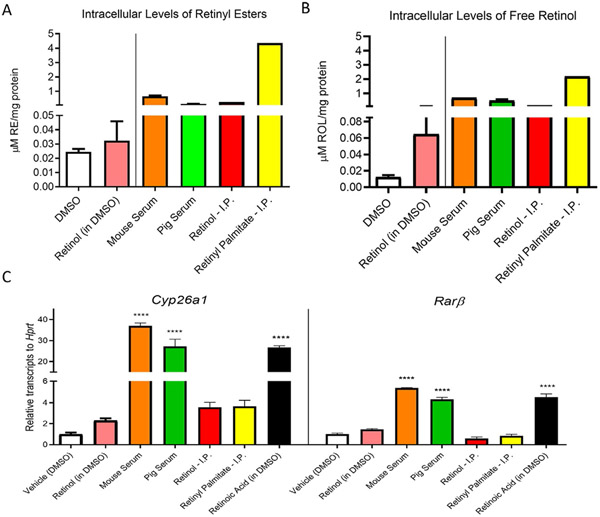
Macrophages are critical players in the development of atherosclerotic lesions, where they promote local and systemic inflammation. Macrophages engulf lipoproteins and cell debris upon entry into the arterial wall, becoming lipid-laden foam cells. While most lipids found in foam cells are triglyceride and cholesterol, these cells accumulate several other lipids with bioactive properties, such as vitamin A and carotenoids. Vitamin A has strong immunomodulatory actions in macrophages and other immune cells. For example, macrophages release vitamin A as retinoic acid to modulate T cell differentiation, but the implication of intracellular vitamin A stores in this process remains elusive due to the lack of an adequate experimental model to load vitamin A into macrophages. The purpose of this study was to develop a reliable method to deliver vitamin A to cultured murine macrophages. Our results show that thioglycolate-elicited peritoneal macrophages fail to take up significant levels of vitamin A when provided as free retinol. Cultured macrophages and macrophages in the peritoneal cavity can take up retinyl esters, either as retinyl ester-loaded serum or retinyl esters infused directly into the peritoneal cavity. HPLC analyses in macrophage lysates revealed that the intraperitoneal injection method results in a fourfold greater vitamin A loading efficiency than retinyl ester-loaded serum added to cultured cells. These two alternative methods provide an efficient and reliable methodology to load macrophages with vitamin A for downstream applications such as studies of gene regulation trafficking of intracellular vitamin A, and vitamin A release from macrophages.
巨噬细胞是动脉粥样硬化病变发展的关键参与者,它们促进局部和全身炎症。巨噬细胞进入动脉壁时吞噬脂蛋白和细胞碎片,成为富含脂质的泡沫细胞。虽然泡沫细胞中发现的大多数脂质是甘油三酯和胆固醇,但这些细胞还积累了其他几种具有生物活性的脂质,如维生素 A 和类胡萝卜素。维生素 A 在巨噬细胞和其他免疫细胞中具有强烈的免疫调节作用。例如,巨噬细胞将维生素 A 释放为视黄酸,以调节 T 细胞分化,但由于缺乏适当的实验模型将维生素 A 加载到巨噬细胞中,因此细胞内维生素 A 储存在此过程中的影响仍不清楚。本研究旨在开发一种可靠的方法将维生素 A 递送至培养的鼠巨噬细胞。我们的结果表明,当作为游离视黄醇提供时,巯基醋酸盐诱导的腹腔巨噬细胞无法摄取大量的维生素 A。培养的巨噬细胞和腹腔中的巨噬细胞可以摄取视黄酯,无论是作为负载视黄酯的血清还是直接注入腹腔的视黄酯。巨噬细胞裂解物中的 HPLC 分析显示,与添加到培养细胞中的负载视黄酯的血清相比,腹腔内注射方法可使维生素 A 的负载效率提高四倍。这两种替代方法为用维生素 A 加载巨噬细胞提供了一种有效和可靠的方法,可用于研究基因调控、细胞内维生素 A 的运输以及巨噬细胞释放维生素 A 等下游应用。