Machuca Cristian, Méndez-Martínez Yuniel, Reyes-Becerril Martha, Angulo Carlos
Immunology & Vaccinology Group, Centro de Investigaciones Biológicas del Noroeste (CIBNOR), Instituto Politécnico Nacional 195, Playa Palo de Santa Rita Sur, La Paz 23096, Mexico.
Facultad de Ciencias Pecuarias, Universidad Técnica Estatal de Quevedo (UTEQ), Quevedo 120301, Ecuador.
Animals (Basel). 2022 Aug 22;12(16):2154. doi: 10.3390/ani12162154.
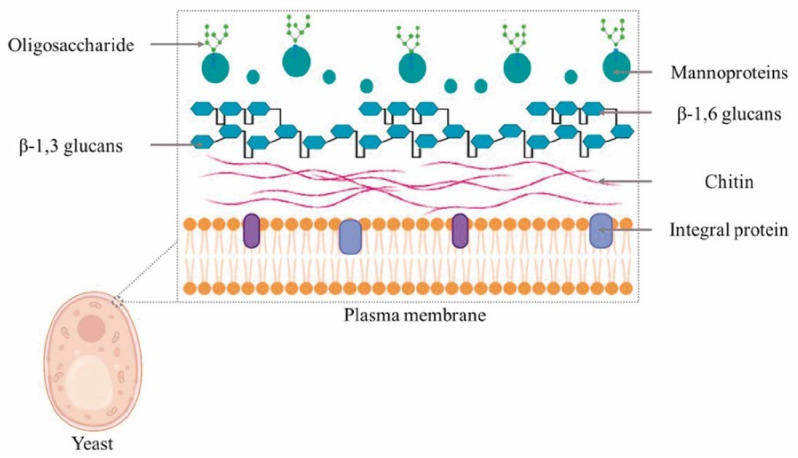
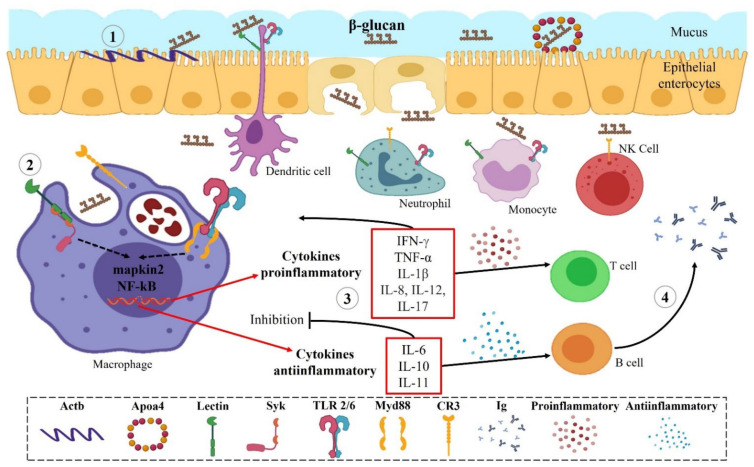
Administration of immunostimulants in fish is a preventive method to combat infections. A wide variety of these biological molecules exist, among which one of the yeast wall compounds stands out for its different biological activities. The β-glucan that forms the structural part of yeast is capable of generating immune activity in fish by cell receptor recognition. The most frequently used β-glucans for the study of mechanisms of action are those of commercial origin, with doses recommended by the manufacturer. Nevertheless, their immune activity is inefficient in some fish species, and increasing the dose may show adverse effects, including immunosuppression. Conversely, experimental β-glucans from other yeast species show different activities, such as antibacterial, antioxidant, healing, and stress tolerance properties. Therefore, this review analyses the most recent scientific reports on the use of yeast β-glucans in freshwater and marine fish.
在鱼类中施用免疫刺激剂是对抗感染的一种预防方法。这类生物分子种类繁多,其中酵母细胞壁化合物之一因其不同的生物活性而格外突出。构成酵母结构部分的β-葡聚糖能够通过细胞受体识别在鱼类中产生免疫活性。用于作用机制研究的最常用β-葡聚糖是商业来源的,其剂量由制造商推荐。然而,它们的免疫活性在某些鱼类物种中效率低下,增加剂量可能会显示出不良反应,包括免疫抑制。相反,来自其他酵母物种的实验性β-葡聚糖表现出不同的活性,如抗菌、抗氧化、愈合和应激耐受特性。因此,本综述分析了关于在淡水和海水鱼类中使用酵母β-葡聚糖的最新科学报告。