Churchill Steven E, Keys Kamryn, Ross Ann H
Department of Evolutionary Anthropology, Duke University, Durham, NC 27708, USA.
Centre for the Exploration of the Deep Human Journey, University of the Witwatersrand, Johannesburg 2050, South Africa.
Biology (Basel). 2022 Aug 3;11(8):1163. doi: 10.3390/biology11081163.
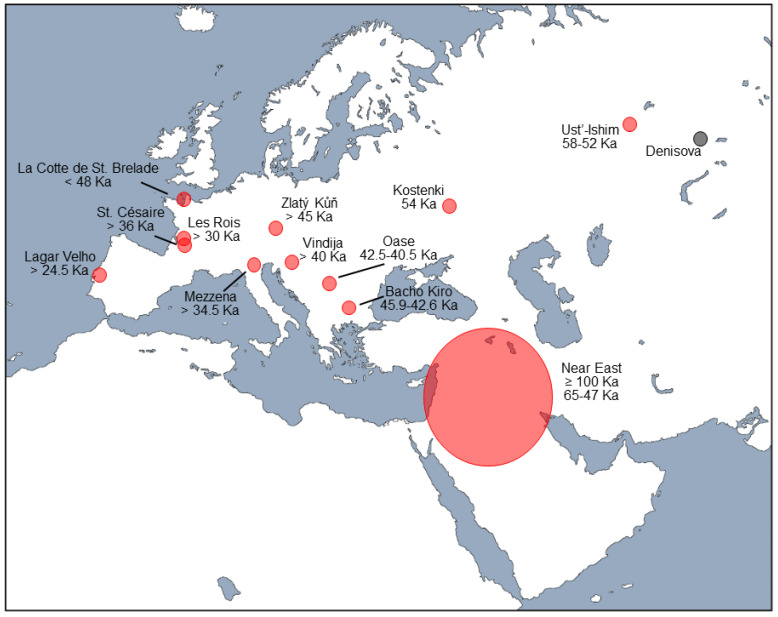
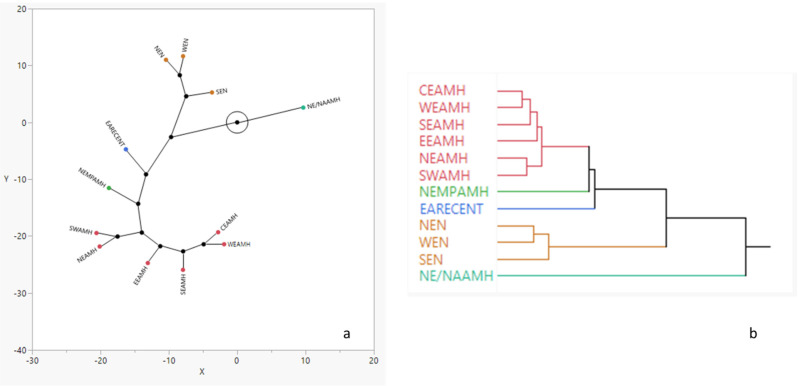
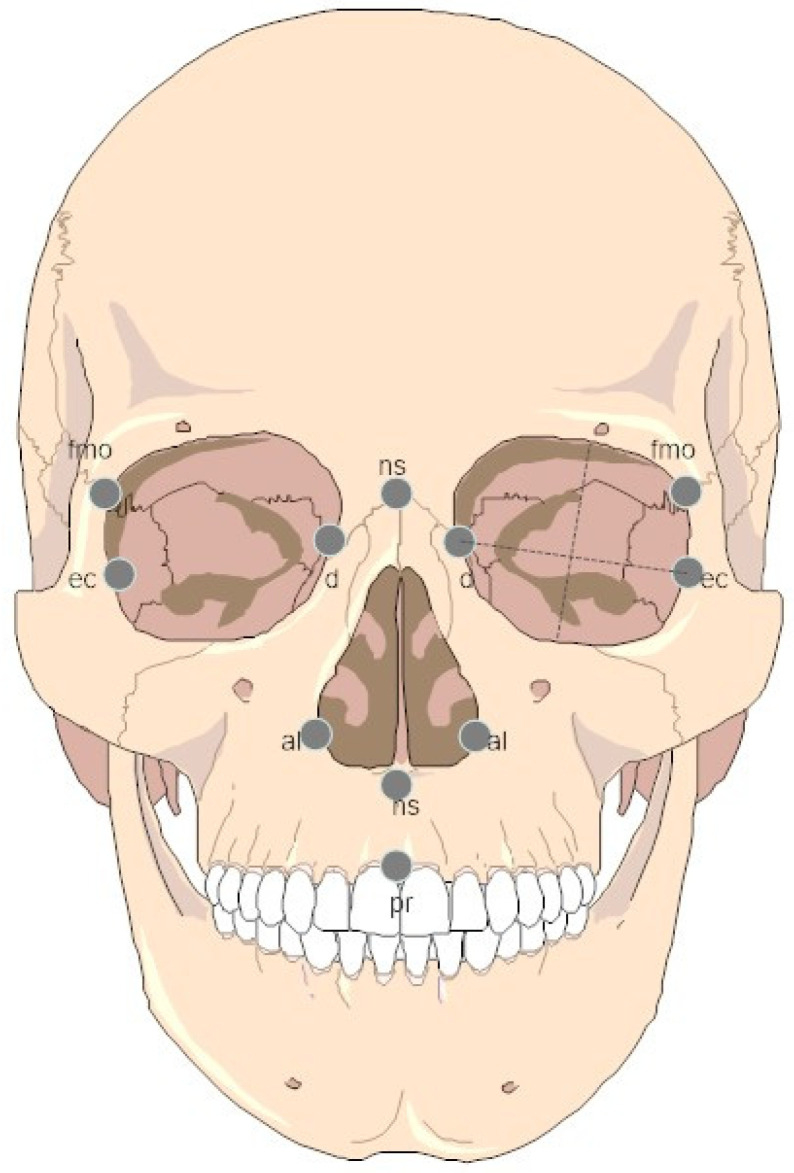
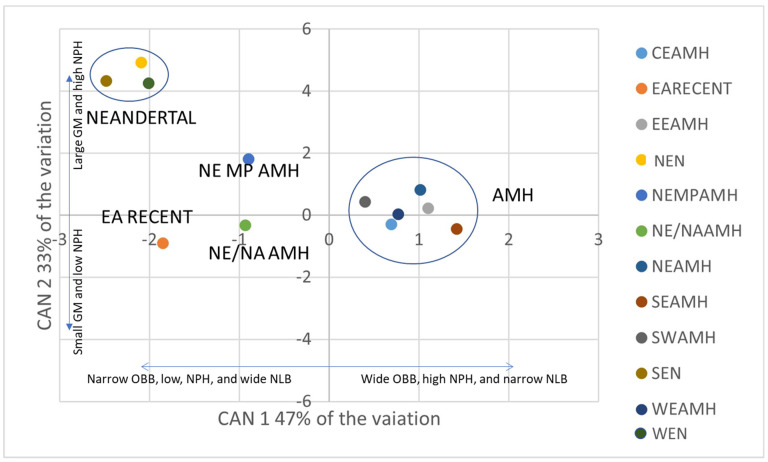
Ancient DNA from, Neandertal and modern human fossils, and comparative morphological analyses of them, reveal a complex history of interbreeding between these lineages and the introgression of Neandertal genes into modern human genomes. Despite substantial increases in our knowledge of these events, the timing and geographic location of hybridization events remain unclear. Six measures of facial size and shape, from regional samples of Neandertals and early modern humans, were used in a multivariate exploratory analysis to try to identify regions in which early modern human facial morphology was more similar to that of Neandertals, which might thus represent regions of greater introgression of Neandertal genes. The results of canonical variates analysis and hierarchical cluster analysis suggest important affinities in facial morphology between both Middle and Upper Paleolithic early modern humans of the Near East with Neandertals, highlighting the importance of this region for interbreeding between the two lineages.
来自尼安德特人和现代人类化石的古DNA以及对它们的比较形态学分析,揭示了这些谱系之间复杂的杂交历史以及尼安德特人基因渗入现代人类基因组的情况。尽管我们对这些事件的了解大幅增加,但杂交事件的时间和地理位置仍不清楚。对尼安德特人和早期现代人类的区域样本进行了六项面部大小和形状测量,并进行了多变量探索性分析,以试图确定早期现代人类面部形态与尼安德特人更相似的区域,这些区域可能代表尼安德特人基因渗入程度更高的区域。典型变量分析和层次聚类分析的结果表明,近东地区旧石器时代中期和晚期的早期现代人类与尼安德特人在面部形态上有重要的相似性,突出了该地区对这两个谱系之间杂交的重要性。