Sección de Estudios de Posgrado, Escuela Superior de Medicina, Instituto Politécnico Nacional, Mexico City 11340, Mexico.
Department of Immunology, Instituto Nacional de Cardiología Ignacio Chávez, Mexico City 14080, Mexico.
Int J Mol Sci. 2022 Aug 13;23(16):9082. doi: 10.3390/ijms23169082.
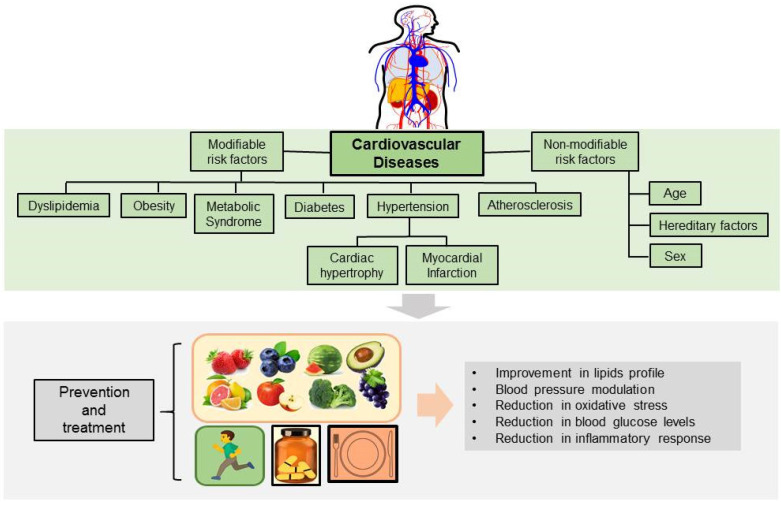
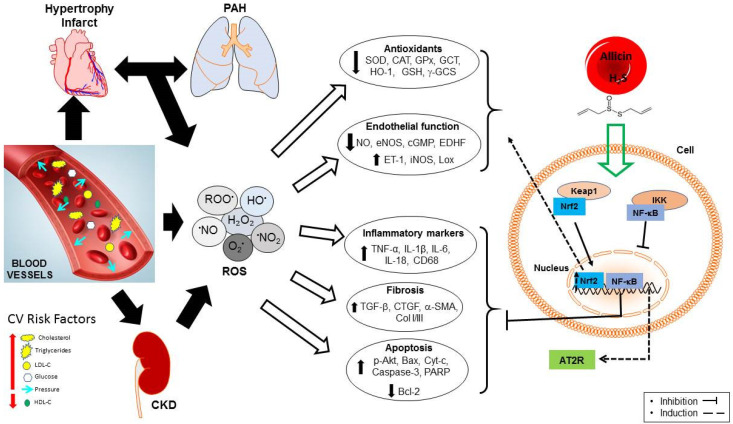
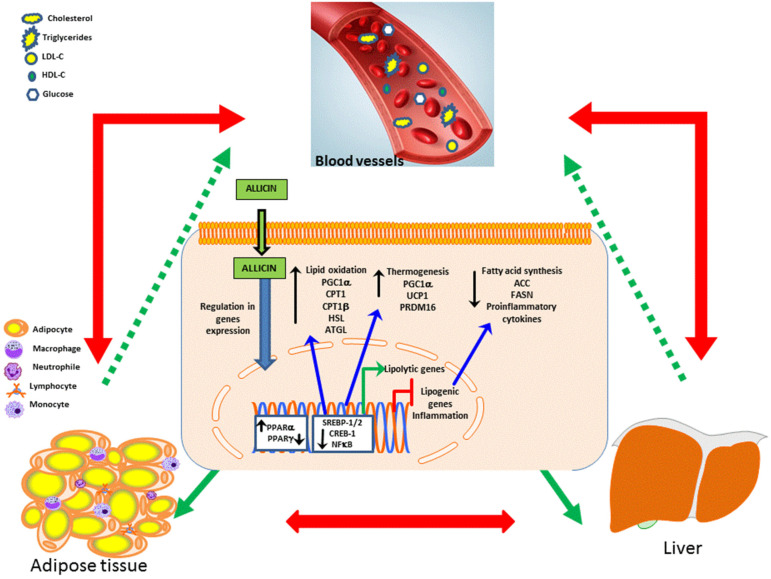
Cardiovascular diseases (CVDs) are a group of diseases in which the common denominator is the affection of blood vessels, heart tissue, and heart rhythm. The genesis of CVD is complex and multifactorial; therefore, approaches are often based on multidisciplinary management and more than one drug is used to achieve the optimal control of risk factors (dyslipidemia, hypertension, hypertrophy, oxidative stress, endothelial dysfunction, inflammation). In this context, allicin, a sulfur compound naturally derived from garlic, has shown beneficial effects on several cardiovascular risk factors through the modulation of cellular mechanisms and signaling pathways. Effective pharmacological treatments for CVD or its risk factors have not been developed or are unknown in clinical practice. Thus, this work aimed to review the cellular mechanisms through which allicin exerts its therapeutic effects and to show why it could be a therapeutic option for the prevention or treatment of CVD and its risk factors.
心血管疾病(CVDs)是一组以血管、心脏组织和心律异常为共同特征的疾病。CVD 的发病机制复杂且多因素,因此,治疗方法通常基于多学科管理,并且使用一种以上的药物来实现最佳的危险因素控制(血脂异常、高血压、肥大、氧化应激、内皮功能障碍、炎症)。在这种情况下,大蒜中的一种硫化合物大蒜素通过调节细胞机制和信号通路,对多种心血管危险因素显示出有益的作用。目前尚未开发出针对 CVD 或其危险因素的有效药物治疗方法,或者在临床实践中尚不清楚。因此,这项工作旨在综述大蒜素发挥其治疗作用的细胞机制,并说明为什么它可能是预防或治疗 CVD 及其危险因素的一种治疗选择。