Kaul Noyonika, Kashyap Prem Lal, Kumar Sudheer, Singh Deepti, Singh Gyanendra Pratap
ICAR-Indian Institute of Wheat and Barley Research, Karnal 132001, Haryana, India.
Amity Institute of Microbial Technology, Amity University, Jaipur 303002, Rajasthan, India.
J Fungi (Basel). 2022 Aug 5;8(8):820. doi: 10.3390/jof8080820.
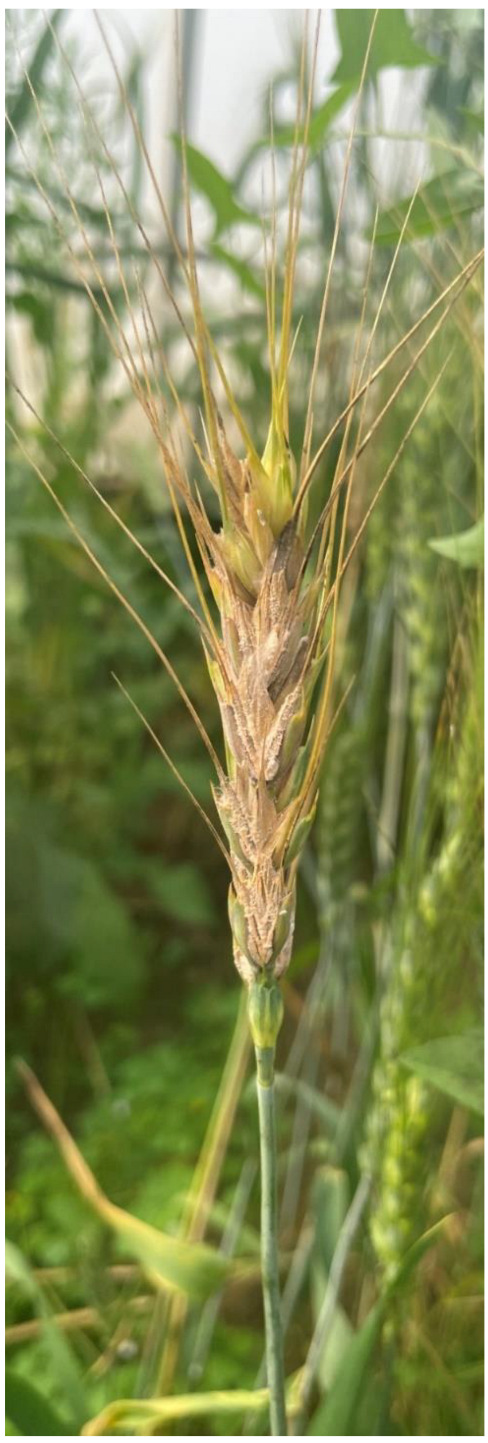
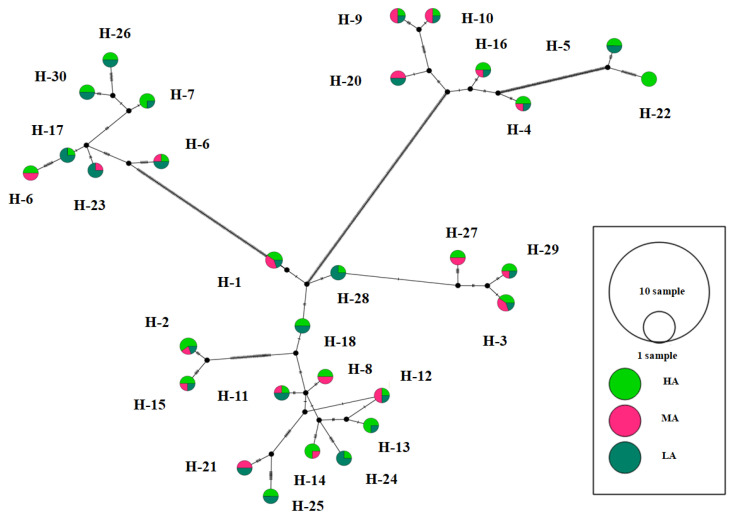
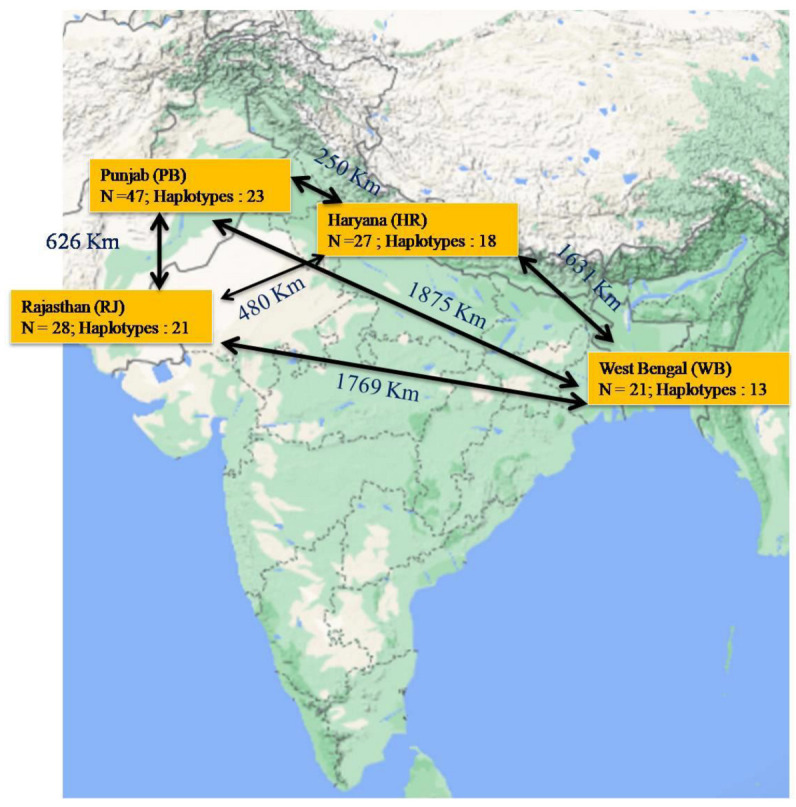
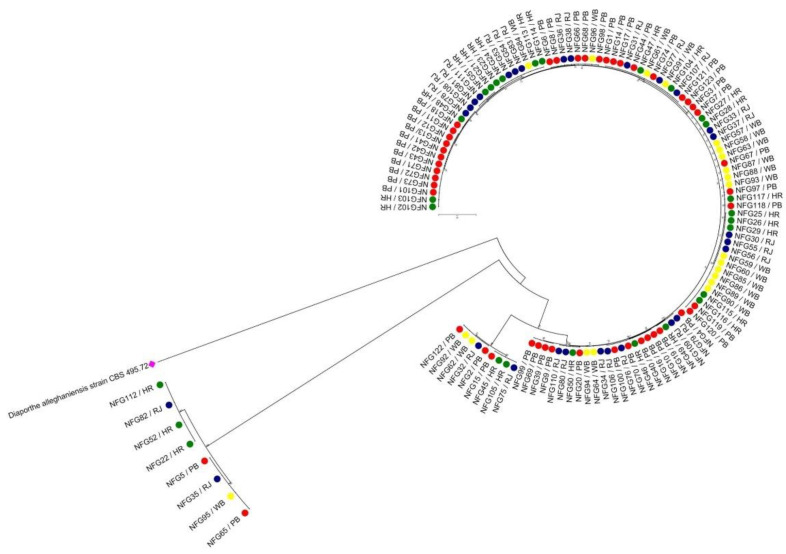
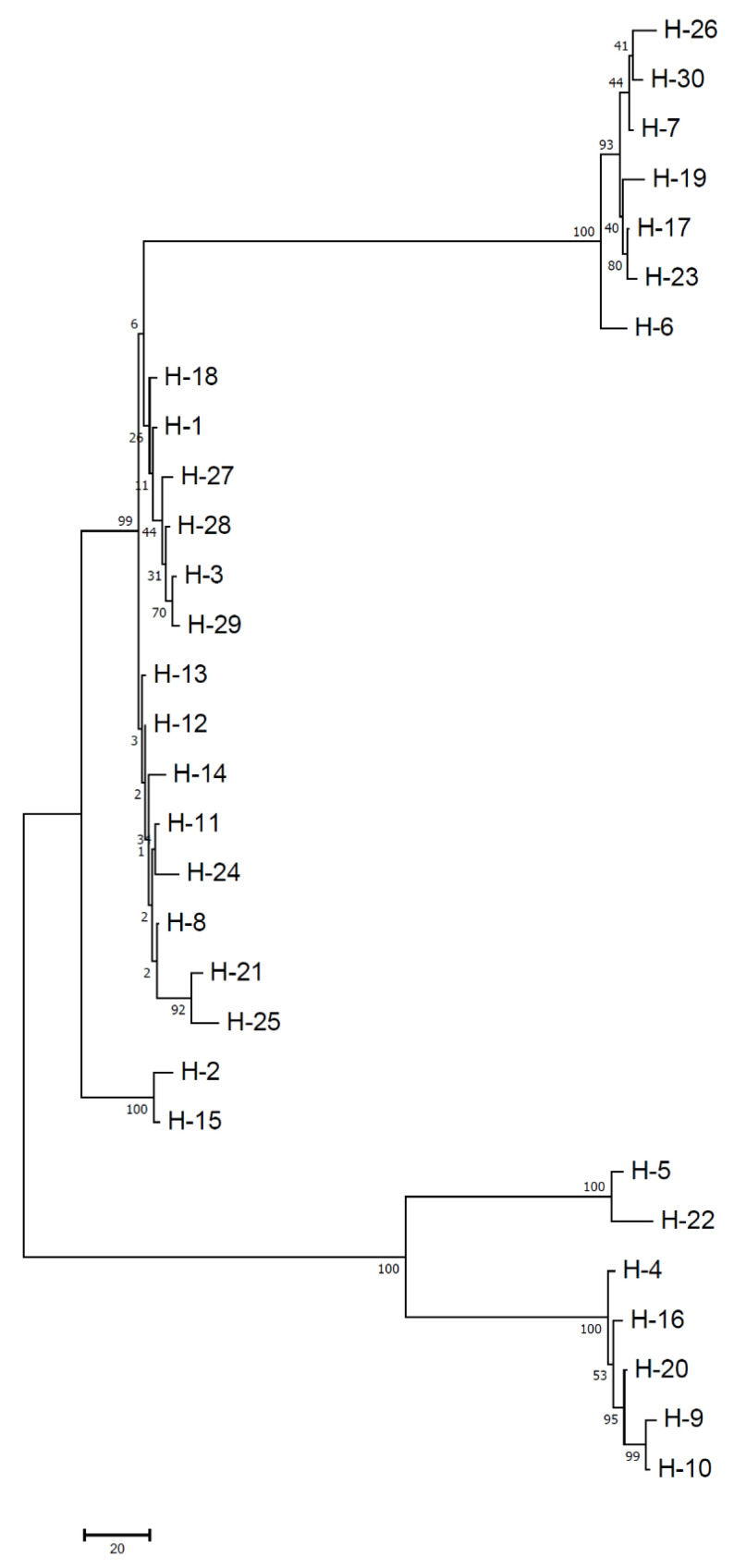
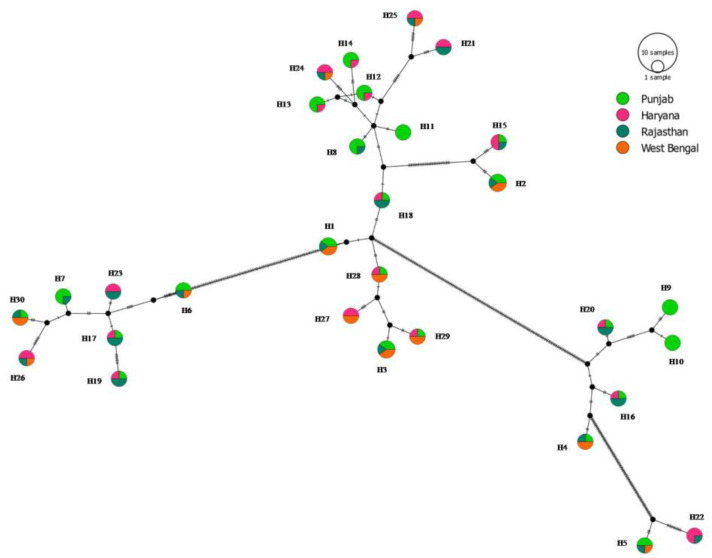
Head blight or scab caused by (FG), once ranked as a minor disease in wheat, is now emerging as one of the economically important diseases in India. The present study represents the first in-depth population genetic analysis of the FG from the northern wheat belt of India. In this study, multiple conserved gene sequences comprised of β-tubulin (TUB), translation elongation factor 1-α (TEF), and histone-3 (HIS) regions were used for multi-locus phylogenetic analysis of 123 geographically distinct isolates collected from four different states (Haryana (HR), Punjab (PB), Rajasthan (RJ) and West Bengal (WB)) of India. The phylogenetic and haplotype analysis showed the presence of thirty haplotypes in all the analyzed populations. The haplotypic diversity in the RJ population (Hd = 0.981) was higher than in the HR (Hd = 0.972), PB (Hd = 0.965) and WB population (Hd = 0.962). Recombination events (Rm = 12) and mutation events (485) were also detected. Analysis of molecular variance (AMOVA) indicated that genetic diversity was exclusively due to the differences within populations. The haplotype network was widely dispersed and not associated with specific populations, as a single common haplotype was not detected. The PB population contained both unique (H9, H10 and H11) and shared haplotypes (27 haplotypes) in a higher number in comparison to other geographical locations. Except for haplotype H22 (contains highly aggressive isolates), there was no specific linkage noticed between the isolate aggressiveness and haplotype. The concatenated sequences of all the three genes demonstrated a low level of genetic differentiation (Fst = -0.014 to 0.02) in the analyzed population. Positive values for the neutrality tests in PB, HR and RJ reveal a balancing selection mechanism behind the FG population structure. The WB population showed both positive and negative values of neutrality indices, indicating the role of both population expansion as well as balancing selection in structuring the FG population.
由禾谷镰刀菌(FG)引起的赤霉病或痂病,曾在小麦中被列为一种次要病害,如今在印度正成为具有经济重要性的病害之一。本研究是对印度北部小麦种植带的禾谷镰刀菌进行的首次深入群体遗传学分析。在本研究中,由β-微管蛋白(TUB)、翻译延伸因子1-α(TEF)和组蛋白-3(HIS)区域组成的多个保守基因序列,被用于对从印度四个不同邦(哈里亚纳邦(HR)、旁遮普邦(PB)、拉贾斯坦邦(RJ)和西孟加拉邦(WB))收集的123个地理上不同的分离株进行多位点系统发育分析。系统发育和单倍型分析表明,在所有分析群体中存在30种单倍型。RJ群体中的单倍型多样性(Hd = 0.981)高于HR群体(Hd = 0.972)、PB群体(Hd = 0.965)和WB群体(Hd = 0.962)。还检测到了重组事件(Rm = 12)和突变事件(485)。分子方差分析(AMOVA)表明,遗传多样性完全归因于群体内部的差异。单倍型网络分布广泛,且与特定群体无关,因为未检测到单一的常见单倍型。与其他地理位置相比,PB群体包含更多独特的单倍型(H9、H10和H11)和共享单倍型(27种单倍型)。除了单倍型H22(包含高致病性分离株)外,未发现分离株致病性与单倍型之间存在特定的关联。所有三个基因的串联序列在分析群体中显示出低水平的遗传分化(Fst = -0.014至0.02)。PB、HR和RJ中性检验的正值揭示了禾谷镰刀菌群体结构背后的平衡选择机制。WB群体显示出中性指数的正值和负值,表明群体扩张以及平衡选择在构建禾谷镰刀菌群体结构中的作用。