Division of Applied Life Science (BK21), Institute of Agriculture and Life Science, Gyeongsang National University, Jinju 52828, Korea.
Division of Special Forest Resources, Department of Forest Bio-resources, National Institute of Forest Science (NIFoS), Suwon 16631, Korea.
Molecules. 2022 Aug 20;27(16):5316. doi: 10.3390/molecules27165316.
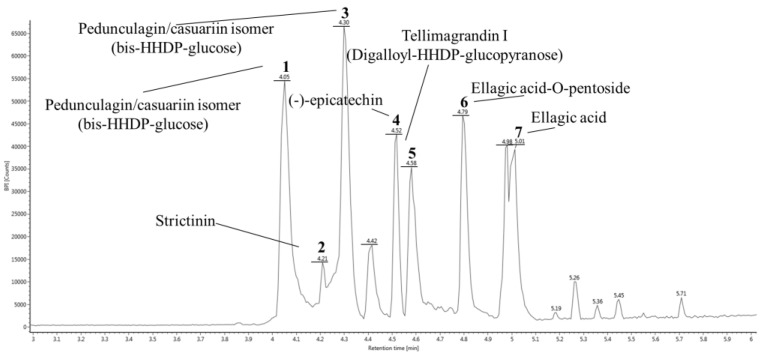
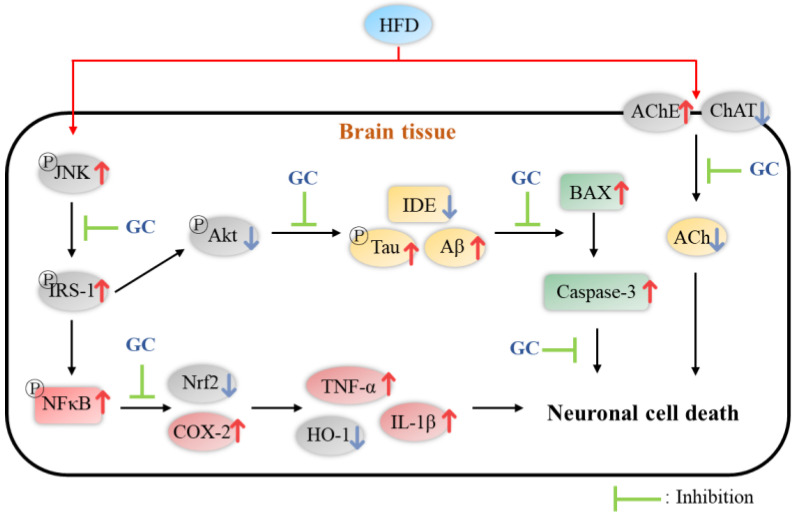
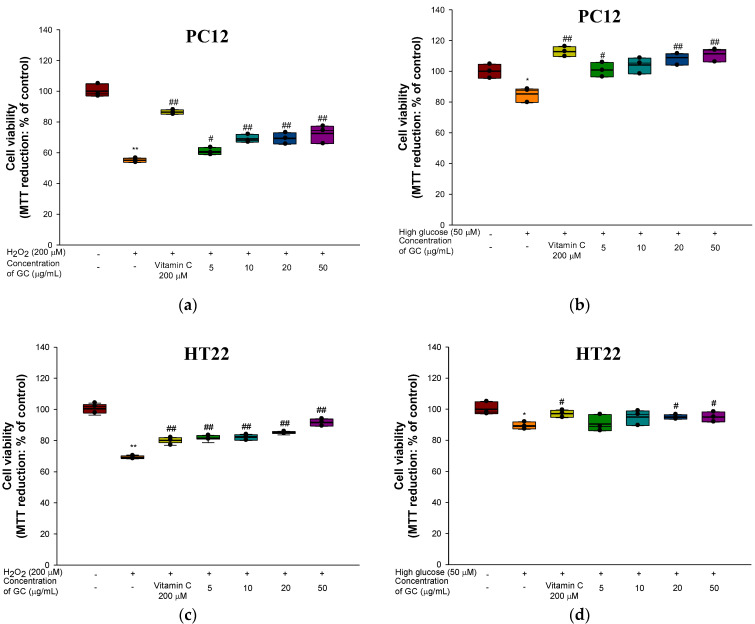
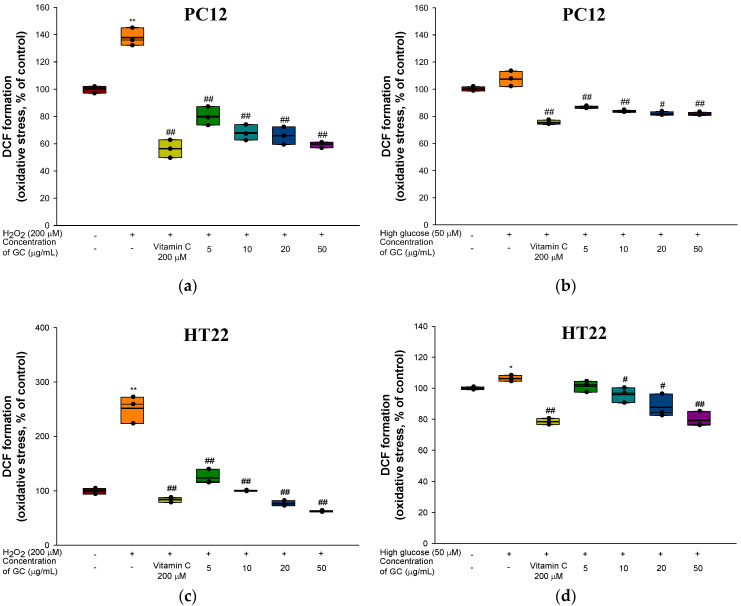
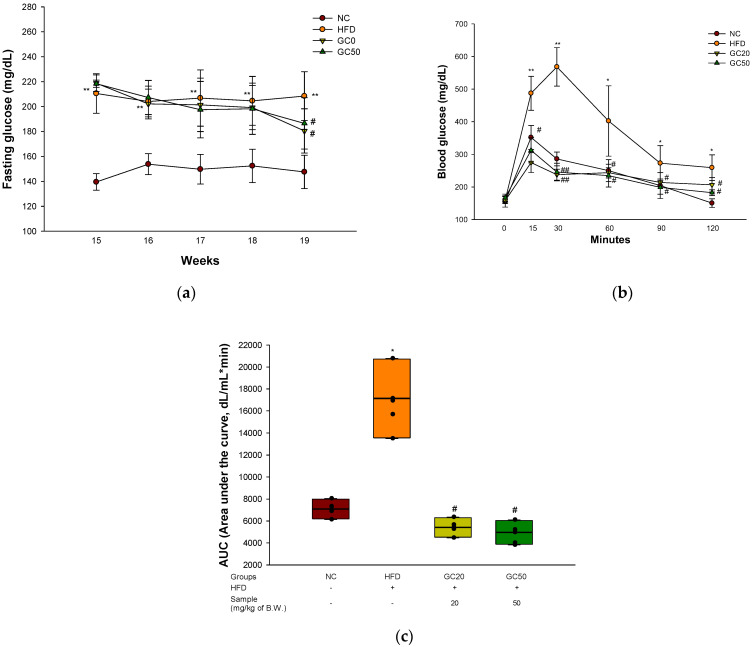
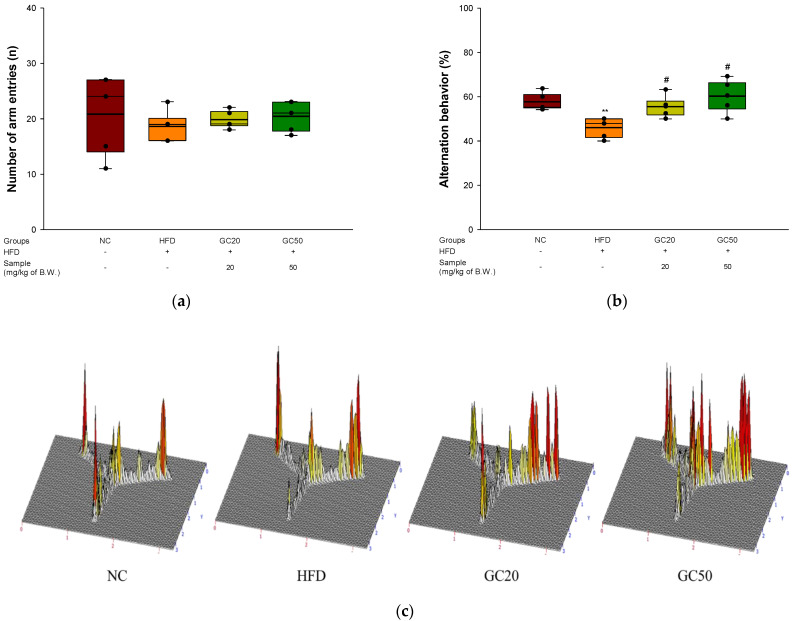
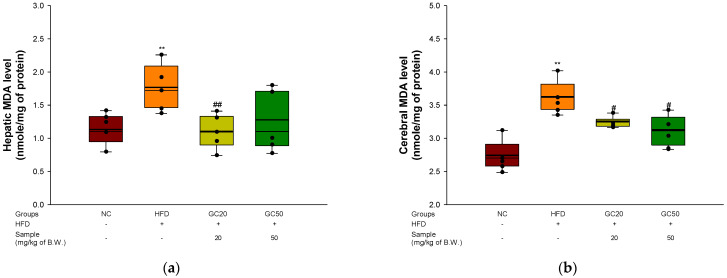
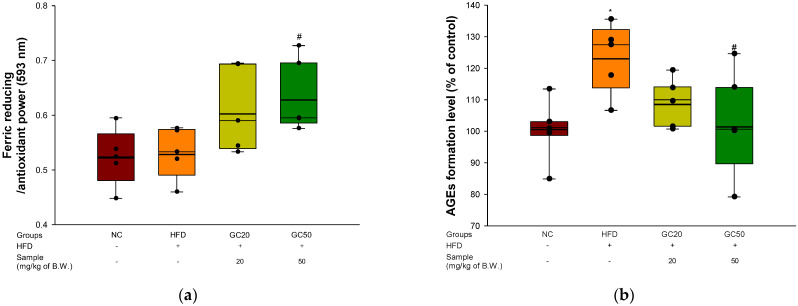
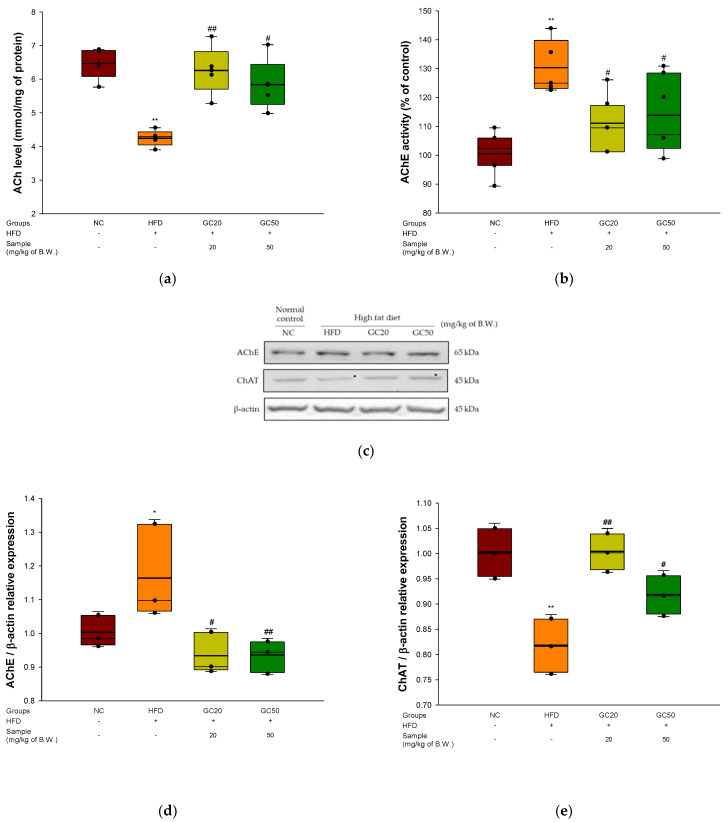
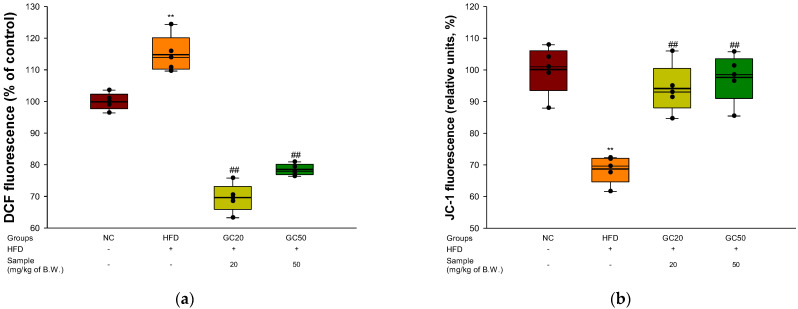
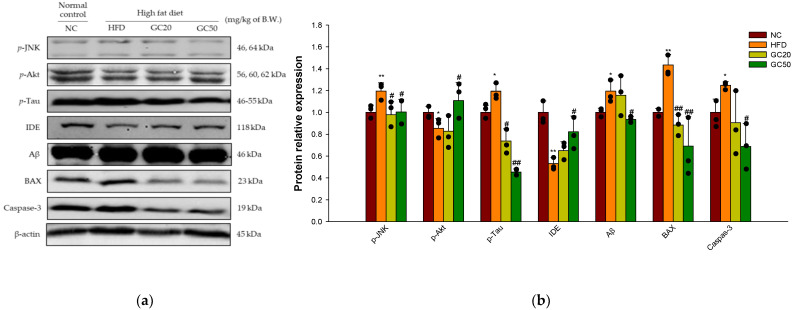
This study was conducted to evaluate the protective effect of (walnut, Gimcheon 1ho cultivar, GC) on high-fat diet (HFD)-induced cognitive dysfunction in C57BL/6 mice. The main physiological compounds of GC were identified as pedunculagin/casuariin isomer, strictinin, tellimagrandin I, ellagic acid-O-pentoside, and ellagic acid were identified using UPLC Q-TOF/MS analysis. To evaluate the neuro-protective effect of GC, 3-(4,5-dimethylthiazol-2-yl)-2,5-diphenyltetrazolium bromide (MTT), 2',7'-dichlorodihydrofluorecein diacetate (DCF-DA) analysis were conducted in HO and high glucose-induced neuronal PC12 cells and hippocampal HT22 cells. GC presented significant cell viability and inhibition of reactive oxygen species (ROS) production. GC ameliorated behavioral and memory dysfunction through Y-maze, passive avoidance, and Morris water maze tests. In addition, GC reduced white adipose tissue (WAT), liver fat mass, and serum dyslipidemia. To assess the inhibitory effect of antioxidant system deficit, lipid peroxidation, ferric reducing antioxidant power (FRAP), and advanced glycation end products (AGEs) were conducted. Administration of GC protected the antioxidant damage against HFD-induced diabetic oxidative stress. To estimate the ameliorating effect of GC, acetylcholine (ACh) level, acetylcholinesterase (AChE) activity, and expression of AChE and choline acetyltransferase (ChAT) were conducted, and the supplements of GC suppressed the cholinergic system impairment. Furthermore, GC restored mitochondrial dysfunction by regulating the mitochondrial ROS production and mitochondrial membrane potential (MMP) levels in cerebral tissues. Finally, GC ameliorated cerebral damage by synergically regulating the protein expression of the JNK signaling and apoptosis pathway. These findings suggest that GC could provide a potential functional food source to improve diabetic cognitive deficits and neuronal impairments.
本研究旨在评估 (胡桃,晋州 1 号品种,GC)对 C57BL/6 小鼠高脂饮食(HFD)诱导的认知功能障碍的保护作用。使用 UPLC Q-TOF/MS 分析鉴定 GC 的主要生理化合物为 pedunculagin/casuariin 异构体、strictinin、tellimagrandin I、鞣花酸-O-戊糖苷和鞣花酸。为了评估 GC 的神经保护作用,在 HO 和高葡萄糖诱导的神经元 PC12 细胞和海马 HT22 细胞中进行了 3-(4,5-二甲基噻唑-2-基)-2,5-二苯基四氮唑溴盐(MTT)和 2',7'-二氯二氢荧光素二乙酸酯(DCF-DA)分析。GC 表现出显著的细胞活力和抑制活性氧(ROS)生成。GC 通过 Y 迷宫、被动回避和 Morris 水迷宫测试改善行为和记忆功能障碍。此外,GC 减少白色脂肪组织(WAT)、肝脏脂肪质量和血清血脂异常。为了评估抗氧化系统缺陷的抑制作用,进行了脂质过氧化、铁还原抗氧化能力(FRAP)和晚期糖基化终产物(AGEs)的检测。GC 对 HFD 诱导的糖尿病氧化应激的抗氧化损伤具有保护作用。为了评估 GC 的改善作用,进行了乙酰胆碱(ACh)水平、乙酰胆碱酯酶(AChE)活性以及 AChE 和胆碱乙酰转移酶(ChAT)的表达检测,GC 的补充抑制了胆碱能系统的损伤。此外,GC 通过调节大脑组织中线粒体 ROS 产生和线粒体膜电位(MMP)水平来恢复线粒体功能障碍。最后,GC 通过协同调节 JNK 信号通路和细胞凋亡通路的蛋白表达来改善脑损伤。这些发现表明,GC 可以提供一种潜在的功能性食品来源,以改善糖尿病认知障碍和神经元损伤。