Department of Agricultural & Biological Engineering, James Worth Bagley College of Engineering, Mississippi State University, Starkville, MS 39762, USA.
Department of Biochemistry, Molecular Biology, Entomology and Plant Pathology, College of Agriculture & Life Sciences, Mississippi State University, Starkville, MS 39762, USA.
Molecules. 2022 Jun 10;27(12):3739. doi: 10.3390/molecules27123739.
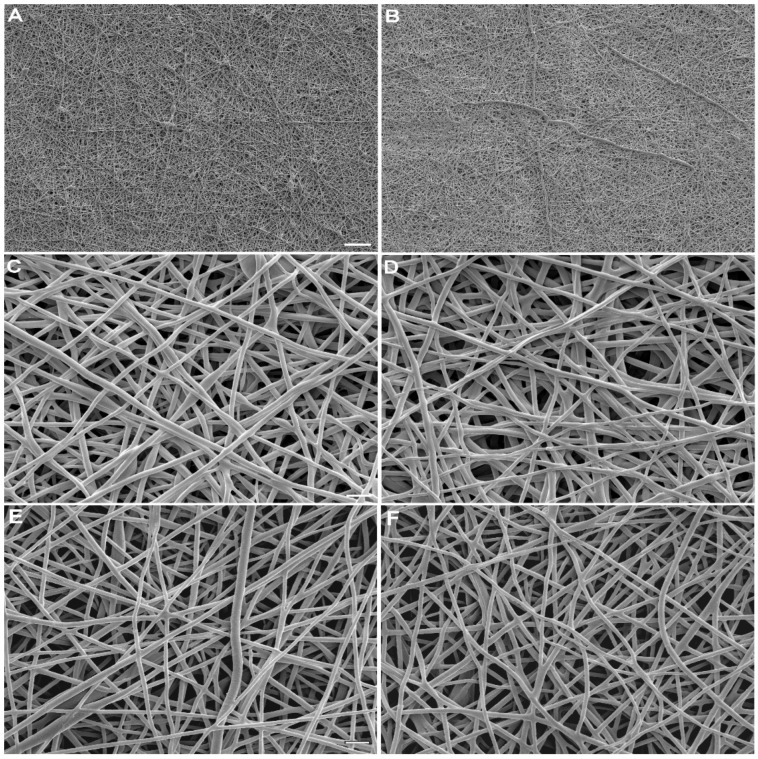
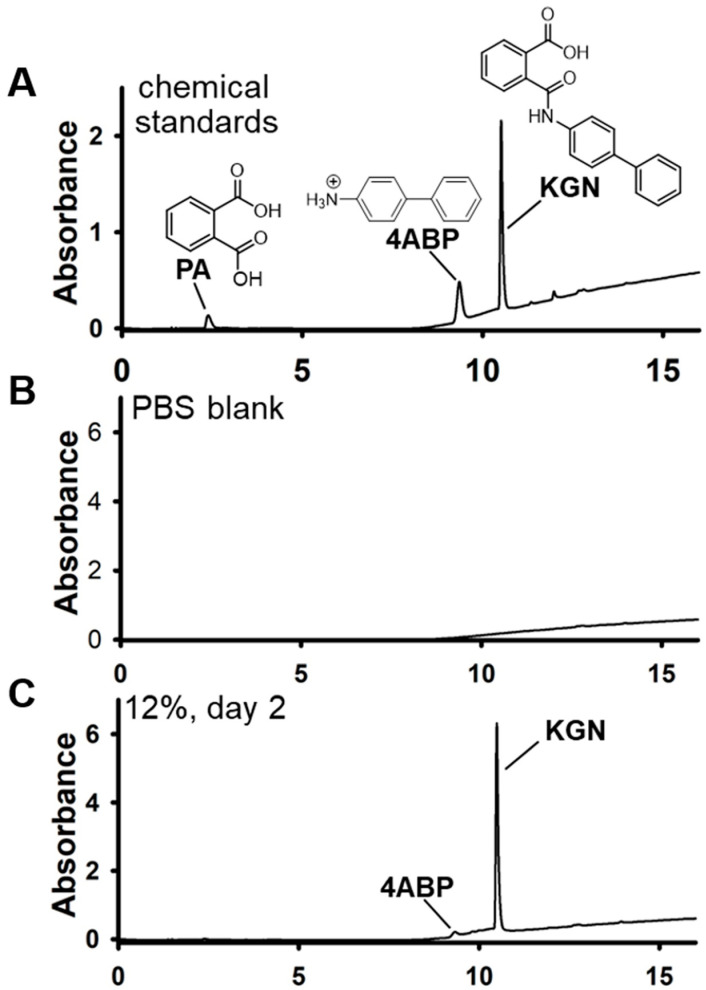
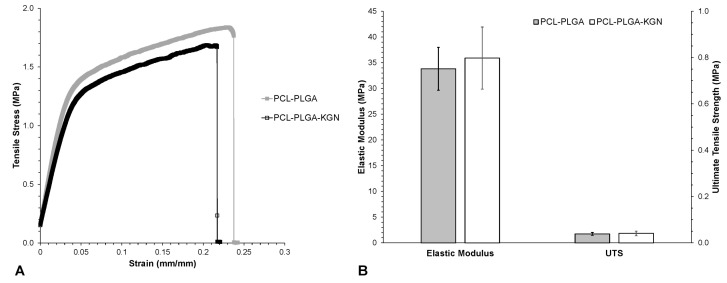
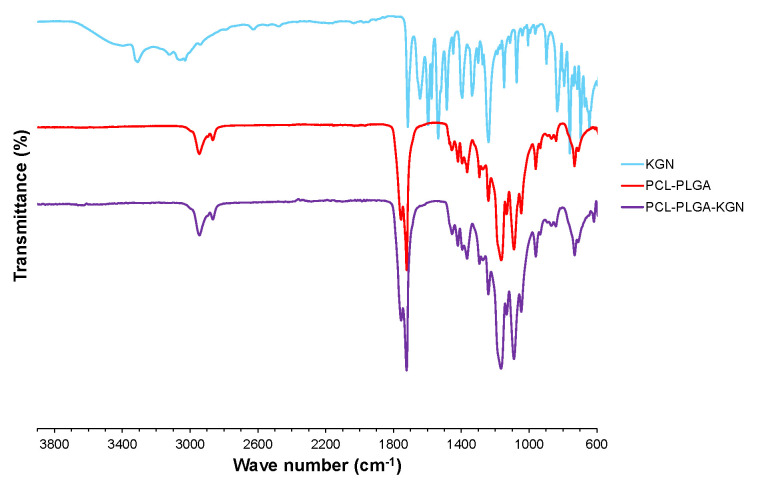
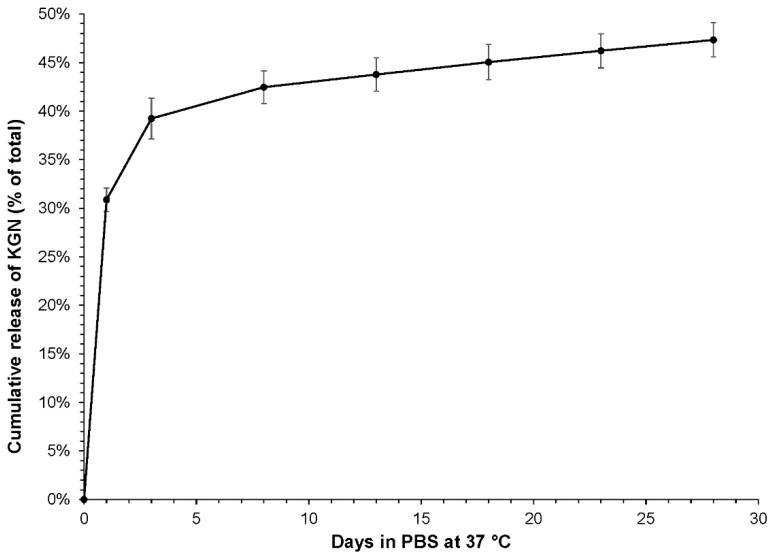
In this study, kartogenin was incorporated into an electrospun blend of polycaprolactone and poly(lactic-co-glycolic acid) (1:1) to determine the feasibility of this system for sustained drug delivery. Kartogenin is a small-molecule drug that could enhance the outcome of microfracture, a cartilage restoration procedure, by selectively stimulating chondrogenic differentiation of endogenous bone marrow mesenchymal stem cells. Experimental results showed that kartogenin did not affect the electrospinnability of the polymer blend, and it had negligible effects on fiber morphology and scaffold mechanical properties. The loading efficiency of kartogenin into electrospun membranes was nearly 100%, and no evidence of chemical reaction between kartogenin and the polymers was detected by Fourier transform infrared spectroscopy. Analysis of the released drug using high-performance liquid chromatography-photodiode array detection indicated an abundance of kartogenin and only a small amount of its major hydrolysis product. Kartogenin displayed a typical biphasic release profile, with approximately 30% being released within 24 h followed by a much slower, constant rate of release up to 28 days. Although additional development is needed to tune the release kinetics and address issues common to electrospun scaffolds (e.g., high fiber density), the results of this study demonstrated that a scaffold electrospun from biodegradable synthetic polymers is a suitable kartogenin delivery vehicle.
在这项研究中,将卡托辛(kartogenin)掺入聚己内酯和聚(乳酸-共-乙醇酸)(1:1)的电纺混合物中,以确定该系统用于持续药物输送的可行性。卡托辛是一种小分子药物,通过选择性刺激内源性骨髓间充质干细胞的软骨分化,可增强微骨折(一种软骨修复程序)的效果。实验结果表明,卡托辛不影响聚合物混合物的可纺性,对纤维形态和支架机械性能几乎没有影响。卡托辛加载到电纺膜中的效率接近 100%,傅里叶变换红外光谱未检测到卡托辛与聚合物之间发生化学反应的证据。使用高效液相色谱-光电二极管阵列检测对释放的药物进行分析表明,卡托辛含量丰富,只有少量其主要水解产物。卡托辛显示出典型的两相释放曲线,约有 30%在 24 小时内释放,然后以更慢、恒定的速率释放,直至 28 天。尽管需要进一步开发来调整释放动力学并解决电纺支架常见的问题(例如,纤维密度高),但这项研究的结果表明,由可生物降解的合成聚合物电纺而成的支架是一种合适的卡托辛输送载体。