Chinese Evidence-Based Medicine Center, West China Hospital, Sichuan University, Chengdu, China.
NMPA Key Laboratory for Real World Data Research and Evaluation in Hainan, West China Hospital, Sichuan University, Chengdu, China.
Front Public Health. 2022 Aug 12;10:956823. doi: 10.3389/fpubh.2022.956823. eCollection 2022.
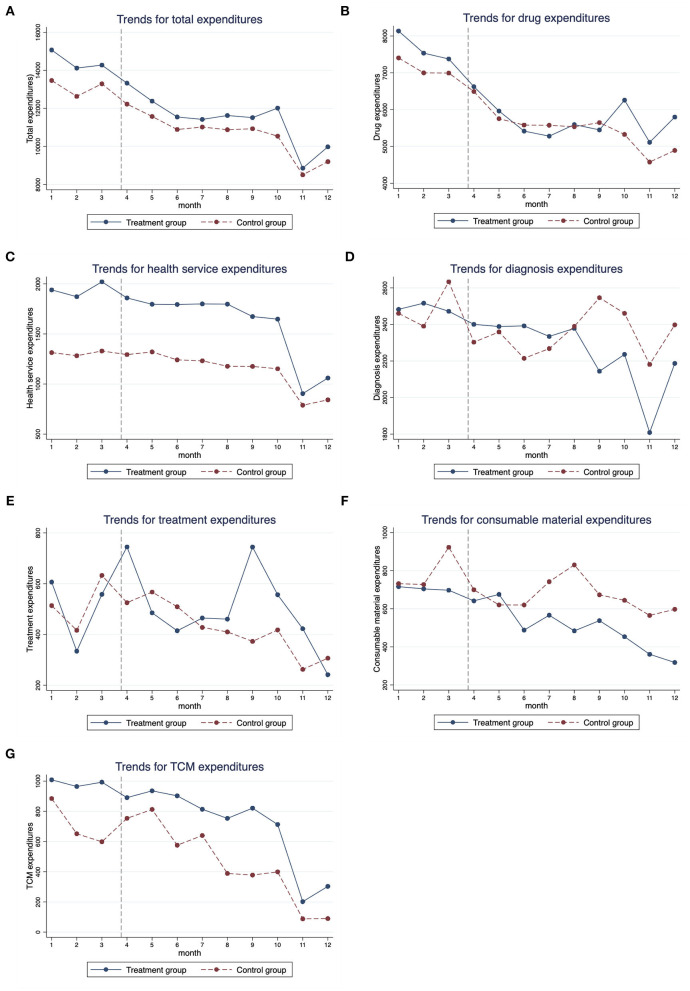
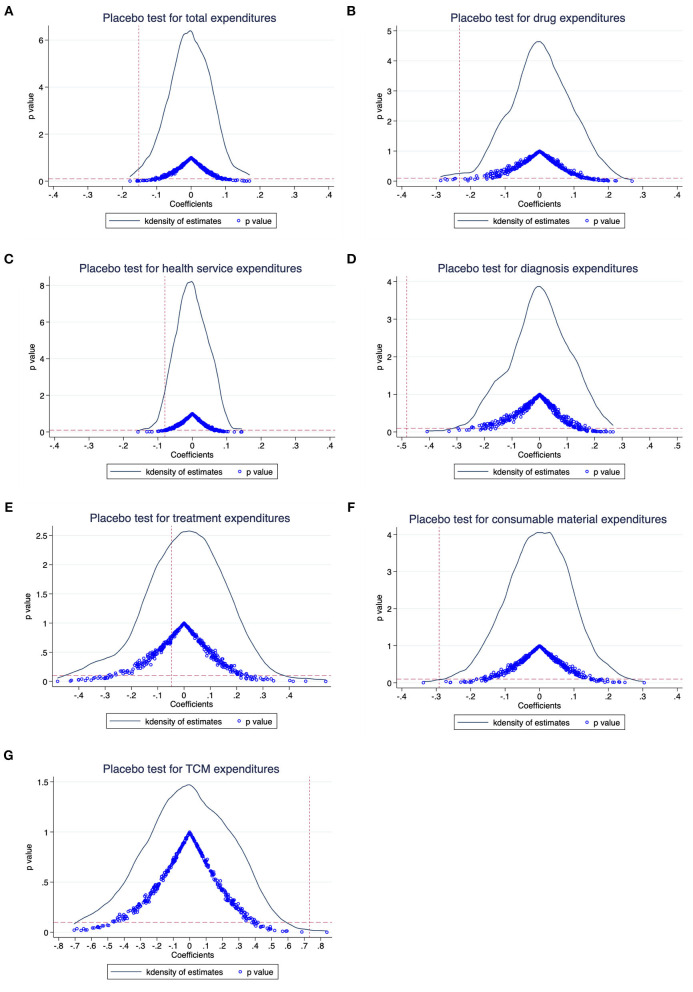
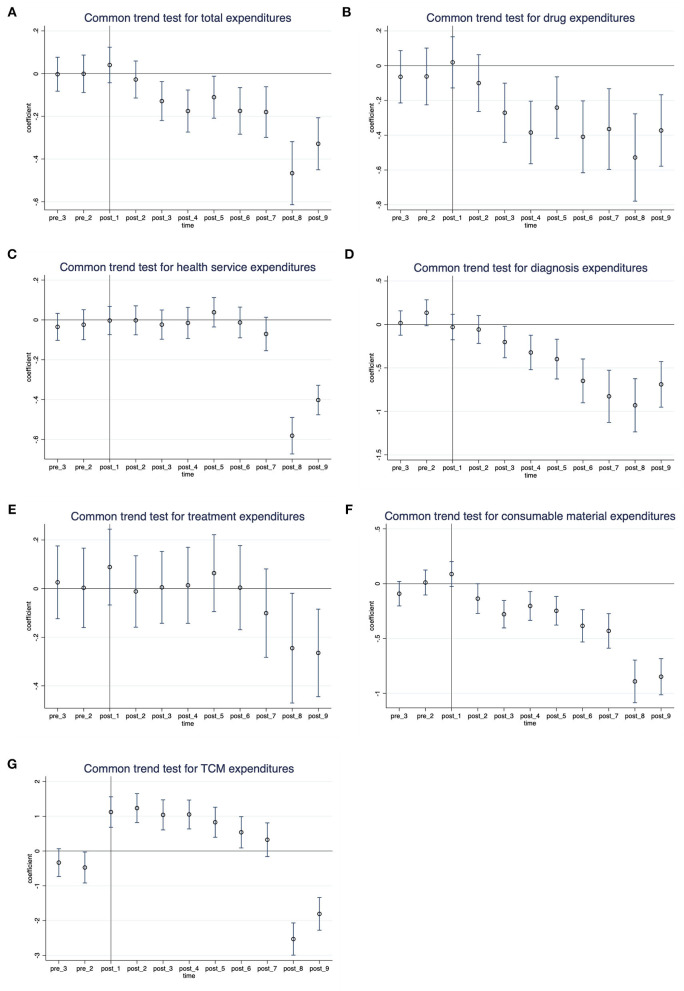
The availability and affordability of medicines remain major health challenges around the world. In March 2019, the Chinese government introduced a pilot National Centralized Drug Procurement (NCDP) program in order to reduce drug prices and improve the affordability of effective and safe medicines. This study aimed to assess the impact of NCDP policy on health expenditures of cancer patients. Using inpatient discharge records from a large hospital in the pilot city, we performed a difference-in-differences design to estimate the change in health expenditures before and after the policy. We found that the implementation of NCDP was associated with a significant decrease in total expenditures (14.13%) and drug expenditures (20.75%) per inpatient admission. There were also significant reductions in non-drug-related expenditures, including a 7.65% decrease in health service expenditures, a 38.28% decrease in diagnosis expenditures, and a 25.31% decrease in consumable material expenditures per inpatient admission. However, the NCDP implementation was associated with a 107.97% increase in the traditional Chinese medicine expenditures. Overall, the study provided evidence that the NCDP policy has achieved its goals of high-quality and affordable healthcare. The drug expenditures of lung cancer patients revealed a continuous decline, and the policy may have spillover effects on other healthcare expenditures. Further studies are needed to evaluate the long-term effects of NCDP on policy-related expenditures and health outcomes.
药品的可及性和可负担性仍然是全球主要的卫生挑战。2019 年 3 月,中国政府推出了国家药品集中采购(NCDP)试点计划,以降低药品价格,提高有效和安全药品的可负担性。本研究旨在评估 NCDP 政策对癌症患者卫生支出的影响。我们使用试点城市一家大医院的住院记录,采用双重差分设计来估计政策实施前后卫生支出的变化。我们发现,NCDP 的实施与每次住院的总支出(14.13%)和药品支出(20.75%)显著下降有关。非药品相关支出也显著减少,包括医疗服务支出下降 7.65%,诊断支出下降 38.28%,以及每次住院可消耗材料支出下降 25.31%。然而,NCDP 的实施与中药支出增加 107.97%有关。总的来说,该研究提供了证据表明,NCDP 政策已经实现了高质量和负担得起的医疗保健的目标。肺癌患者的药品支出持续下降,该政策可能对其他医疗保健支出产生溢出效应。需要进一步研究来评估 NCDP 对政策相关支出和健康结果的长期影响。