Grune Jana, Lewis Andrew J M, Yamazoe Masahiro, Hulsmans Maarten, Rohde David, Xiao Ling, Zhang Shuang, Ott Christiane, Calcagno David M, Zhou Yirong, Timm Kerstin, Shanmuganathan Mayooran, Pulous Fadi E, Schloss Maximilian J, Foy Brody H, Capen Diane, Vinegoni Claudio, Wojtkiewicz Gregory R, Iwamoto Yoshiko, Grune Tilman, Brown Dennis, Higgins John, Ferreira Vanessa M, Herring Neil, Channon Keith M, Neubauer Stefan, Sosnovik David E, Milan David J, Swirski Filip K, King Kevin R, Aguirre Aaron D, Ellinor Patrick T, Nahrendorf Matthias
Center for Systems Biology, Massachusetts General Hospital and Harvard Medical School, Boston, MA, USA.
Department of Radiology, Massachusetts General Hospital and Harvard Medical School, Boston, MA, USA.
Nat Cardiovasc Res. 2022 Jul;1(7):649-664. doi: 10.1038/s44161-022-00094-w. Epub 2022 Jul 11.
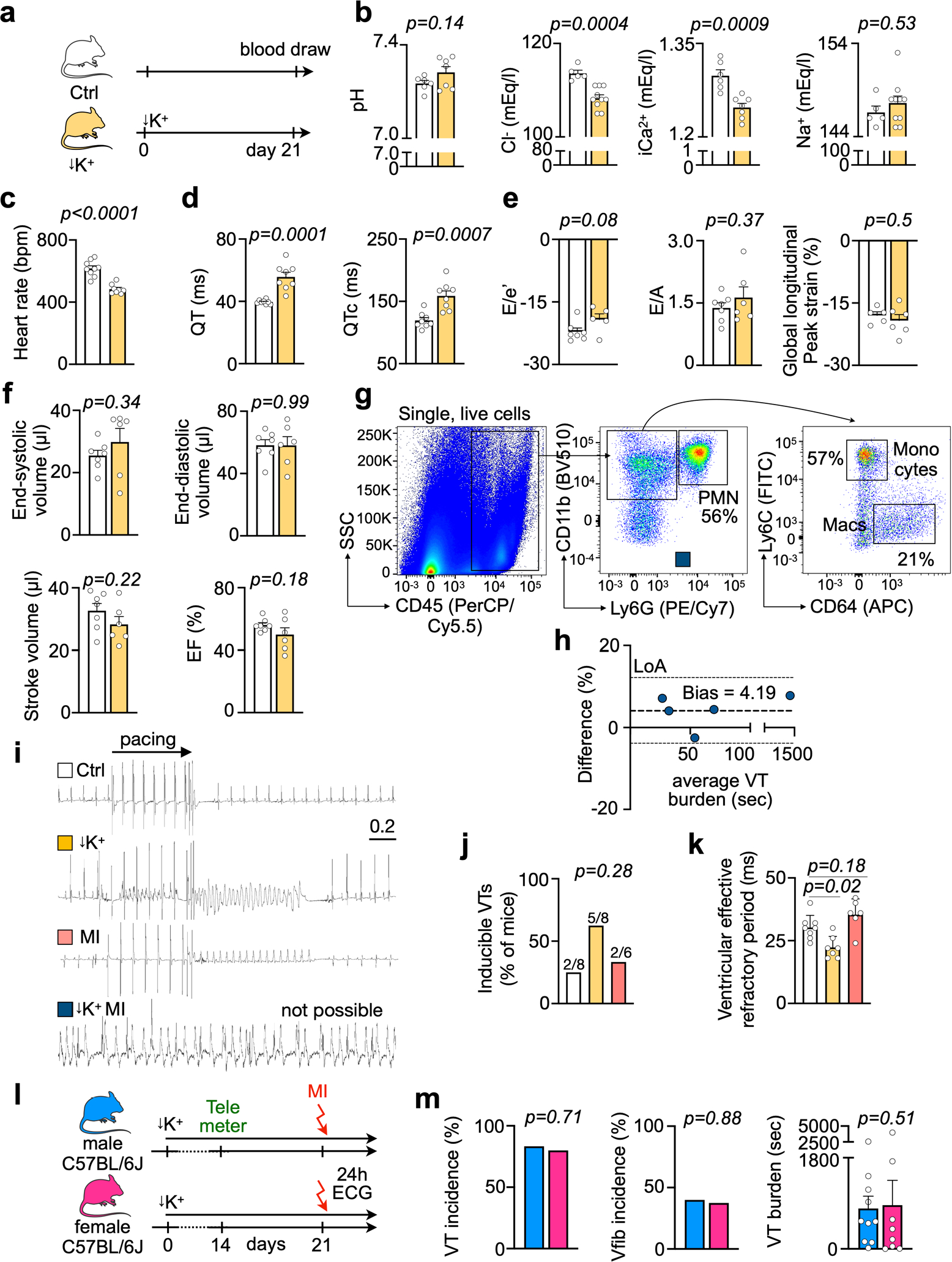
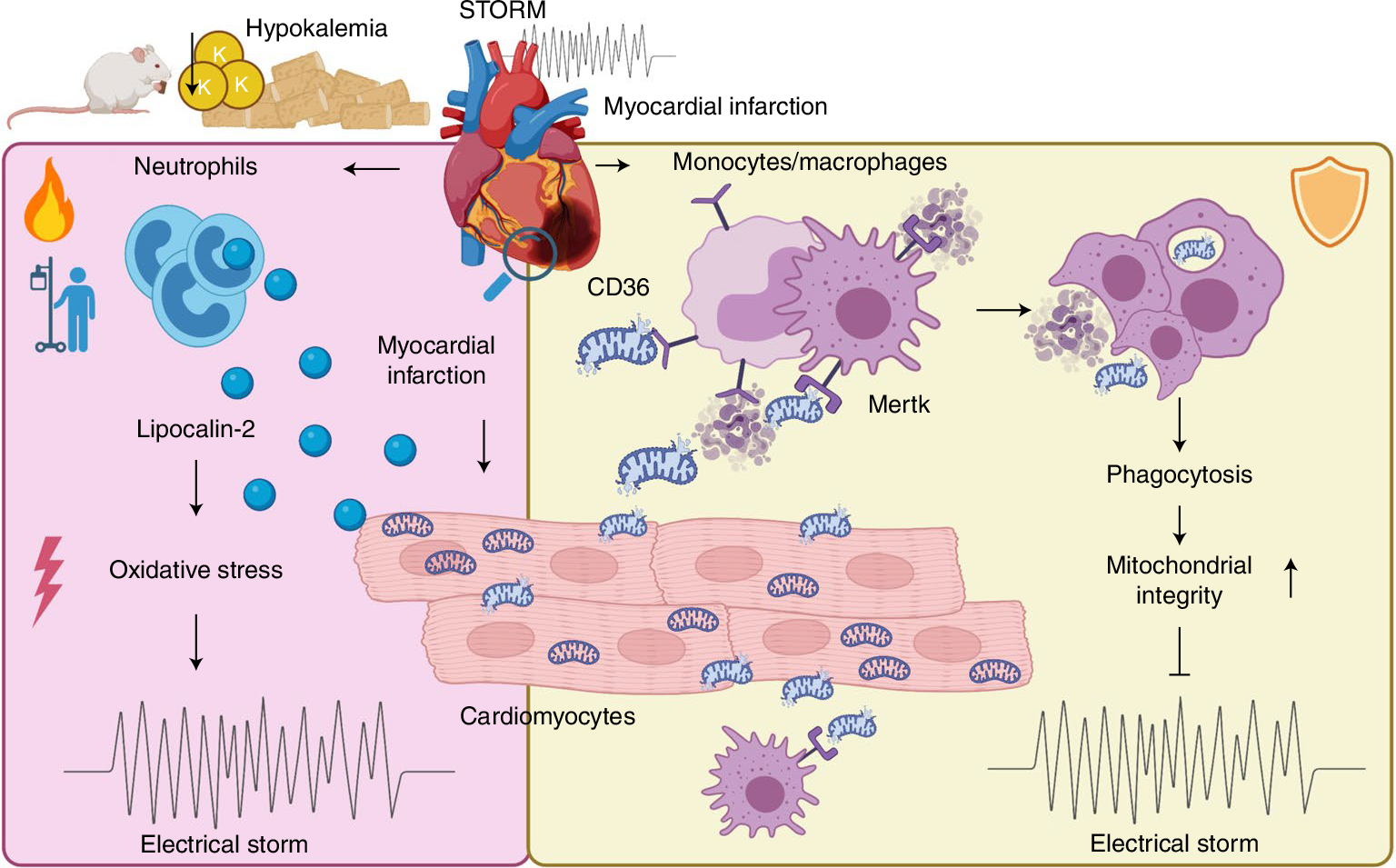
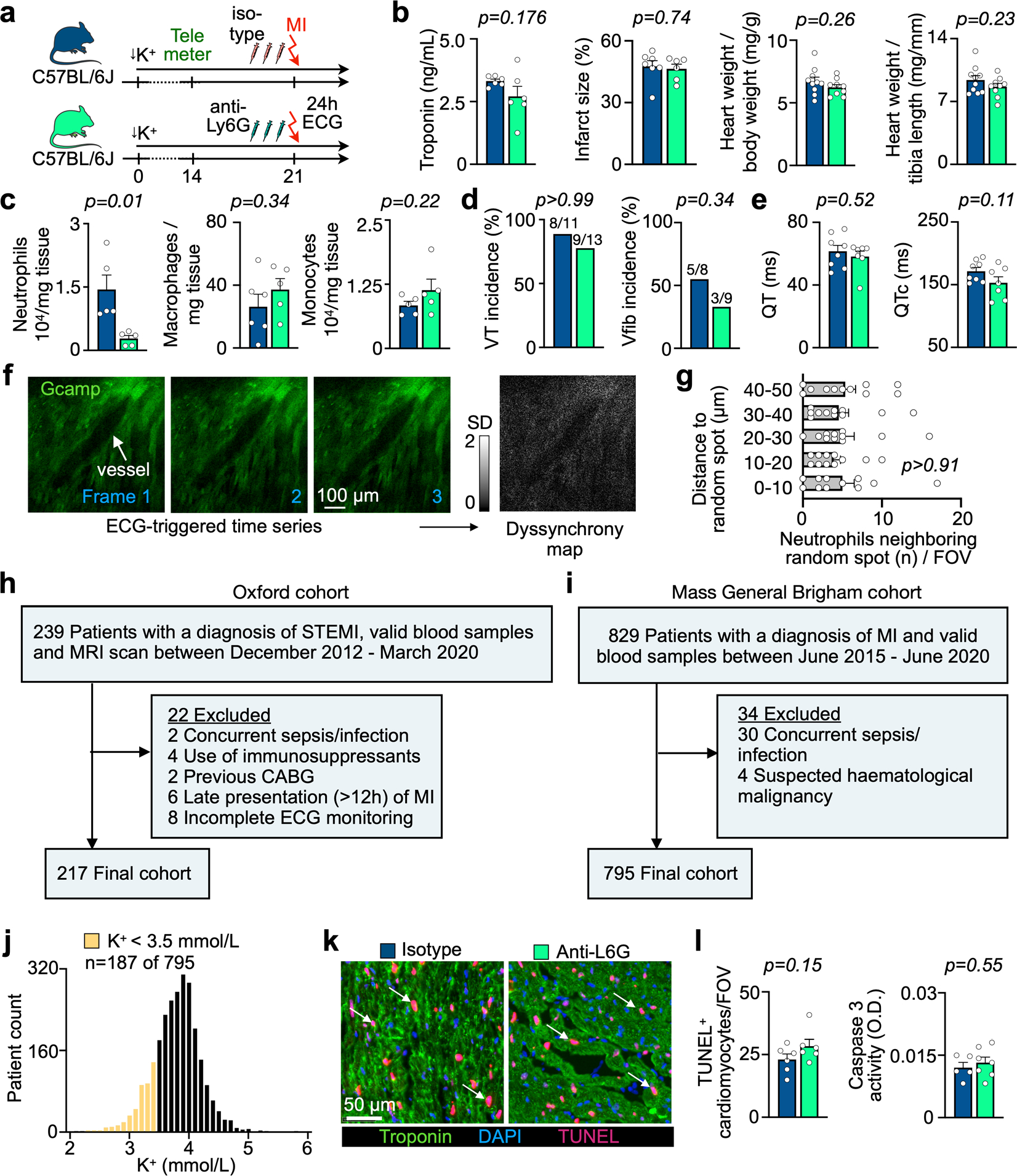
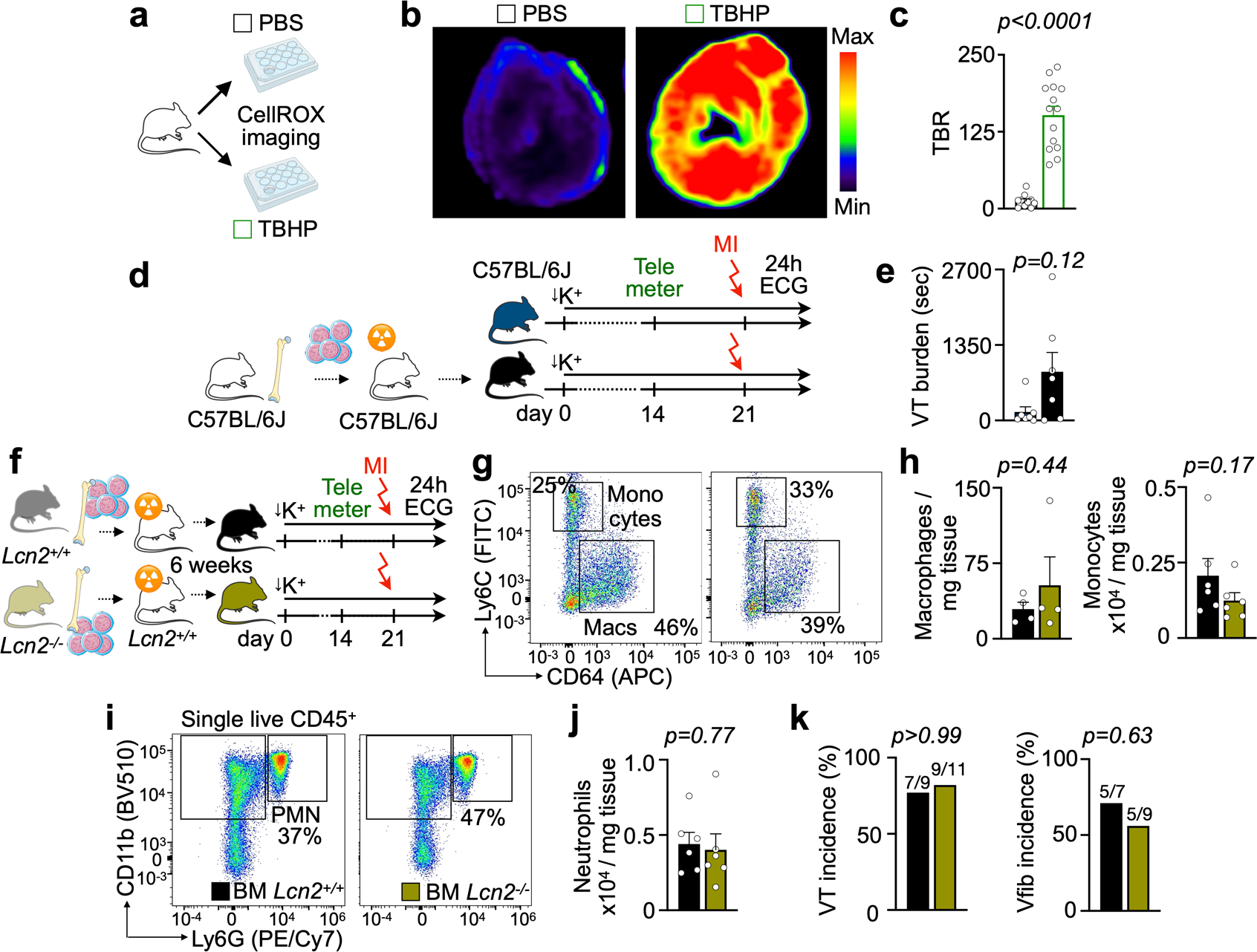
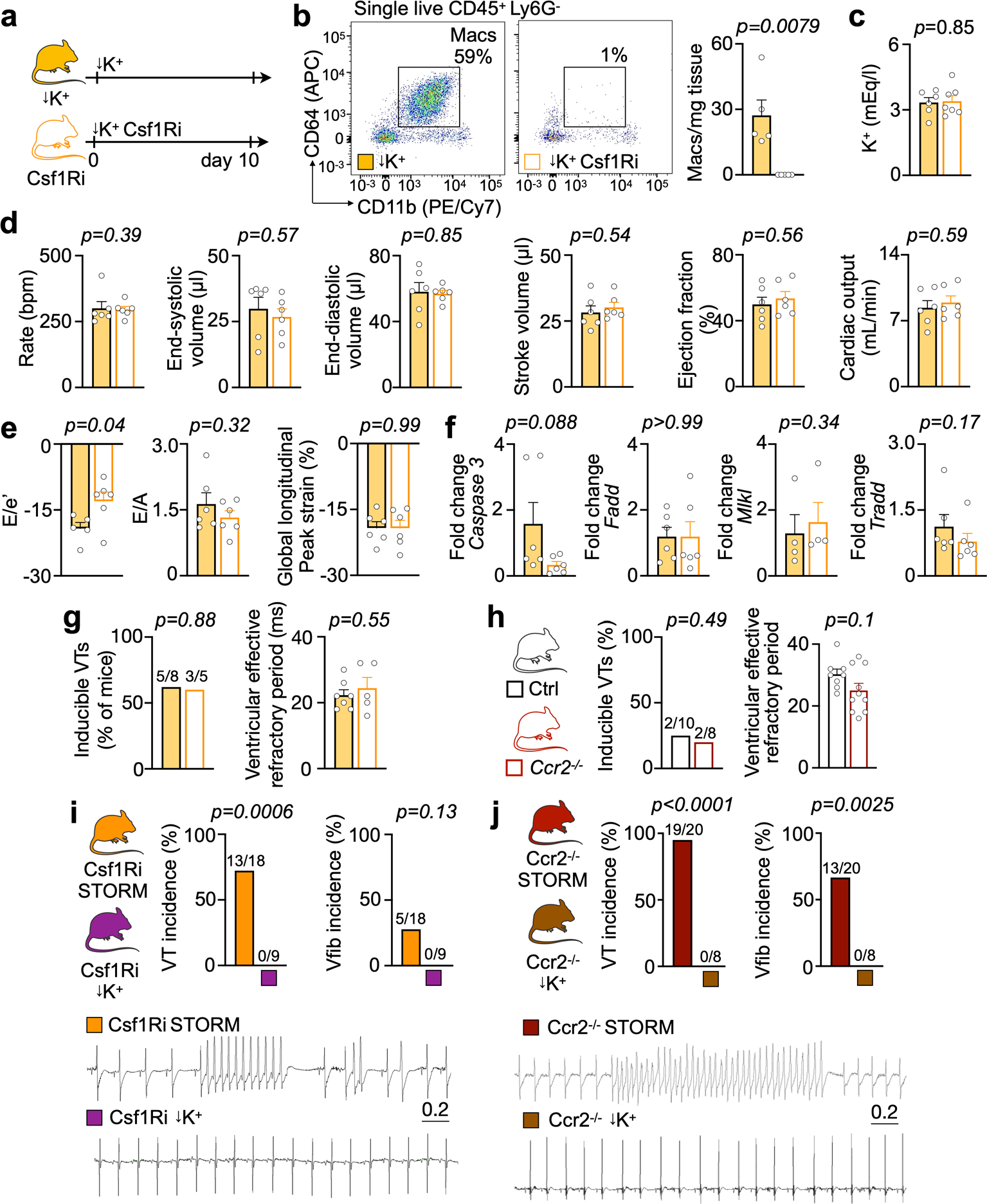
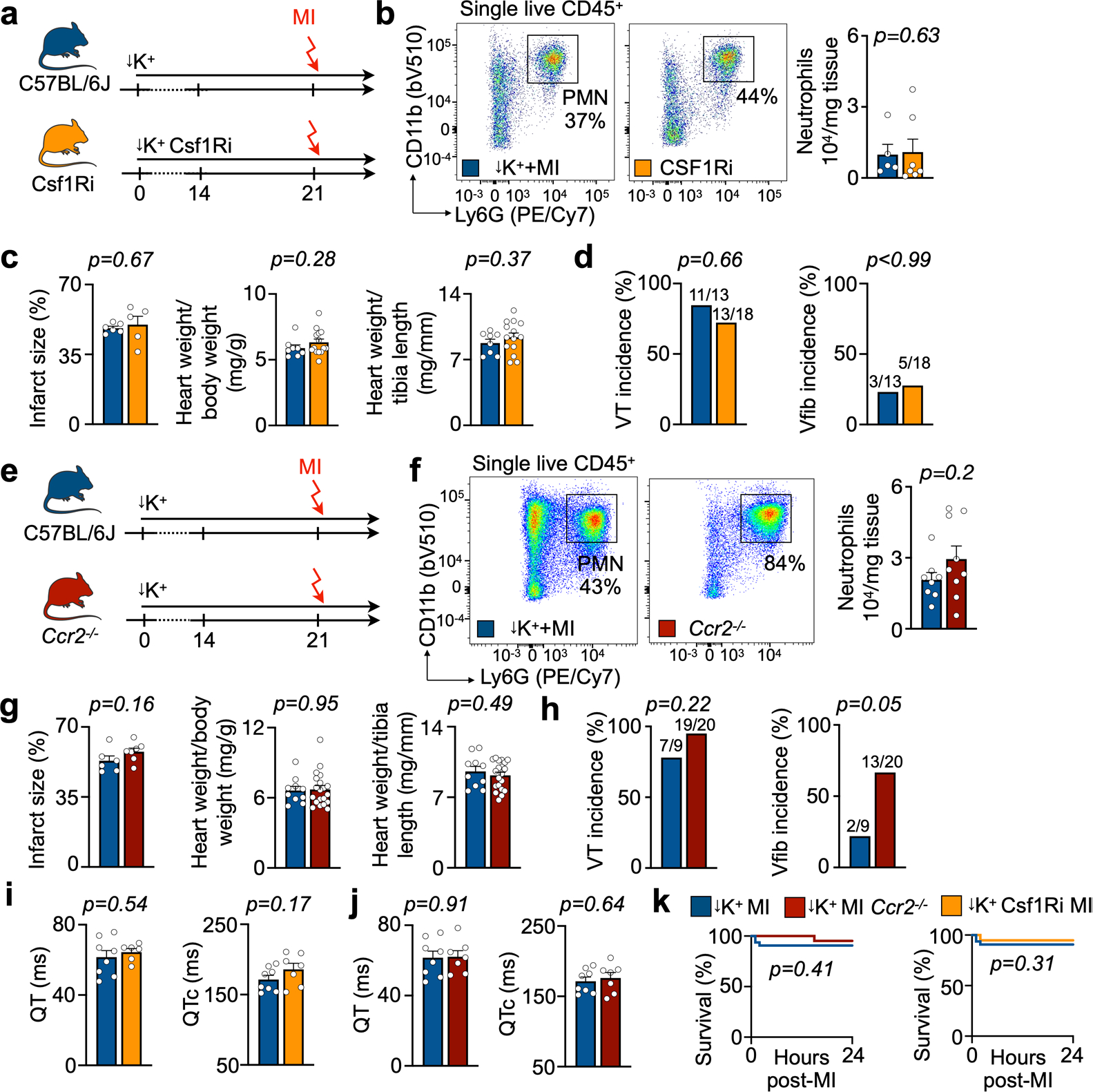
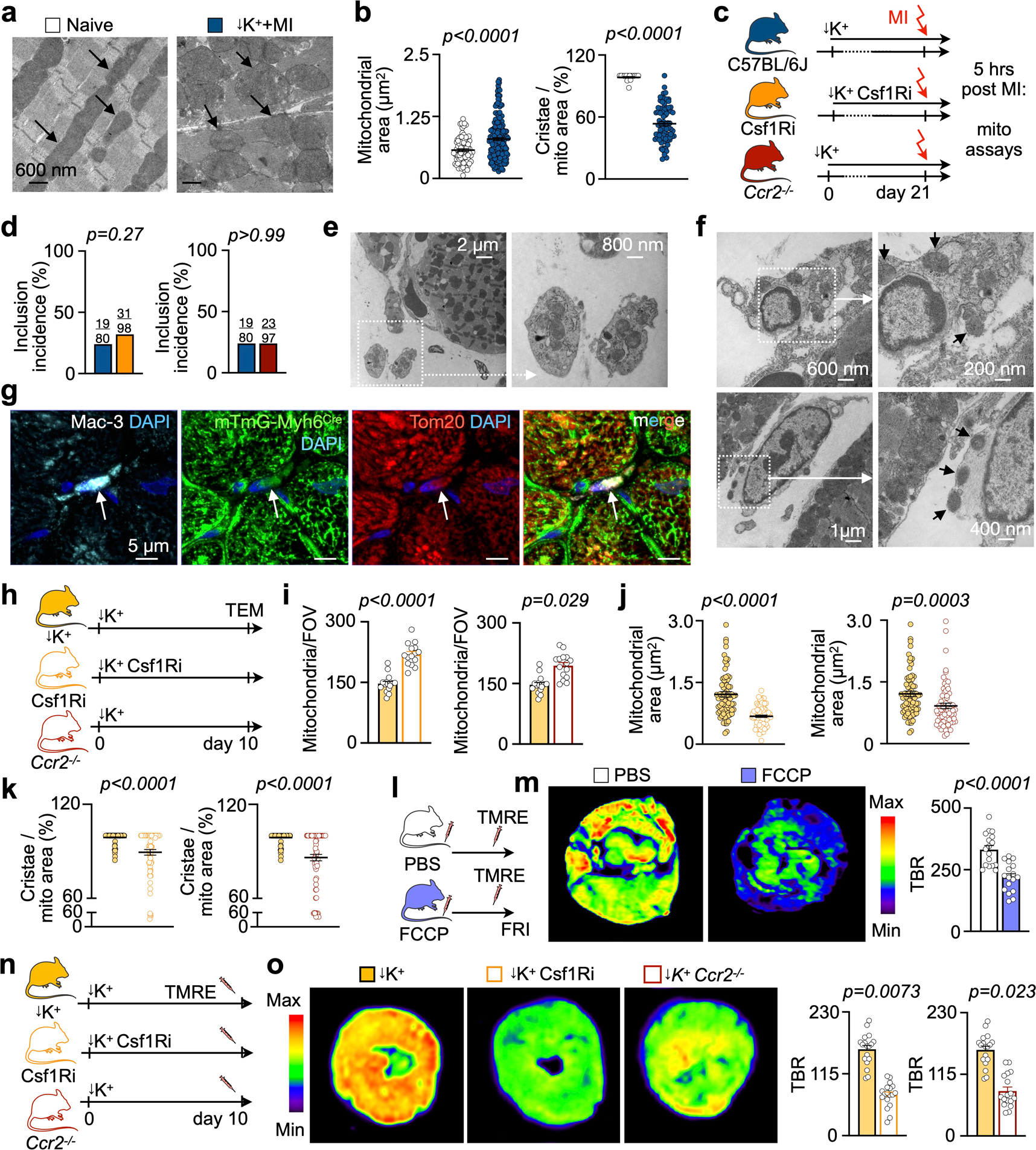
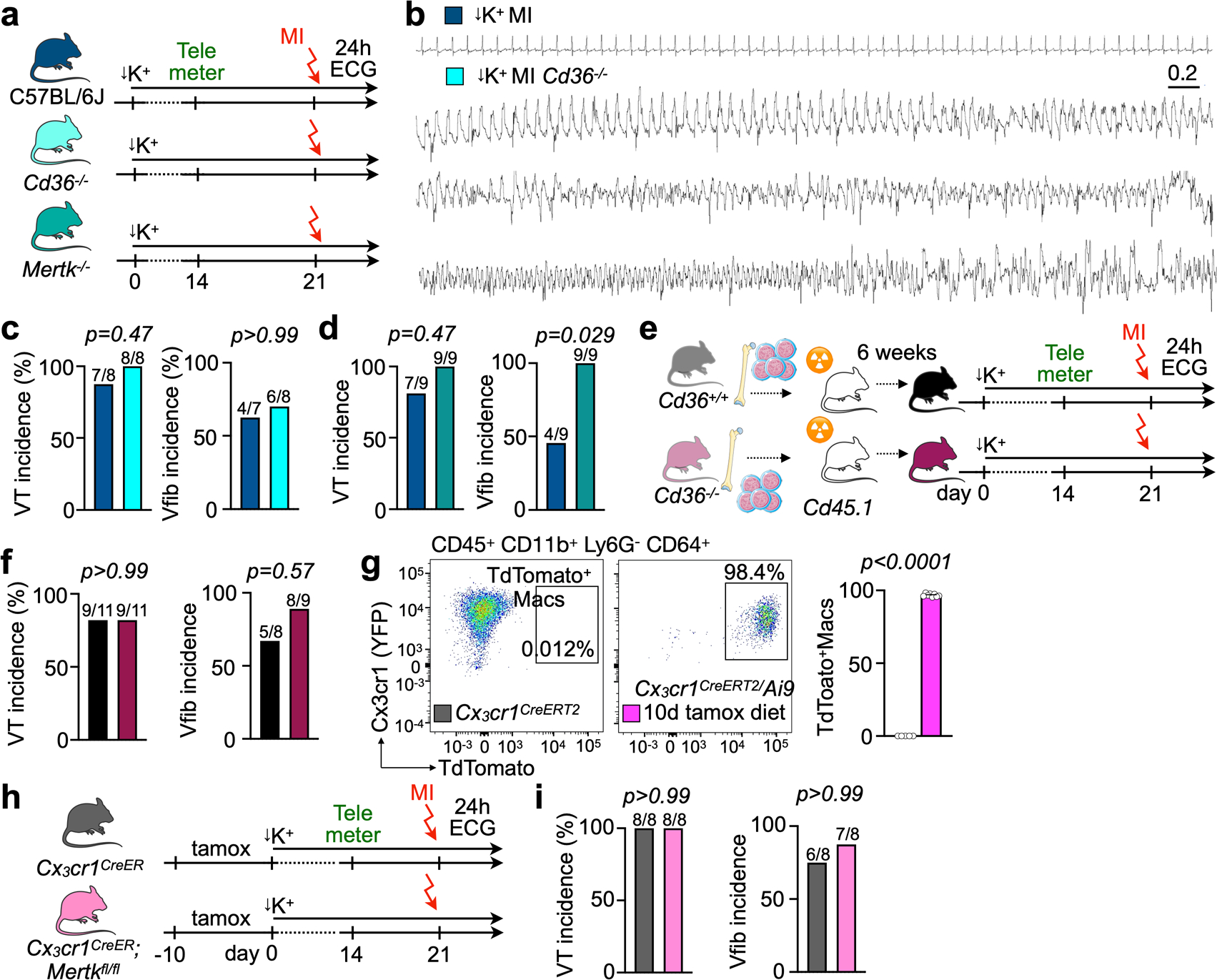
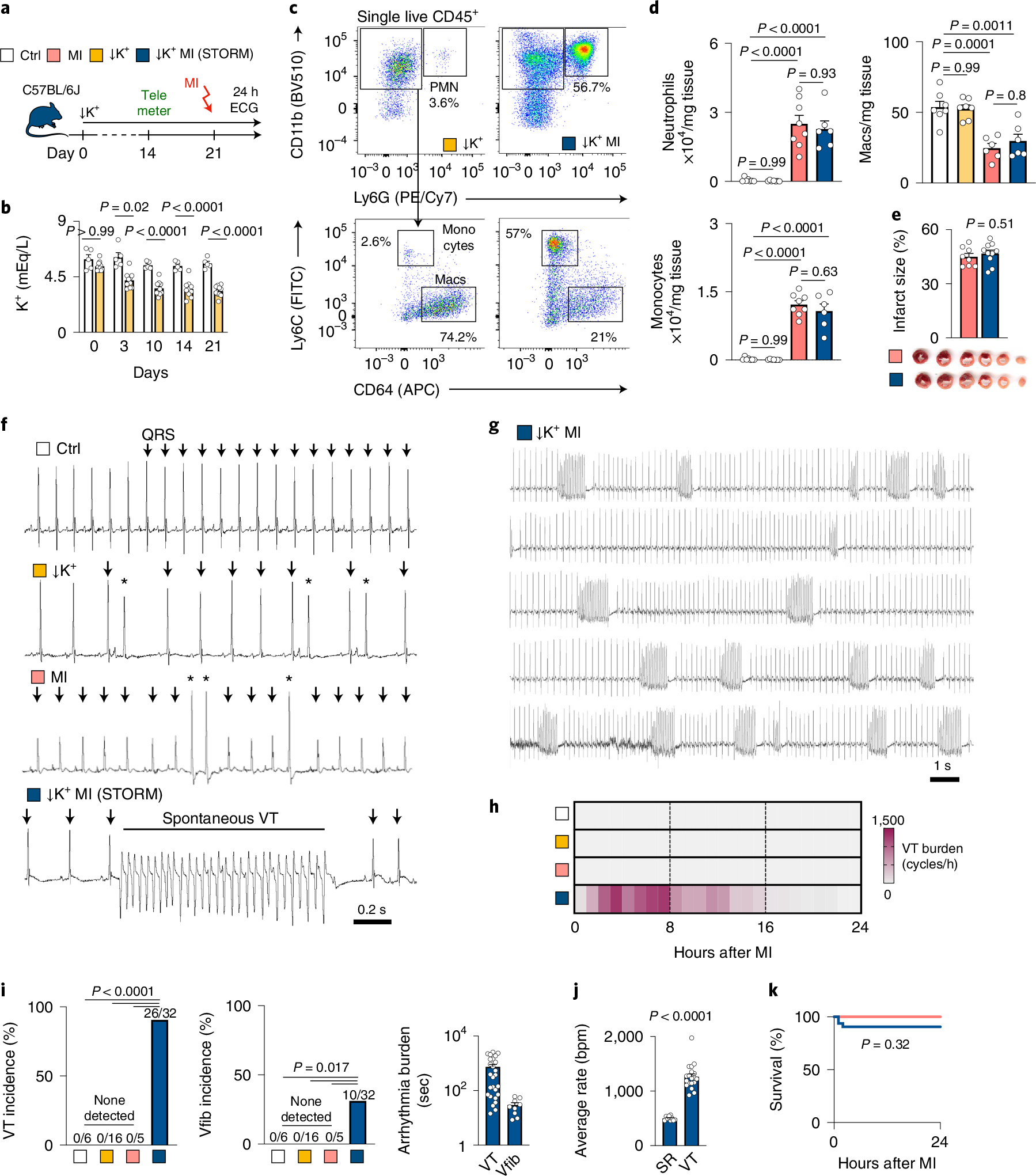
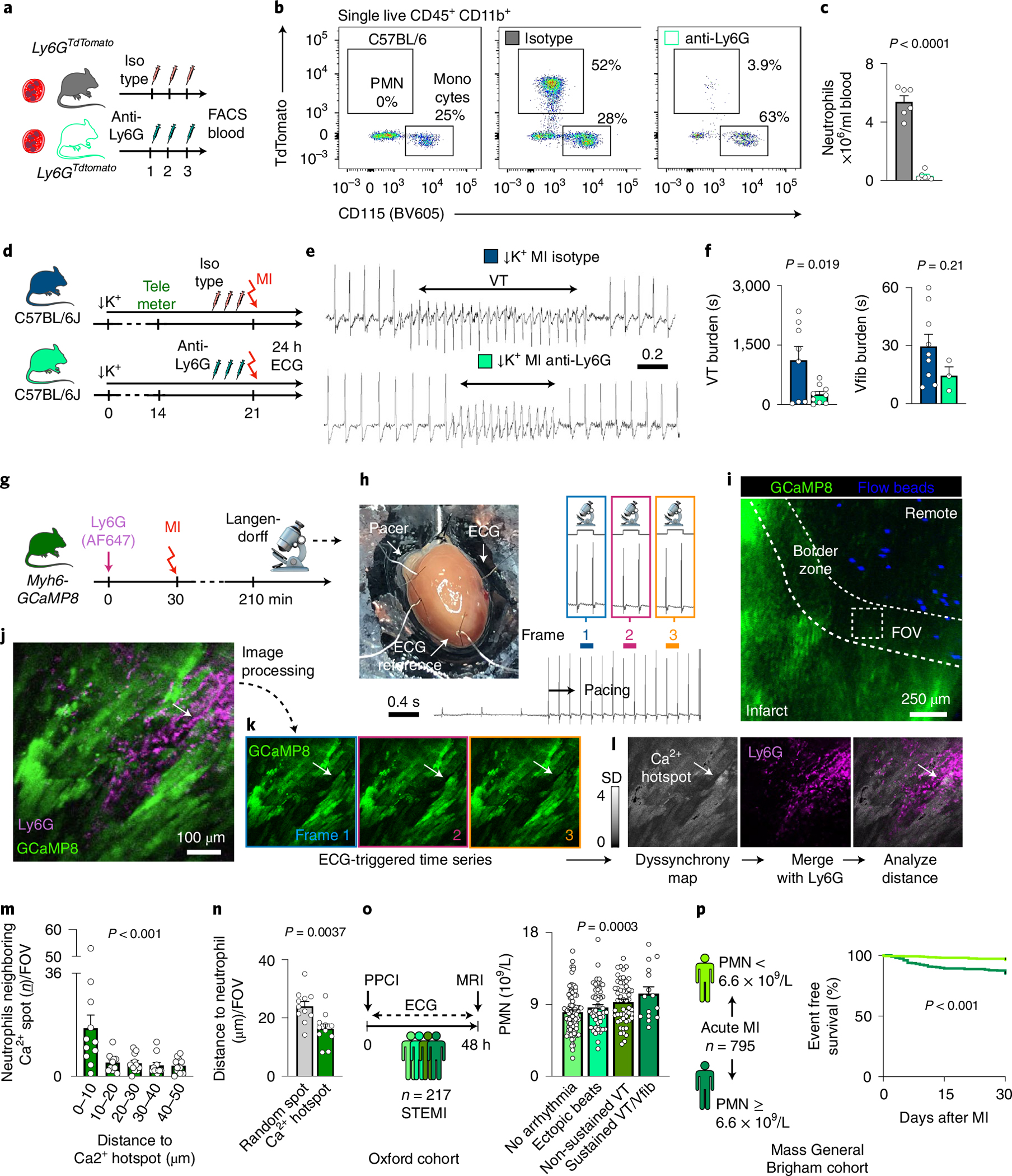
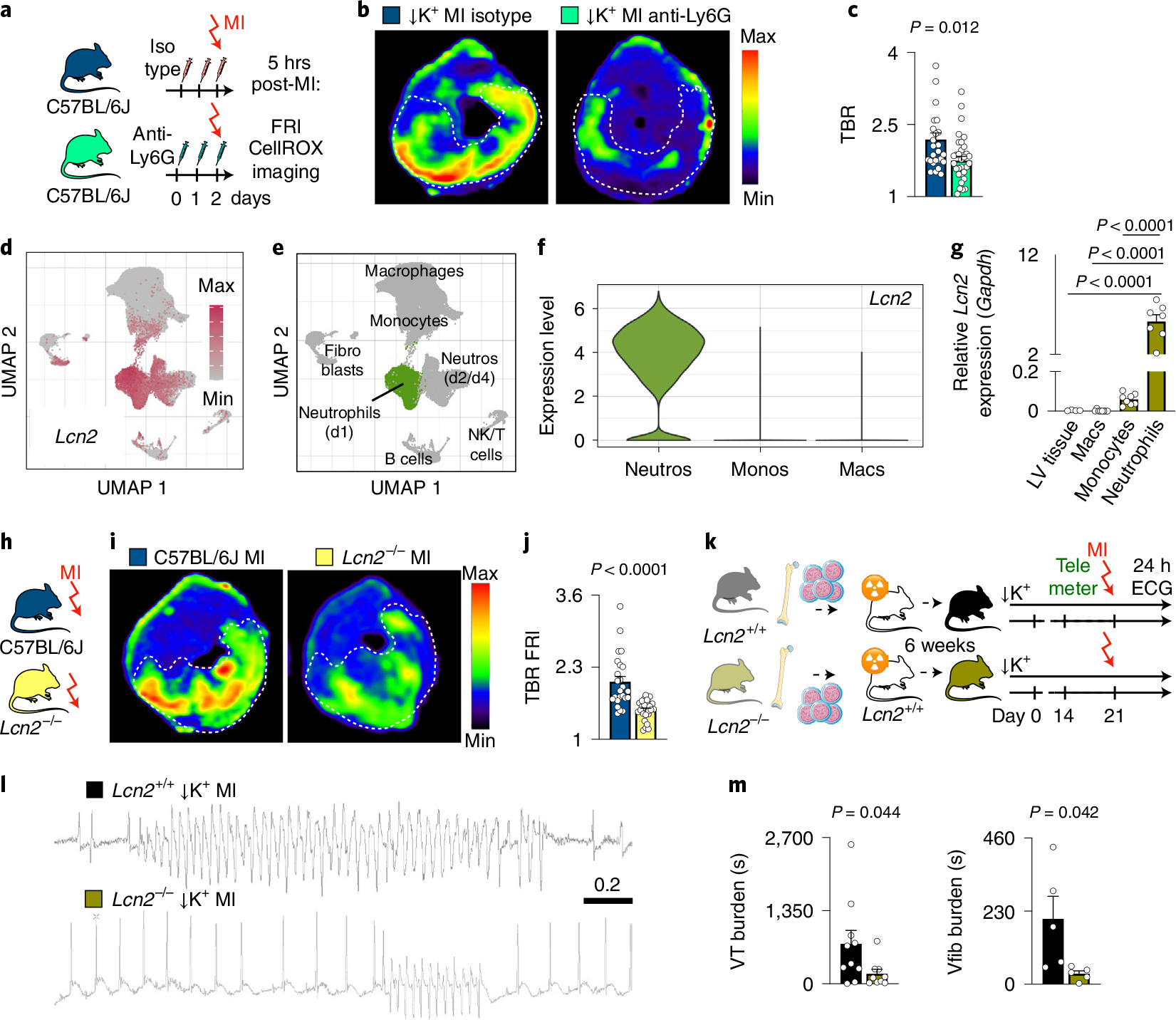
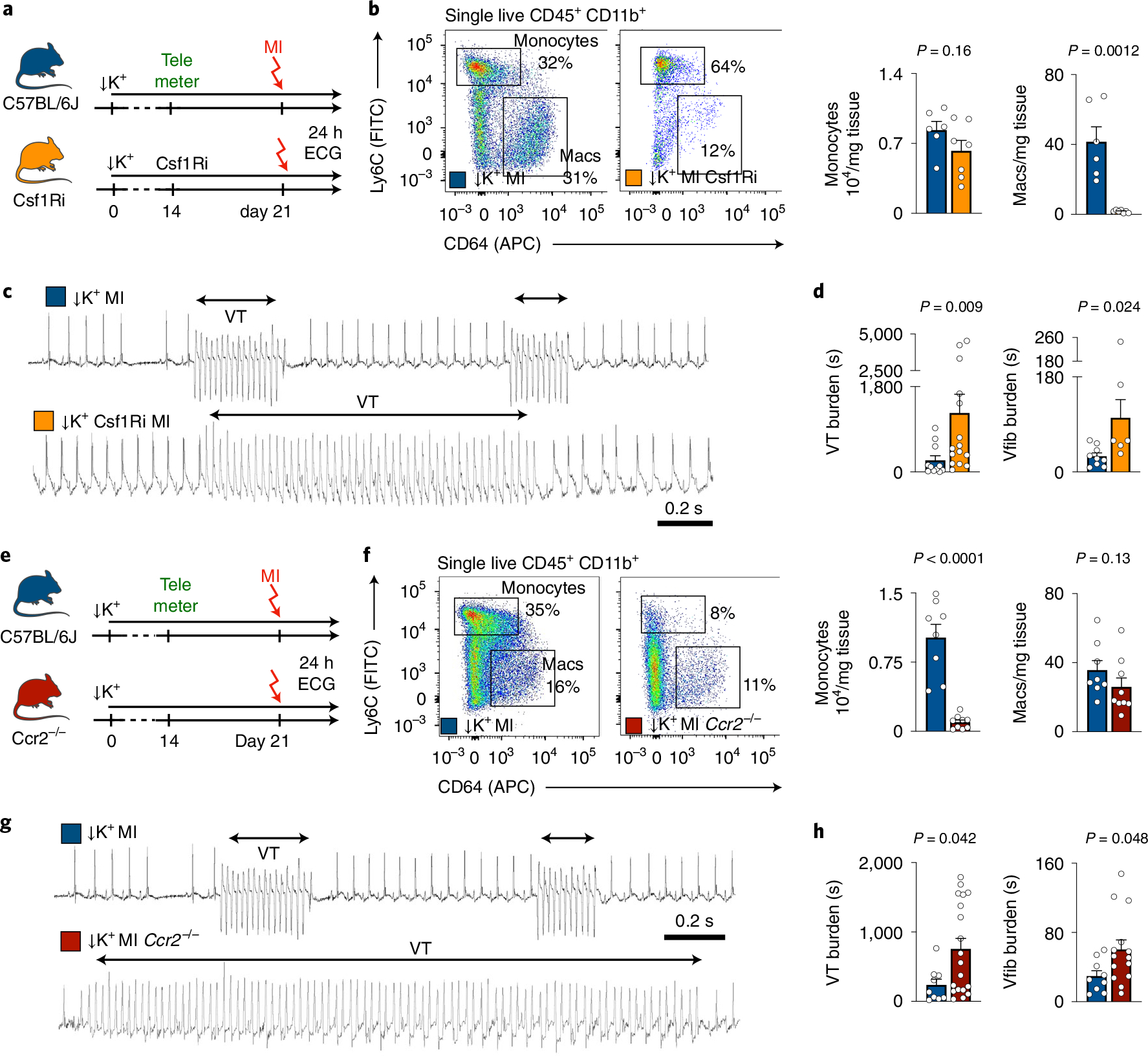
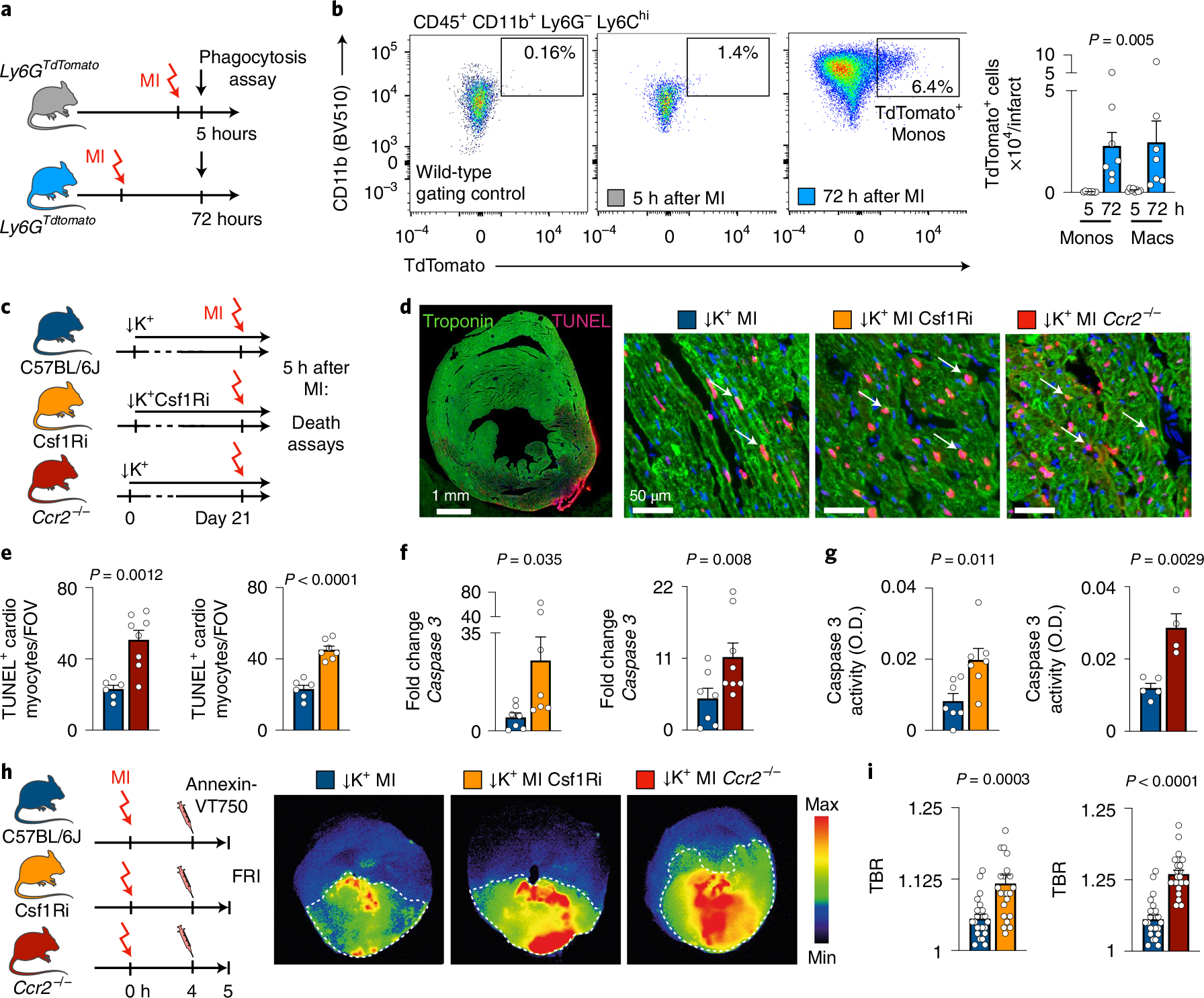
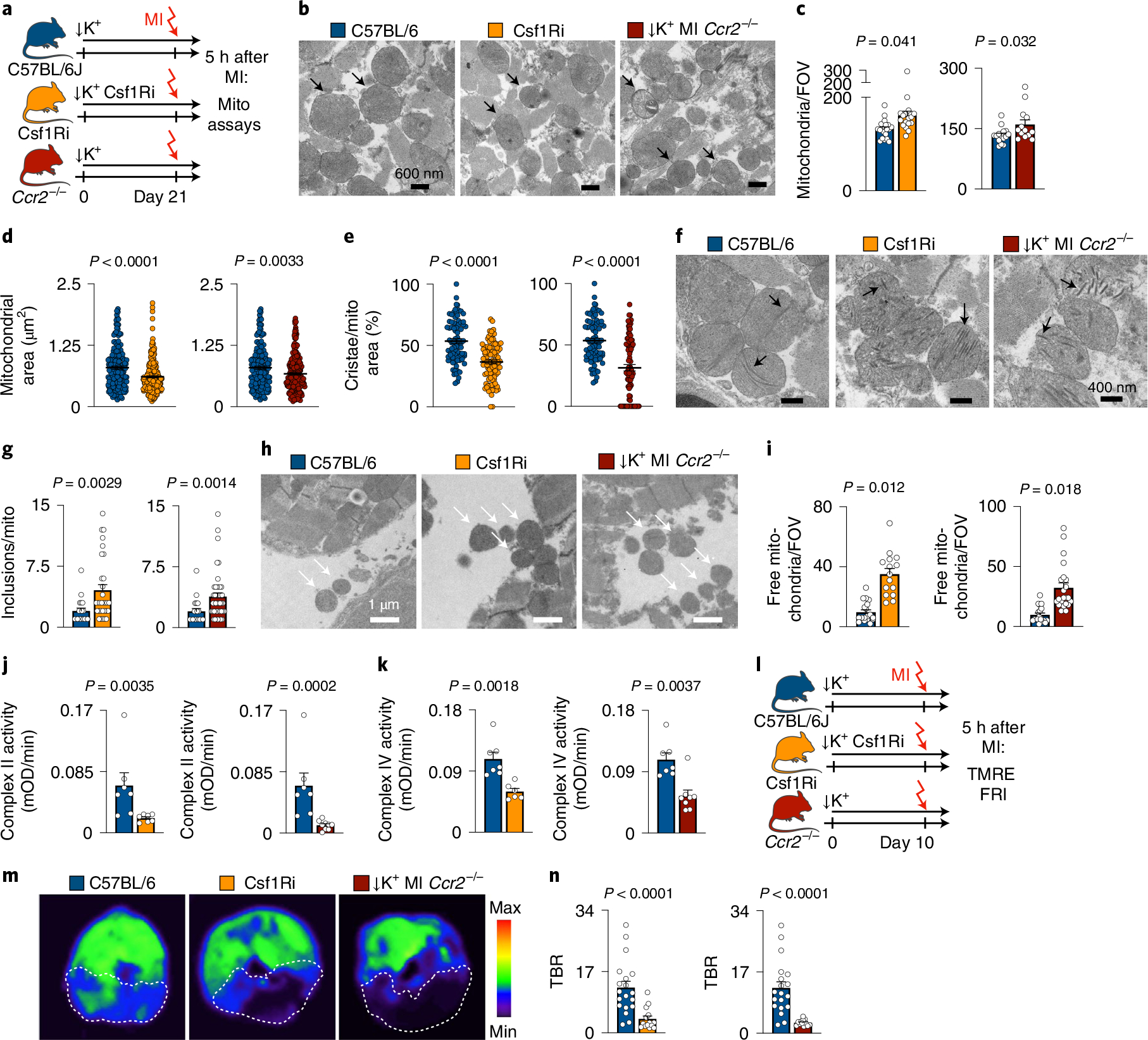
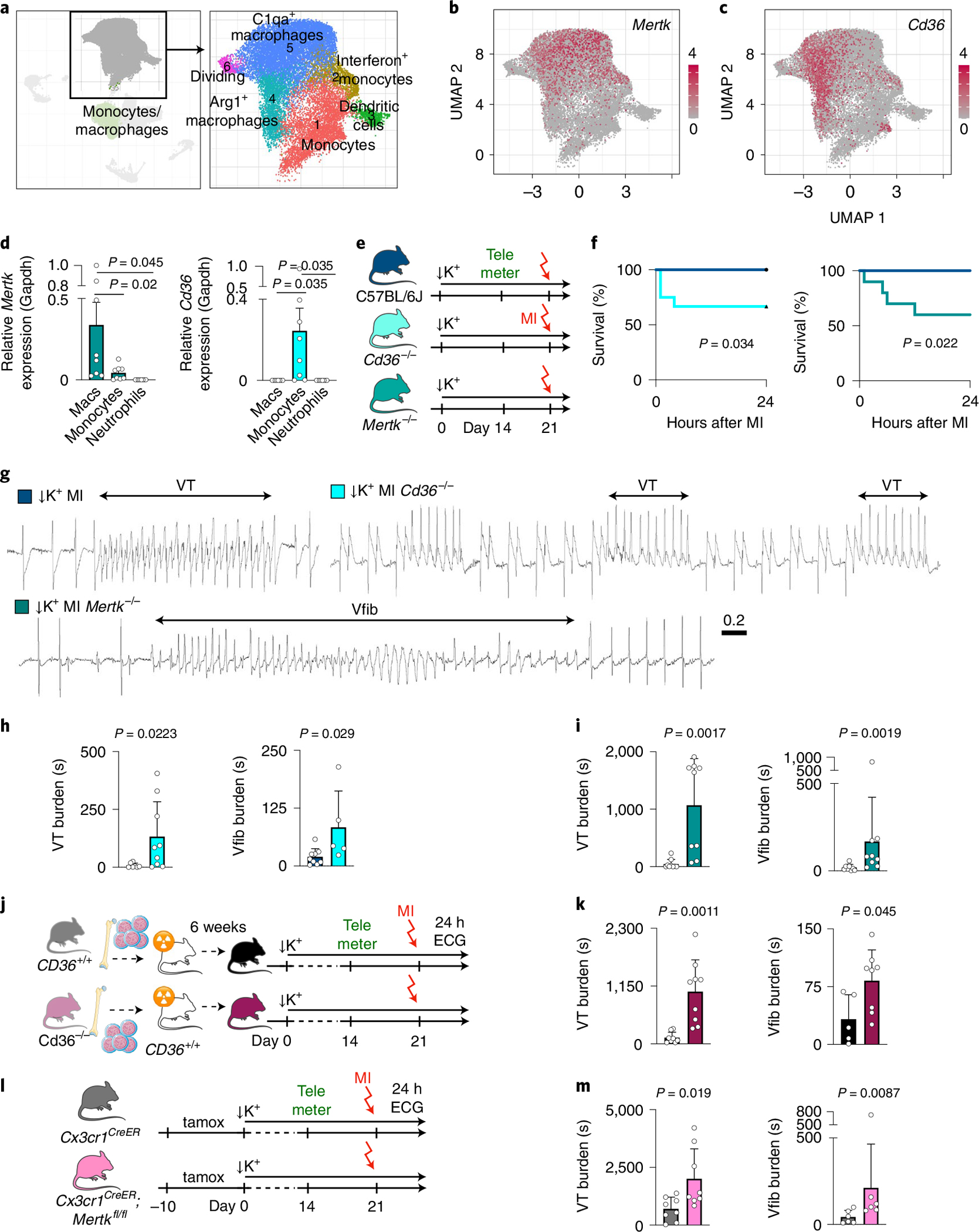
Sudden cardiac death, arising from abnormal electrical conduction, occurs frequently in patients with coronary heart disease. Myocardial ischemia simultaneously induces arrhythmia and massive myocardial leukocyte changes. In this study, we optimized a mouse model in which hypokalemia combined with myocardial infarction triggered spontaneous ventricular tachycardia in ambulatory mice, and we showed that major leukocyte subsets have opposing effects on cardiac conduction. Neutrophils increased ventricular tachycardia via lipocalin-2 in mice, whereas neutrophilia associated with ventricular tachycardia in patients. In contrast, macrophages protected against arrhythmia. Depleting recruited macrophages in mice or all macrophage subsets with Csf1 receptor inhibition increased both ventricular tachycardia and fibrillation. Higher arrhythmia burden and mortality in and mice, viewed together with reduced mitochondrial integrity and accelerated cardiomyocyte death in the absence of macrophages, indicated that receptor-mediated phagocytosis protects against lethal electrical storm. Thus, modulation of leukocyte function provides a potential therapeutic pathway for reducing the risk of sudden cardiac death.
由异常电传导引起的心脏性猝死在冠心病患者中频繁发生。心肌缺血同时诱发心律失常和大量心肌白细胞变化。在本研究中,我们优化了一种小鼠模型,其中低钾血症与心肌梗死相结合可触发活动小鼠的自发性室性心动过速,并且我们表明主要白细胞亚群对心脏传导具有相反的作用。中性粒细胞通过小鼠中的lipocalin-2增加室性心动过速,而中性粒细胞增多与患者的室性心动过速相关。相比之下,巨噬细胞可预防心律失常。在小鼠中耗尽募集的巨噬细胞或用Csf1受体抑制作用耗尽所有巨噬细胞亚群会增加室性心动过速和颤动。与在没有巨噬细胞的情况下线粒体完整性降低和心肌细胞死亡加速一起观察到的 和 小鼠中更高的心律失常负担和死亡率表明,受体介导的吞噬作用可预防致命的电风暴。因此,调节白细胞功能为降低心脏性猝死风险提供了一条潜在的治疗途径。