Xie Xiaoxian, Zhang Mengya, Sun Lei, Wang Ting, Zhu Zhengyan, Shu Ruonan, Wu Fengchun, Li Zezhi
College of Biotechnology and Bioengineering, Zhejiang University of Technology, Hangzhou, China.
Department of Psychiatry, The Affiliated Brain Hospital of Guangzhou Medical University, Guangzhou, China.
Front Pharmacol. 2022 Aug 11;13:894089. doi: 10.3389/fphar.2022.894089. eCollection 2022.
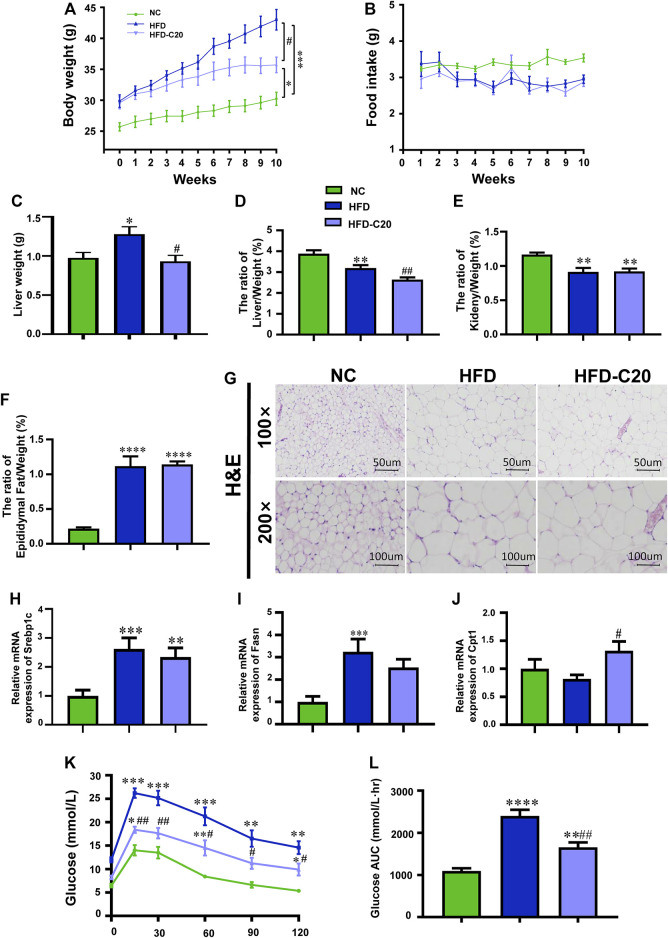
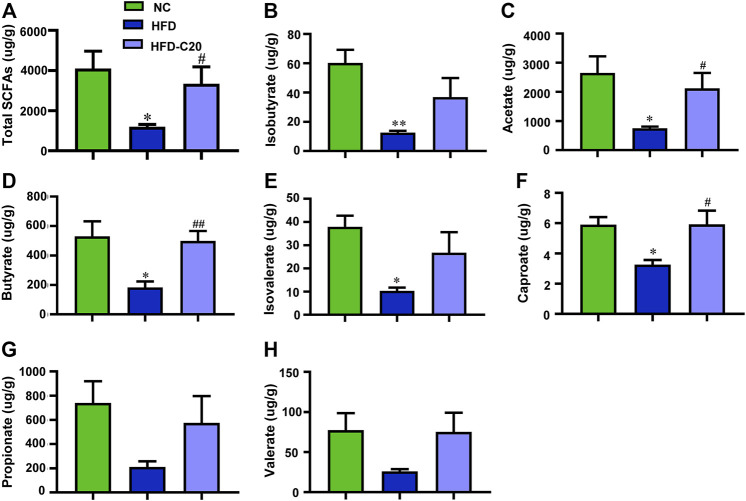
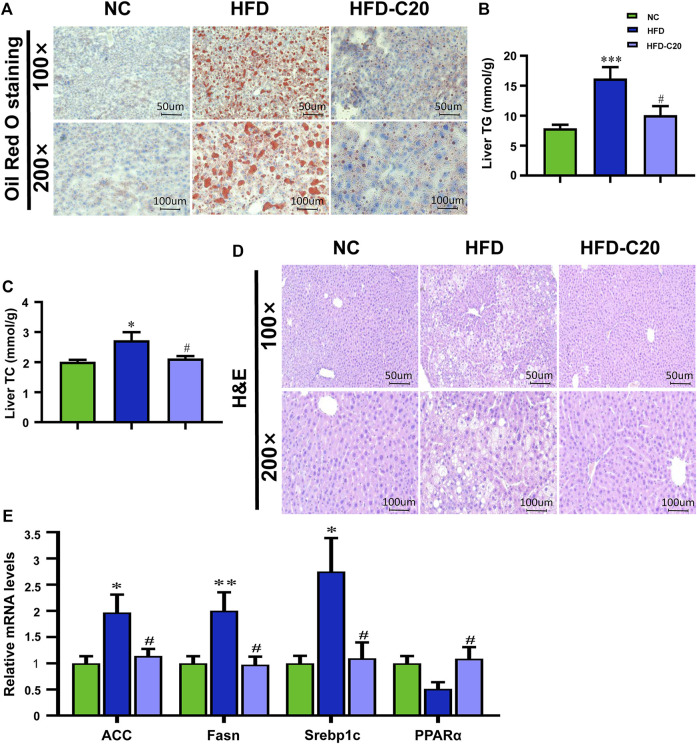
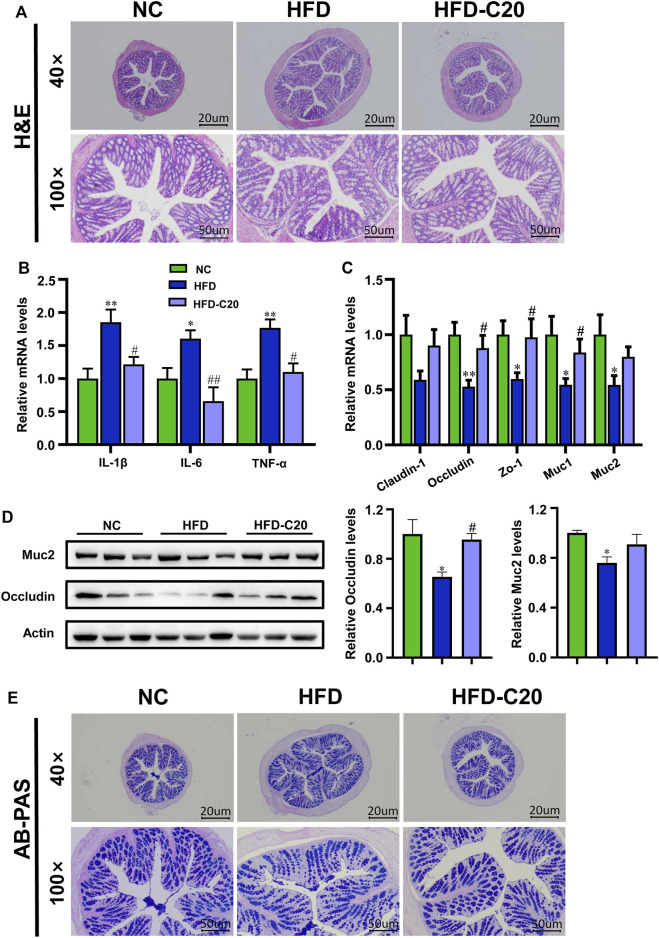
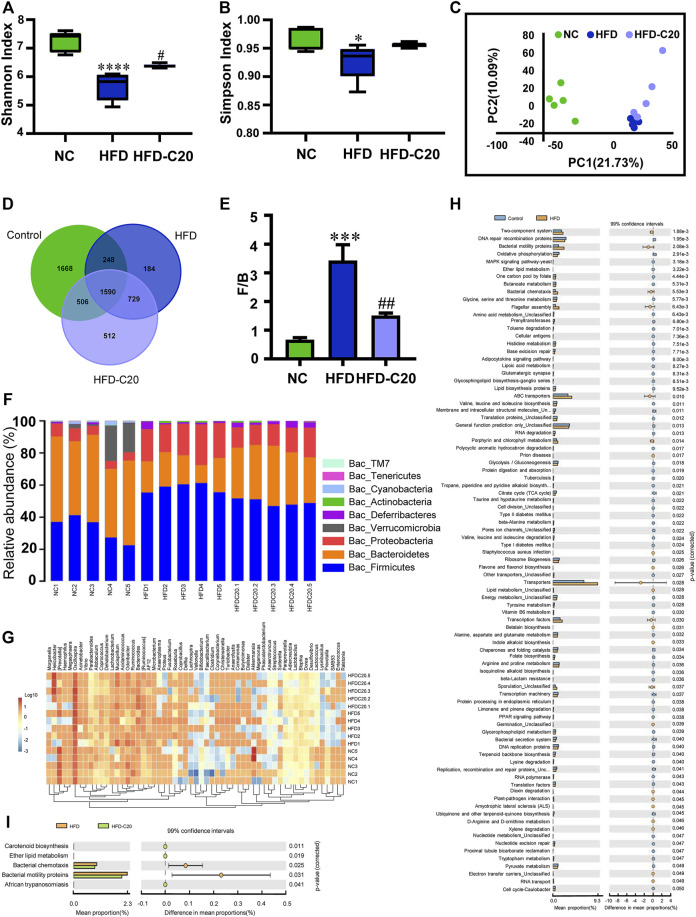
Crocin-I can regulate physiological changes in the human body by altering inflammation and microbial composition. Gut microbiota are also involved in modulating the pathophysiology of obesity. However, crocin-I's effect on obesity and the mechanism underlying its effects on gut microbiota and inflammation remain poorly understood. Here, high-fat diet (HFD) -induced obese mice were administrated crocin-I (20 mg/kg/day) for 10 weeks using an oral gavage (HFD-C20 group). HFD-C20, HFD, and Normal chow (NC) groups were compared. The fat content, colon tissue inflammatory cytokine levels, gut microbiota, and short-chain fatty acids (SCFAs) levels were measured. We show that crocin-I reduced body weight and liver weight and improved glucose resistance in HFD-induced mice, and reduced the lipid accumulation in the liver. Strikingly, crocin-I alleviated intestinal microbial disorders and decreased the F/B ratio and the abundance of in HFD-induced obese mice. Crocin-I also rescued the decrease in the levels of SCFAs and repaired altered intestinal barrier functioning and intestinal inflammation in HFD-induced obese mice. These findings indicate that crocin-I may inhibit obesity by modulating the composition of gut microbiota and intestinal inflammation.
西红花苷-I可通过改变炎症和微生物组成来调节人体的生理变化。肠道微生物群也参与调节肥胖的病理生理学。然而,西红花苷-I对肥胖的影响及其对肠道微生物群和炎症影响的潜在机制仍知之甚少。在此,使用口服灌胃法对高脂饮食(HFD)诱导的肥胖小鼠给予西红花苷-I(20毫克/千克/天),持续10周(HFD-C20组)。比较了HFD-C20组、HFD组和正常饮食(NC)组。测量了脂肪含量、结肠组织炎症细胞因子水平、肠道微生物群和短链脂肪酸(SCFAs)水平。我们发现,西红花苷-I降低了HFD诱导小鼠的体重和肝脏重量,改善了葡萄糖耐量,并减少了肝脏中的脂质积累。令人惊讶的是,西红花苷-I减轻了HFD诱导的肥胖小鼠的肠道微生物紊乱,降低了F/B比值和[具体微生物名称]的丰度。西红花苷-I还挽救了HFD诱导的肥胖小鼠中SCFAs水平的下降,并修复了改变的肠道屏障功能和肠道炎症。这些发现表明,西红花苷-I可能通过调节肠道微生物群的组成和肠道炎症来抑制肥胖。