Andoh Eugenia Ama, Yu Hao
Department of Industrial Engineering, UiT The Arctic University of Norway, Lodve Langesgate 2, 8514 Narvik, Norway.
Ann Oper Res. 2022 Aug 21:1-31. doi: 10.1007/s10479-022-04906-x.
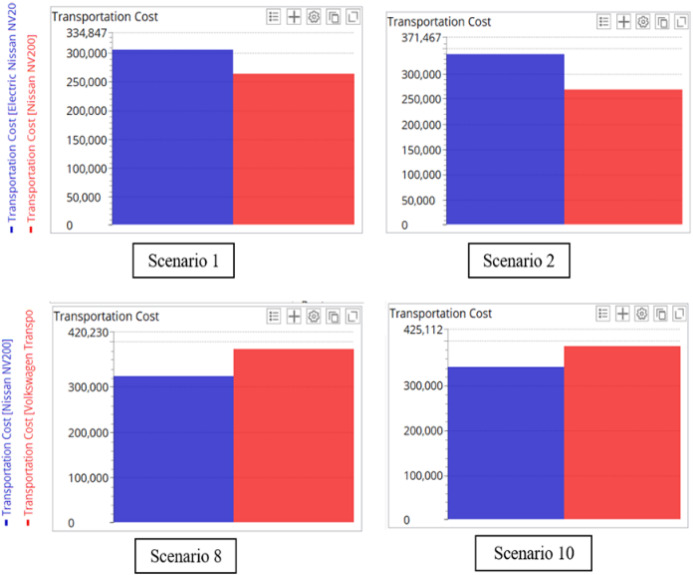
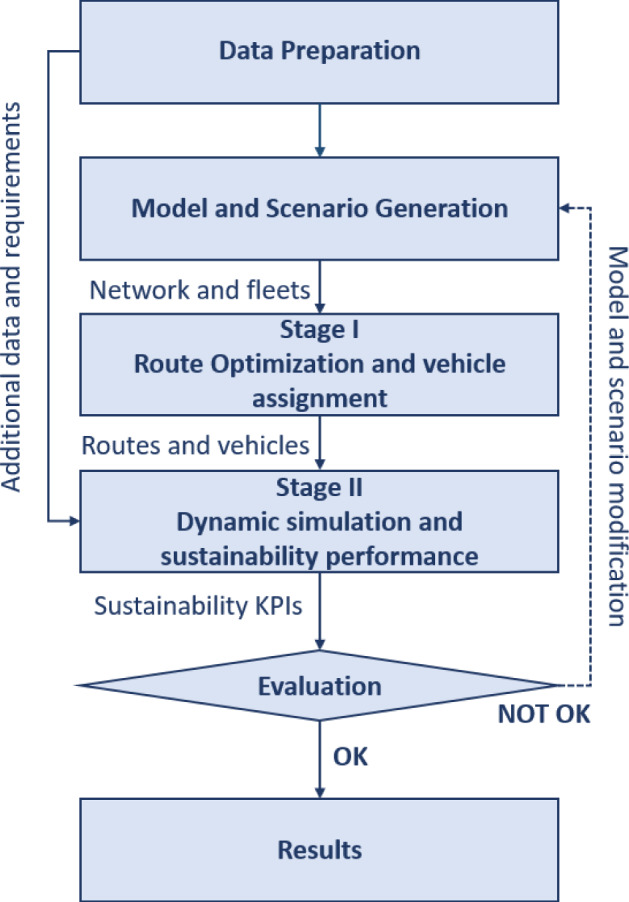
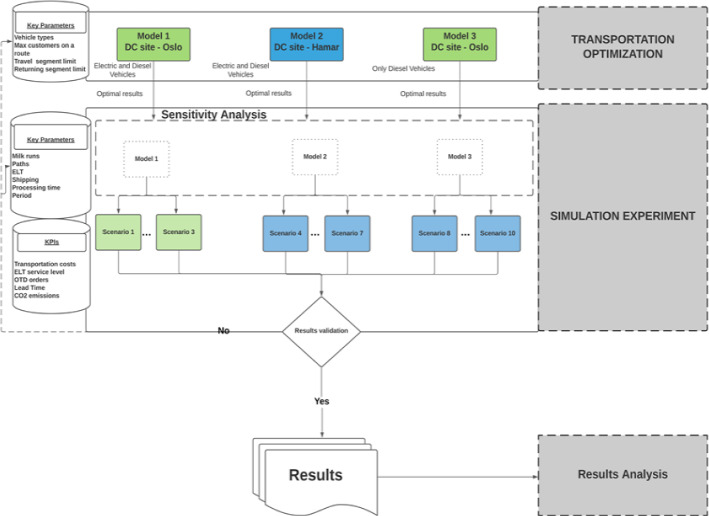
The COVID-19 pandemic has become a global health and humanitarian crisis that catastrophically affects many industries. To control the disease spread and restore normal lives, mass vaccination is considered the most effective way. However, the sustainable last-mile cold chain logistics operations of COVID-19 vaccines is a complex short-term planning problem that faces many practical challenges, e.g., low-temperature storage and transportation, supply uncertainty at the early stage, etc. To tackle these challenges, a two-stage decision-support approach is proposed in this paper, which integrates both route optimization and advanced simulation to improve the sustainable performance of last-mile vaccine cold chain logistics operations. Through a real-world case study in Norway during December 2020 and March 2021, the analytical results revealed that the logistics network structure, fleet size, and the composition of heterogeneous vehicles might yield significant impacts on the service level, transportation cost, and CO emissions of last-mile vaccine cold chain logistics operations.
新冠疫情已演变成一场全球健康和人道主义危机,给诸多行业带来了灾难性影响。为控制疾病传播并恢复正常生活,大规模接种疫苗被视为最有效的方式。然而,新冠疫苗最后一英里的可持续冷链物流运作是一个复杂的短期规划问题,面临诸多实际挑战,例如低温储存和运输、早期供应不确定性等。为应对这些挑战,本文提出了一种两阶段决策支持方法,该方法将路线优化与先进模拟相结合,以提高最后一英里疫苗冷链物流运作的可持续性能。通过对挪威2020年12月至2021年3月期间的一个实际案例研究,分析结果表明,物流网络结构、车队规模以及异构车辆的组成可能会对最后一英里疫苗冷链物流运作的服务水平、运输成本和碳排放产生重大影响。