Adelaide Medical School, Faculty of Health and Medical Sciences, University of Adelaide, Adelaide, SA, Australia.
Precision Medicine Theme, South Australian Health and Medical Research Institute, Adelaide, SA, Australia.
Leukemia. 2022 Nov;36(11):2678-2689. doi: 10.1038/s41375-022-01686-y. Epub 2022 Aug 29.
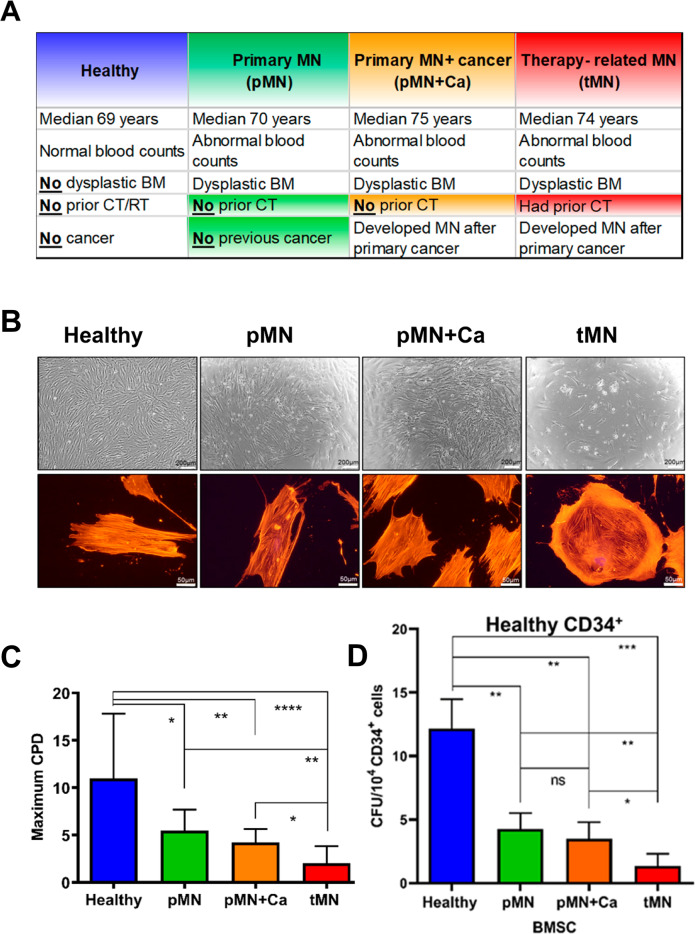
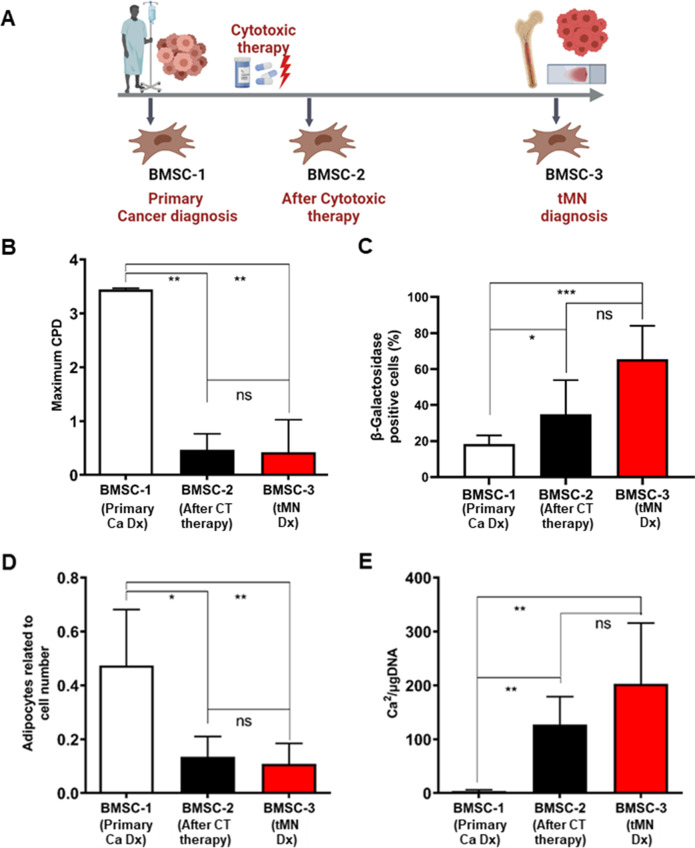
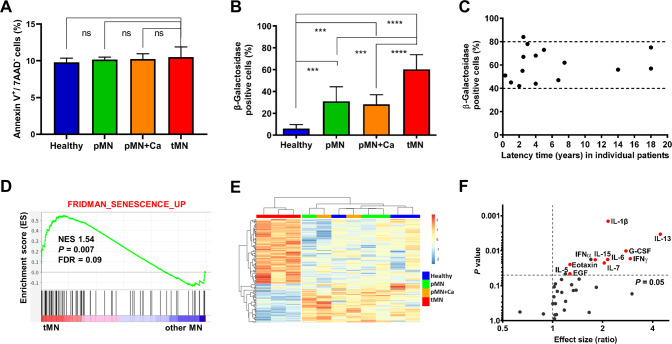
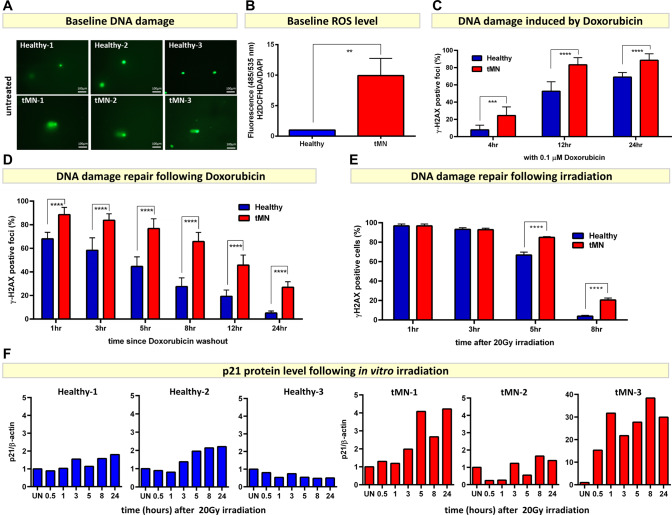
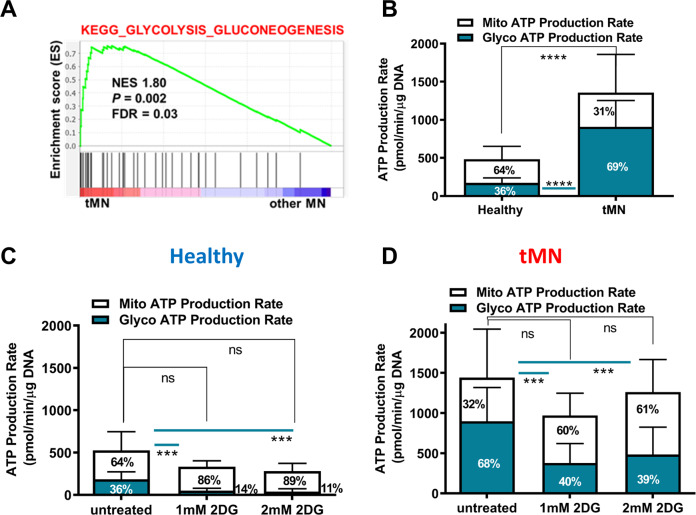
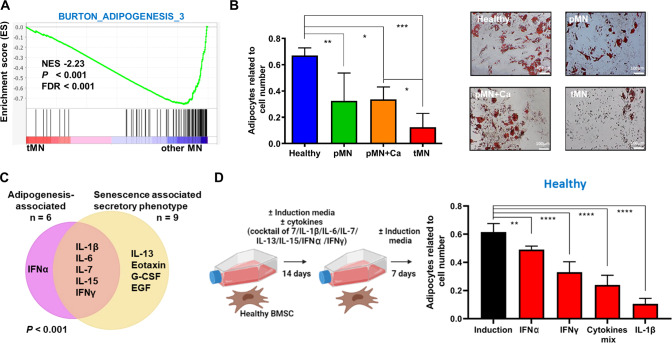
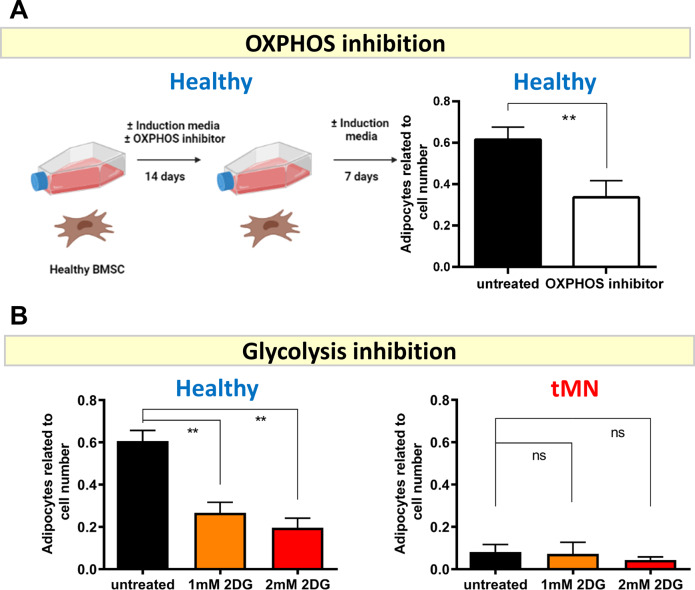
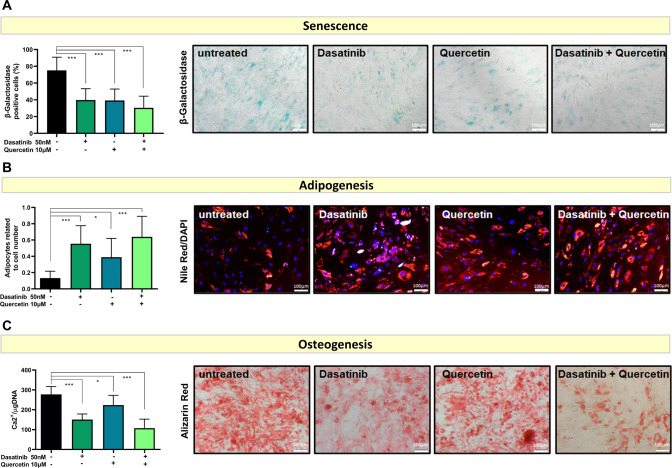
Therapy-related myeloid neoplasm (tMN) is considered a direct consequence of DNA damage in hematopoietic stem cells. Despite increasing recognition that altered stroma can also drive leukemogenesis, the functional biology of the tMN microenvironment remains unknown. We performed multiomic (transcriptome, DNA damage response, cytokine secretome and functional profiling) characterization of bone marrow stromal cells from tMN patients. Critically, we also compared (i) patients with myeloid neoplasm and another cancer but without cytotoxic exposure, (ii) typical primary myeloid neoplasm, and (iii) age-matched controls to decipher the microenvironmental changes induced by cytotoxics vs. neoplasia. Strikingly, tMN exhibited a profoundly senescent phenotype with induction of CDKN1A and β-Galactosidase, defective phenotype, and proliferation. Moreover, tMN stroma showed delayed DNA repair and defective adipogenesis. Despite their dormant state, tMN stromal cells were metabolically highly active with a switch toward glycolysis and secreted multiple pro-inflammatory cytokines indicative of a senescent-secretory phenotype that inhibited adipogenesis. Critically, senolytics not only eliminated dormant cells, but also restored adipogenesis. Finally, sequential patient sampling showed senescence phenotypes are induced within months of cytotoxic exposure, well prior to the onset of secondary cancer. Our data underscores a role of senescence in the pathogenesis of tMN and provide a valuable resource for future therapeutics.
治疗相关的髓系肿瘤(tMN)被认为是造血干细胞 DNA 损伤的直接后果。尽管越来越多的人认识到改变的基质也可以驱动白血病的发生,但 tMN 微环境的功能生物学仍然未知。我们对 tMN 患者的骨髓基质细胞进行了多组学(转录组、DNA 损伤反应、细胞因子分泌组和功能分析)特征分析。至关重要的是,我们还比较了(i)患有髓系肿瘤和另一种癌症但没有细胞毒性暴露的患者,(ii)典型的原发性髓系肿瘤,和(iii)年龄匹配的对照,以破译细胞毒性药物与肿瘤引起的微环境变化。引人注目的是,tMN 表现出明显的衰老表型,诱导 CDKN1A 和 β-半乳糖苷酶的表达,表现出功能缺陷和增殖。此外,tMN 基质表现出延迟的 DNA 修复和功能缺陷的脂肪生成。尽管处于休眠状态,但 tMN 基质细胞的代谢非常活跃,表现为糖酵解的转换,并分泌多种促炎细胞因子,表明其具有衰老分泌表型,抑制了脂肪生成。至关重要的是,衰老细胞清除剂不仅消除了休眠细胞,而且还恢复了脂肪生成。最后,连续的患者采样显示,在接受细胞毒性药物治疗后的数月内,即可诱导衰老表型,远早于继发性癌症的发生。我们的数据强调了衰老在 tMN 发病机制中的作用,并为未来的治疗提供了有价值的资源。