Department of Urology, Nanfang Hospital, Southern Medical University-Guangzhou, Guangzhou, China.
Department of Urology, University of Pittsburgh School of Medicine-Pittsburgh, Pittsburgh, PA, USA.
Cell Death Dis. 2022 Sep 1;13(9):754. doi: 10.1038/s41419-022-05182-0.
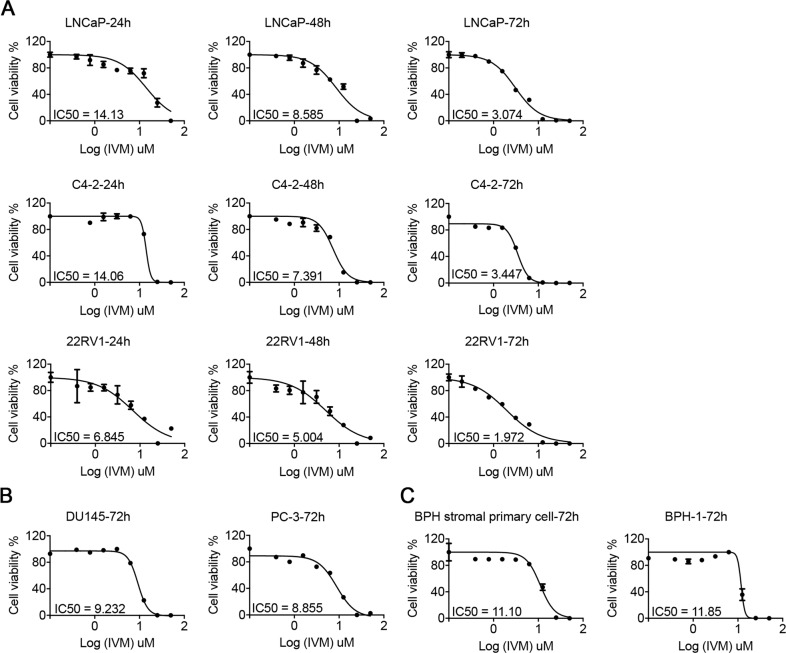
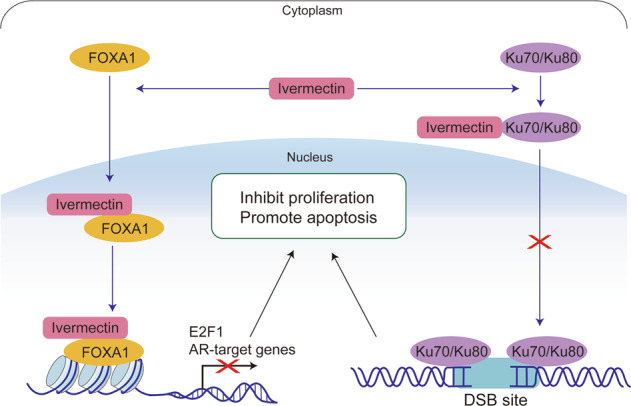
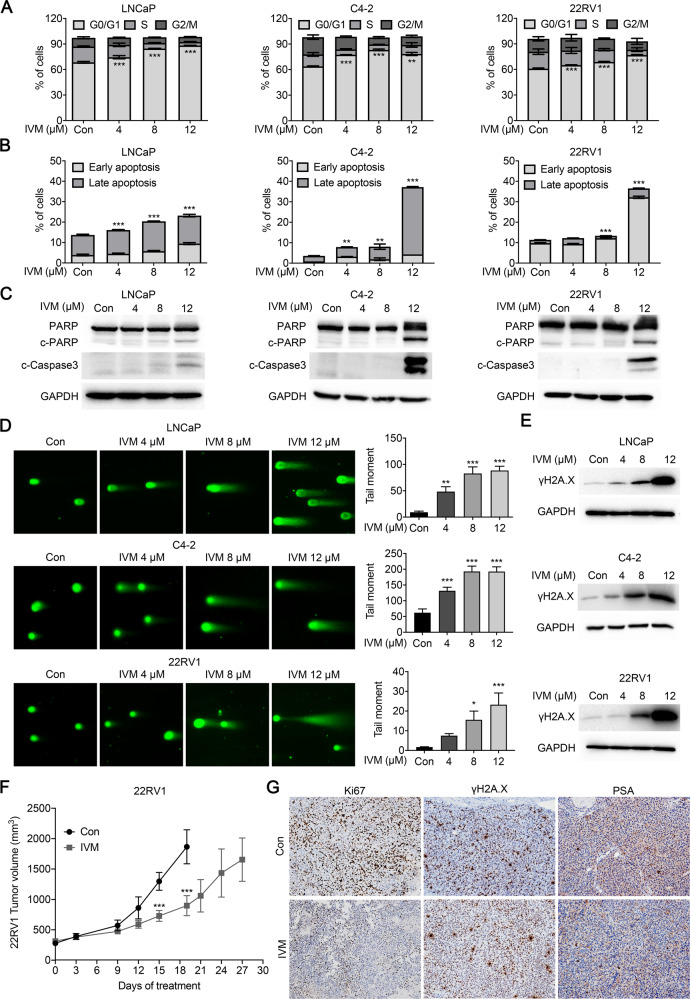
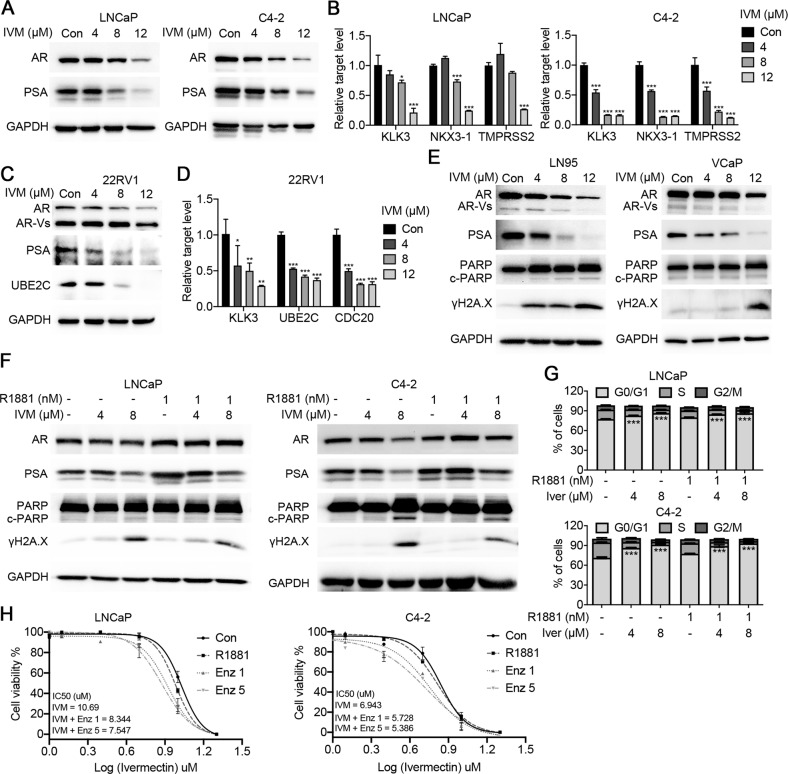
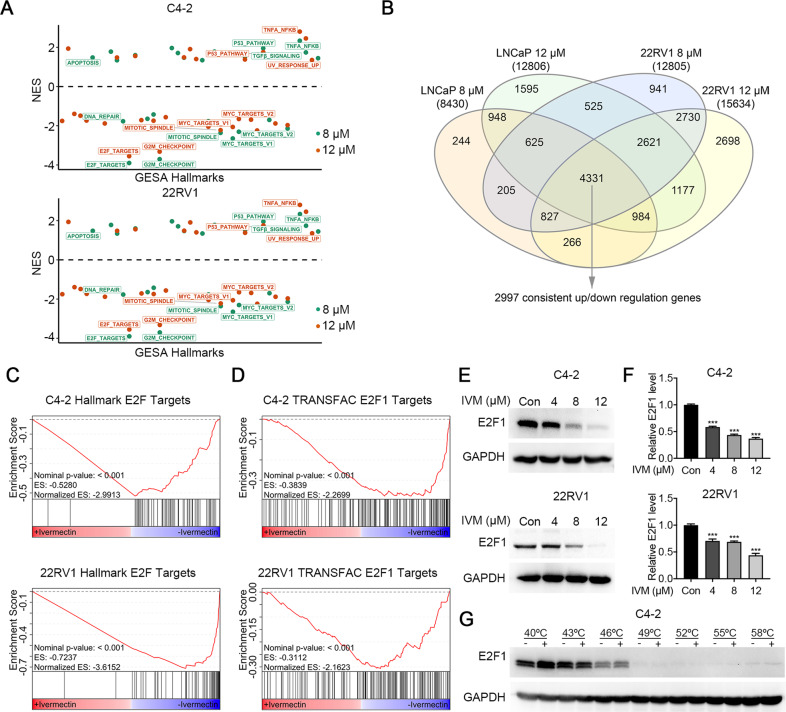
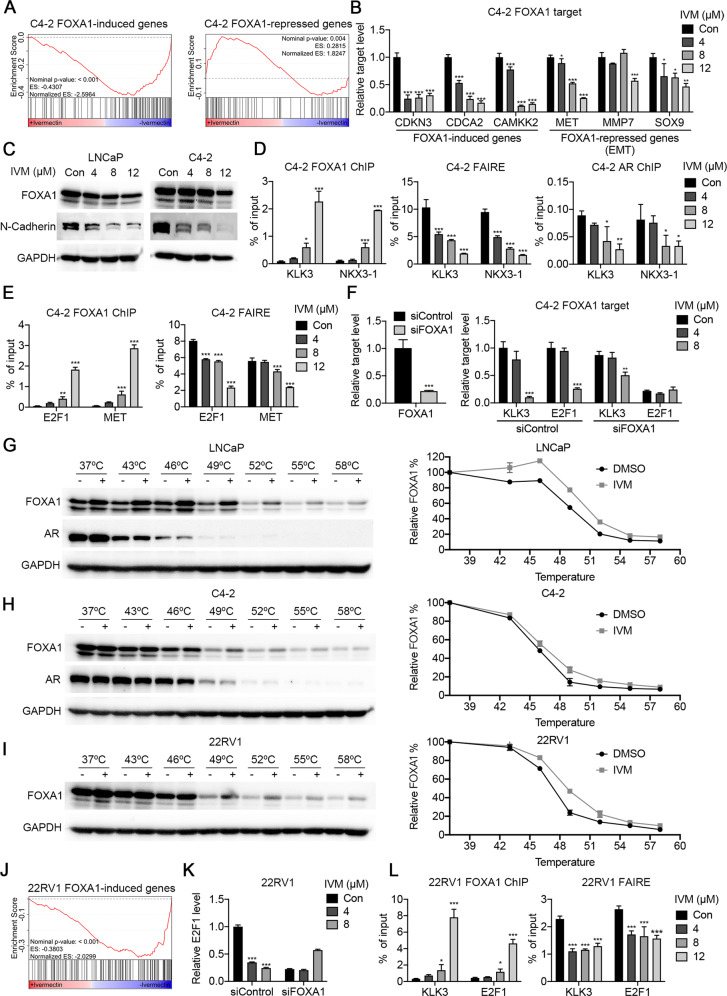
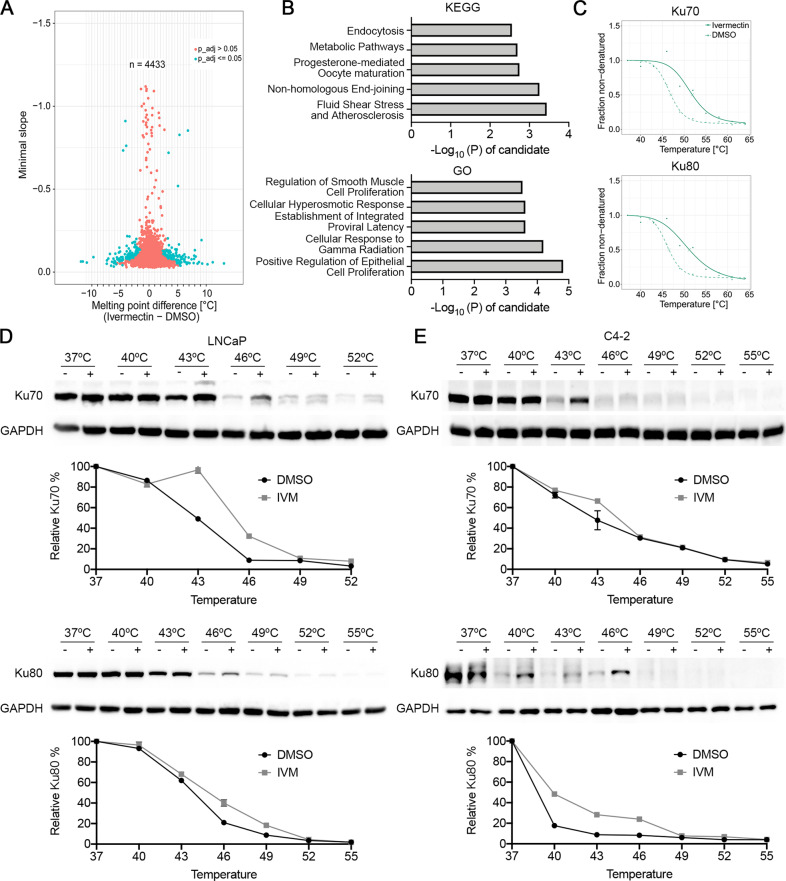
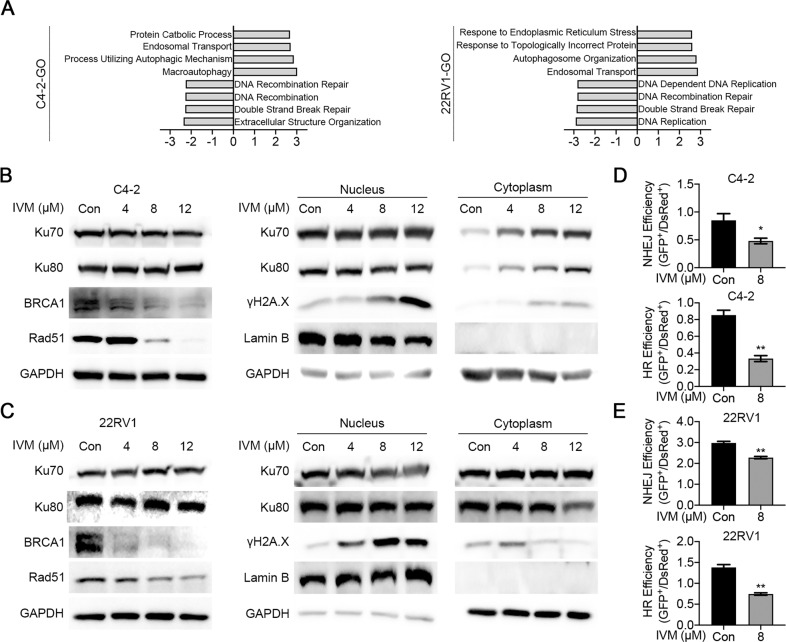
Ivermectin is a widely used antiparasitic drug and shows promising anticancer activity in various cancer types. Although multiple signaling pathways modulated by ivermectin have been identified in tumor cells, few studies have focused on the exact target of ivermectin. Herein, we report the pharmacological effects and targets of ivermectin in prostate cancer. Ivermectin caused G0/G1 cell cycle arrest, induced cell apoptosis and DNA damage, and decreased androgen receptor (AR) signaling in prostate cancer cells. Further in vivo analysis showed ivermectin could suppress 22RV1 xenograft progression. Using integrated omics profiling, including RNA-seq and thermal proteome profiling, the forkhead box protein A1 (FOXA1) and non-homologous end joining (NHEJ) repair executer Ku70/Ku80 were strongly suggested as direct targets of ivermectin in prostate cancer. The interaction of ivermectin and FOXA1 reduced the chromatin accessibility of AR signaling and the G0/G1 cell cycle regulator E2F1, leading to cell proliferation inhibition. The interaction of ivermectin and Ku70/Ku80 impaired the NHEJ repair ability. Cooperating with the downregulation of homologous recombination repair ability after AR signaling inhibition, ivermectin increased intracellular DNA double-strand breaks and finally triggered cell death. Our findings demonstrate the anticancer effect of ivermectin in prostate cancer, indicating that its use may be a new therapeutic approach for prostate cancer.
伊维菌素是一种广泛使用的抗寄生虫药物,在多种癌症类型中显示出有前景的抗癌活性。尽管已经在肿瘤细胞中鉴定出伊维菌素调节的多种信号通路,但很少有研究关注伊维菌素的确切靶点。在此,我们报告了伊维菌素在前列腺癌中的药理作用和靶点。伊维菌素导致 G0/G1 细胞周期停滞,诱导细胞凋亡和 DNA 损伤,并降低前列腺癌细胞中的雄激素受体 (AR) 信号。进一步的体内分析表明,伊维菌素可以抑制 22RV1 异种移植物的进展。通过整合组学分析,包括 RNA-seq 和热蛋白质组学分析,强烈表明叉头框蛋白 A1 (FOXA1) 和非同源末端连接 (NHEJ) 修复执行者 Ku70/Ku80 是伊维菌素在前列腺癌中的直接靶点。伊维菌素与 FOXA1 的相互作用降低了 AR 信号和 G0/G1 细胞周期调节剂 E2F1 的染色质可及性,导致细胞增殖抑制。伊维菌素与 Ku70/Ku80 的相互作用损害了 NHEJ 修复能力。与 AR 信号抑制后同源重组修复能力的下调协同作用,伊维菌素增加了细胞内的 DNA 双链断裂,最终引发细胞死亡。我们的研究结果表明伊维菌素在前列腺癌中的抗癌作用,表明其使用可能是前列腺癌的一种新的治疗方法。