Department of Molecular Genetics and Microbiology, Duke University School of Medicine, Durham, NC, 27710, USA.
Department of Biological Sciences, Lehigh University, Bethlehem, PA, 18015, USA.
Nat Commun. 2022 Sep 1;13(1):5137. doi: 10.1038/s41467-022-32267-3.
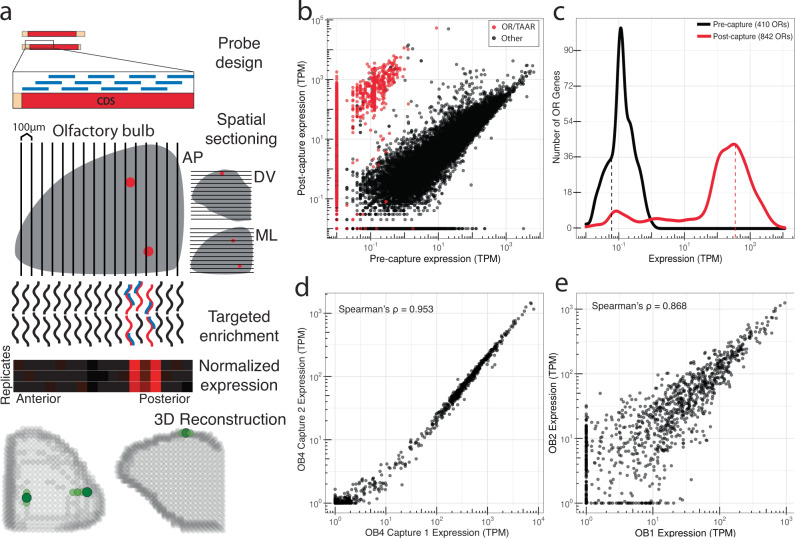
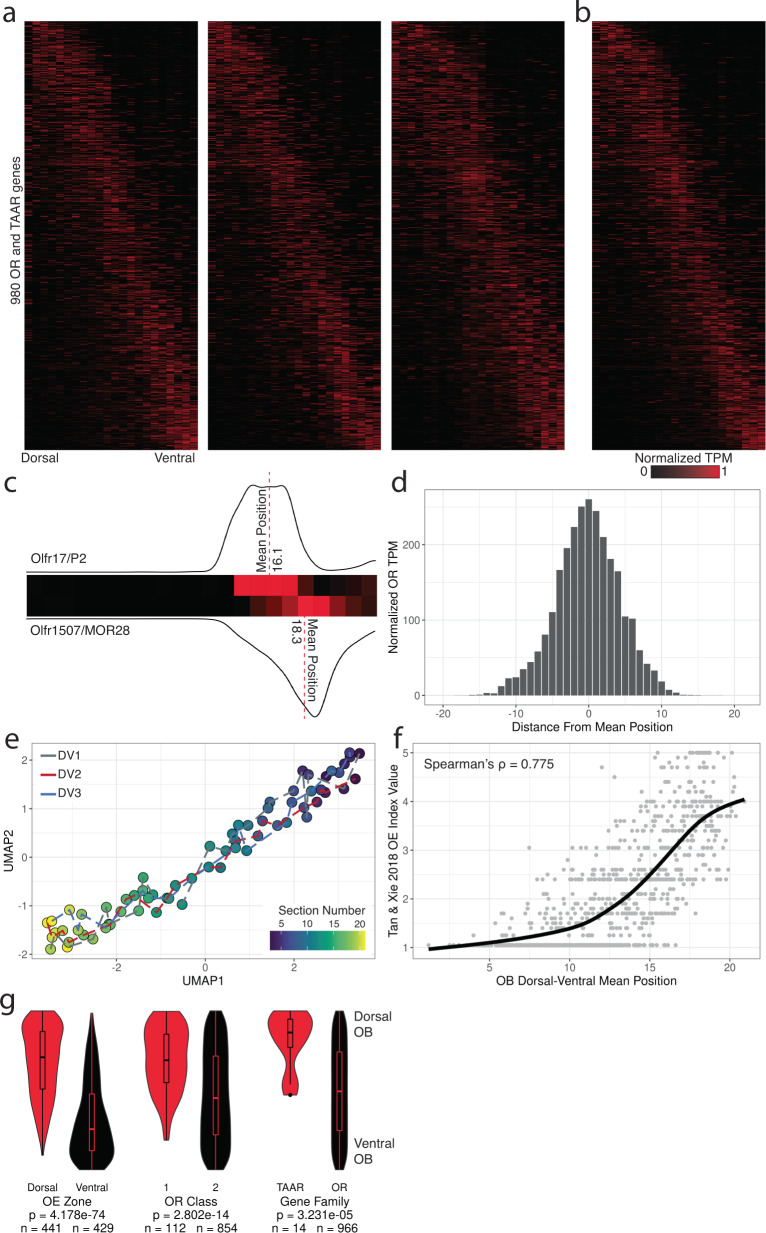
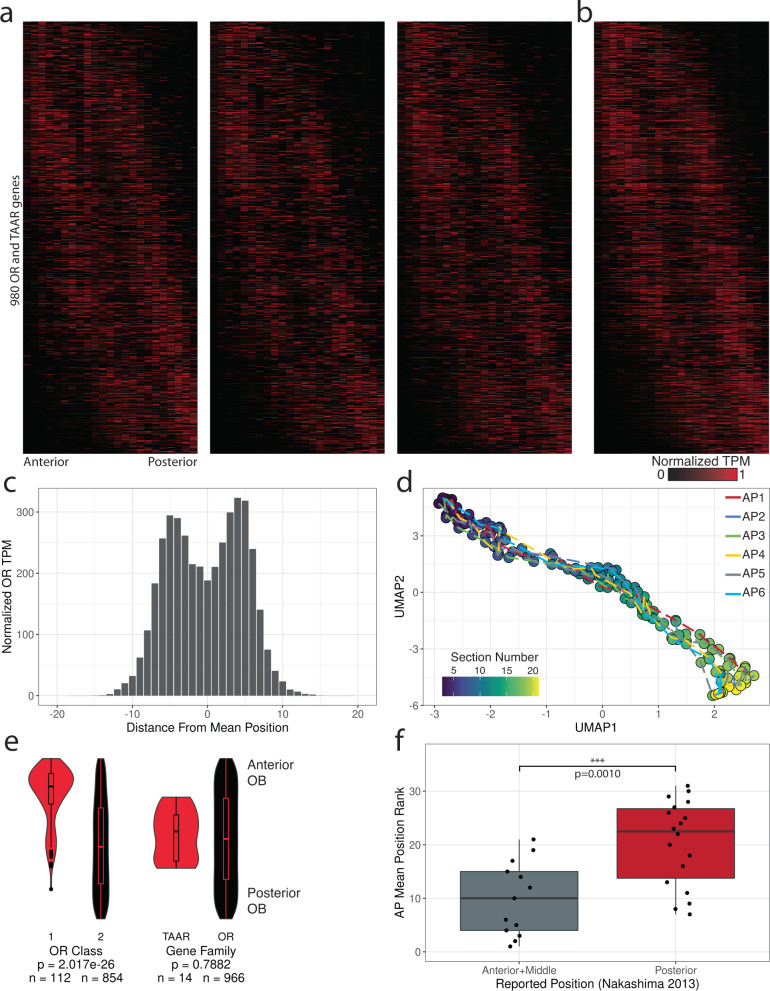
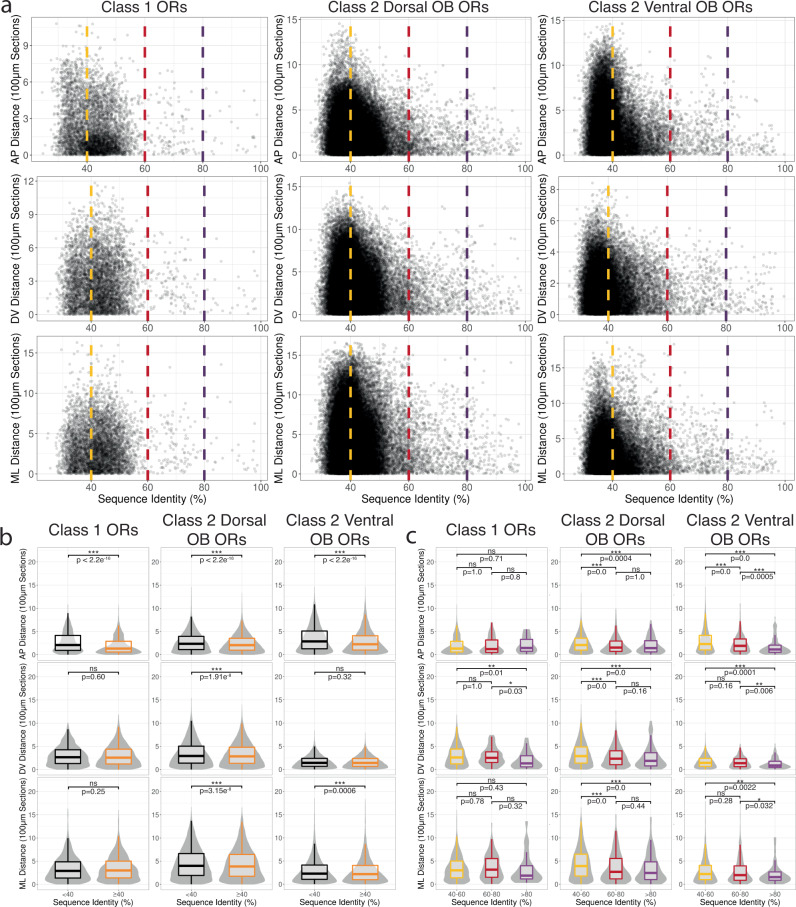
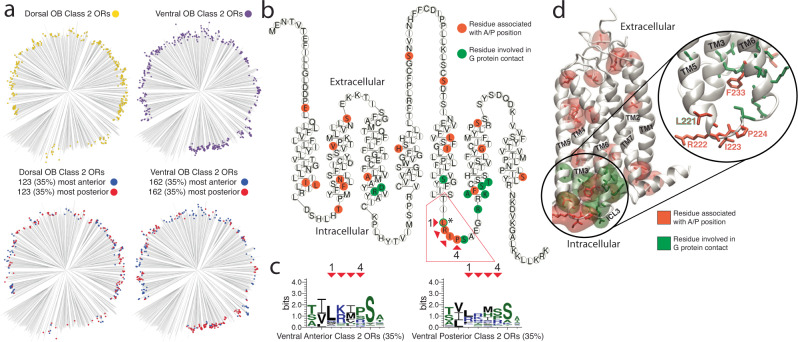
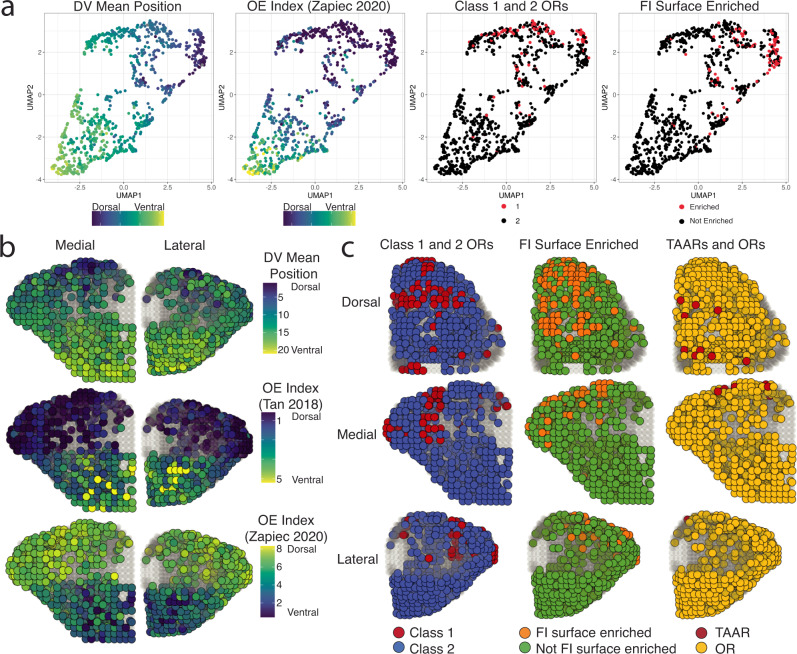
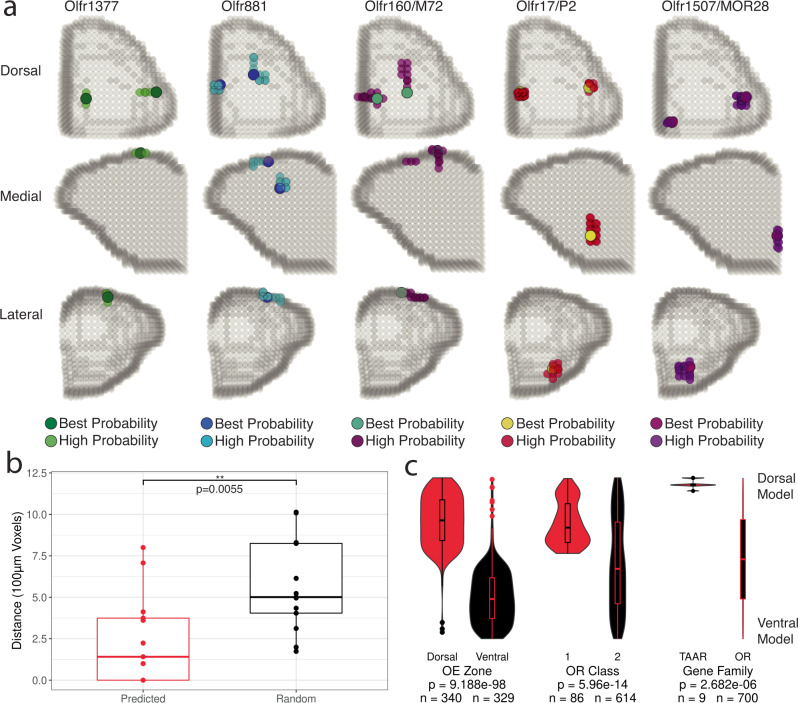
Sensory processing in olfactory systems is organized across olfactory bulb glomeruli, wherein axons of peripheral sensory neurons expressing the same olfactory receptor co-terminate to transmit receptor-specific activity to central neurons. Understanding how receptors map to glomeruli is therefore critical to understanding olfaction. High-throughput spatial transcriptomics is a rapidly advancing field, but low-abundance olfactory receptor expression within glomeruli has previously precluded high-throughput mapping of receptors to glomeruli in the mouse. Here we combined sequential sectioning along the anteroposterior, dorsoventral, and mediolateral axes with target capture enrichment sequencing to overcome low-abundance target expression. This strategy allowed us to spatially map 86% of olfactory receptors across the olfactory bulb and uncover a relationship between OR sequence and glomerular position.
嗅觉系统中的感觉处理是跨嗅球小球组织的,其中表达相同嗅觉受体的外周感觉神经元的轴突共同终止,将受体特异性活性传递给中枢神经元。因此,了解受体如何映射到小球对于理解嗅觉至关重要。高通量空间转录组学是一个快速发展的领域,但以前由于小球内嗅觉受体的低丰度表达,使得在小鼠中将受体高通量映射到小球成为不可能。在这里,我们结合了沿前后、背腹和内外轴的连续切片与靶向捕获富集测序,以克服低丰度靶标表达的问题。这一策略使我们能够在嗅球中空间映射 86%的嗅觉受体,并揭示了 OR 序列和小球位置之间的关系。