Department of Biology, Stanford University, Stanford, CA, USA.
Central Laboratory, State Key Laboratory for Managing Biotic and Chemical Threats to the Quality and Safety of Agro-products, Zhejiang Academy of Agricultural Sciences, Hangzhou, China.
Nat Plants. 2022 Sep;8(9):1038-1051. doi: 10.1038/s41477-022-01226-7. Epub 2022 Sep 1.
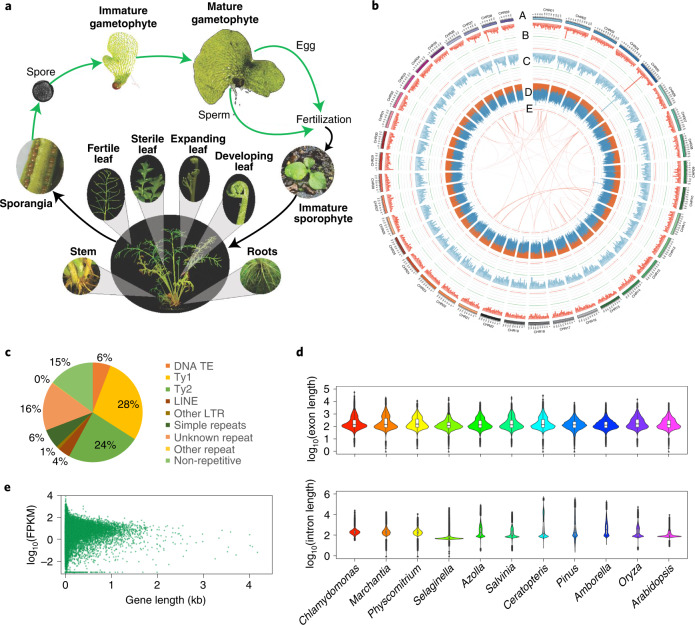
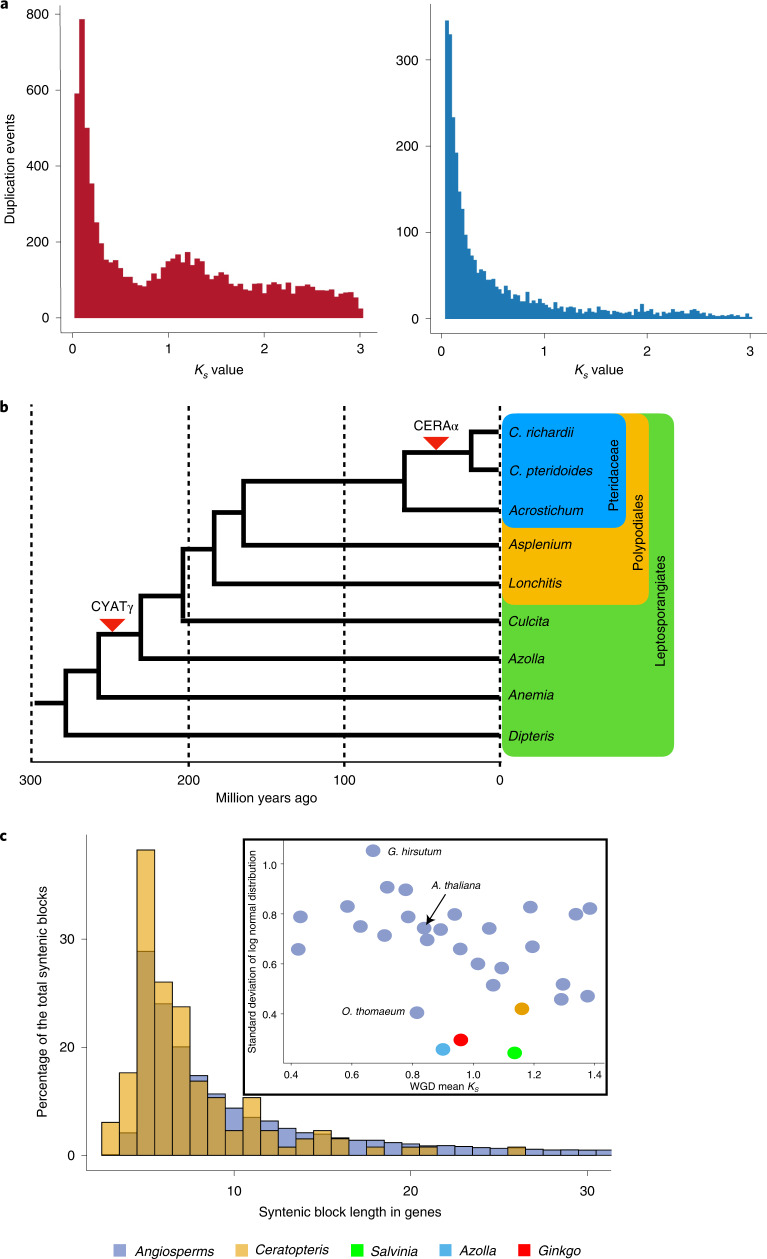
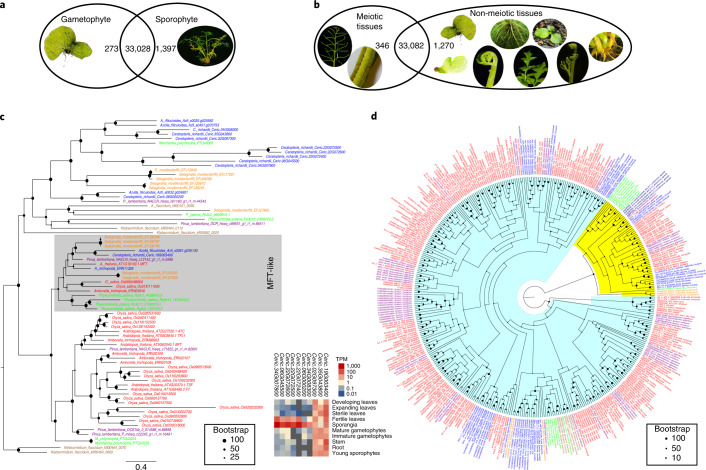
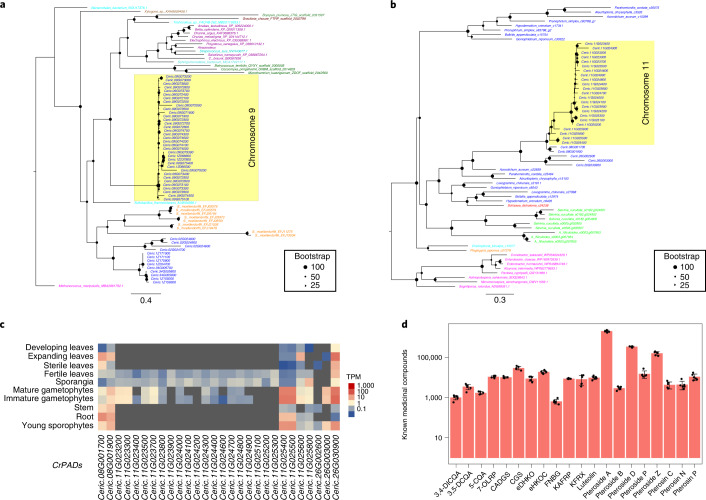
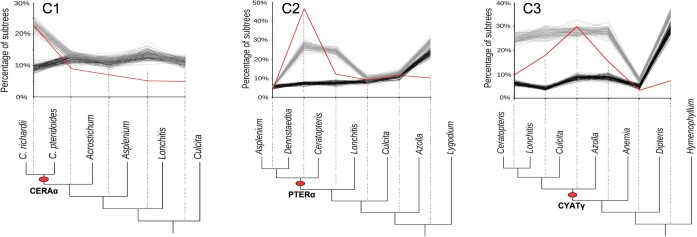
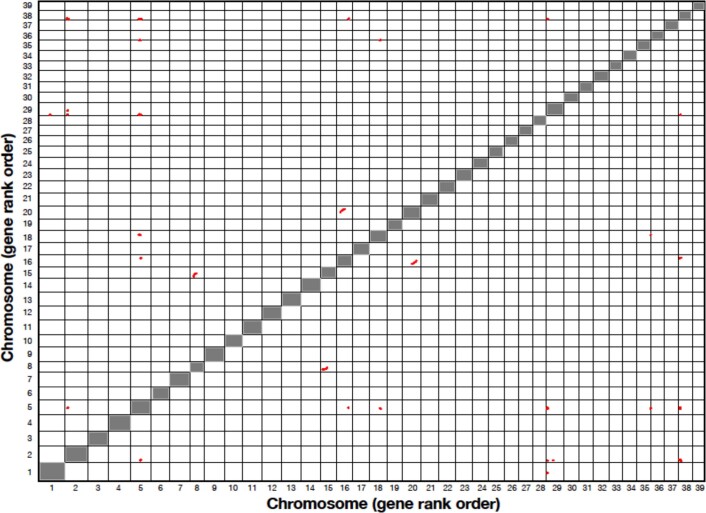
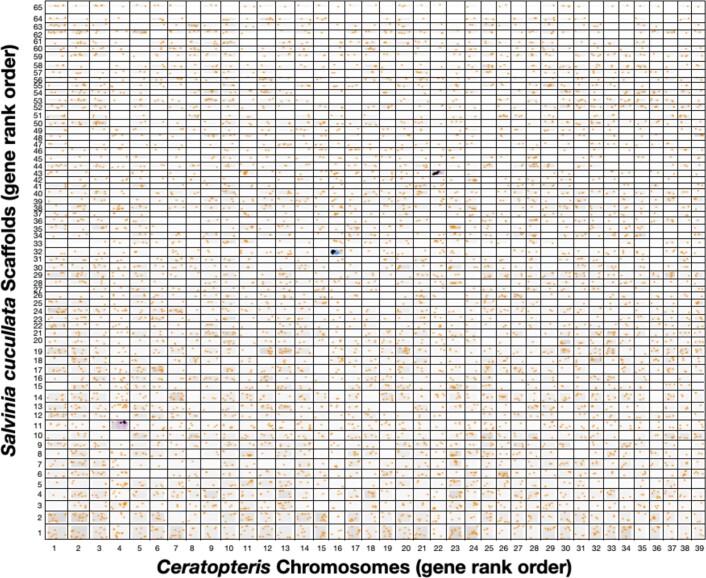
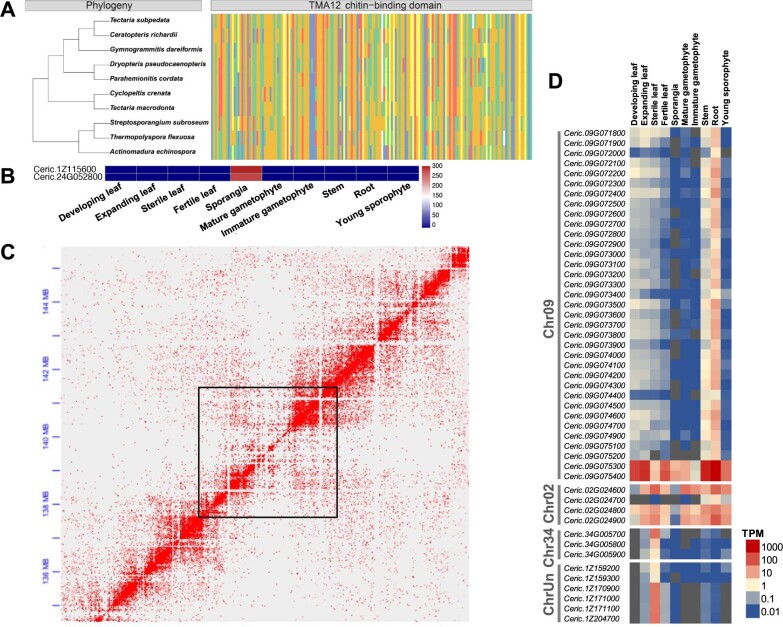
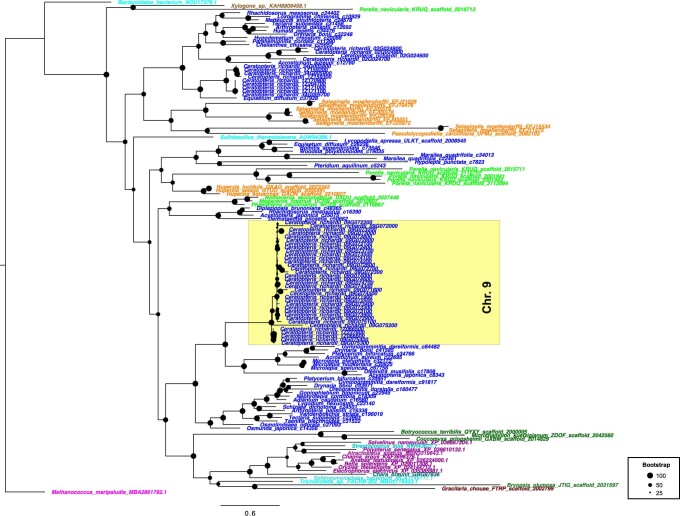
The large size and complexity of most fern genomes have hampered efforts to elucidate fundamental aspects of fern biology and land plant evolution through genome-enabled research. Here we present a chromosomal genome assembly and associated methylome, transcriptome and metabolome analyses for the model fern species Ceratopteris richardii. The assembly reveals a history of remarkably dynamic genome evolution including rapid changes in genome content and structure following the most recent whole-genome duplication approximately 60 million years ago. These changes include massive gene loss, rampant tandem duplications and multiple horizontal gene transfers from bacteria, contributing to the diversification of defence-related gene families. The insertion of transposable elements into introns has led to the large size of the Ceratopteris genome and to exceptionally long genes relative to other plants. Gene family analyses indicate that genes directing seed development were co-opted from those controlling the development of fern sporangia, providing insights into seed plant evolution. Our findings and annotated genome assembly extend the utility of Ceratopteris as a model for investigating and teaching plant biology.
大多数蕨类植物基因组的庞大和复杂性阻碍了通过基因组研究阐明蕨类植物生物学和陆地植物进化基本方面的努力。在这里,我们展示了模式蕨类植物物种凤尾蕨的染色体基因组组装以及相关的甲基组、转录组和代谢组分析。该组装揭示了一个显著的基因组进化历史,包括大约 6000 万年前最近的全基因组复制后基因组内容和结构的快速变化。这些变化包括大量基因丢失、串联重复的猖獗扩张以及来自细菌的多次水平基因转移,导致防御相关基因家族的多样化。转座元件插入内含子导致凤尾蕨基因组的庞大和与其他植物相比异常长的基因。基因家族分析表明,指导种子发育的基因是从那些控制蕨类植物孢子囊发育的基因中共同进化而来的,这为研究种子植物进化提供了线索。我们的研究结果和注释的基因组组装扩展了凤尾蕨作为研究和教授植物生物学的模型的用途。