Hao Hongying, Shi Baolu, Zhang Jiacheng, Dai Ao, Li Wenhao, Chen Haidi, Ji Wenya, Gong Chenjia, Zhang Chang, Li Jing, Chen Li, Yao Bin, Hu Peng, Yang Hao, Brosius Juergen, Lai Shanshan, Shi Qinghua, Deng Cheng
Institutes for Systems Genetics, Frontiers Science Centre for Disease-Related Molecular Network, National Clinical Research Centre for Geriatrics, West China Hospital, Sichuan University, Chengdu, 610212, Sichuan, China.
Jiangsu Key Laboratory for Biodiversity and Biotechnology, College of Life Sciences, Nanjing Normal University, Nanjing, 210023, China.
Mol Biomed. 2022 Sep 2;3(1):27. doi: 10.1186/s43556-022-00092-1.
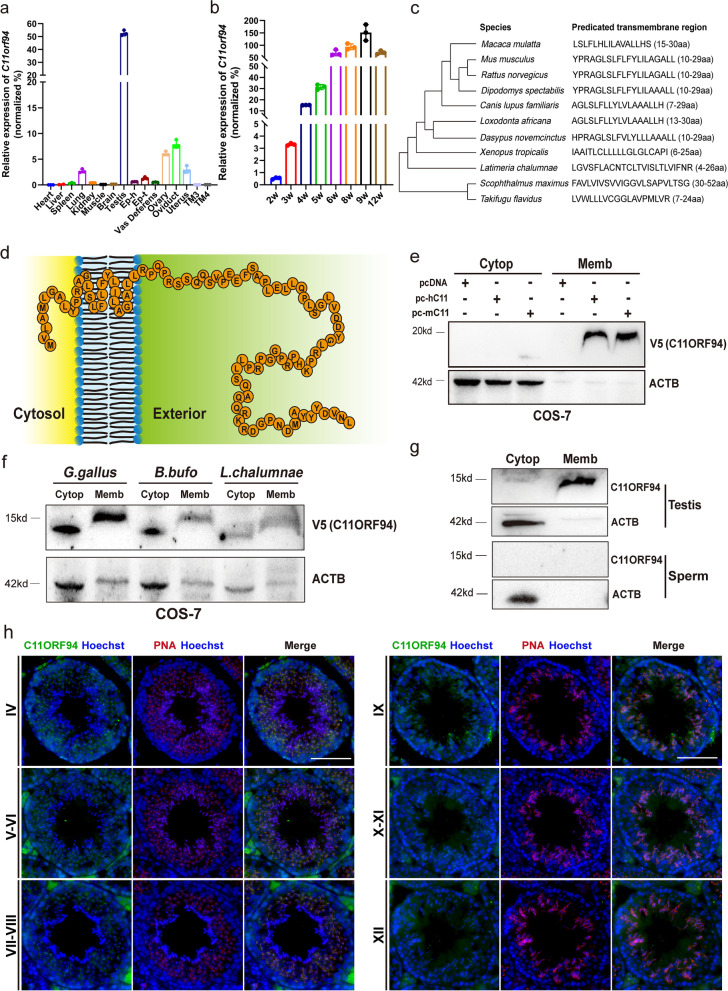
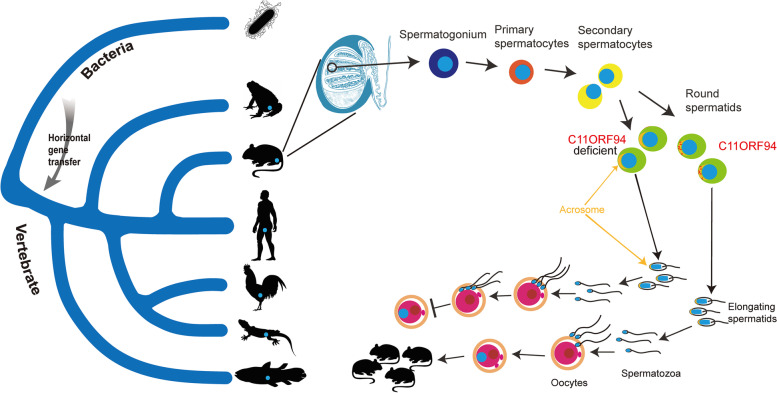
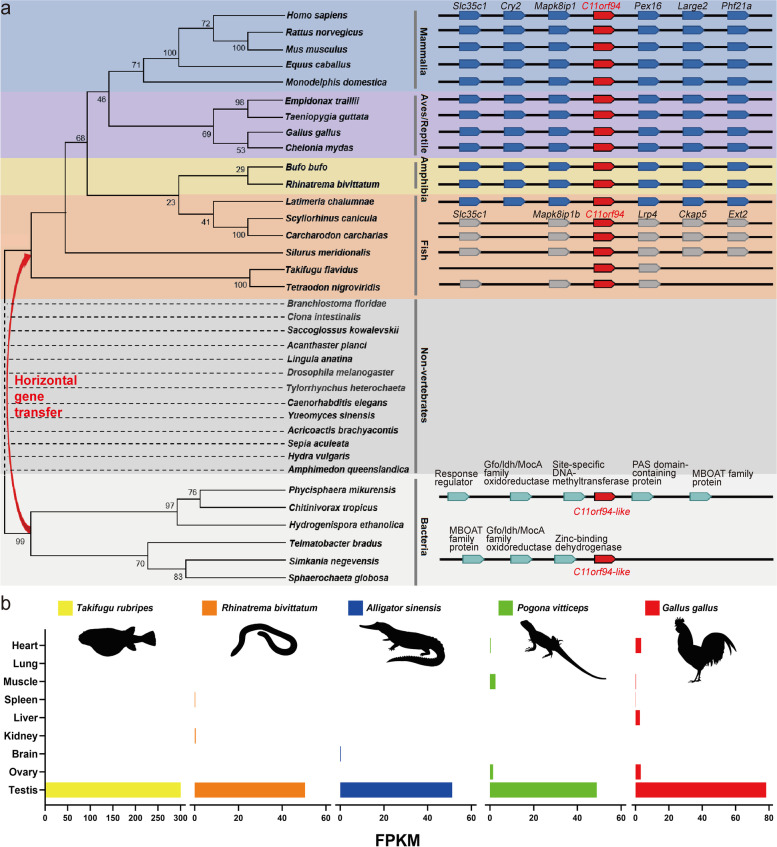
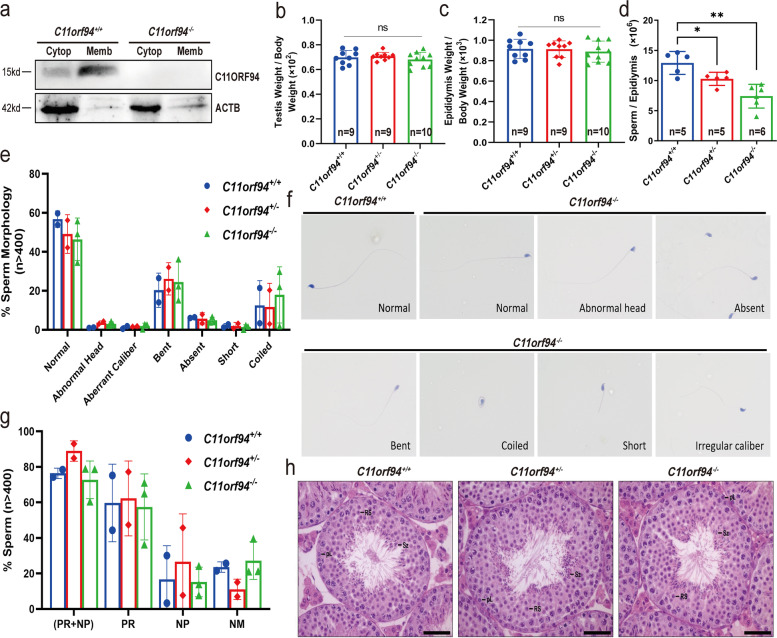
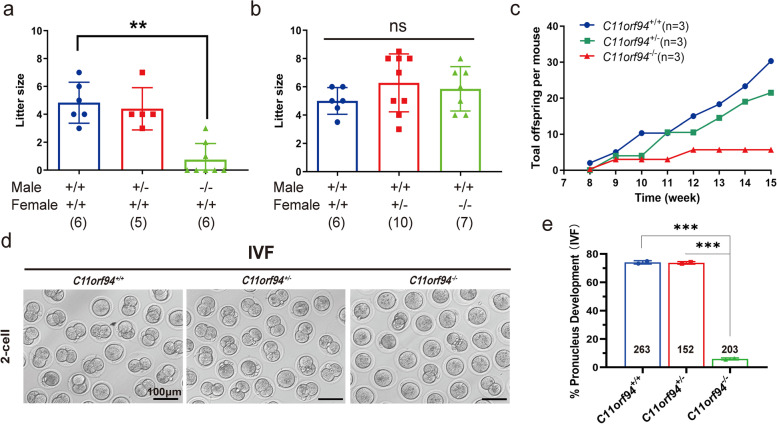
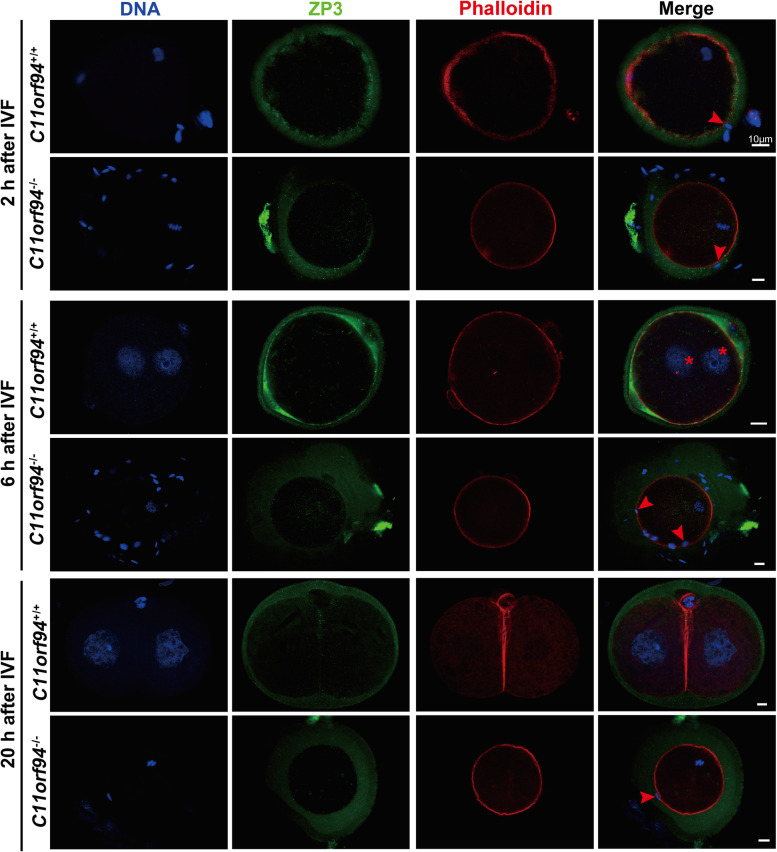
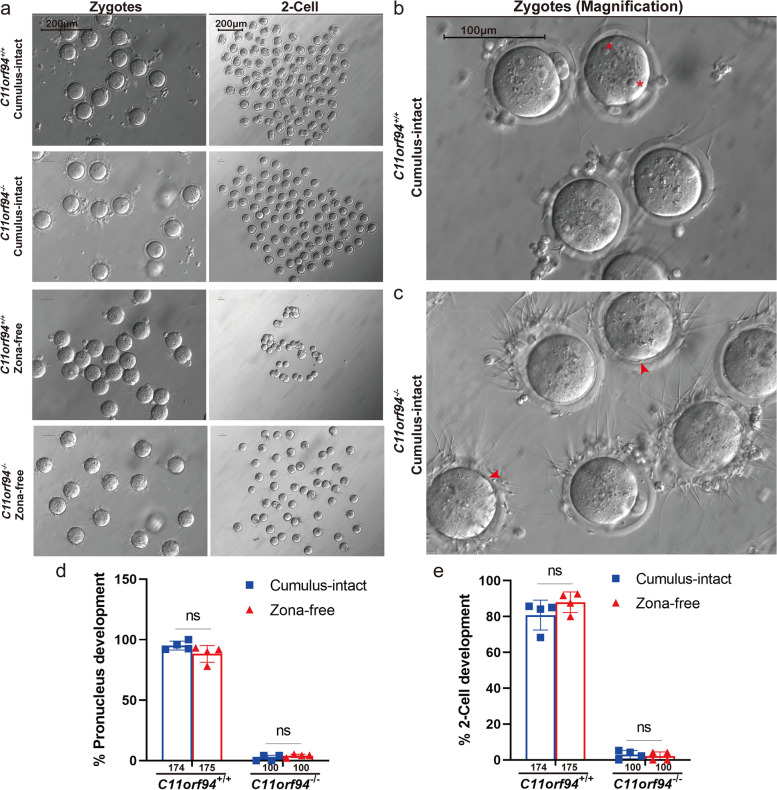
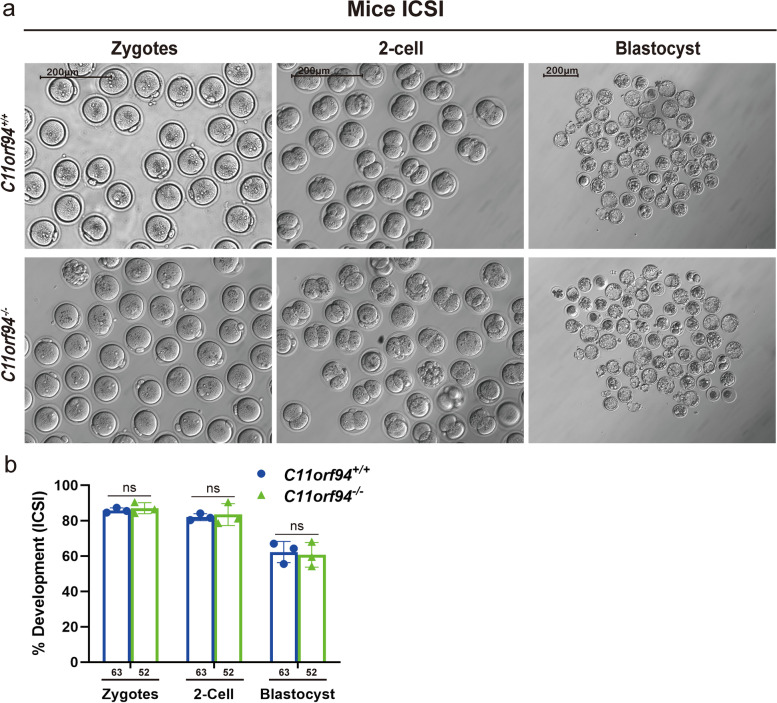
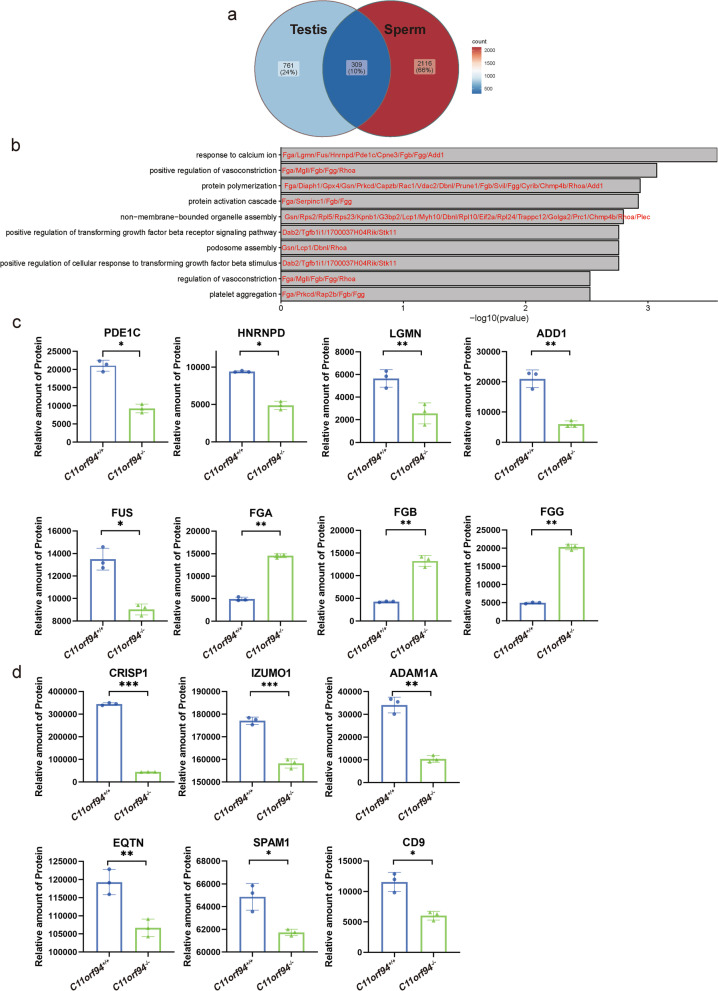
Sperm-oocyte membrane fusion is necessary for mammalian fertilization. The factors that determine the fusion of sperm with oocytes are largely unknown. So far, spermatozoon factor IZUMO1 and the IZUMO1 counter-receptor JUNO on the oocyte membrane has been identified as a protein requiring fusion. Some sperm membrane proteins such as FIMP, SPACA6 and TEME95, have been proved not to directly regulate fusion, but their knockout will affect the fusion process of sperm and oocytes. Here, we identified a novel gene C11orf94 encoding a testicular-specific small transmembrane protein that emerges in vertebrates likely acquired via horizontal gene transfer from bacteria and plays an indispensable role in sperm-oocyte binding. We demonstrated that the deletion of C11orf94 dramatically decreased male fertility in mice. Sperm from C11orf94-deficient mice could pass through the zona pellucida, but failed to bind to the oocyte membrane, thus accumulating in the perivitelline space. In consistence, when the sperm of C11orf94-deficient mice were microinjected into the oocyte cytoplasm, fertilized oocytes were obtained and developed normally to blastocysts. Proteomics analysis revealed that C11orf94 influenced the expression of multiple gene products known to be indispensable for sperm-oocyte binding and fusion, including IZUMO1, EQTN and CRISP1. Thus, our study indicated that C11ORF94 is a vertebrate- and testis-specific small transmembrane protein that plays a critical role in sperm binding to the oolemma.
精卵细胞膜融合是哺乳动物受精所必需的。决定精子与卵母细胞融合的因素在很大程度上尚不清楚。到目前为止,精子因子IZUMO1和卵母细胞膜上的IZUMO1反受体JUNO已被确定为融合所需的蛋白质。一些精子膜蛋白,如FIMP、SPACA6和TEME95,已被证明不直接调节融合,但它们的敲除会影响精子与卵母细胞的融合过程。在这里,我们鉴定了一个新基因C11orf94,它编码一种睾丸特异性小跨膜蛋白,该蛋白可能通过从细菌的水平基因转移在脊椎动物中出现,并在精卵结合中起不可或缺的作用。我们证明,C11orf94的缺失显著降低了小鼠的雄性生育能力。来自C11orf94缺陷小鼠的精子可以穿过透明带,但无法与卵母细胞膜结合,因此聚集在卵周隙中。与此一致的是,当将C11orf94缺陷小鼠的精子显微注射到卵母细胞细胞质中时,获得了受精卵,并正常发育成囊胚。蛋白质组学分析表明,C11orf94影响了多种已知对精卵结合和融合不可或缺的基因产物的表达,包括IZUMO1、EQTN和CRISP1。因此,我们的研究表明,C11ORF94是一种脊椎动物和睾丸特异性的小跨膜蛋白,在精子与卵细胞膜的结合中起关键作用。