Kushwah Ajay Singh, Mittal Roopal, Kumar Manish, Kaur Gurpreet, Goel Prerna, Sharma Rahul Kumar, Kabra Atul, Nainwal Lalit Mohan
Department of Pharmacology, Amar Shaheed Baba Ajit Singh Jujhar Singh Memorial College of Pharmacy, Bela, Rupnagar, Punjab 140111, India.
RKSD College of Pharmacy, Kaithal, Haryana 136027, India.
Evid Based Complement Alternat Med. 2022 Aug 23;2022:6874281. doi: 10.1155/2022/6874281. eCollection 2022.
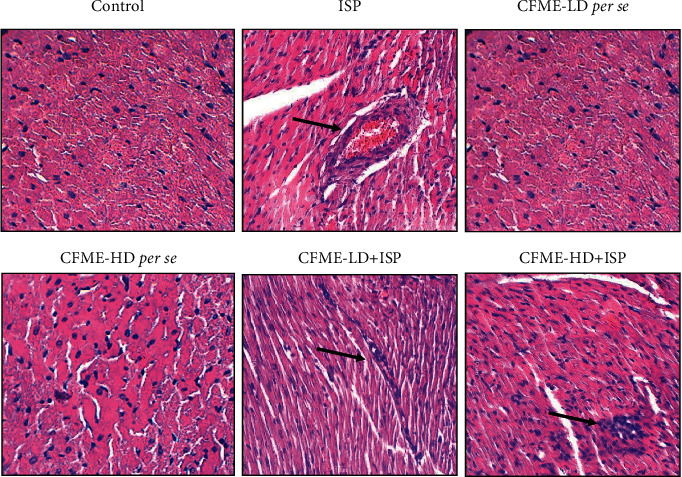
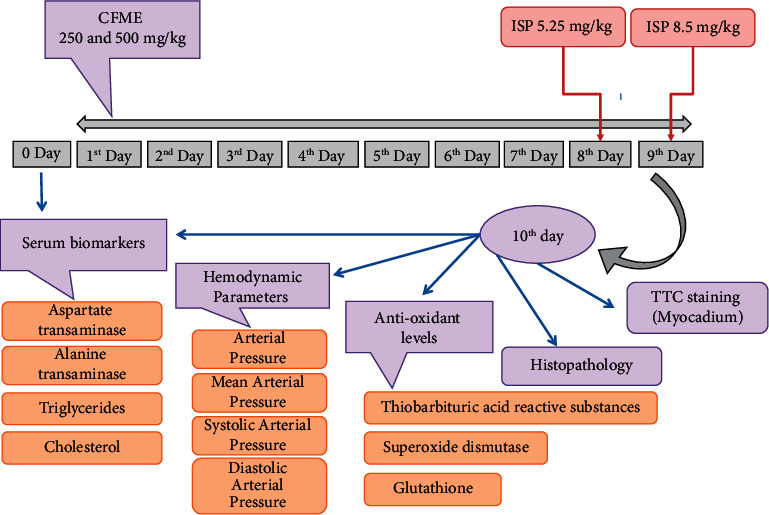
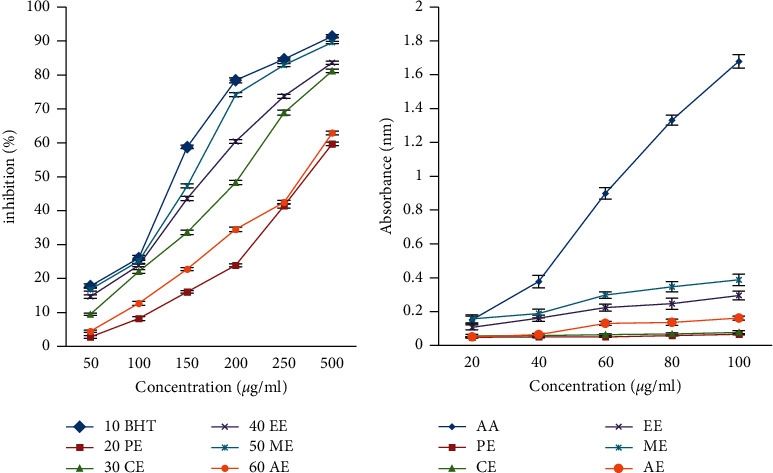
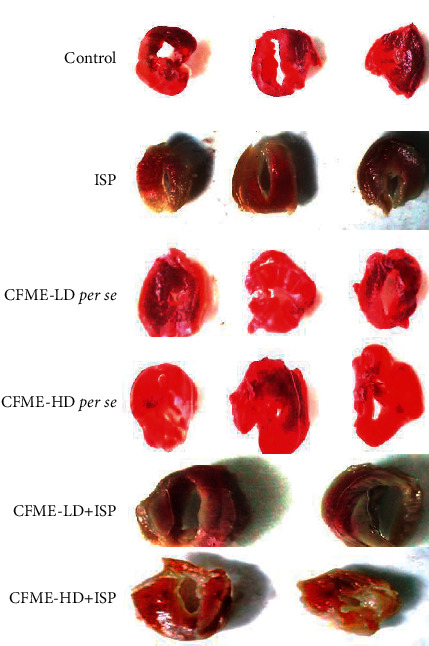
Linn, generally recognized as Indian laburnum, is one of the ancient trees in the Indian subcontinent used for its ornamental and diverse medicinal properties. It is known for its ethnic medicinal uses in inflammatory and infectious pathologies such as antihelmintic, purgative, carminative, antipyretic, expectorant, analgesic, laxative, antiseptic, and antidote against snake poison. The Cassia bark is rich in anthraquinones, flavanols glycosides, and sitosterols, which renders it cardioprotective properties. The existing experiments were designed to assess the potential of bark against isoproterenol (ISP)-induced cardiotoxicity in rats, which has not been validated yet. The bark was successively extracted with five different solvents, and each extract was subjected to antioxidant studies. Further acute oral toxicity assays were carried out preceding myocardial studies. Cardiotoxicity-inducing agent, ISP, was administrated to the rats for two consecutive days (8th and 9th). Based on studies, the methanolic extract (CFME) was administered in two doses: CFME-LD (lower dose 250 mg/kg) and CFME-HD (high dose 500 mg/kg) separately. It was found that CFME produced a substantial decrease in lipid peroxidation and an increase in antioxidants in myocardial tissues. CFME abrogated the levels of triglyceride and total cholesterol with a decrease in alanine transaminase (ALT) and aspartate transaminase (AST) activity in serum at both doses. 2,3,5-Triphenyltetrazolium chloride (TTC) staining and histopathology also revealed the protective effects of CFME against ISP-induced myocardial infarction. The study showed the significant role of the CFME as a strong antioxidant and cardioprotective action in ISP-induced toxicity.
决明,通常被认为是印度金链花,是印度次大陆的古树之一,因其具有观赏性和多种药用特性而被使用。它以其在炎症和感染性疾病中的民族药用价值而闻名,如驱虫、通便、驱风、退热、祛痰、止痛、通便、防腐以及解蛇毒。决明树皮富含蒽醌、黄烷醇糖苷和甾醇,具有心脏保护作用。现有的实验旨在评估决明树皮对异丙肾上腺素(ISP)诱导的大鼠心脏毒性的潜在作用,这一点尚未得到验证。决明树皮先后用五种不同的溶剂进行提取,每种提取物都进行了抗氧化研究。在进行心肌研究之前,还进行了进一步的急性口服毒性试验。连续两天(第8天和第9天)给大鼠注射诱导心脏毒性的药物ISP。基于这些研究,分别以两种剂量给予甲醇提取物(CFME):CFME-LD(低剂量250毫克/千克)和CFME-HD(高剂量500毫克/千克)。结果发现,CFME使心肌组织中的脂质过氧化显著降低,抗氧化剂增加。两种剂量的CFME均能降低血清中甘油三酯和总胆固醇的水平,并降低丙氨酸转氨酶(ALT)和天冬氨酸转氨酶(AST)的活性。2,3,5-氯化三苯基四氮唑(TTC)染色和组织病理学也显示了CFME对ISP诱导的心肌梗死的保护作用。该研究表明CFME在ISP诱导的毒性中作为一种强大的抗氧化剂和心脏保护剂具有重要作用。